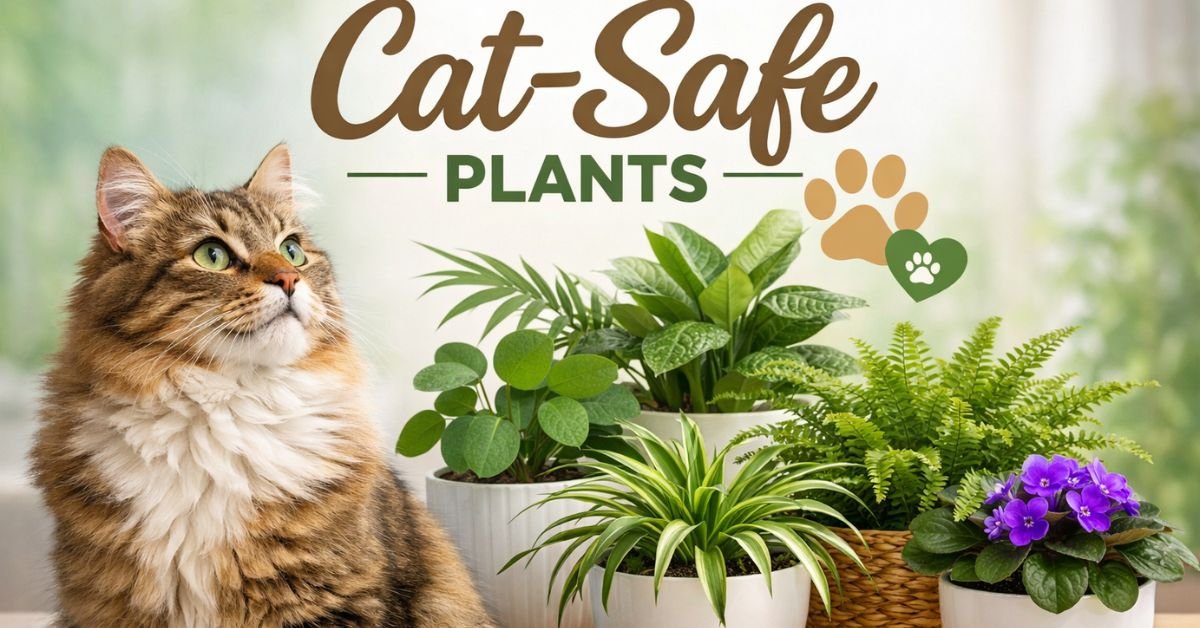

This comprehensive guide to cat safe plants identifies truly safe alternatives, explains toxicity levels, and provides care instructions for creating a beautiful, cat-friendly indoor garden.. This comprehensive guide identifies truly safe alternatives, explains toxicity levels, and provides care instructions for creating a beautiful, cat-friendly indoor garden.
Why Cat-Safe Plants Matter
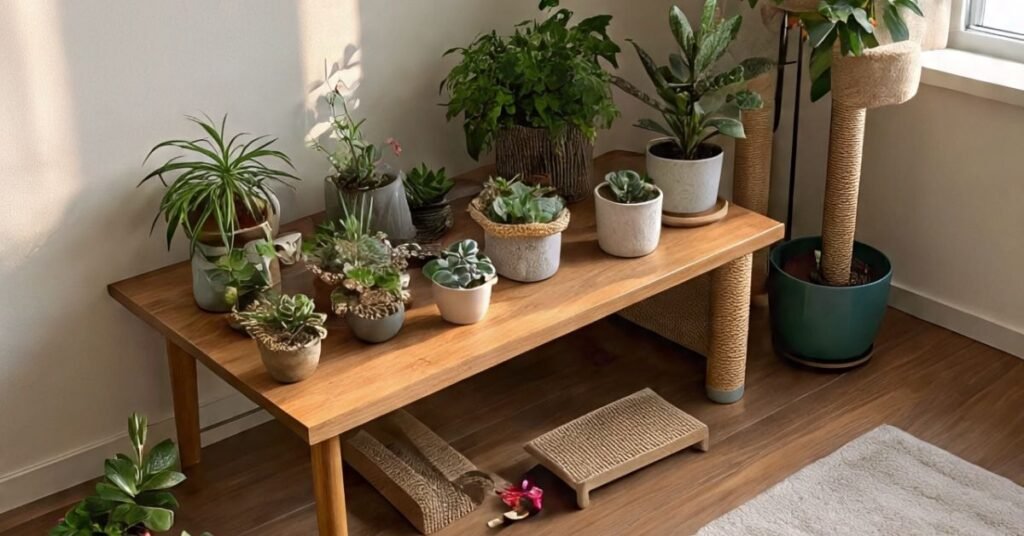
Choosing cat safe plants is not optional for pet owners it is essential to prevent accidental poisoning and long-term health damage in cats.Even a small bite of toxic plants can trigger vomiting, excessive drooling, oral burns, kidney failure, or cardiac issues. Common houseplants like true lilies cause acute kidney failure in cats within 24-48 hours even pollen contact or drinking water from a lily vase can be fatal. Pothos and philodendron contain calcium oxalate crystals that cause immediate oral pain and swelling. Snake plants contain saponins that irritate the digestive tract.
The problem: many toxic plants look similar to safe alternatives. Pet owners unknowingly purchase dangerous plants because they resemble trendy, non-toxic options. This guide solves that problem with direct visual comparisons.
Look-Alike Plants: Safe vs. Toxic Comparison
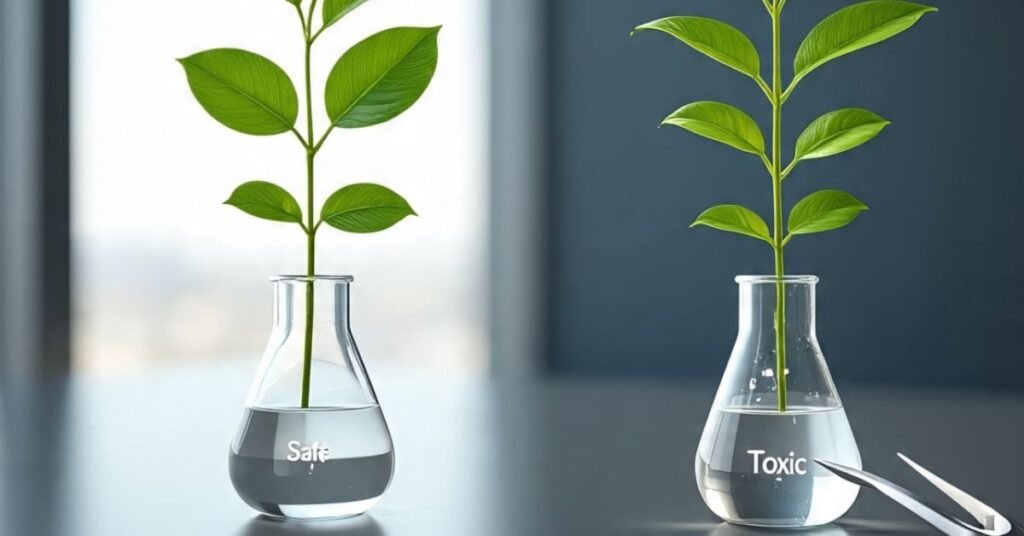
Many popular houseplants look nearly identical but have vastly different toxicity levels. This table prevents dangerous confusion:
| TOXIC Plant | Toxic Compound/Effect | SAFE Alternative | Why It’s Similar |
| True Lily (Lilium) | DEADLY – Acute kidney failure within 24-48 hours | Peace Lily (Spathiphyllum) | White flowers, elegant look (mild irritant only, not deadly) |
| Pothos (Epipremnum) | Calcium oxalate crystals – oral burns, vomiting, swelling | Spider Plant | Trailing vines, produces plantlets, air purifying |
| Snake Plant (Sansevieria) | Saponins – nausea, vomiting, diarrhea | Parlor Palm | Upright structure, low-light tolerant, elegant |
| Aloe Vera | Anthraquinones – vomiting, diarrhea, tremors | Haworthia | Succulent rosettes, striped leaves, minimal care |
| Monstera | Calcium oxalate – mouth pain, drooling, swelling | Areca Palm | Large tropical look, feathery fronds, air purifying |
| Philodendron | Calcium oxalate – oral swelling, difficulty swallowing | Peperomia | Thick rounded leaves, compact size, easy care |
Top 10 Cat-Safe Plants (With Complete Care Instructions)
These plants are ASPCA-verified non-toxic and ideal for homes with cats:
1. Spider Plant (Chlorophytum comosum)
Why it’s safe: Completely non-toxic. Contains no harmful compounds. Even if cats chew leaves, it causes only mild temporary digestive upset at most never organ damage.
Appearance: Long arching leaves with white or cream stripes. Produces baby plantlets (spiderettes) on long stems.
Care requirements:
- Light: Bright indirect light. Tolerates low light but grows slower.
- Water: Water when top 2 inches of soil dry out. Weekly in summer, every 10-14 days in winter.
- Propagation: Cut baby plantlets and root in water or soil.
2. Boston Fern (Nephrolepis exaltata)
Why it’s safe: Non-toxic to cats, dogs, and humans. Lush feathery fronds add natural beauty without risk.
Appearance: Dense clusters of arching green fronds. Classic fern look.
Care requirements:
- Light: Indirect light. Avoid direct sun which scorches fronds.
- Humidity: High humidity essential. Mist daily or use pebble tray.
- Water: Keep soil slightly moist but not soggy. Water 2-3 times weekly.
3. Areca Palm (Dypsis lutescens)
Why it’s safe: Non-toxic and excellent air purifier. Adds tropical elegance without danger.
Appearance: Tall elegant palm with feathery yellow-green fronds. Can reach 6-7 feet indoors.
Care requirements:
- Light: Bright indirect sunlight. Tolerates some direct morning sun.
- Water: Water when top inch of soil dries. Avoid overwatering (causes root rot).
- Temperature: Prefers 65-75°F. Keep away from cold drafts.
4. Parlor Palm (Chamaedorea elegans)
Why it’s safe: Completely safe, compact, graceful. Perfect for low-light spaces where other palms fail.
Appearance: Compact palm (3-4 feet indoors) with delicate pinnate leaves.
Care requirements:
- Light: Low to moderate indirect light. Excellent for dim corners.
- Water: Water when top 1-2 inches dry. Every 7-10 days typically.
- Maintenance: Remove brown leaves. Minimal pruning needed.
5. Calathea (Prayer Plant Family)
Why it’s safe: Non-toxic with stunning decorative leaves. Adds vibrant patterns and color.
Appearance: Large oval leaves with intricate patterns—stripes, spots, or veining in pink, purple, or cream.
Care requirements:
- Light: Medium to bright indirect light. Never direct sun (burns leaves).
- Humidity: High humidity essential. Use humidifier or mist regularly.
- Water: Use filtered or distilled water. Tap water fluoride/chlorine damages leaves.
6–10. Additional Cat-Safe Plants
- Haworthia – Small zebra-striped succulent. Bright indirect light, minimal water (every 2-3 weeks).
- Peperomia – Thick rounded leaves, compact. Moderate light, water when soil dries.
- Polka Dot Plant – Colorful spotted leaves (pink/red/white). Moderate light, keep soil moist.
- Money Tree – Braided trunk, glossy leaves. Bright indirect light, water weekly.
- Cat Grass – Wheat/oat/barley grass specifically for cats. Aids digestion, reduces hairballs. Bright light, keep moist.
Highly Toxic Plants to Avoid (Never Keep These)
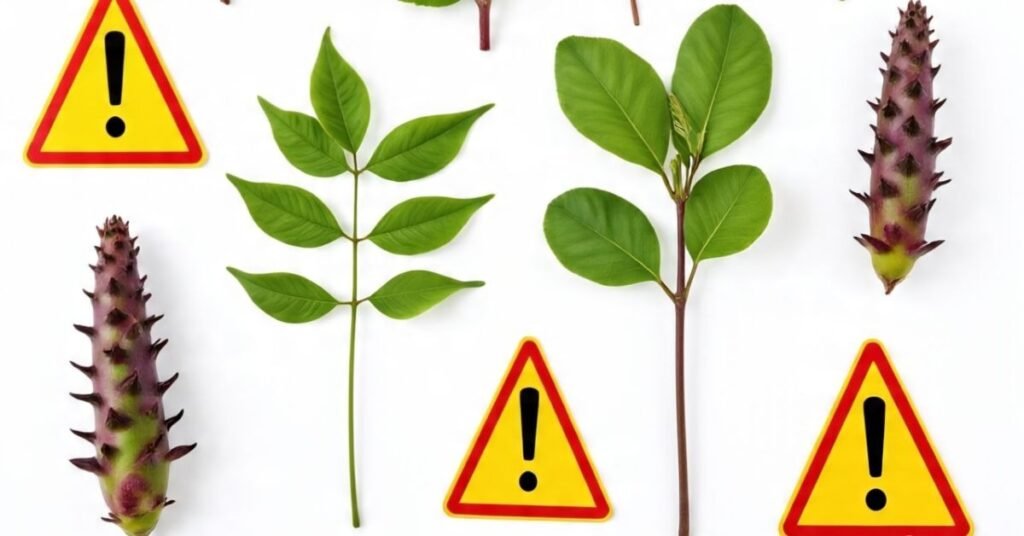
These common houseplants cause serious harm and should never be in cat homes:
- True Lilies (Lilium, Hemerocallis) – DEADLY. All parts toxic. Causes acute kidney failure within 24-48 hours. Even pollen or vase water can kill.
- Sago Palm – Extremely toxic. Causes liver failure, seizures, death. Seeds most dangerous.
- Pothos – Calcium oxalate crystals. Causes immediate oral burns, vomiting, difficulty swallowing.
- Philodendron – Calcium oxalate. Oral swelling, drooling, vomiting, breathing difficulty.
- Snake Plant (Sansevieria) – Saponins. Causes nausea, vomiting, diarrhea.
- Aloe Vera – Anthraquinones. Causes vomiting, diarrhea, lethargy, tremors.
- Monstera – Calcium oxalate. Mouth pain, drooling, swelling.
- ZZ Plant – Calcium oxalate. Irritation, vomiting if ingested.
Final Recommendations
Creating a cat-safe home requires conscious plant selection. Start with proven non-toxic plants: Spider Plant, Areca Palm, Boston Fern, Parlor Palm, and Haworthia. Use the comparison table to avoid toxic look-alikes Pothos looks like Spider Plant but causes oral burns, Snake Plant looks like Parlor Palm but causes vomiting. Always provide Cat Grass to satisfy your cat’s natural chewing instinct, which reduces interest in other plants. Arrange plants using heavy, stable pots at varied heights. Observe your cat’s behavior and adjust placement as needed. Most importantly: verify every plant using the ASPCA database before bringing it home. When in doubt, don’t buy it. These simple precautions allow you to enjoy a lush, beautiful indoor garden while keeping your feline companion safe and healthy.
Frequently Asked Questions (Plant Doctor Answers)
My cat is chewing my Spider Plant should I be worried?
Plant Doctor: Spider Plants are non-toxic, so minor nibbling is safe. However, excessive chewing may cause mild stomach upset or vomiting (similar to eating grass). If your cat eats large amounts, provide Cat Grass as an alternative and monitor for unusual symptoms. If vomiting persists beyond 24 hours or your cat seems lethargic, consult your vet. The plant itself won’t cause organ damage.
Can I keep Pothos if I place it on a high shelf?
Plant Doctor: No. Cats are excellent climbers and jumpers—even 6-foot shelves aren’t guaranteed safe. Pothos leaves contain calcium oxalate crystals that cause immediate severe oral pain, swelling, drooling, and vomiting. The risk isn’t worth it. Swap for Spider Plant which has a similar trailing look but is completely safe.
My cat knocked over a plant and ate some soil. What should I do?
Plant Doctor: First, identify the plant immediately. If it’s non-toxic (Spider Plant, Parlor Palm, Boston Fern), monitor for mild stomach upset over the next 24 hours. If the plant is toxic (Pothos, any Lily, Philodendron, Snake Plant), contact your veterinarian immediately—even if symptoms haven’t appeared yet. Soil containing chemical fertilizers can also be harmful. When in doubt, always call your vet. Time matters with toxic exposures.
Are all succulents safe for cats?
Plant Doctor: No. Haworthia and Echeveria are safe. However, Aloe Vera (also a succulent) is toxic and causes vomiting, diarrhea, and tremors. Jade Plant (Crassula ovata) is also toxic. Kalanchoe causes cardiac issues. Always verify each succulent species individually using the ASPCA’s Toxic and Non-Toxic Plant List. Never assume all succulents are safe based on appearance.
What are the first signs my cat ate something toxic?
Plant Doctor: Watch for drooling, pawing at mouth, vomiting, or lethargy within 2-12 hours of exposure. Calcium oxalate plants (Pothos, Philodendron, Monstera) cause immediate oral pain. Lily poisoning is unique symptoms may not appear for 12-24 hours but cause irreversible kidney failure. If you even suspect lily ingestion, go to the emergency vet immediately. Don’t wait for symptoms. Other warning signs: loss of appetite, hiding, difficulty walking, dilated pupils, or seizures.
How do I verify if a plant is safe before buying?
Plant Doctor: Use the ASPCA’s Toxic and Non-Toxic Plant List (aspca.org/pet-care/animal-poison-control/toxic-and-non-toxic-plants). Search using the plant’s scientific name (Latin name) common names can be misleading. When shopping at nurseries, ask staff for the scientific name and look it up on your phone before purchasing. Use the comparison table in this guide to avoid common look-alike mistakes. If a plant isn’t clearly listed as safe, don’t buy it.