
Introduction
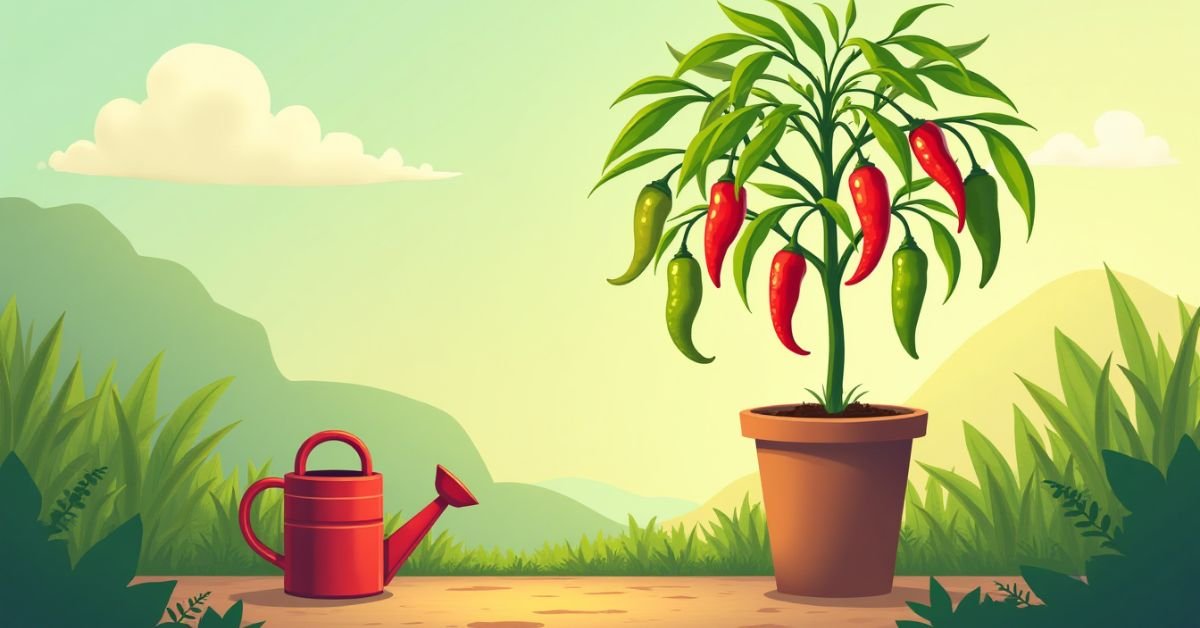
The Bird Chili Plant, also known as the Bird’s Eye Chili, is a small but mighty pepper plant famous for its intense heat. It belongs to the Capsicum family and is loved for its tiny, upright-pointing peppers that pack a serious punch. These plants are compact, making them a perfect fit for both large garden beds and small balcony pots.
Have you ever wondered why some chili plants are loaded with fruit while others barely grow a single pepper? It usually comes down to a few simple secrets in how they are nurtured. If you want to turn your struggling sprout into a fiery, fruit-bearing machine, you’ve come to the right place.
In this guide, Bird Chili Plant: Tips for Healthy Growth & Yield, we will dive into the essentials of pepper success. We’ll cover everything from the ideal sunlight requirements to the specific watering habits that prevent root rot. By following these steps, you’ll ensure your plant stays vibrant and produces a massive harvest of spicy peppers all season long.
Bird Chili Plant Overview
The Bird Chili Plant is a favorite for gardeners who love a bit of spice. These plants stay small and bushy, so they fit perfectly on a sunny windowsill or a tiny balcony. Unlike other peppers that hang down, these bright red chilis grow pointing straight up toward the sky. They are tough, beautiful to look at, and famous for their very high heat level.
Growing this plant is quite simple if you give it enough warmth and light. It acts as a perennial in warm climates, meaning it can live and produce fruit for several years. People love them because they are decorative and practical at the same time. Whether you want to spice up a meal or just add a pop of color to your home, this little plant is a great choice.
Top Bird Chili Varieties
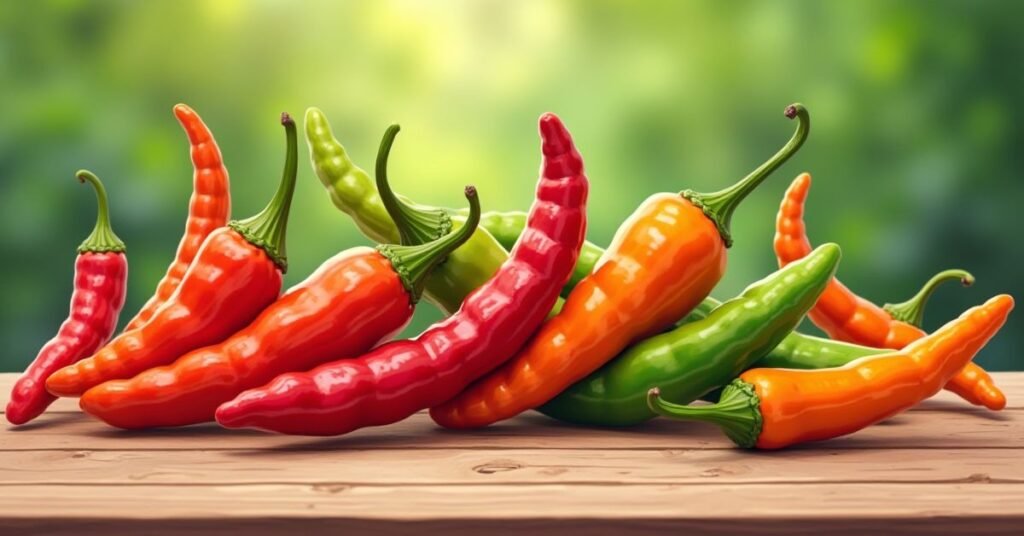
Not all bird chilis are exactly the same. While they all share that signature “upward-pointing” look, different varieties offer unique colors and heat levels. Some are grown specifically for their intense spice, while others are picked because they look like bright ornaments in a garden. Choosing the right one depends on how much heat you can handle and where you plan to grow them.
If you are looking for the best varieties to start with, here are a few popular favorites:
- Thai Bird’s Eye: This is the most famous variety. It is very spicy and a staple in Asian cooking.
- African Bird’s Eye (Piri Piri): Known for its rich flavor, this one is often used to make famous spicy sauces.
- Malagueta: A popular choice in Brazil, these are small, juicy, and pack a serious punch.
- Hawaiian Chili: These grow very well in tropical heat and are slightly thicker than the Thai version.
Most of these varieties love the sun and don’t need much space to thrive. Whether you want the deep red of a classic Thai pepper or the unique tang of a Piri Piri, there is a variety that fits your taste. Adding a few different types to your garden is a fun way to experiment with different flavors in your kitchen.
How to Grow Bird Chili Plants
Growing your own Bird Chili Plant is a rewarding project that anyone can do. These plants love warmth and plenty of sunshine to produce those spicy little peppers. Start by planting your seeds in well-draining soil and keeping them in a cozy, bright spot. Once the seedlings have a few leaves, they are ready to move into a bigger pot or a sunny corner of your garden.
To get the best results and a huge harvest, keep these simple steps in mind:
- Sunlight: Give your plant at least 6 to 8 hours of direct sun every day.
- Watering: Water only when the top inch of soil feels dry to the touch.
- Feeding: Use a balanced fertilizer once a month during the growing season.
- Spacing: If planting in the ground, leave about 12 inches between plants so they have room to breathe.
As your plant grows, you might see tiny white flowers appear. This is a great sign! Those flowers will soon turn into the fiery green and red chilis you’ve been waiting for. Just be patient, keep the soil moist but not soggy, and your plant will thrive.
Indoor vs Outdoor Planting
Deciding where to grow your Bird Chili Plant depends on your space and the local weather. Growing indoors is great if you have a sunny windowsill or live in a cold climate. It lets you control the temperature and keep pests away from your peppers. On the other hand, planting outdoors gives your chili plant more room to spread its roots and soak up natural rainwater.
Both methods have their own set of perks to help your plant thrive:
- Indoor Perks: You can grow spicy peppers all year round, even in winter.
- Outdoor Perks: Bees and wind help pollinate the flowers, often leading to a bigger harvest.
- Indoor Needs: You may need a grow light if your windows don’t get enough direct sun.
- Outdoor Needs: Watch out for heavy rain or frost, which can damage the delicate branches.
Whether you choose a cozy pot in your kitchen or a sunny spot in the backyard, these plants are very adaptable. Just make sure they get plenty of warmth, and they will reward you with bright, fiery chilis.
Bird Chili Care Tips
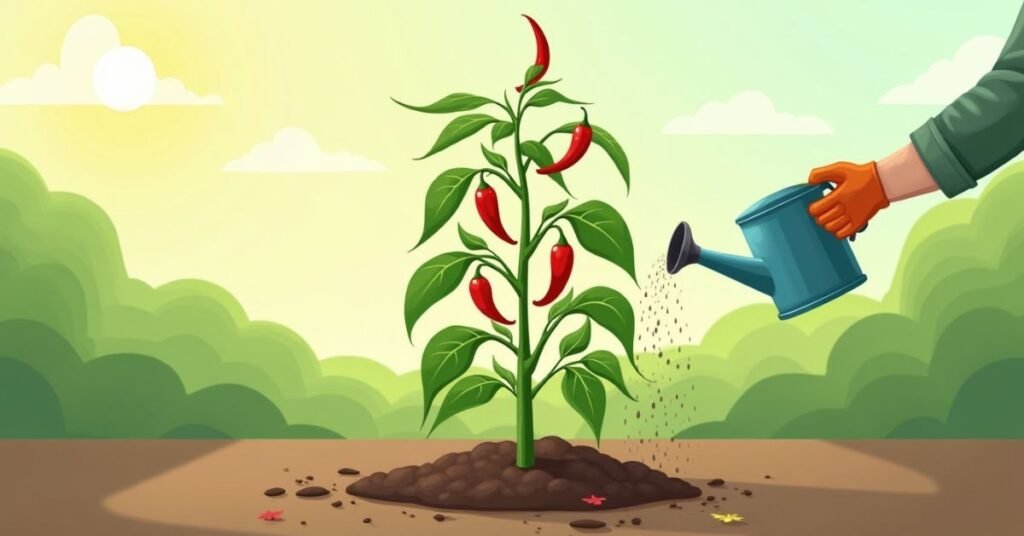
Keeping your Bird Chili Plant happy is all about consistency. These little plants don’t ask for much, but they do love a routine. Make sure they get plenty of bright light and a drink of water whenever the soil feels dry. If you notice the leaves drooping, it usually means your plant is thirsty and needs a quick soak.
To get the most peppers possible, you should also think about the “extras.” This includes feeding the soil with nutrients and keeping a close eye on the temperature. A little bit of attention goes a long way in preventing pests and keeping the plant green and bushy. Use the table below as a quick cheat sheet for your daily or weekly care routine.
| Care Category | What to Do | Frequency |
| Sunlight | Provide at least 6–8 hours of direct sun. | Daily |
| Watering | When the soil is dry to the top inch, water it. | Every 2–3 days |
| Fertilizing | Use a liquid vegetable or tomato fertilizer. | Once a month |
| Temperature | Keep between 20°C and 32°C (70°F–90°F). | Constant |
| Pruning | To encourage bushier growth, pinch the top tips off. | Once a season |
| Soil Type | Use well-draining potting mix with compost. | At planting |
| Pest Check | Look under leaves for aphids or mites. | Weekly |
| Potting | Roots that grow out the bottom of a pot should be moved to a larger pot. | Once a year |
| Pollination | Shake the plant gently to help move pollen. | During flowering |
Watering and Sunlight Needs
The Bird Chili Plant is like a tiny solar panel that thrives on bright light. To get those peppers to turn bright red and spicy, your plant needs at least six to eight hours of direct sunlight every day. If you are growing it indoors, a south-facing window is usually the best spot. Without enough light, the plant will grow tall and “leggy” instead of staying bushy and full of fruit.
When it comes to water, these plants prefer a “soak and dry” method. You should wait until the top inch of the soil feels dry before giving it a drink. Be careful not to overwater, as soggy soil can cause the roots to rot and turn the leaves yellow. During the hot summer months, you might need to water more often, but always check the soil with your finger first to make sure it actually needs it.
Fertilizing and Pruning for Healthy Growth
Feeding your Bird Chili Plant is the best way to get a huge harvest. These plants are hungry for nutrients, especially when they start growing flowers. A balanced liquid fertilizer once a month works wonders for the leaves and stems. Just be careful not to overfeed them, as too much nitrogen can grow lots of leaves but very few spicy peppers.
Pruning is another secret to a bushy and productive plant. When your chili plant is about six inches tall, you can pinch off the very top growing tip. This might feel scary, but it actually encourages the plant to grow wider instead of just taller. Removing any yellow or dead leaves also helps the plant focus all its energy on growing those fiery red chilis you love.
Common Problems & Fixes
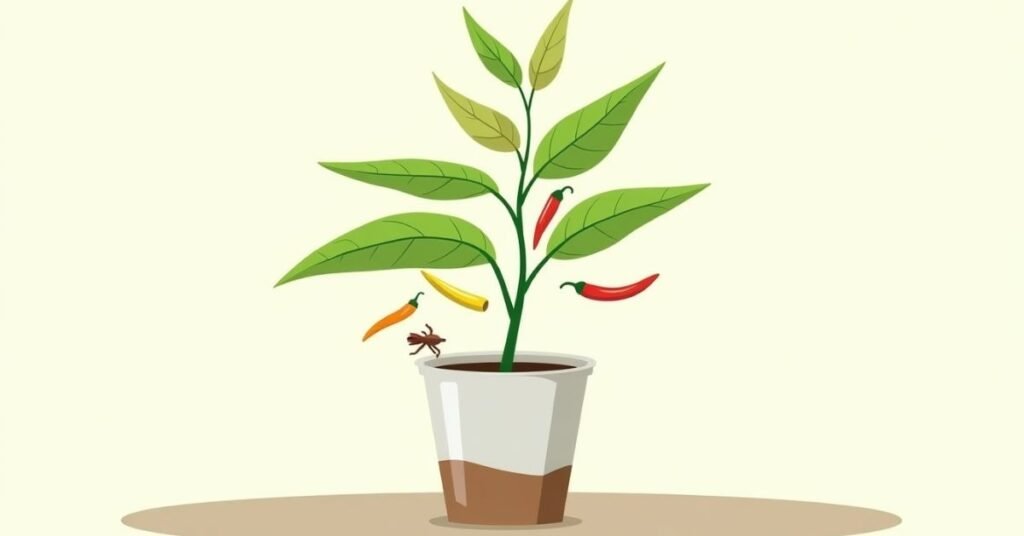
Even a hardy Bird Chili Plant can run into a bit of trouble sometimes. You might notice the leaves turning yellow, or the tiny flowers falling off before they turn into peppers. Most of these issues are just the plant’s way of telling you it needs a small change in its environment. If you catch these signs early, your plant will bounce back quickly and stay healthy.
Pests and diseases are also part of the gardening journey, but they are easy to handle. Bugs like aphids love the juicy green leaves, but a simple spray of soapy water usually does the trick. Keeping the air moving around your plant and not letting the soil stay too soggy will prevent most mold and fungus problems. Use the table below to troubleshoot any issues you see on your chili plant.
Problems & Fixes
| Problem | What it Looks Like | Likely Cause | The Simple Fix |
| Yellow Leaves | Leaves lose green color and look pale. | Overwatering or lack of food. | Water less often and add fertilizer. |
| Dropping Flowers | Flowers fall off without growing fruit. | Too much heat or dry air. | Move to a cooler spot and mist with water. |
| Wilting Leaves | Leaves look limp and hang down. | The plant is very thirsty. | Give it a deep soak immediately. |
| Curled Leaves | Leaf edges roll upward or look bumpy. | Tiny bugs like aphids or mites. | Spray with neem oil or soapy water. |
| Slow Growth | The plant stays small for a long time. | Not enough sunlight or cold air. | Move to a sunnier, warmer location. |
| Black Spots | Dark patches on leaves or stems. | Fungus from too much moisture. | Improve airflow and keep leaves dry. |
| Leggy Stems | Tall, thin stems with very few leaves. | Reaching for more light. | Use a grow light or a brighter window. |
| Soft Fruit | Peppers feel mushy instead of firm. | Calcium deficiency or rot. | Add crushed eggshells to the soil. |
Uses of Bird Chili Plant
The Bird Chili Plant is a superstar in the kitchen, especially if you love spicy food. These tiny peppers are famous for their sharp, clean heat that kicks in quickly. You can use them fresh in salsas, chop them into stir-fries, or dry them out to make your own chili flakes. In many cultures, they are also pickled in vinegar to create a spicy condiment that lasts for months.
Beyond cooking, these plants are also grown just for their looks. Because the peppers grow in bright clusters of red, orange, and green, they look like colorful ornaments. Many people keep a Bird Chili Plant on their patio or desk simply to add a pop of color to the room. Whether you are a chef looking for heat or a decorator looking for a beautiful plant, this little chili does it all.
Tips to Boost Growth
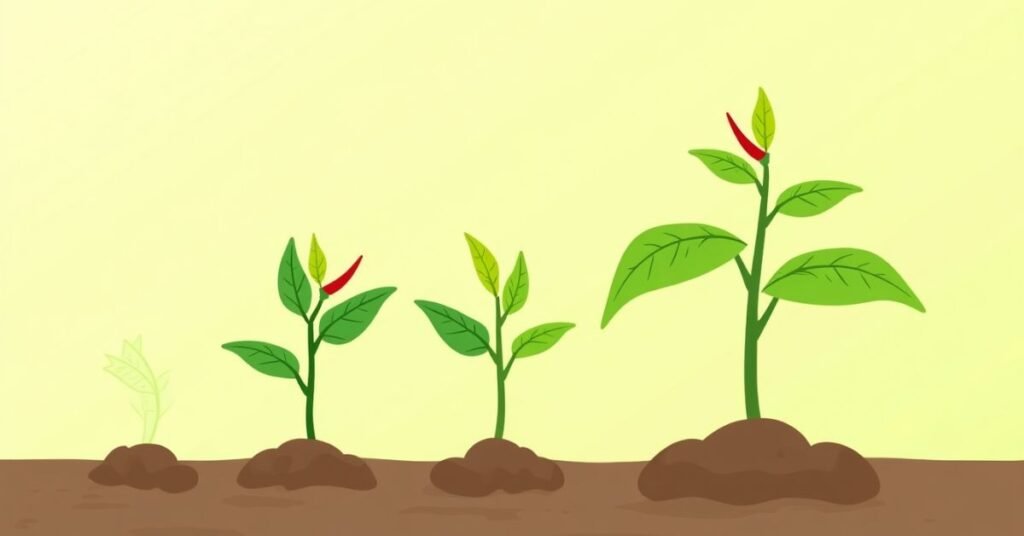
If you want your Bird Chili Plant to grow faster and stronger, it all starts with the right environment. These plants love a warm “microclimate,” so keeping them away from cold drafts is key. You can also give the soil a boost by adding organic compost or aged manure before planting. This gives the roots a rich buffet of nutrients to help the stems grow thick and sturdy.
[Image showing a lush Bird Chili Plant with many green and red peppers]
To really see a jump in your pepper production, try these simple growth hacks:
- Warm the Roots: Use a dark-colored pot to absorb more heat from the sun.
- Epsom Salt Spray: Mix a teaspoon of Epsom salt in a liter of water and mist the leaves once a month for extra magnesium.
- Gently Shake: When flowers appear, give the plant a tiny shake to help with pollination.
- Mulching: Add a layer of straw or wood chips on top of the soil to keep the moisture in.
- Seaweed Extract: Use a seaweed-based tonic to help the plant handle heat stress during summer.
By following these tips, you’ll notice your plant looking much greener and healthier within just a few weeks. A happy plant isn’t just bigger; it also produces much spicier and more flavorful chilis.
Conclusion
Growing your own Bird Chili Plant is a fun and rewarding journey for any gardener. It doesn’t matter if you have a huge backyard or just a small sunny windowsill. These little plants are tough, beautiful, and give you a huge harvest of spicy peppers with very little effort. By following the simple tips for light, water, and care, you can enjoy fresh heat in your kitchen all year long.
In the end, the secret to a thriving plant is just a little bit of daily attention. Watching those tiny white flowers turn into bright red chilis is a great feeling. Whether you use them for cooking or just love the way they look, this plant is a perfect addition to your home. Happy gardening, and enjoy the fiery results of your hard work!
FAQs
1. How long does it take for a Bird Chili Plant to produce fruit?
It usually takes about 80 to 100 days from planting the seed to harvesting your first ripe chilis.
2. Why are my bird chilis not turning red?
Peppers need plenty of heat and sunlight to ripen; if it’s too cold, they will stay green much longer.
3. Can I grow a Bird Chili Plant indoors all year?
Yes, as long as you place it in a very sunny window or use a grow light to mimic the sun.
4. How spicy is a Bird Chili compared to a Jalapeño?
A Bird Chili is much hotter, often ranking 10 to 20 times higher on the heat scale than a Jalapeño.
5. Do Bird Chili Plants come back every year? In warm climates, they are perennials and will live for several years, but they need protection from frost in the winter.