
Introduction
Apple Plant Care is a perennial plant that produces sweet, crunchy fruit. These trees belong to the rose family and can live for many decades. When you grow them at home, they start as small saplings and eventually become the centerpiece of your garden.
Imagine walking into your backyard and picking a sun-warmed apple straight from the branch. There is a special kind of magic in eating fruit you grew yourself rather than buying it from a store. It’s a rewarding hobby that brings fresh flavors and beautiful blossoms to your doorstep.
To get the best harvest, you need to master a few basics. This guide covers everything from choosing the right soil to proper pruning techniques. With a little patience and the right care, your backyard tree will thrive for years to come.
Apple Plant Care for Beginners
Growing your first Apple Plant Care is an exciting journey. You don’t need to be an expert to get started, but you do need a sunny spot. Most apple trees love direct sunlight for at least six to eight hours a day. Good soil that drains well is also a must so the roots stay healthy and dry.
Success comes down to a few simple habits. Regular watering is vital, especially when the tree is young and finding its footing. You should also keep the area around the base free of tall weeds. Here are some quick tips to keep your tree happy:
- Water deeply once a week during dry spells.
- Add mulch around the base to keep the moisture in.
- In late winter, prune dead branches to promote new growth.
- Watch for bugs or spots on the leaves to catch problems early.
Seasonal Apple Plant Care Schedule
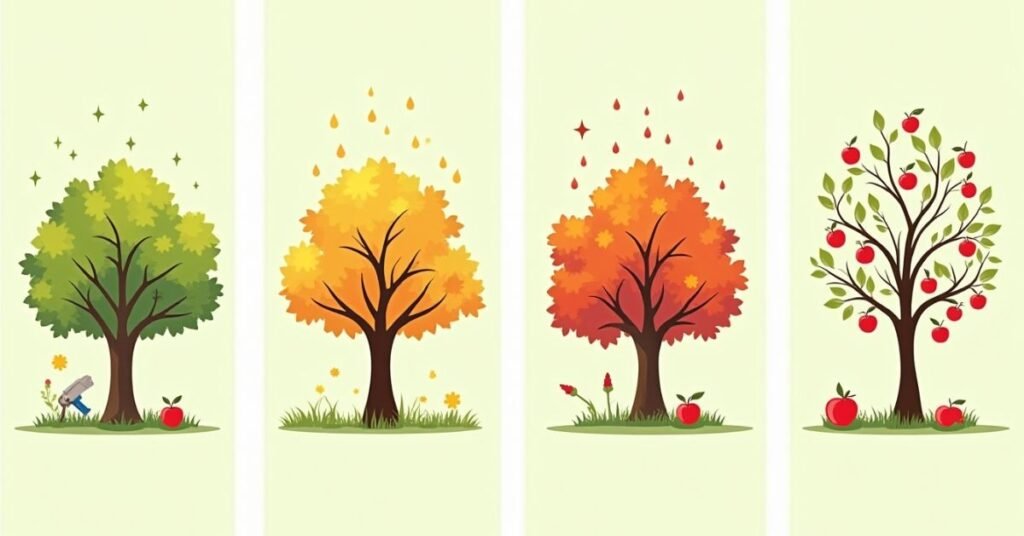
Your apple tree changes with the seasons, so your care routine should too. In the spring, the tree wakes up and needs energy for those beautiful blossoms. During the hot summer months, your main job is keeping the tree hydrated. As the leaves fall in autumn, you prepare the plant for its winter rest.
Following a schedule helps you stay ahead of pests and diseases. It ensures you don’t miss the best time to prune or fertilize. Use the table below to track what your tree needs throughout the year.
| Season | Key Tasks | Goal |
| Late Winter | Prune dead or crossing branches. | Improve airflow and shape. |
| Early Spring | Apply a balanced fertilizer before buds open. | Boost new growth. |
| Late Spring | Thin out small clusters of young fruit. | Grow bigger, better apples. |
| Summer | Water deeply and check for pests. | Prevent heat stress. |
| Early Fall | Harvest ripe fruit and clear fallen apples. | Prevent rot and disease. |
| Late Fall | Add a fresh layer of mulch. | Protect roots from freezing. |
| Winter | Inspect the trunk for cracks or animal damage. | Keep the tree safe while dormant. |
Best Soil & Sunlight for Apple Plants
Your Apple Plant Care needs the right foundation to grow strong. Sunlight is the most important ingredient for sweet fruit. You should pick a spot in your yard that gets full sun all day. Without enough light, the tree will grow slowly and produce fewer apples.
The soil under your feet matters just as much as the sun above. Apple trees hate “wet feet,” which means the roots shouldn’t sit in puddles. You want soil that is rich in nutrients but lets extra water flow away easily. If your dirt is too heavy or sandy, adding some compost can make it just right.
- Sunlight: Aim for at least 6 to 8 hours of direct sun daily.
- Soil Type: Choose loamy soil that is dark and crumbly.
- Drainage: Ensure water doesn’t pool around the trunk after rain.
- pH Level: Ideally, the soil should be slightly acidic to neutral.
Watering & Fertilizing Guide
Water is the lifeblood of your Apple Plant Care, especially when it is young. You want the soil to stay moist but never soggy. A deep soak once a week is usually better than a light sprinkle every day. This helps the roots grow deep into the ground where they can stay cool.
Feeding your tree is just as important as watering it. Think of fertilizer as a multivitamin that helps the tree produce juicy fruit. You should usually feed your tree in early spring before the flowers pop up. Avoid fertilizing too late in the year, as new growth might get hurt by the winter cold.
- If the soil is dry, water it an inch deep.
- Target the roots: Pour water around the base, not on the leaves, to prevent mold.
- Use compost: Spread organic matter around the tree to naturally improve the soil.
- Don’t overfeed: Too much fertilizer can actually burn the roots and damage the plant.
Apple Plant Spray Chart (Organic vs Chemical)
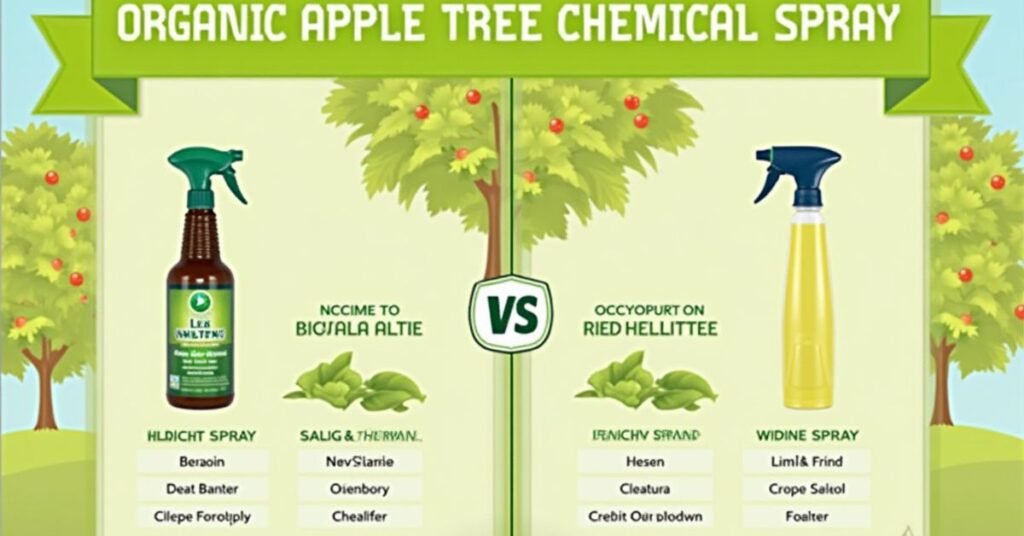
Keeping your apple tree healthy means protecting it from tiny invaders. Pests and diseases can ruin your fruit before you even get a chance to taste it. Some gardeners prefer organic sprays made from natural ingredients like oils or soaps. Others choose chemical sprays because they often work faster and last longer against tough bugs.
Choosing between organic and chemical methods depends on your personal goals. If you want a garden that is safe for all helpful bees, organic is usually the way to go. If you have a massive bug problem that won’t go away, a targeted chemical spray might be necessary. Both methods require careful timing to be effective without hurting the tree.
| Feature | Organic Sprays | Chemical Sprays |
| Ingredients | Natural (Neem oil, sulfur, copper). | Synthetic (Man-made laboratory formulas). |
| Safety | Generally safer for pets and bees. | Can be harsh; requires strict safety gear. |
| Frequency | Needs to be applied more often. | Lasts longer on the leaves and fruit. |
| Speed | Works slowly over several days. | Often kills pests on contact. |
| Cost | Can be more expensive per bottle. | Usually cheaper for large-scale use. |
| Environment | Breaks down quickly in the soil. | Can stay in the environment for a long time. |
| Residue | Leaves very little on the fruit. | May require careful washing before eating. |
Common Apple Plant Problems & Fixes
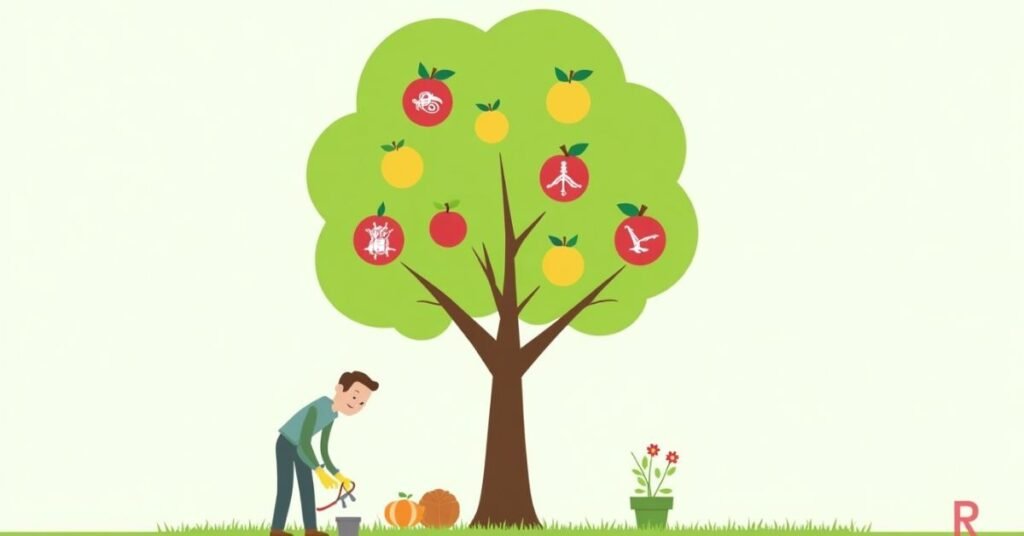
Even the healthiest Apple Plant Care can run into a little trouble. You might notice spots on the leaves or tiny bugs crawling on the stems. Don’t worry, because most of these issues are easy to fix if you catch them early. Keeping a close eye on your tree every week is the best way to stay ahead.
Most problems come from either hungry insects or tiny fungi that love damp leaves. You can solve many issues by simply cleaning up fallen fruit or pruning away sick branches. Using the right fix at the right time will keep your tree producing sweet apples for a long time.
| Common Problem | What It Looks Like | Simple Solution |
| Aphids | Tiny green or black bugs under leaves. | Take a strong blast of water and spray them off. |
| Apple Scab | Dark, corky spots on leaves and fruit. | Rake up fallen leaves and use an organic spray. |
| Powdery Mildew | White, flour-like dust on the branches. | Prune to improve airflow and avoid overhead watering. |
| Codling Moth | Small holes in the fruit with “sawdust” inside. | Use pheromone traps or thin out crowded apples. |
| Deer Damage | Chewed branches or missing young leaves. | Put up a tall fence or use a scent repellent. |
| Fire Blight | Branches that look black and scorched by fire. | Cut off the sick branch 8 inches below the damage. |
| Sunscald | Thin, papery bark that peels off the trunk. | Paint the lower trunk with white interior latex paint. |
| Bitter Pit | Small brown sunken spots under the skin. | Give the tree more calcium and water regularly. |
Pruning Guide for Bigger Apples
Pruning is like giving your Apple Plant Care a haircut to help it grow better. When a tree has too many branches, it struggles to feed all its fruit. By cutting away the extra wood, you help the tree send more energy to the remaining apples. This results in larger, sweeter fruit that is much easier to reach during harvest time.
The best time to prune is in the late winter while the tree is still sleeping. You want to open up the center of the tree to let the sunlight reach every branch. Sunlight acts like fuel for the apples, helping them grow big and red. Follow these simple steps to get your tree in top shape:
- Remove the “Three Ds”: Cut off any branches that are Dead, Damaged, or Diseased.
- Clear the base: Snip away “suckers,” which are tiny sprouts growing from the very bottom of the trunk.
- Thin the top: Cut out branches that grow straight up or cross over each other.
- Shorten long limbs: Trim back the tips of long branches to encourage them to grow stronger.
- Spacing: Make sure there is enough room for a bird to fly through the branches without hitting its wings.
Apple Plant Care in Pots
You can grow delicious apples even if you don’t have a big backyard. Many people use large pots on their balconies or patios to grow fruit. The key is to choose a “dwarf” variety that stays small and manageable. A pot gives you the power to move your tree to the sunniest spot throughout the day.
Since a potted tree has limited soil, it needs a little extra attention from you. The dirt in a container dries out much faster than the ground does. You also need to feed your tree more often because nutrients wash away when you water it. Keep these simple tips in mind to help your potted tree thrive:
- Pick the right pot: Use a container that holds at least 10 to 15 gallons of soil.
- Check for holes: Make sure the bottom has plenty of drainage so the roots don’t rot.
- Water daily: In hot weather, your potted tree might need a drink every single morning.
- Use good potting mix: Never use garden dirt; instead, buy a high-quality mix meant for containers.
- Refresh the soil: Every couple of years, add fresh compost to the top of the pot.
Apple Plant Care Checklist

Keeping an apple tree healthy is much easier when you have a simple plan. A checklist helps you remember the small tasks that make a big difference for your fruit. If you check on your tree once a week, you can spot problems before they get serious. It only takes a few minutes to ensure your plant is thriving.
Think of this list as a friendly reminder for your garden chores. Some tasks happen every day, while others only happen once a year. By ticking off these items, you are giving your tree the best chance to grow big, juicy apples. Here is a handy list to keep your garden on track:
Your Tree Care List
- [ ] Sunlight Check: Is the tree getting at least 6 hours of sun?
- [ ] Water Test: Does the soil feel dry two inches down?
- [ ] Mulch Layer: Is there a thick layer of wood chips around the base?
- [ ] Pest Inspection: Are the leaves free of holes or sticky spots?
- [ ] Weed Removal: Is the area around the trunk clear of tall grass?
- [ ] Branch Health: Have you snipped off any broken or dead twigs?
- [ ] Fruit Thinning: Did you remove extra tiny apples to let the others grow big?
- [ ] Support Check: If the tree is young, is the wooden stake still firm?
Expert Apple Plant Care Tips
The best way to get a huge harvest is to think like a tree. Apple Plant Care love consistency more than anything else. If you water and feed them at the same time each week, they won’t get stressed. A happy, unstressed tree is much better at fighting off bugs and diseases on its own.
One pro secret is to thin out your fruit early in the summer. It feels wrong to pull off tiny apples, but it is the best thing you can do. If you leave too many apples on one branch, they will all stay small and sour. Removing the weakest ones allows the tree to put all its sugar into the biggest, healthiest fruit.
Conclusion
Growing your own apple tree is one of the most rewarding things you can do in a garden. It takes a bit of patience, but the payoff is a harvest of crisp, sweet fruit. By following these simple steps, you turn a small sapling into a strong tree that feeds your family. Every bit of care you give today will lead to a bigger and better harvest next year.
Don’t worry if you make a few mistakes along the way. Even the best gardeners learn something new every season. The most important thing is to keep watching your tree and giving it what it needs. With plenty of sun, water, and a little love, your backyard will soon be filled with beautiful blossoms and delicious apples.
FAQs
1. How long does it take for a new apple tree to grow fruit?
Most young trees start producing apples within 2 to 5 years after planting. This depends on the variety and how much sun they get.
2. Can I grow just one apple tree by itself?
Most apple trees need a different variety nearby to swap pollen and make fruit. However, you can buy “self-fertile” trees if you only have space for one.
3. When is the best time of year to plant my tree?
Early spring is the best time because the ground is soft and the tree is still resting. This gives the roots a chance to settle in before the summer heat hits.
4. Why are my apples falling off the tree before they are ripe?
This is often “June Drop,” where the tree naturally sheds extra fruit it cannot support. It can also happen if the tree is very thirsty or stressed by pests.
5. Do I need to prune my apple tree every single year?
Yes, a quick annual prune in late winter keeps the tree healthy and strong. It prevents the branches from getting too crowded and helps the sun reach the fruit.