
Introduction
The gingelly plant, more commonly known as sesame, is a sturdy flowering plant grown for its nutrient-rich seeds. These tiny seeds are packed with natural oils and have been used in cooking and medicine for thousands of years. While many people only see them on top of a burger bun, the plant itself is a beautiful, tall annual that produces lovely bell-shaped flowers.
Have you ever wondered if you could skip the grocery store aisle and harvest your own “liquid gold” right from your backyard? Growing sesame is surprisingly easy, even if you don’t have a green thumb. It is one of the oldest oilseed crops in the world, prized for its ability to thrive where other plants might wilt.
To get started, follow this guide. We will cover the best soil types, how much sunshine these heat-loving plants crave, and the simple tricks to harvesting your seeds at the perfect time. With just a little bit of space and some patience, you can enjoy fresh, homegrown gingelly in no time.
What Is a Gingelly Plant?
A gingelly plant is the source of the popular sesame seed. It is a tall, upright plant that usually grows between two and four feet high. It features broad green leaves and pretty flowers that look like small bells. These flowers can be white, pink, or even purple, making the plant look great in a garden.
Inside those flowers, the plant grows small pods. These pods hold the tiny seeds we use in our kitchens. People love gingelly because it is very tough and can grow in hot, dry weather. It has been a staple crop for a long time because it provides healthy fats and a delicious, nutty flavor.
Gingelly Plant Growing Basics
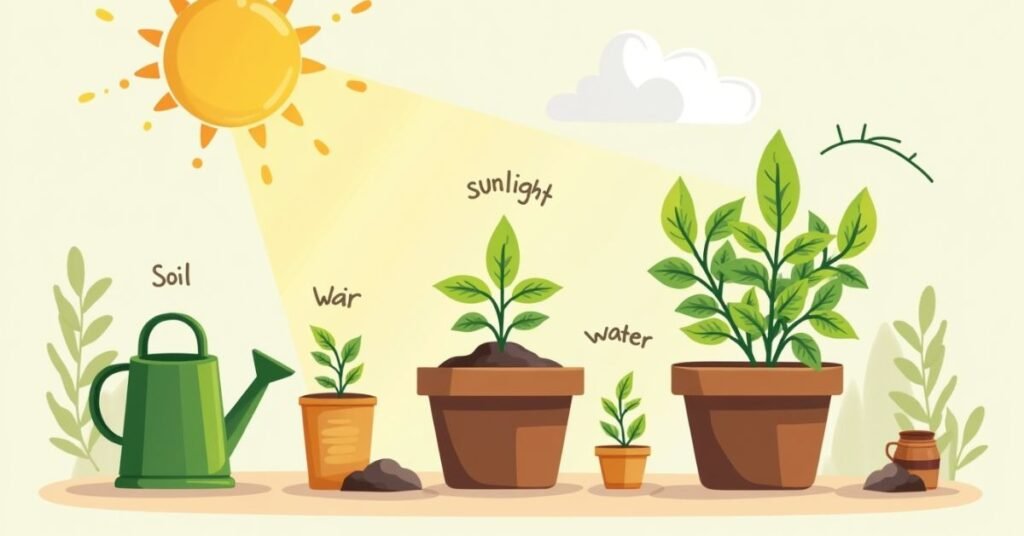
To grow healthy sesame, you need to think about heat and light. These plants love the sun and need a warm spot to thrive. They are very tough and don’t mind a little dry weather once they are established. Just make sure your soil drains well so the roots don’t get too soggy.
Starting your seeds is easy if you follow a few simple steps. You don’t need fancy equipment, just a bit of patience and a sunny patch of dirt. The following points should be kept in mind:
- Sunlight: Aim for at least 6 to 8 hours of full sun every day.
- Soil: Use sandy or loamy soil that lets water flow through easily.
- Spacing: Plant seeds about 12 inches apart so they have room to breathe.
- Watering: Water them regularly at first, but let the soil dry out between soakings.
Best Soil for Gingelly Plant
Gingelly plants are not very picky, but they do have one major rule: they hate “wet feet.” This means you need soil that drains water away quickly. A sandy or loamy soil mix works best because it stays loose and airy. If your garden soil is heavy like clay, the roots might struggle to grow or even rot.
The plant also prefers soil that isn’t too acidic. It likes a neutral environment where it can easily soak up nutrients. Before planting, you can mix in a little compost to give the soil a natural boost. This helps the sesame seeds get a strong start without needing heavy chemicals.
Ideal Climate for Gingelly Plant
The gingelly plant is a true sun-seeker. It thrives in tropical and subtropical regions where the days are long and the air is warm. These plants love heat and can handle temperatures that would make other garden vegetables wilt. If you live in a place with hot summers, your sesame plants will feel right at home.
Because they are so hardy, they don’t need much humidity. In fact, they prefer a drier atmosphere once they start growing tall. However, they are very sensitive to the cold. Even a light frost can damage the crop, so it is important to wait until the ground is nice and warm before you start planting.
- Temperature: They grow best when it is between 75°F and 95°F.
- Sun Exposure: Full sun is a must; they need at least 6 to 8 hours of direct light.
- Rainfall: They like a little rain early on but prefer dry weather as the seeds ripen.
- Frost Warning: Always plant after the very last frost of the spring has passed.
How to Plant Gingelly Seeds
Planting gingelly seeds is a simple and rewarding process. You should wait until the soil feels warm to the touch before you begin. These seeds are very small, so you do not need to bury them deep in the earth. A shallow spot is perfect for helping the tiny sprouts reach the sunlight quickly.
Once you have your sunny spot ready, make sure the soil is loose and free of big rocks. You can plant them in rows or even in large pots if you have limited space. Just remember to give each seed enough room to grow into a tall, sturdy plant.
Step-by-Step Planting Guide
Follow these easy steps to get your sesame garden started:
- Prepare the Bed: Rake the soil until it is fine and smooth.
- Make Shallow Rows: Use your finger to draw a line about half an inch deep.
- Sow the Seeds: Drop the seeds into the row, aiming for one seed every few inches.
- Lightly cover the seeds with soil and pat them down gently.
- Water Softly: Use a spray bottle or a light mist so you don’t wash the tiny seeds away.
- Thin the Sprouts: Once they are a few inches tall, remove the smaller plants so the strongest ones have 12 inches of space.
Watering Tips for Gingelly Plant
Gingelly plants are famous for being drought-tolerant, but they still need a drink to get started. When the plants are young, they need consistent moisture to grow strong roots. Once they are established and tall, you can let the soil dry out much more. They actually prefer drier conditions as they mature and start to produce seed pods.
Overwatering is the biggest mistake you can make with sesame. If the soil stays too wet for too long, the roots can easily rot. It is always better to underwater a little bit than to drown the plant. Watch the leaves; if they look perky and green, your plant is likely very happy with the current moisture level.
- Young Plants: Water them lightly every couple of days to keep the soil surface damp.
- Established Plants: Only water when the top two inches of soil feel completely dry.
- Morning Magic: Always water in the early morning so the sun can dry the leaves during the day.
- Drainage Check: Ensure your pots or garden beds have holes to let extra water escape quickly.
- Late Season: Reduce watering significantly once the seed pods begin to turn brown.
Sunlight Needs of Gingelly Plant
The gingelly plant is a true lover of the sun. To grow big and produce plenty of seeds, it needs lots of direct light every single day. If you plant it in a shady spot, the stems might get thin and weak. Always pick the brightest part of your garden where the sun shines from morning until late afternoon.
In most cases, these plants need at least six to eight hours of full sunlight. They are tropical by nature, so they don’t get “sunburned” easily like some delicate leafy greens. The more light they get, the better the flowers will bloom. High levels of sunshine also help the natural oils develop inside the tiny sesame seeds.
Common Gingelly Plant Pests
Even though the gingelly plant is very tough, a few tiny bugs might still try to snack on it. Most of these pests are small and like to hide under the large green leaves. If you see holes in the leaves or sticky spots on the stems, it is time to take a closer look. Catching these visitors early is the best way to keep your sesame crop healthy.
You don’t always need harsh chemicals to get rid of these pests. Many gardeners use simple soapy water or neem oil to keep the bugs away. Keeping your garden free of weeds also helps because it gives the pests fewer places to hide. If you stay watchful, your plants will stay strong until harvest time.
- Aphids: Tiny green or black bugs that huddle together on new growth.
- Leaf Rollers: Small caterpillars that fold the leaves over to make a little home.
- Gall Flies: These can cause lumpy growths on the flower buds or seed pods.
- Pod Borers: Little worms that try to eat the seeds right inside the pods.
- Whiteflies: Very small white insects that fly up when you shake the plant.
Gingelly Plant Harvest Guide
Harvesting your gingelly plant is all about timing. You need to watch the seed pods carefully as the plant begins to change color. Most of the leaves will turn yellow and start to fall off when the seeds are ready. This usually happens about three to five months after you first planted the seeds.
It is very important to harvest before the pods pop open on their own. If you wait too long, the pods will burst and scatter your precious seeds all over the ground. Look for the pods at the bottom of the stem to turn a light brown color. This is the perfect signal that your “liquid gold” is ready to be gathered.
Step-by-Step Harvesting Guide
Follow these steps to collect your sesame seeds without losing a single one:
- Check the Pods: Look for the lower pods turning brown while the top ones are still green.
- Cut the Stems: Use sharp garden shears to cut the entire stalk near the base of the plant.
- Bundle the Stalks: Tie a few stems together with string to keep them organized.
- Hang to Dry: Place the bundles upside down inside a large paper bag or over a clean cloth.
- Wait for Opening: Let the stalks sit in a warm, dry place until all the pods finish cracking open.
- Shake and Collect: Give the dried bundles a good shake so the seeds fall out into your container.
Gingelly Plant Benefits & Uses
The gingelly plant is a true powerhouse for your health and home. Its seeds are loaded with healthy fats, protein, and calcium that help keep your heart and bones strong. Many people love using the nutty seeds to add a delicious crunch to salads, breads, and stir-fry dishes.
Beyond the kitchen, the oil from these seeds is often called “the queen of oils.” It is widely used in skin care because it helps keep your skin soft and hydrated. In many cultures, the oil is also used for soothing massages and traditional wellness practices. Having a gingelly plant in your garden means you have a natural pharmacy and a gourmet pantry all in one.
Conclusion
Growing your own gingelly plant is a wonderful way to connect with nature. It is a tough, beautiful plant that asks for very little but gives back so much. From its lovely bell-shaped flowers to the healthy seeds you harvest, every stage of its growth is rewarding. Even if you only have a small sunny corner, you can successfully bring this ancient crop into your home garden.
Don’t be afraid to get your hands dirty and start your sesame journey today. With the right sunlight, a bit of warmth, and well-draining soil, you will soon be enjoying your very own homegrown seeds. It is a simple joy to turn a tiny seed into a tall plant that feeds your family. Happy gardening, and enjoy the delicious crunch of your fresh harvest!
FAQs
1. How long does it take for a gingelly plant to grow?
It usually takes between 80 to 120 days from planting the seeds to harvesting the dry pods.
2. Can I grow sesame in a pot or container?
Yes, you can use a large pot with good drainage holes as long as it gets at least 6 to 8 hours of direct sun.
3. Why are my gingelly leaves turning yellow?
If it’s early in the season, you might be overwatering them; if it’s late in the season, it’s a natural sign that the seeds are ripening.
4. Do I need to fertilize my sesame plants often?
No, they are light feeders and usually only need a bit of compost mixed into the soil at the very beginning.
5. How do I know when the seeds are ready to pick?
The seeds are ready when the bottom pods turn brown and just begin to crack open at the tips.