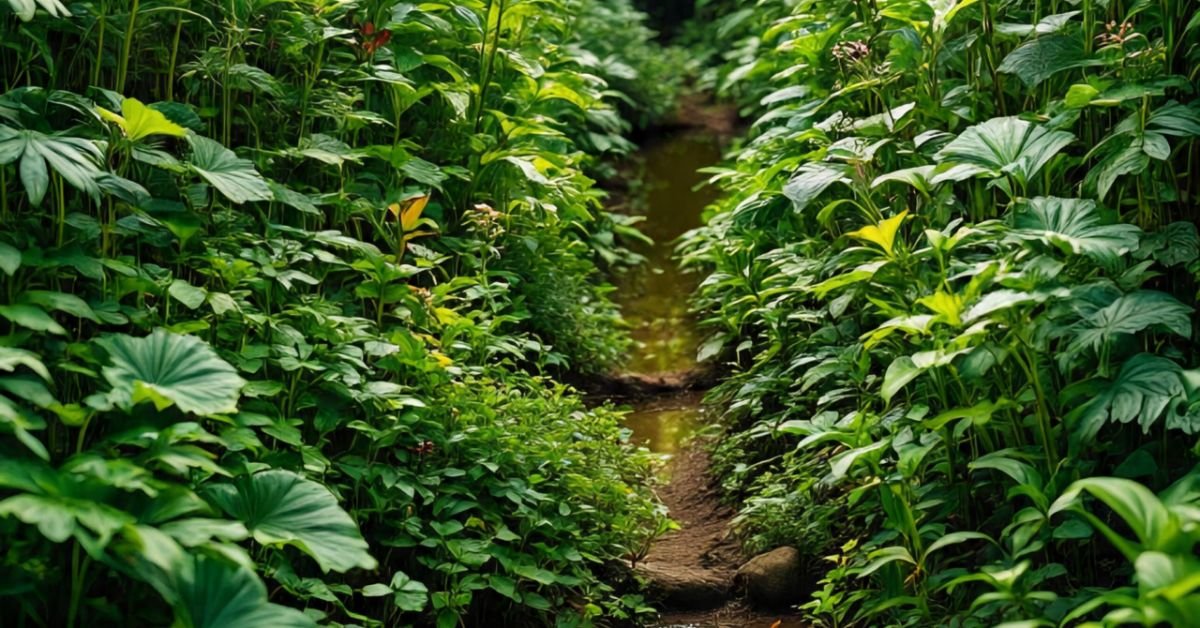
Cover plants for ground climate are essential for protecting soil, suppressing weeds, and reducing water loss in hot regions. In extreme heat, these ground cover plants act as a living shield that keeps the soil cool and stable. They serve as a natural barrier that preserves moisture and maintains the earth’s overall health and fertility.
This heat-tolerant guide focuses on specific plant varieties proven to survive Pakistani summers exceeding 40°C with ease. These varieties are ideal for regions where intense sunlight is common and protecting the ground from direct exposure is a priority. By choosing these plants, you can ensure your garden remains green even during the peak of the summer.
The primary benefit of these ground cover plants is their ability to thrive with minimal maintenance and very little water. These selected varieties effectively lock in soil moisture and prevent evaporation according to the demands of a hot climate. This guide helps you establish a durable, cooling layer for your land with very little effort or resources.
Why Ground Cover Plants Matter in Hot Climates
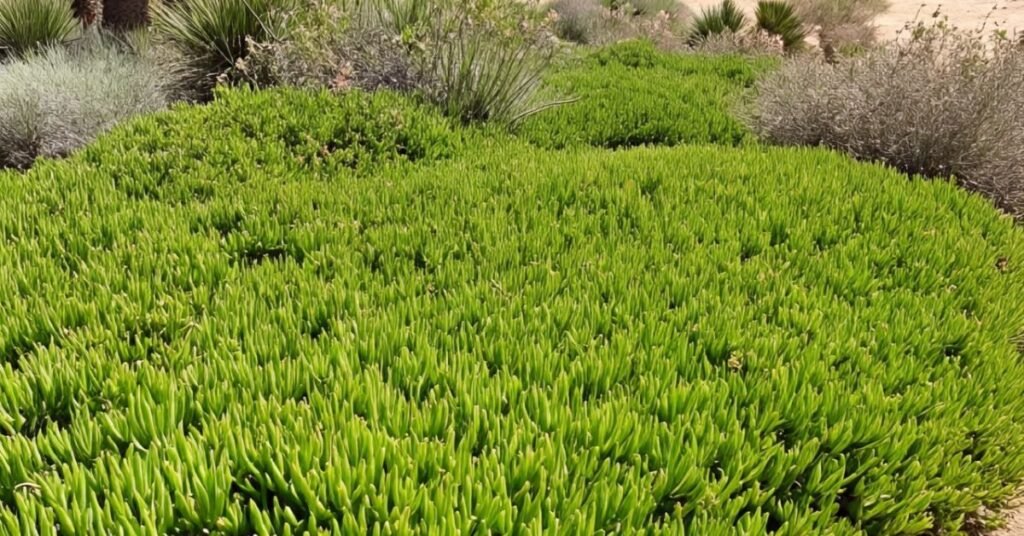
Choosing the right Cover Plants for Ground Climate helps gardens survive extreme heat by reducing evaporation and improving soil stability.
In regions with intense heat and limited rainfall, ground cover plants serve four critical functions:
- Weed suppression – Dense growth blocks sunlight, preventing weed germination
- Soil protection – Roots prevent erosion; foliage shields soil from direct sun
- Water conservation – Reduces evaporation by shading soil surface
- Low maintenance – Once established, requires minimal watering and no mowing
Pakistan Climate Zone Guide: Which Plants Survive Where
Pakistani cities span multiple climate zones. This table shows which ground cover plants survive in your region:
| Climate Zone | Major Cities | Summer Temp | Best Ground Covers |
| Coastal Hot & Humid | Karachi, Hyderabad, Gwadar | 35-42°C | Wedelia, Purple Heart, Asparagus Fern |
| Arid Plains | Lahore, Multan, Faisalabad | 40-48°C | Dichondra, Gazania, Lantana |
| Mountain Temperate | Islamabad, Murree, Abbottabad | 25-38°C | Ajuga, Vinca, Creeping Thyme |
Top Heat-Tolerant Ground Cover Plants for Pakistan
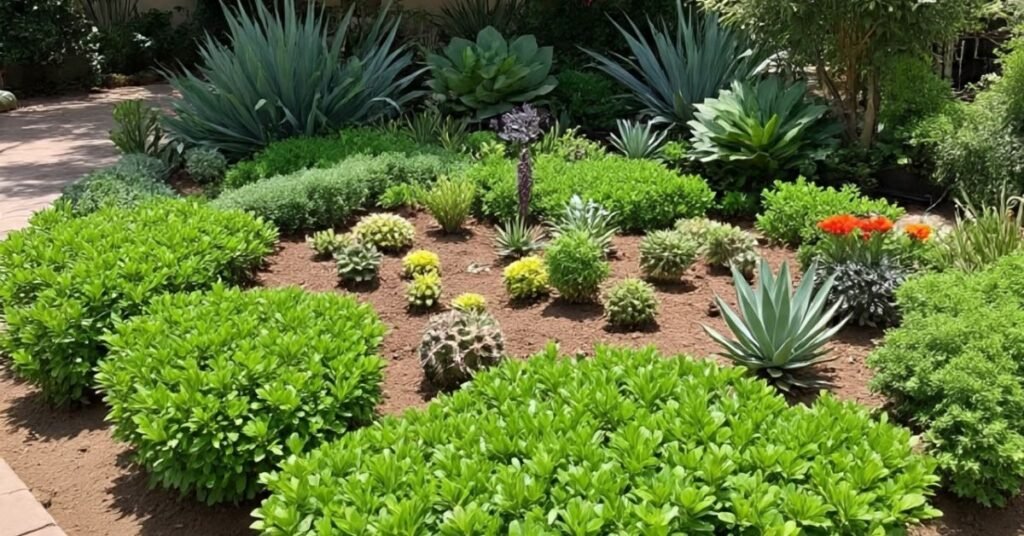
These plants are proven performers in Pakistani gardens, surviving 40°C+ summers with minimal water:
1:Wedelia (Creeping Daisy)
Best for: Coastal and humid regions (Karachi, Hyderabad)
This fast-spreading ground cover produces vibrant, bright yellow flowers that stay beautiful even in tough conditions. It easily tolerates salt spray, high humidity, and direct full sun, provided it receives a deep weekly watering during the harsh summer months. This variety is an excellent choice for large-scale roadside landscaping and expansive open garden areas.
2:Purple Heart (Tradescantia pallida)
Best for: All zones, especially coastal
The striking purple foliage of this plant creates a dramatic visual contrast that enhances the beauty of any landscape. It becomes extremely drought-tolerant once it is fully established and grows vigorously in everything from intense full sun to partial shade. It is a perfect option for modern decorative landscaping and creating vibrant, colorful garden borders.
3:Dichondra (Kidney Weed)
Best for: Arid plains (Lahore, Multan)
Forming a soft, carpet-like alternative to traditional lawns, this plant is perfectly suited for the dry weather of cities like Lahore and Multan. It can tolerate light foot traffic and requires moderate watering, which actually uses about 50% less water than standard grass varieties. It works beautifully for small home gardens and along narrow stone pathways to create a lush green look.
4:Gazania
Best for: Full sun, dry areas
These colorful daisy-like flowers come in brilliant shades of orange, yellow, and red, thriving best in full sun and dry soil conditions. These plants are extremely heat and drought-tolerant, famously opening their petals in the sunlight and closing them tightly as soon as night falls. They are an excellent solution for preventing erosion on slopes and adding bright color to rocky garden terrains.
5:Asparagus Fern
Best for: Shade to partial sun
The feathery foliage of the Asparagus Fern creates a soft, delicate texture that works perfectly in shaded courtyards or around building foundations. It is highly drought-resistant once the plant is mature and can tolerate significant shade under large trees or in the shadow of tall walls. This plant is ideal for adding thick greenery to areas that receive very limited direct sunlight during the day.
6:Lantana (Dwarf Varieties)
Best for: Full sun, extreme heat
These multi-colored flower clusters attract beautiful butterflies and thrive even in neglected areas with very minimal care or specialized soil requirements. While they are best for large open spaces and extreme heat, they can spread aggressively and require regular pruning to stay neatly controlled. They are perfect for gardeners looking for hardy, low-maintenance blooms that can survive the toughest summer conditions.
Plant Selection Quick Reference
| Plant | Sunlight | Water Need | Growth Speed | Foot Traffic |
| Wedelia | Full Sun | Moderate | Fast | Low |
| Purple Heart | Full/Partial | Low | Fast | None |
| Dichondra | Full/Partial | Moderate | Medium | Light |
| Gazania | Full Sun | Low | Medium | None |
| Asparagus Fern | Shade/Partial | Low | Medium | None |
| Lantana | Full Sun | Very Low | Very Fast | None |
How to Plant Ground Cover in Hot Climates
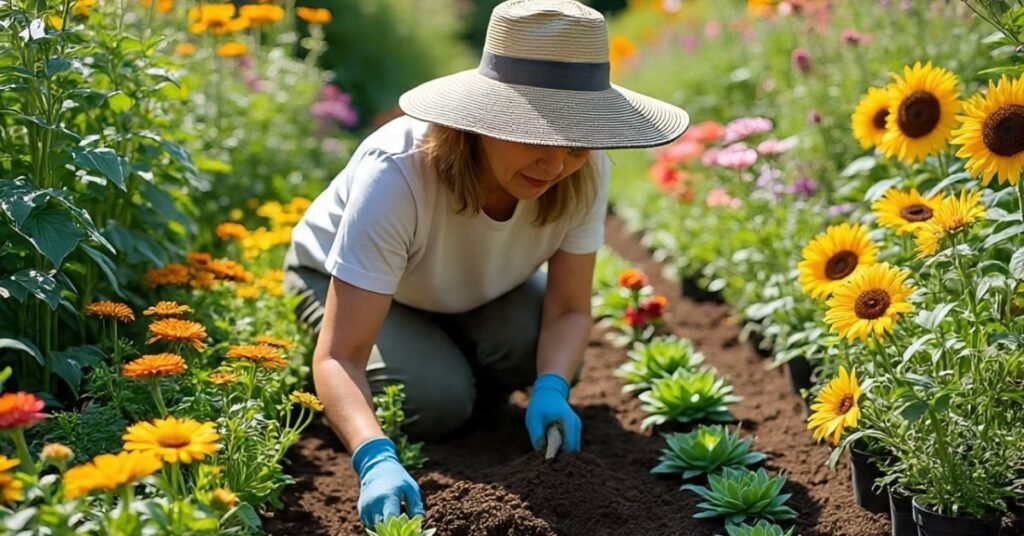
Best Planting Season: October–February (cooler months). Avoid planting May–August when heat stress is highest.
Planting Steps:
- Prepare soil: Remove weeds, add compost if soil is very poor
- Space plants 6-12 inches apart (closer spacing = faster coverage)
- Water daily for first 2 weeks to establish roots
- Reduce to 2-3 times weekly after establishment (3-4 weeks)
- Mulch lightly around plants to retain moisture
3 Mistakes That Kill Ground Cover in Pakistan
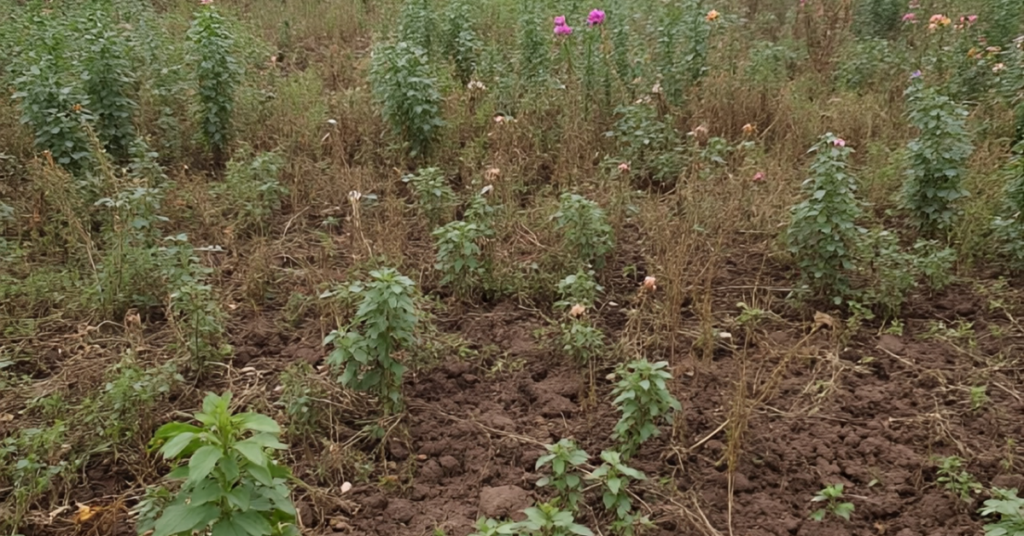
1:Avoid Cold-Climate Varieties
Planting species like Pachysandra, Siberian Cypress, or Creeping Juniper is risky because they cannot survive the intense Pakistani summers. It is much better to stick with heat-proven varieties that are specifically known to thrive in high temperatures. Choosing the right species ensures your garden stays healthy and green throughout the year.
2:Prevent Overwatering Issues
Overwatering established plants is a common mistake that often leads to root rot and various harmful fungal diseases. After the first four to six weeks, most ground covers only require deep watering once or twice per week rather than daily. Proper moisture management helps the root system grow stronger and more resilient against the heat.
3:Timing Your Planting Correctly
Planting in the peak summer heat between May and August often causes heat shock that can quickly kill young, vulnerable plants. For the best survival rates, you should always aim to plant during the much cooler months from October through February. This timing allows the plants to establish themselves before the next harsh summer arrives.
Conclusion
For most Pakistani gardens, start with Wedelia (coastal areas), Dichondra (Lahore/Multan), or Purple Heart (all zones). These three handle extreme heat, require minimal water after establishment, and spread reliably. Avoid cold-climate plants sold in nurseries they will not survive your summer. Focus on heat-proven varieties, plant in cooler months, and water strategically during establishment. Your ground cover will reward you with years of low-maintenance beauty.Selecting proven Cover Plants for Ground Climate ensures long-term soil protection, lower water use, and reliable growth in Pakistan’s hot weather.
FAQs
1:Which ground cover survives Karachi’s humidity?
Wedelia (Creeping Daisy), Purple Heart, and Asparagus Fern handle coastal humidity best. They resist fungal issues common in humid climates.
2:How long until ground cover fills in?
Fast growers (Wedelia, Purple Heart, Lantana) fill 80% coverage in 8-12 weeks. Medium growers (Dichondra, Gazania) take 4-6 months.
3:Can I walk on ground cover plants?
Only Dichondra tolerates light foot traffic. Other varieties crush easily and should not be used as lawns.
4:What’s the best lawn alternative for Lahore?
Dichondra is the top lawn replacement for Lahore’s climate. It uses 50% less water than grass and stays green year-round.
5:Do ground cover plants attract mosquitoes?
No, if drainage is proper. Only standing water attracts mosquitoes. Ensure soil drains well and avoid overwatering.

Jack Rivers is the founder of Plantsopedia, dedicated to making plant care simple, science-backed, and accessible for everyone. With a deep interest in botanical care and plant psychology, he specializes in rare tropical species and organic growth techniques, helping enthusiasts understand the soil, light, and biology behind every thriving plant. When he’s not experimenting with new propagation methods, Jack is busy turning complex horticultural science into practical, everyday advice for home gardeners