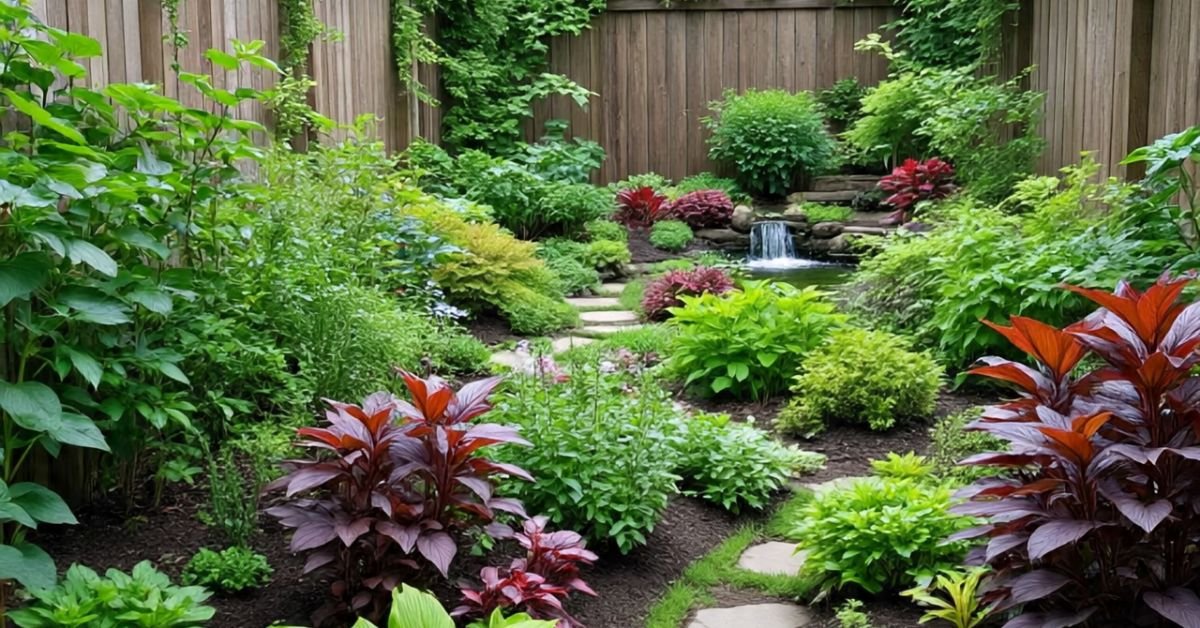
Plants that repel mosquitoes are becoming increasingly popular in the UK as mosquitoes grow more active during British summers (June–September). These plants naturally deter mosquitoes using aromatic oils, but UK gardeners need to choose frost-hardy varieties that can survive cold winters and the country’s changeable climate.
How Mosquito-Repelling Plants Work

These plants emit natural compounds (linalool, citronellal, thymol) that mask human scent and confuse mosquito sensory systems. The effect increases when leaves are brushed or warmed by sunlight making them most effective near seating areas and doorways.
Important: Plants reduce mosquito activity but don’t eliminate them. Combine with removing standing water and using fans for best results.
Frost Hardiness: Which Plants Survive British Winters

CRITICAL: Most “mosquito-repelling plants” sold online are tropical and will die in UK frost. This table shows what survives outdoors year-round vs. what needs winter protection:
| Plant | Min Temperature | UK Hardiness | Winter Care |
| Lavender | -15°C | FULLY HARDY | Leave outdoors year-round |
| Rosemary | -10°C | FULLY HARDY | Leave outdoors year-round |
| Thyme | -15°C | FULLY HARDY | Leave outdoors year-round |
| Basil | 10°C (dies below) | TENDER | Summer only OR indoors |
| Citronella Grass | 0°C (dies in frost) | NOT HARDY | Move indoors by October |
| Marigolds | 0°C (dies in frost) | ANNUAL | Replant each spring |
Mosquito Season: When to Plant & When to Protect
| Season | Mosquito Activity | Plant Care Action |
| Mar–May | Low activity (too cold for mosquitoes) | Plant hardy herbs outdoors. Start tender plants indoors. |
| Jun–Sep | PEAK ACTIVITY – warm, humid nights | Move tender plants outdoors. Crush leaves regularly. |
| Oct–Nov | Declining activity (cooler temps) | Move tender plants indoors before first frost. |
| Dec–Feb | No activity (dormant) | Hardy plants dormant. Tender plants stay indoors. |
Top 5 Plants That Repel Mosquitoes UK Gardens
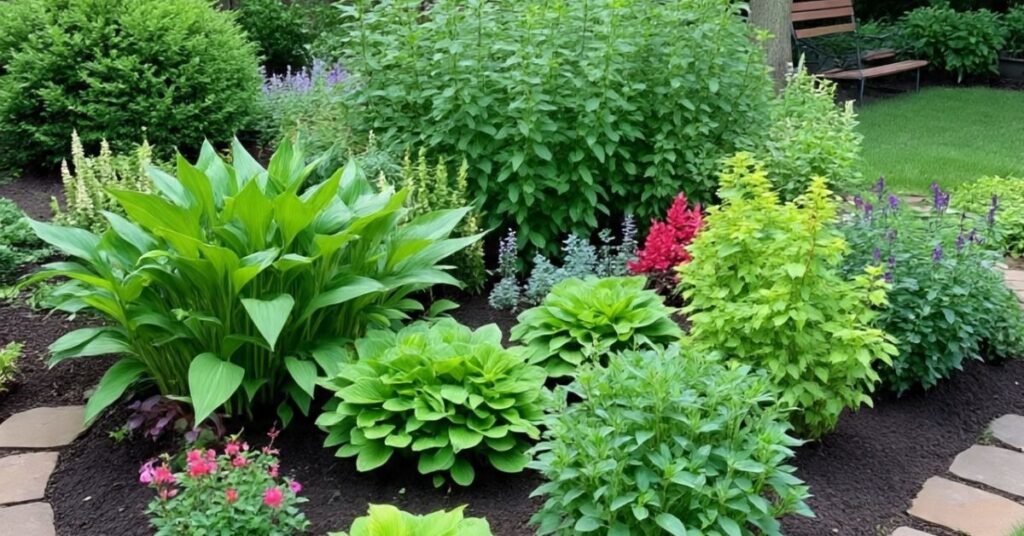
These plants are proven effective and suitable for British climate conditions:
1. Lavender
Best for: Sunny spots, borders, pots
Fully hardy to -15°C. Thrives in well-drained soil and full sun. The strongest natural mosquito deterrent available in UK gardens. Prune after flowering to maintain shape.
2. Rosemary
Best for: Patios, kitchen gardens, pots
Hardy to -10°C. Woody herb with pine-scented leaves that repel mosquitoes and flies. Prefers dry conditions avoid overwatering. Dual-purpose: cooking and pest control.
3. Thyme (Creeping & Common)
Best for: Ground cover, pathway edges, pots
Extremely hardy to -15°C. Low-growing with strong aromatic oils. Tolerates light foot traffic (creeping varieties). Ideal for small spaces and container gardens.
4. Basil (Tender – Summer Only)
Best for: Kitchen windowsills, summer containers
NOT frost-hardy. Plant outdoors June–September only OR grow indoors year-round. Strong scent repels mosquitoes without crushing leaves. Must be protected from temperatures below 10°C.
5. Catnip
Best for: Garden borders (contained areas)
Hardy perennial. Scientifically proven stronger mosquito repellent than DEET. Warning: spreads aggressively grow in pots or contained beds. Attractive to cats but safe for pets.
Best Plants for Balconies & Small Spaces
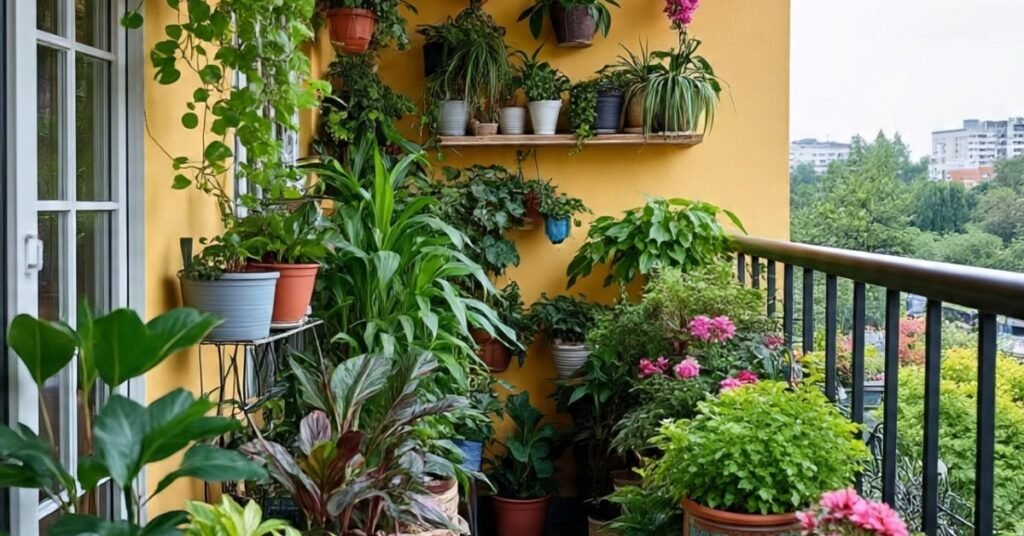
Limited space? These compact, container-friendly options work in flats and small gardens:
- Lavender in 20cm pots – Place near seating areas or doorways
- Rosemary as a mini hedge – Line balcony edges
- Thyme in window boxes – Low-maintenance, drought-tolerant
- Basil indoors on sunny windowsills – Year-round protection
Pro tip: Combine 2-3 plant types for stronger effect. Crush leaves occasionally to release oils.
How to Use These Plants Effectively
- Place near doors and windows – Natural entry barriers
- Position around seating areas – Waist-height for best scent distribution
- Brush leaves regularly – Releases more aromatic oils
- Combine multiple varieties – Layered protection works best
- Remove standing water – Plants reduce activity but won’t prevent breeding
3 Mistakes Gardeners Make

1. Leaving tropical plants outdoors in winter
Citronella, basil, and marigolds die in frost. Move indoors by October or treat as annuals.
2. Expecting instant results
Plants reduce mosquito activity over days/weeks, not instantly. Combine with other methods for faster results.
3. Using only one plant
Single plants have limited effect. Use 3-5 plants in combination for noticeable mosquito reduction.
Conclusion
For reliable results, plants that repel mosquitoes UK homeowners choose should always be frost-hardy and suited to local conditions. For year-round UK gardens, prioritize hardy plants: lavender, rosemary, and thyme. These survive British winters and provide continuous protection during mosquito season (June–September). Use basil as a summer-only addition or grow it indoors year-round.
Always check frost hardiness before planting most “mosquito-repelling plants” sold online are tropical and will fail in UK winters. Combine 3-5 plants, place them strategically near entry points and seating areas, and remember to remove standing water for best results.
FAQS
1:Do these plants survive winters?
Lavender, rosemary, and thyme survive outdoors year-round. Basil, citronella, and marigolds need winter protection or must be replanted in spring.
2:When is mosquito season in the UK?
June–September, peaking in warm, humid weather. Mosquito activity is highest near standing water and during evening hours.
3:Can I use these plants indoors?
Yes. Basil, lavender (dwarf varieties), and thyme work indoors near windows. Ensure bright light and good drainage.
4:Are these plants safe for pets?
Lavender, basil, rosemary, and thyme are generally safe. Catnip attracts cats but is non-toxic. Always monitor pet interaction with any plants.
5:What’s the strongest mosquito-repelling plant?
Catnip is scientifically proven most effective, followed by lavender. Combine both for best results in UK gardens.

Jack Rivers is the founder of Plantsopedia, dedicated to making plant care simple, science-backed, and accessible for everyone. With a deep interest in botanical care and plant psychology, he specializes in rare tropical species and organic growth techniques, helping enthusiasts understand the soil, light, and biology behind every thriving plant. When he’s not experimenting with new propagation methods, Jack is busy turning complex horticultural science into practical, everyday advice for home gardeners