
Introduction
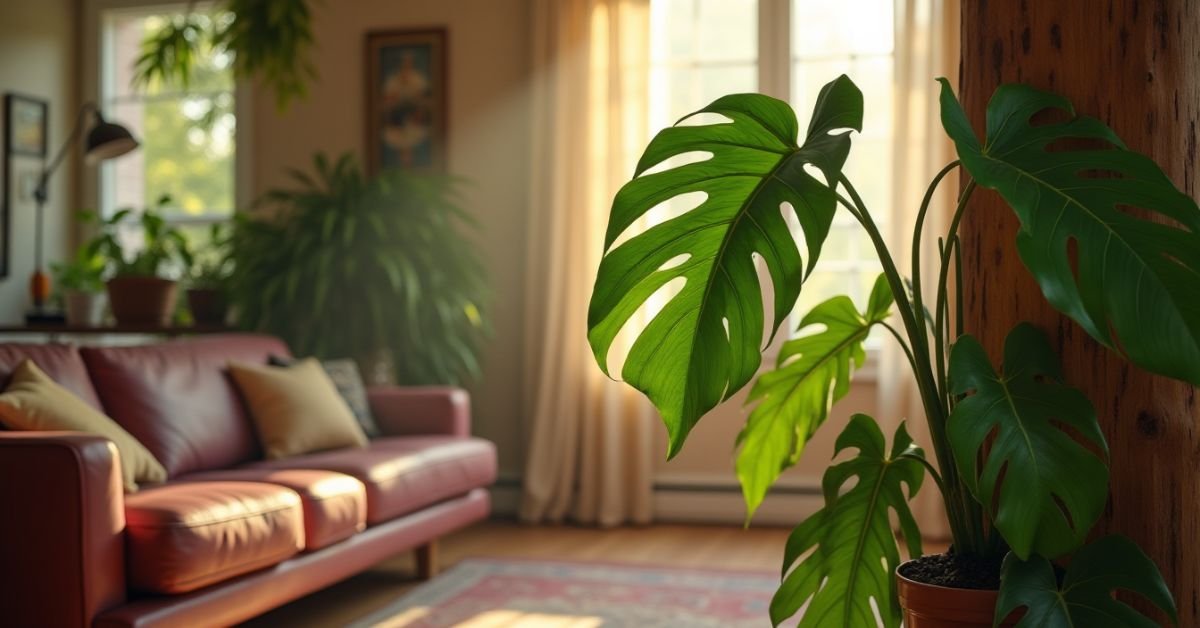
The Dragon Tail plant, or Epipremnum pinnatum, is a stunning tropical vine known for its unique leaves. When the plant is young, the leaves are small and shaped like a simple oval. As it matures and climbs, the foliage develops deep splits that look just like a dragon’s tail. It is a hardy evergreen that belongs to the same family as the popular Pothos.
Have you ever wanted a plant that looks like a rare jungle treasure but doesn’t act like a “drama queen”? Most exotic-looking plants are notoriously difficult to keep alive indoors. The Dragon Tail breaks that rule entirely by being incredibly resilient. It offers the dramatic, structural beauty of a Monstera without the high-maintenance demands.
To ensure that your plant thrives, follow this guide. We will cover the spiritual meaning behind its name and the best lighting conditions for growth. You’ll also learn simple watering tricks and how to use a moss pole to encourage those iconic split leaves.
Dragon Tail Plant Overview
The Dragon Tail plant is a beautiful climbing vine from the tropical forests of Asia and Australia. It is a close relative of the common Pothos but looks much more exotic as it grows. When the plant is young, it has simple, solid green leaves. As it gets older and climbs upward, the leaves develop deep splits that look like a dragon’s tail. This unique transformation makes it a favorite for indoor gardeners who want something a bit different.
One of the best things about this plant is how easy it is to keep happy. It is very tough and can handle a variety of lighting conditions in your home. You can let it trail down from a hanging basket or give it a pole to climb. If you give it something to hold onto, the leaves will grow much larger and more dramatic. It is a perfect choice for anyone who wants a “jungle look” without a lot of extra work.
Dragon Tail Plant Origin
The Dragon Tail plant originally comes from the warm, tropical regions of Asia and Northern Australia. In the wild, you can find it growing in lush rainforests where the air is very humid. It naturally likes to climb up the trunks of large trees to reach for the sunlight. Because it comes from such a warm climate, it loves bright light and stays green all year round.
The scientific name for this plant is Epipremnum pinnatum. Even though it looks like a rare find, it is actually a close relative of the common Pothos. It has spent thousands of years adapting to the shaded forest floor and the bright canopy above. This history is why it is so tough and adaptable when you bring it into your home. It brings a small piece of the ancient jungle right to your living room.
Dragon Tail Plant Leaf Features
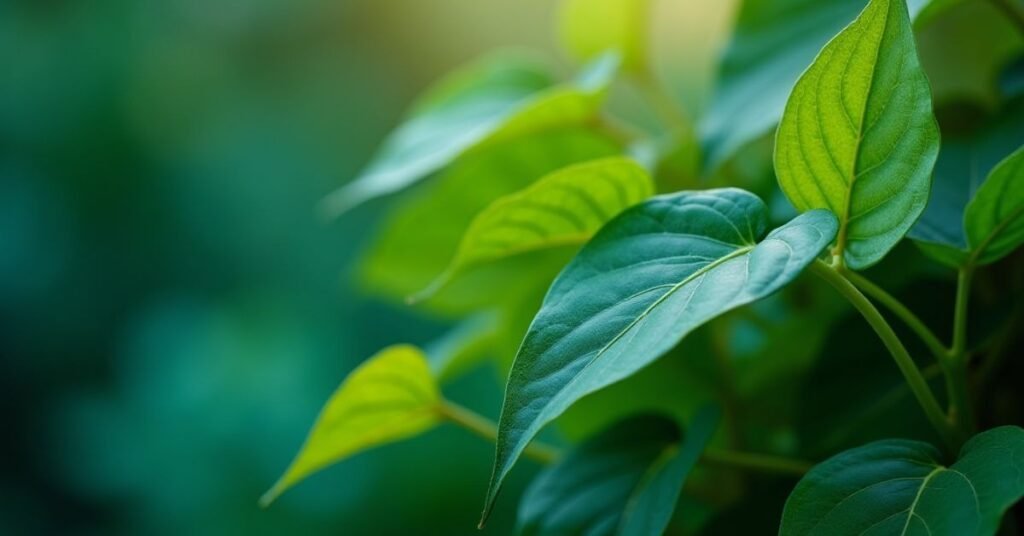
The most exciting thing about this plant is how its leaves change as they grow. When the plant is young, the leaves are small, solid, and shaped like a heart. As the vine climbs higher, the new leaves begin to develop deep slits along the edges. These splits give the foliage a feathery look that resembles a dragon’s tail. The texture is usually smooth and waxy, which helps the plant hold onto moisture.
Most Dragon Tail plants have a deep, glossy green color that looks very healthy indoors. However, some special varieties have splashes of silver or white on the surface. These patterns make every single leaf look like a unique piece of art. If you give the plant a moss pole to climb, the leaves will naturally grow much larger and more dramatic over time.
- Juvenile Phase: Small, solid, heart-shaped leaves.
- Mature Phase: Large leaves with deep, finger-like splits.
- Texture: Thick, waxy, and shiny surface.
- Color: Rich forest green (sometimes with variegation).
Dragon Tail Plant Care Guide
Taking care of a Dragon Tail plant is simple and rewarding. It loves bright, indirect sunlight but can also grow in lower light. You should only water it when the top inch of soil feels dry to the touch. This plant prefers a chunky soil mix that drains water quickly. If you keep it in a warm spot with some humidity, it will grow much faster.
This plant is very hardy and can handle a bit of neglect. However, it truly shines when it has something to climb on. Using a moss pole helps the roots “grab” onto a surface, which mimics its natural home. This extra support is the secret to getting those beautiful, split leaves. It is a perfect choice for beginners or busy plant lovers.
- Light: Bright, indirect light is best (avoid direct afternoon sun).
- Watering: Water thoroughly only when the top of the soil is dry.
- Humidity: Loves a regular misting or a pebble tray nearby.
- A balanced liquid fertilizer should be applied once a month during spring and summer.
Best Light for Plant
Finding the right light for your Dragon Tail plant is the secret to those beautiful split leaves. In nature, this plant grows under the leafy canopy of tall trees. This means it loves bright, filtered light that mimics a sunny forest floor. You should place it near a window where it can see the sky but not the harsh, direct sun. If the light is too dim, the leaves will stay small and won’t develop their iconic “tail” shape.
While it is a very tough plant, too much direct sunlight can be a problem. Hot afternoon sun can actually scorch the waxy leaves and leave brown burn marks. On the other hand, it can survive in lower light, but it will grow much slower. A spot with soft morning light or a few feet away from a bright window is usually perfect. This balance keeps the deep green color looking rich and healthy.
- An ideal location would be near a north or east-facing window.
- Bright Indirect Light: Best for fast growth and leaf splitting.
- Low Light: Tolerated, but leaves will remain small and solid.
- Avoid: Harsh, direct midday sun which can bleach or burn the foliage.
Best Soil for Dragon Tail Plant
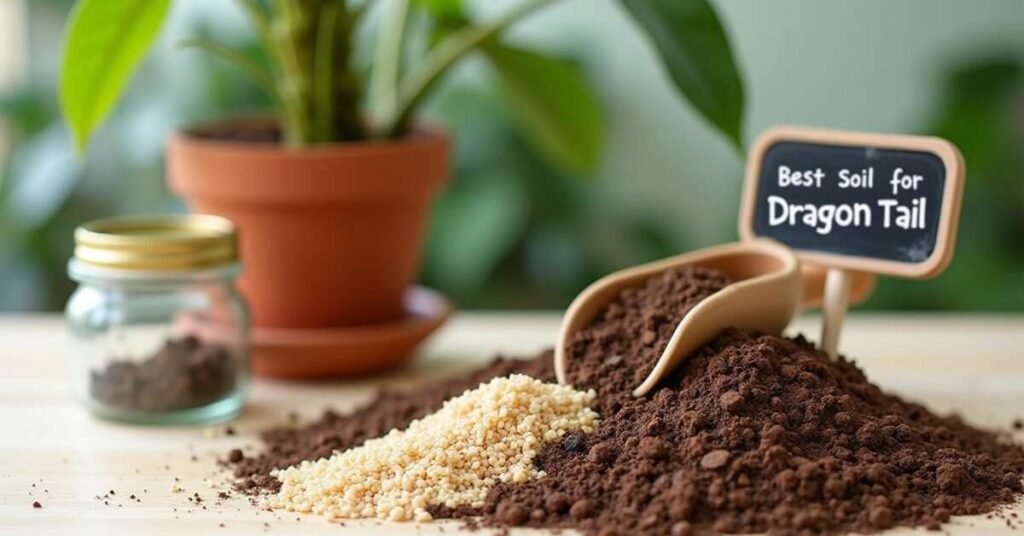
Choosing the right soil is the best way to keep your Dragon Tail plant happy. In the wild, these plants grow on trees and forest floors where water drains away quickly. They do not like to sit in soggy, heavy mud because it can hurt their roots. A mix that is light and airy will help the roots breathe and grow strong. You want a soil that stays moist but never stays soaking wet.
A great soil mix usually has a few different ingredients mixed together. Most indoor plant experts recommend using a “chunky” blend. This means adding things like orchid bark or perlite to a standard potting mix. These pieces create small air pockets in the dirt, which mimics the forest floor. This simple change can make a huge difference in how fast your plant grows.
| Ingredient | Purpose | Why it Helps |
| Potting Mix | Base | Provides a stable home for the roots. |
| Perlite | Drainage | An ideal location would be near a north or east-facing window. |
| Orchid Bark | Air Pockets | Allows the roots to breathe, just like in the jungle. |
| Coconut Coir | Moisture | Holds onto just enough water without being soggy. |
| Horticultural Charcoal | Freshness | Helps keep the soil clean and prevents bad smells. |
| Worm Castings | Nutrients | Acts as a gentle, natural food for the plant. |
Dragon Tail Plant Watering Tips
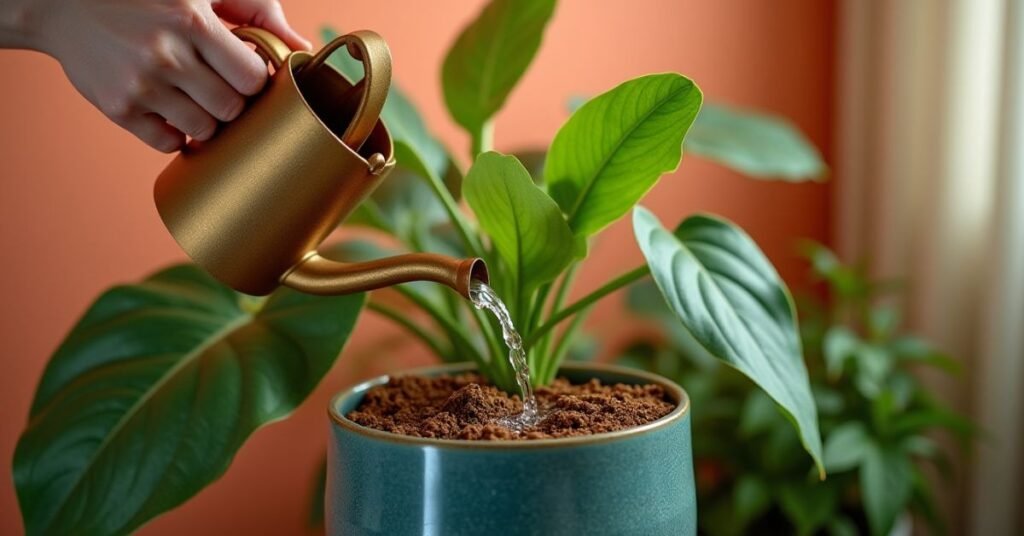
Watering your Dragon Tail plant is all about finding a good balance. It is much better to underwater this plant than to overwater it. In the wild, it grows on trees where water drains away quickly. You should always wait until the top inch or two of soil feels dry before you add more water. If the soil stays soggy for too long, the roots can get sick and stop growing.
The best way to water is to give it a deep soak until water comes out of the drainage holes. This ensures that all the roots get a good drink. During the warm spring and summer months, your plant will need more frequent watering. In the winter, when growth slows down, you can cut back and let the soil stay dry for longer. This simple routine keeps the leaves looking shiny and healthy.
- Check the Soil: Stick your finger in the dirt to see if it is dry.
- Drainage is Key: Always use a pot with holes at the bottom.
- Yellow Leaves: This is often a sign that you are watering too much.
- Drooping Leaves: This usually means your plant is thirsty and needs a drink.
- Water Type: Using filtered or rainwater at room temperature is a great choice.
Dragon Tail Plant Propagation Steps
Growing a new Dragon Tail plant from your current one is very easy and fun. This plant grows in segments along a long vine. Each segment has a tiny brown bump called a “node.” This node is where new roots will grow once it is placed in water or soil. It is a great way to share your plant with friends or make your own plant look much fuller.
The best time to take a cutting is during the spring or summer. This is when the plant is most active and will grow roots the fastest. You only need a small piece of the vine and a little bit of patience. In just a few weeks, you will see tiny white roots starting to poke out. This simple process is one of the most rewarding parts of being a plant lover.
- Find a Healthy Vine: Look for a long, green stem with several leaves.
- Locate a Node: Find the small, brown bump where a leaf meets the stem.
- Make the Cut: Use clean scissors to cut about an inch below the node.
- Remove Lower Leaves: Take off any leaves that are too close to the bottom.
- Place in Water: Put the cutting in a glass of water, making sure the node is submerged.
- Wait for Roots: Change the water every few days and wait for roots to grow an inch long.
- Plant in Soil: Move your new plant into a small pot with fresh, chunky soil.
Dragon Tail Plant Problems & Solutions
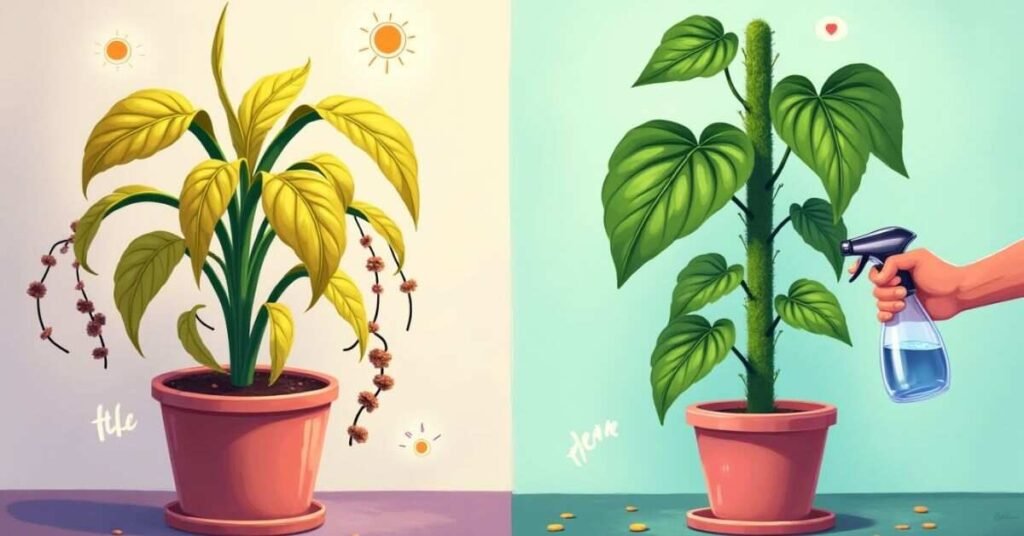
Even the toughest plants can run into a few issues now and then. Most Dragon Tail plant problems are easy to fix if you catch them early. Usually, the plant is just trying to tell you that it needs a little more light or a little less water. Watching the color and shape of the leaves is the best way to understand what is wrong. With a few simple changes, your plant will be back to its beautiful, glossy self in no time.
If you see something unusual, do not panic. Most common issues like yellow leaves or brown tips are very normal for indoor gardeners. The key is to check the soil and the light first. This plant is very resilient and can bounce back quickly once you solve the problem. Keeping a close eye on the vines will help you keep your jungle looking healthy and green.
| Problem | Possible Cause | Simple Solution |
| Yellow Leaves | Overwatering | Before watering again, allow the soil to dry completely. |
| Brown Leaf Tips | Low Humidity | Mist the leaves or use a small humidifier nearby. |
| Small Leaves | Not Enough Light | Move the plant closer to a bright, indirect window. |
| Drooping Vines | Thirsty Plant | Give the soil a deep soak until water drains out. |
| No Leaf Splits | Needs a Climb | Provide a moss pole or trellis for the plant to grip. |
| Pale or Bleached Leaves | Too Much Direct Sun | Move the plant away from harsh, midday sunlight. |
| Sticky Residue | Pests (like Mealybugs) | Wipe the leaves with a damp cloth and mild soapy water. |
| Slow Growth | Needs Food | The best liquid fertilizer to use in the spring and summer is one that is balanced. |
Dragon Tail Plant Indoor Growing Tips
Growing a Dragon Tail plant inside your home is a great way to create a jungle vibe. These plants are very adaptable and do not need a lot of space to start. You can place them on a high shelf and let the vines trail down toward the floor. They also look amazing when they climb up a wall or a wooden stake. The most important thing is to give them a consistent spot where they feel happy.
To get the best results, try to mimic a tropical environment indoors. This means keeping the air around the plant from getting too dry, especially in the winter. You should also keep your plant away from cold drafts or air conditioning vents. If you wipe the dust off the leaves once a month, they will stay shiny and healthy. This simple routine helps the plant “breathe” better and soak up more light.
- Placement: Keep it in a room with a steady temperature between 18°C and 27°C.
- Support: Give it a moss pole to encourage larger, split leaves.
- Cleaning: Gently wipe the glossy leaves with a damp cloth to remove dust.
- Pruning: Snip off any yellow or dead leaves to keep the plant looking tidy.
- Rotation: Turn the pot every few weeks so all sides get equal sunlight.
Conclusion
The Dragon Tail plant is a wonderful choice for anyone who loves nature. It is easy to care for and grows beautifully with very little effort. Watching the leaves change from simple hearts into dramatic split tails is truly rewarding. Whether you are a beginner or an expert, this plant brings a special touch of the jungle into your home.
Starting your journey with this tropical vine is a great way to practice your gardening skills. Just remember to give it bright light, a little water, and a sturdy pole to climb. If you follow these simple steps, your plant will stay healthy and green for many years. It is more than just a decoration; it is a living piece of art that grows right along with you.
FAQs
1. Does the Dragon Tail plant harm pets?
Yes, this plant is toxic to cats and dogs if they chew on it. It contains calcium oxalate crystals that can cause mouth irritation and tummy upset.
2. How fast does a Dragon Tail plant grow?
It is a fast grower, especially during the warm spring and summer months. If it has a moss pole to climb and plenty of light, it can grow several feet in a single season.
3. Why are my Dragon Tail leaves not splitting?
Your plant likely needs more bright, indirect light or a pole to climb. The leaves usually only develop splits once the plant begins to climb upward and matures.
4. Can I grow a Dragon Tail plant in water forever?
Yes, you can keep the plant in water long-term, but it will grow much slower. For the largest leaves and best health, it is eventually better to move it into a chunky soil mix.
5. How often should I fertilize my plant?
You should feed your plant once a month during the spring and summer using a balanced liquid fertilizer. Avoid feeding it in the winter when the plant is resting.