
Introduction
Growing Berry Plant at home means cultivating your own patches of vibrant, edible fruits right in your backyard or on a balcony. These plants are perennial shrubs or vines that produce small, fleshy fruits known for their intense flavors and high antioxidant levels. From sprawling strawberries to upright blueberry bushes, “homegrown” simply means taking control of the soil and sunshine to produce food that is fresher than anything in a store.
Imagine stepping outside in the morning and picking a handful of sun-warmed raspberries for your cereal. There is a massive difference between the tart, woody berries found in plastic grocery containers and the sugar-sweet explosion of a berry ripened on the vine. Once you taste the results of your own labor, those store-bought versions will never quite hit the spot again.
This guide will walk you through the essential steps to start your own berry patch, regardless of your experience level. We will cover how to choose the right varieties for your climate, the best ways to prep your soil, and simple maintenance tips to keep your plants productive. With just a little bit of planning, you can turn a small corner of your garden into a permanent source of sweet treats.
Berry Plant Beginner Guide
Starting a berry garden is easier than most people think. You don’t need a huge farm to get a great harvest. Many berries grow perfectly in small pots or simple garden beds. All they really need is plenty of sunlight and regular watering. With these basics, your plants will thrive and produce fruit year after year.
Choosing the right plant is the first step toward success. Strawberries are great for beginners because they grow quickly. Blueberries are wonderful too, but they prefer acidic soil to stay healthy. This guide will help you pick the best berry for your space. Soon, you will be enjoying fresh, sweet fruit right from your own home.
Best Berry Plant Types

Picking the right berry depends on your space and how much sun you get. Some berries grow on low vines, while others grow on tall, woody bushes. Most beginners find that starting with one or two reliable types is the best way to learn. Here are a few favorites that are easy to manage at home:
- Strawberries: These are perfect for small spaces and hanging pots. They grow fast and give you fruit in the very first year.
- Blueberries: These bushes look beautiful in a garden and live for a long time. They just need special “acidic” soil to stay happy.
- Raspberries: These plants are very hardy and spread easily. They are great if you have a fence or a trellis for them to climb.
- Blackberries: These are tough plants that produce tons of fruit. You can even find “thornless” versions so you don’t get scratched while picking.
Each of these plants has its own personality and needs. For example, some prefer the morning sun, while others can handle heat all day long. Think about what you like to eat most before you start planting. Once you choose your favorite, you are halfway to a delicious harvest.
How to Grow a Berry Plant
Growing your own berries is all about giving the roots a cozy home. You should start by picking a spot that gets at least six hours of bright sunlight every day. Dig a hole that is twice as wide as the plant’s root ball so the roots can spread out easily. Mixing in some organic compost will give your new plant the energy it needs to start growing fast.
Once your plant is in the ground, it needs consistent care to produce sweet fruit. Keep the soil moist but not soggy, and add a layer of mulch to keep the roots cool. Following these simple steps will help your berry plant stay healthy and strong:
- Pick your spot: Find a sunny area with well-draining soil.
- Prepare the hole: Dig deep and add compost or aged manure.
- Plant carefully: Place the berry plant at the same depth it was in its pot.
- Water well: Give it a good soak immediately after planting.
- Add mulch: Spread wood chips or straw around the base to hold in moisture.
Berry Plant Soil & Sun Needs
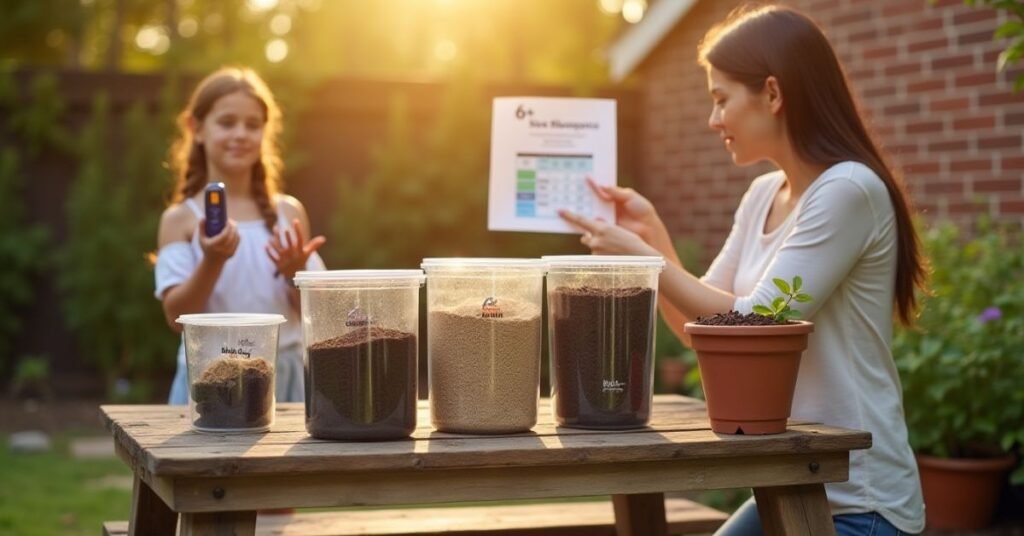
Most berry plants love the sun more than anything else. You should find a spot in your garden that gets at least six to eight hours of direct sunlight. This bright light helps the plant create the sugar needed for sweet fruit. Without enough sun, your berries might stay small or taste a bit sour.
The soil is just as important as the sunshine. Berries prefer soil that drains well so their roots do not sit in puddles. Adding organic compost or aged manure helps the soil stay rich and crumbly. Different berries have different needs, so it is helpful to check what your specific plant likes before you start digging.
| Berry Type | Sunlight Needs | Soil Type | Best pH Level |
| Strawberries | Full Sun (6-8 hours) | Sandy loam, well-draining | 5.5 to 6.5 |
| Blueberries | Full Sun (6-8 hours) | Peaty, acidic soil | 4.5 to 5.2 |
| Raspberries | Full Sun to Partial Shade | Rich, loamy soil | 6.0 to 6.8 |
| Blackberries | Full Sun (6-8 hours) | Fertile, well-draining | 5.5 to 7.0 |
| Gooseberries | Partial Shade to Full Sun | Moist, heavy loam | 6.0 to 6.5 |
| Currants | Partial Shade | Cool, moist soil | 6.0 to 6.5 |
| Elderberries | Full Sun to Partial Sun | Moist, fertile soil | 5.5 to 6.5 |
Plant Care Tips
Taking care of your berry plants is easy if you pay attention to their daily needs. The most important thing is to water them regularly, especially when the weather is hot and dry. Most berries have shallow roots that can dry out quickly. Giving them a steady drink of water will help the fruit grow large and juicy instead of small and shriveled.
Protecting your harvest is another key part of berry care. Many birds and small animals love sweet berries just as much as you do. You might need to use a bit of light netting or a fence to keep your hard-earned fruit safe. Here are a few simple tips to keep your berry plants healthy all season long:
- Water deeply: Aim for the base of the plant to keep the leaves dry.
- Add mulch: Use wood chips or straw to keep the soil moist and stop weeds.
- Feed the soil: Use a balanced organic fertilizer in early spring.
- Prune often: Cut away dead or old branches to let new ones grow.
- Watch for pests: Check the leaves for any small bugs or holes.
Berry Plant Problems & Fixes
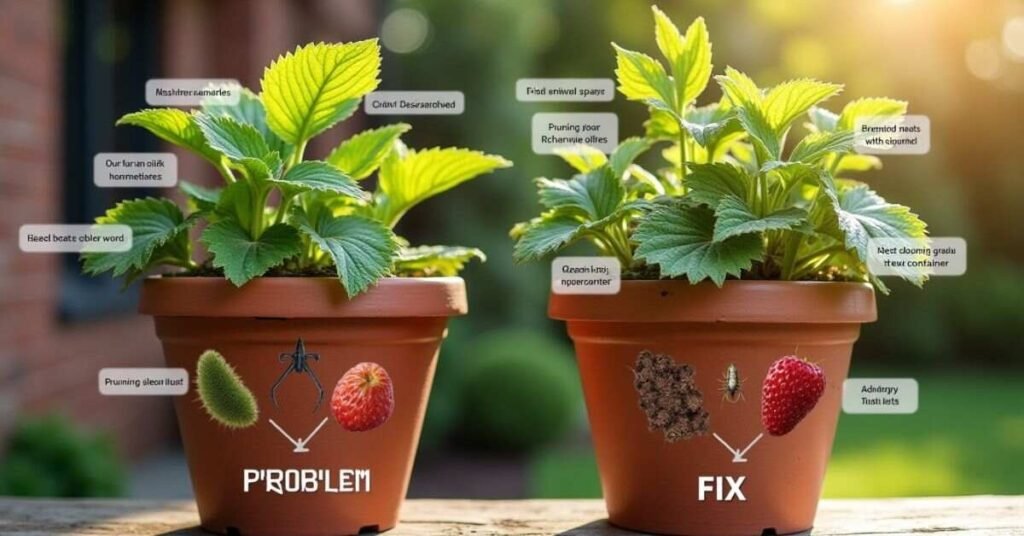
Even the healthiest berry plants can run into trouble sometimes. You might notice yellow leaves, tiny bugs, or fruit that starts to rot before you can pick it. If you catch these issues early, you can usually fix them. Usually, a simple change in watering or moving the plant to a sunnier spot is all it takes to get things back on track.
It helps to check your plants every few days for any strange spots or wilting. Birds and insects are often the biggest fans of your berries, so you may need to use a bit of light netting. Use the table below to identify common problems and find a quick solution to keep your garden thriving.
| Problem | What it Looks Like | Simple Fix |
| Yellow Leaves | Leaves turn pale or bright yellow. | Add a little balanced fertilizer or check for overwatering. |
| Powdery Mildew | White, flour-like spots on leaves. | Improve airflow and water only at the base of the plant. |
| Bird Damage | Holes in fruit or missing berries. | Cover your plants with lightweight bird netting. |
| Aphids | Tiny green or black bugs under leaves. | Spray the leaves with a gentle stream of soapy water. |
| Root Rot | Plant wilts and soil stays very soggy. | Stop watering for a few days and ensure the pot has holes. |
| Spider Mites | Very fine webs on the stems. | Increase humidity or spray the plant with neem oil. |
| Small Fruit | Berries stay tiny and never get juicy. | Give the plant more direct sun and consistent water. |
| Leaf Spots | Brown or red circles on the foliage. | Trim off the sick leaves and keep the plant dry. |
Berry Plant Fruit Growth Time
Patience is a key part of growing your own sweet berries. Most berry plants need at least one full growing season to settle into their new home before they produce a big harvest. Some plants, like strawberries, might give you a few treats in the very first year. Others, like blueberry or raspberry bushes, usually take two or three years to reach their full potential.
The timing of your harvest also depends on the specific variety you choose to plant. Some berries ripen in the early heat of summer, while others wait until the cooler days of autumn. Once the tiny flowers fall off the branches, you will see small green fruits start to form. It usually takes a few weeks of bright sunshine for those green berries to turn bright red, blue, or purple and become ready to eat.
Growing Berry Plant in Pots
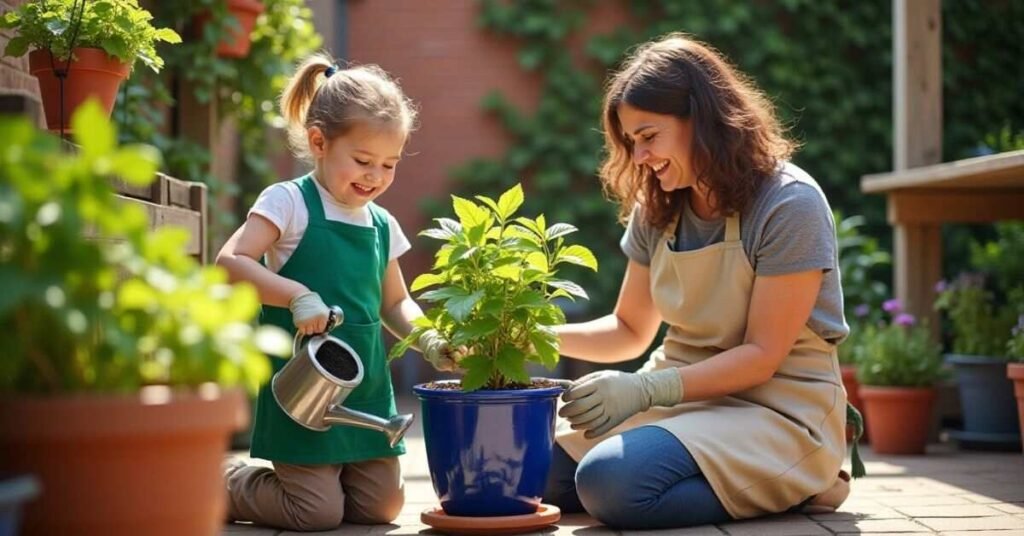
You do not need a big backyard to grow your own sweet berries. Many berry types grow perfectly well in large pots on a balcony or a small porch. Growing in containers actually makes it easier to control the soil quality and move the plants to the sunniest spots. It is a great way for beginners to start gardening without digging up the whole yard.
Choosing the right container is the secret to getting a big harvest. Make sure your pot has plenty of drainage holes so the roots do not sit in water and rot. Using a high-quality potting mix will provide the nutrients your berries need to stay healthy. Here are a few tips for successful container gardening:
- Pick the right size: Use a pot that is at least 12 to 18 inches deep.
- Use potting soil: Never use heavy garden soil in a container.
- Water often: Pots dry out much faster than the ground, so check them daily.
- Feed your plants: Add a liquid organic fertilizer every few weeks during the summer.
- Choose dwarf varieties: Look for “compact” or “bush” types that stay small.
Berry Plant Harvest Tips
Knowing exactly when to pick your berries is the secret to getting the best flavor. Most berries do not get much sweeter once they are pulled off the plant. You should wait until the fruit is fully colored and feels slightly soft to the touch. Picking them in the cool morning hours helps the berries stay fresh and firm for much longer.
Handling your harvest gently will prevent the fruit from bruising or spoiling. Use a shallow container so the berries on the bottom do not get crushed by the weight of the ones on top. It is best to eat them right away or store them in the fridge without washing them first. Here are some simple tips for a successful harvest:
- Check daily: Berries ripen quickly in the sun, so look for ripe fruit every morning.
- Tug gently: A ripe berry should pop off the stem with almost no effort.
- Keep them dry: Do not wash your berries until you are ready to eat them.
- Use small baskets: Avoid piling too many berries on top of each other.
- Look for color: Make sure there is no green or white left on the fruit.
Benefits of a Berry Plant
Growing your own berry plants brings many wonderful rewards to your home and health. You get to enjoy fruit that is packed with vitamins and natural sweetness right from your garden. Fresh berries are full of antioxidants that help your body stay strong and healthy. Plus, having these plants nearby makes your outdoor space look beautiful and feel more alive.
Caring for a berry garden is also a great way to relax and connect with nature. It is a fun hobby that lets you spend time in the fresh air and sunshine. You will save money at the grocery store while enjoying a much better flavor than store-bought fruit. Here are some of the top reasons to start your own berry patch:
- Amazing flavor: Homegrown berries taste much sweeter and juicier than those in shops.
- Better health: They are full of fiber and vitamin C to boost your immune system.
- Save money: One plant can produce many bowls of fruit for a very low cost.
- Help nature: The flowers on berry plants provide food for bees and butterflies.
- Zero waste: You don’t have to deal with the plastic containers used in stores.
Conclusion
Growing your own berries is a rewarding journey that anyone can start. It feels amazing to pick fresh, sweet fruit from your own garden or balcony. Even with a small space, you can enjoy the best flavors nature has to offer. All it takes is a little bit of sun, water, and patience to see your plants thrive.
You don’t need to worry if you’re just getting started. Each season is a chance to learn something new and improve your garden. Once you taste your first homegrown harvest, you will never want to go back to store-bought fruit. Happy planting, and enjoy every delicious bite of your hard work!
FAQs
1. How much sunlight do berry plants need?
Most berry plants need at least 6 to 8 hours of direct sunlight every day. This helps them grow sweet and juicy fruit.
2. Can I grow berries in small pots?
Yes, many berries like strawberries and dwarf blueberries grow perfectly in containers. Just make sure the pot has good drainage holes.
3. How often should I water my berry plants?
You should water them whenever the top inch of soil feels dry. A moist but not soggy soil is best.
4. When is the best time to plant berries?
Early spring is usually the best time to plant so they can settle in before the summer heat. In warmer areas, you can also plant them in late autumn.
5. Do I need to use fertilizer on my plants?
Yes, using a balanced organic fertilizer in early spring gives them the nutrients they need. This helps the plant produce a much bigger harvest.

Jack Rivers is the founder of Plantsopedia, dedicated to making plant care simple, science-backed, and accessible for everyone. With a deep interest in botanical care and plant psychology, he specializes in rare tropical species and organic growth techniques, helping enthusiasts understand the soil, light, and biology behind every thriving plant. When he’s not experimenting with new propagation methods, Jack is busy turning complex horticultural science into practical, everyday advice for home gardeners