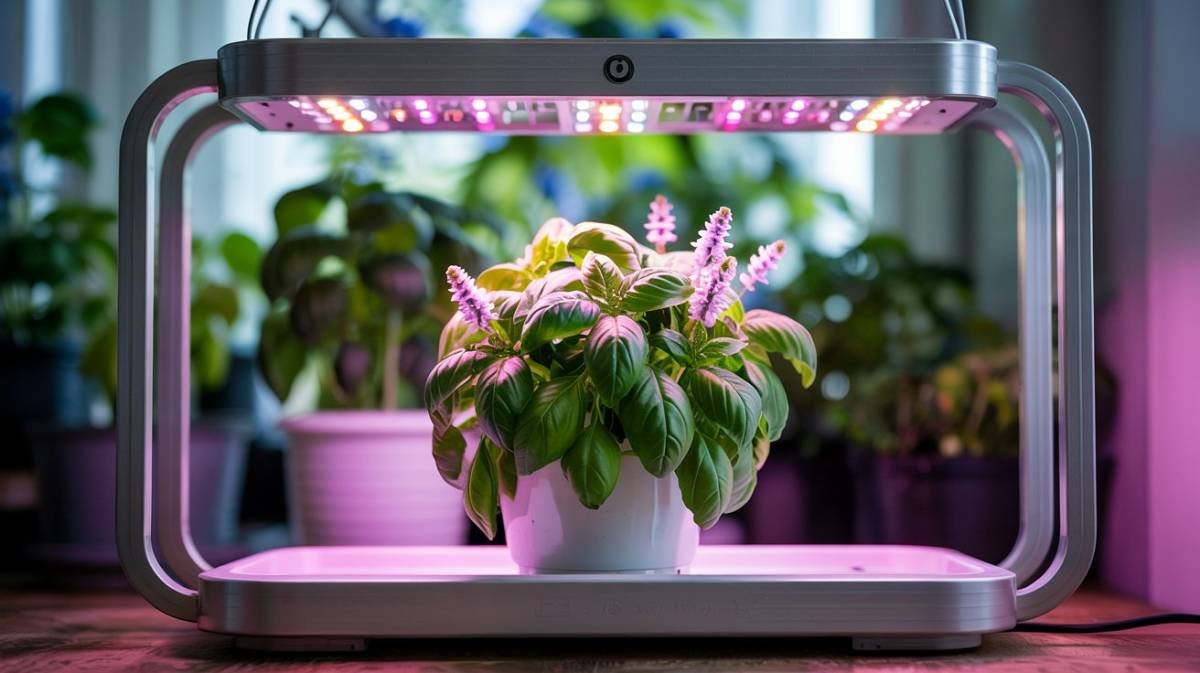
Best LED grow lights for indoor plants help houseplants grow healthier in apartments, offices, and low-light rooms where natural sunlight is limited. Full-spectrum LED grow lights are especially popular because they imitate natural daylight while producing less heat and using less electricity than older lighting systems.
Many indoor gardeners now use grow lights for herbs, seedlings, tropical plants, succulents, and even small indoor vegetable gardens during winter months. The right setup can improve leaf color, growth speed, and overall plant health, especially for people living in spaces with limited window light or darker indoor environments.
Why Indoor Plants Often Struggle Without Proper Light
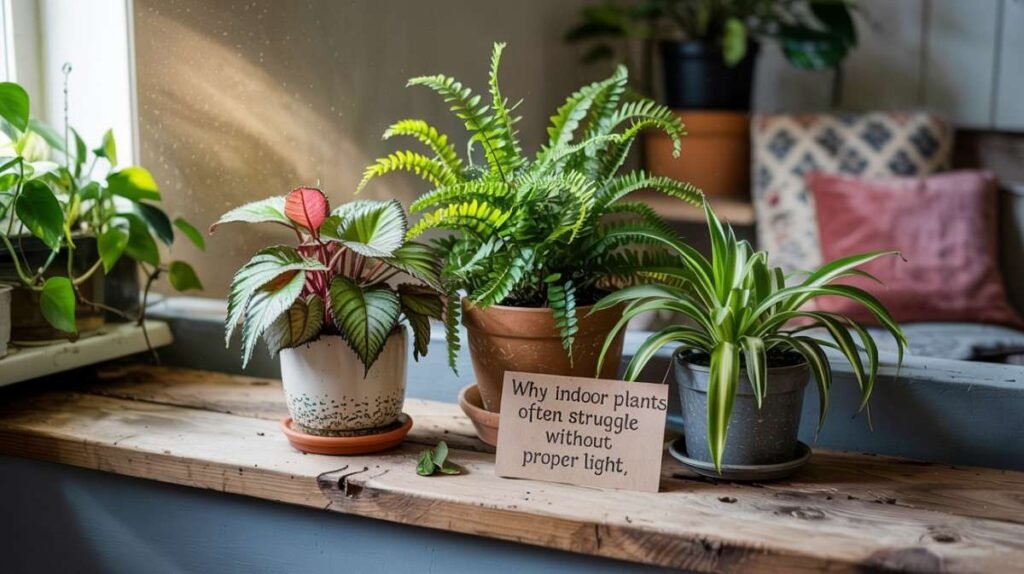
A lot of people buy beautiful indoor plants expecting them to thrive automatically near a window, but many homes simply do not provide enough consistent sunlight throughout the day. This becomes even more noticeable during winter or in apartments surrounded by taller buildings.
I personally noticed this after moving several plants into a darker room while reorganizing my apartment. At first everything looked fine, but after a few weeks the leaves started stretching awkwardly toward the nearest window. One pothos plant became thinner, while my small monstera stopped producing healthy new leaves completely.
At first I thought watering was the problem, but the real issue was lack of light.
What Makes a Good LED Grow Light?
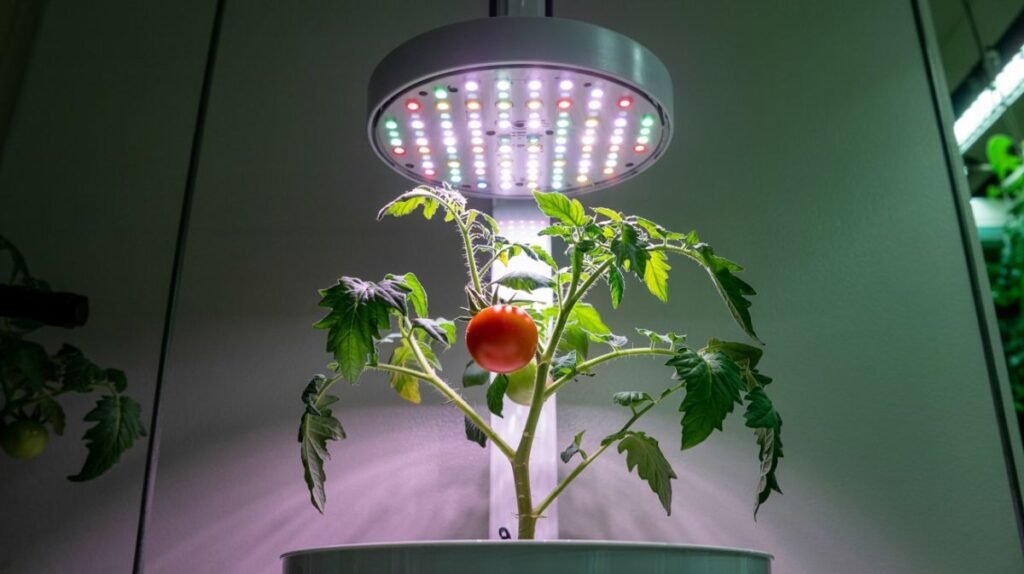
Not every grow light performs the same way. Some cheaper lights may look bright but still fail to provide the proper spectrum plants actually need for healthy growth.
Good LED grow lights usually focus on:
- full-spectrum lighting
- low heat output
- adjustable brightness
- energy efficiency
- balanced light coverage
- timer functions
Full-spectrum lights remain popular because they mimic more natural daylight conditions instead of producing harsh purple lighting older systems were known for.
Low heat also matters more than many beginners realize. Some poor-quality lights create unnecessary heat that can stress plants if placed too close for long periods.
Best LED Grow Lights for Small Apartments
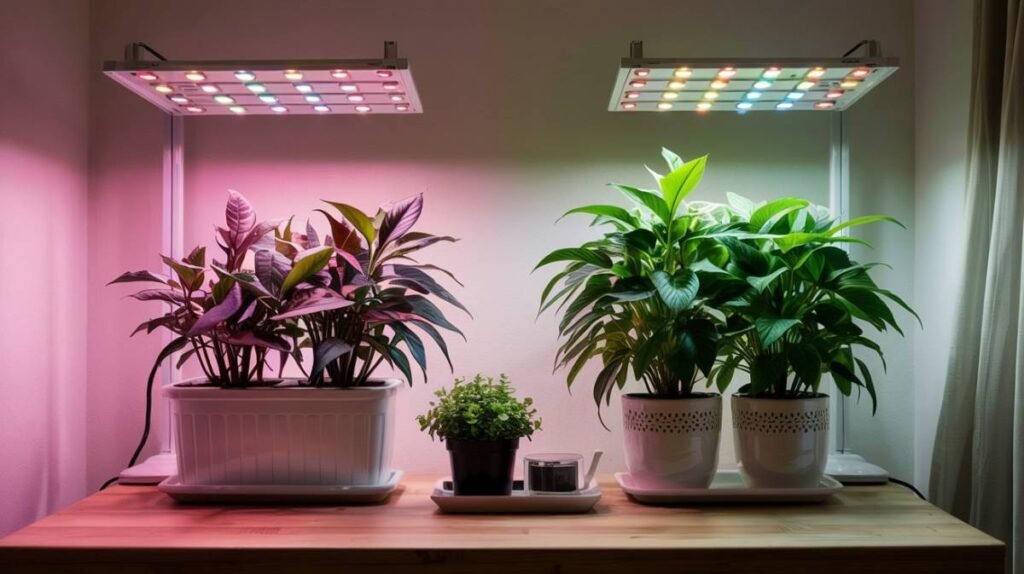
Apartment plant owners usually need compact grow lights that fit small shelves, desks, corners, or indoor plant stands without overwhelming the room visually.
Many people now prefer minimalist white grow lights that blend naturally into home decor instead of making the room feel like a greenhouse setup.
Brands like Spider Farmer and Viparspectra are often mentioned positively by indoor gardening communities because they balance brightness, energy efficiency, and long-term reliability fairly well.
One friend of mine started using a compact full-spectrum light in a small apartment kitchen mainly for herbs and pothos plants during winter. After about a month, the plants looked noticeably fuller and healthier compared to previous winters when growth almost stopped completely.
Best Full-Spectrum Grow Lights for Houseplants
Full-spectrum LED grow lights remain one of the safest choices for beginners because they work well across many different plant types.
Houseplants commonly grown under full-spectrum lighting include:
- monstera
- pothos
- snake plants
- philodendrons
- peace lilies
- herbs
- succulents
Mars Hydro products are frequently discussed by indoor plant enthusiasts because they provide strong brightness without becoming excessively hot during longer usage periods.
Some growers also prefer softer white-spectrum lights because they feel more natural inside bedrooms, offices, or living rooms compared to older purple grow lights.
Best Budget Grow Lights for Beginners
Not everyone needs an expensive professional setup. Beginners growing only a few plants can often succeed with smaller affordable grow lights designed for shelves or tabletop gardens.
Simple clip-on lights with timers have become especially popular for:
- herbs
- succulents
- seedlings
- beginner indoor gardens
However, extremely cheap grow lights sometimes advertise unrealistic wattage claims that do not match actual performance. Many new plant owners buy weak lights expecting dramatic results, then later realize the brightness was not strong enough for consistent growth.
Reading real user reviews usually helps avoid those mistakes.
Grow Lights for Herbs and Seedlings
Herbs and seedlings often respond especially well to LED grow lights because they require steady consistent lighting for healthy growth.
Plants commonly grown under indoor grow lights include:
- basil
- mint
- parsley
- cilantro
- lettuce
- tomatoes
- peppers
Some indoor gardeners even continue small herb gardens year-round inside apartments using compact LED systems near kitchen counters or windows.
During winter months, grow lights can help prevent weak leggy growth caused by shorter daylight hours.
My Real Experience Using Grow Lights
I originally thought regular room lighting would be enough for my indoor plants during winter. Technically the room looked bright enough for people, but plants react very differently compared to human eyes.
One winter, my pothos began stretching heavily toward the window while newer leaves stayed smaller than usual. After researching indoor lighting properly, I bought a simple full-spectrum LED grow light mainly to test whether it would actually help.
The difference became noticeable within a few weeks. The leaves looked healthier, growth became fuller, and the plant stopped leaning aggressively toward sunlight. Even my smaller herbs near the kitchen window survived winter far better than before.
That experience honestly changed how I viewed indoor plant care completely.
Common Mistakes People Make When Buying Grow Lights
One major mistake is buying grow lights based only on brightness without understanding light coverage.
A very bright light may still fail if:
- coverage is too small
- light hangs too high
- timer schedules stay inconsistent
- plants need stronger intensity
Another common issue happens when people leave grow lights running continuously. More light does not always mean healthier plants. Most indoor plants still need darkness periods for natural growth cycles.
Ignoring placement distance also causes problems. Lights placed too close may stress plants, while lights too far away become ineffective.
Do LED Grow Lights Increase Electricity Bills?
Modern LED grow lights are generally more energy efficient compared to older lighting systems. Small indoor setups for houseplants usually consume far less electricity than many people expect.
Low-wattage LED lights designed for apartments or small indoor gardens often cost relatively little to operate regularly, especially compared to older fluorescent or HID systems.
Energy efficiency is one reason LEDs became so popular among indoor plant owners.
How Long Should Grow Lights Stay On?
Most indoor plants grow well with roughly:
- 10 to 14 hours of light daily
Seedlings and herbs sometimes require slightly longer exposure depending on plant type and room conditions.
Timer functions help maintain consistent schedules automatically, which often improves plant growth more than irregular manual lighting.
Final Thoughts
The best LED grow lights for indoor plants combine balanced lighting, energy efficiency, low heat, and reliable coverage without making indoor spaces feel overly technical or industrial.
For many indoor gardeners, proper lighting becomes the biggest difference between plants that simply survive and plants that actually grow healthy, full, and vibrant throughout the year. Even small lighting improvements can completely change how indoor plants look during darker seasons or inside low-light apartments.
Frequently Asked Questions
Are LED grow lights good for indoor plants?
LED grow lights can help indoor plants grow healthier in low-light rooms or apartments with limited sunlight. Full-spectrum lights are especially useful for houseplants, herbs, and seedlings.
How long should LED grow lights stay on each day?
Most indoor plants grow well with around 10 to 14 hours of light daily. Timer functions often help maintain a more consistent lighting schedule.
Do LED grow lights use a lot of electricity?
Modern LED grow lights are usually energy efficient and consume less power than older grow lighting systems. Small indoor setups often add only a minor increase to electricity usage.
What color LED grow light is best for plants?
Full-spectrum white LED grow lights are commonly preferred because they mimic natural sunlight more closely. They also feel more comfortable inside living spaces compared to older purple grow lights.

Jack Rivers is the founder of Plantsopedia, dedicated to making plant care simple, science-backed, and accessible for everyone. With a deep interest in botanical care and plant psychology, he specializes in rare tropical species and organic growth techniques, helping enthusiasts understand the soil, light, and biology behind every thriving plant. When he’s not experimenting with new propagation methods, Jack is busy turning complex horticultural science into practical, everyday advice for home gardeners