Introduction
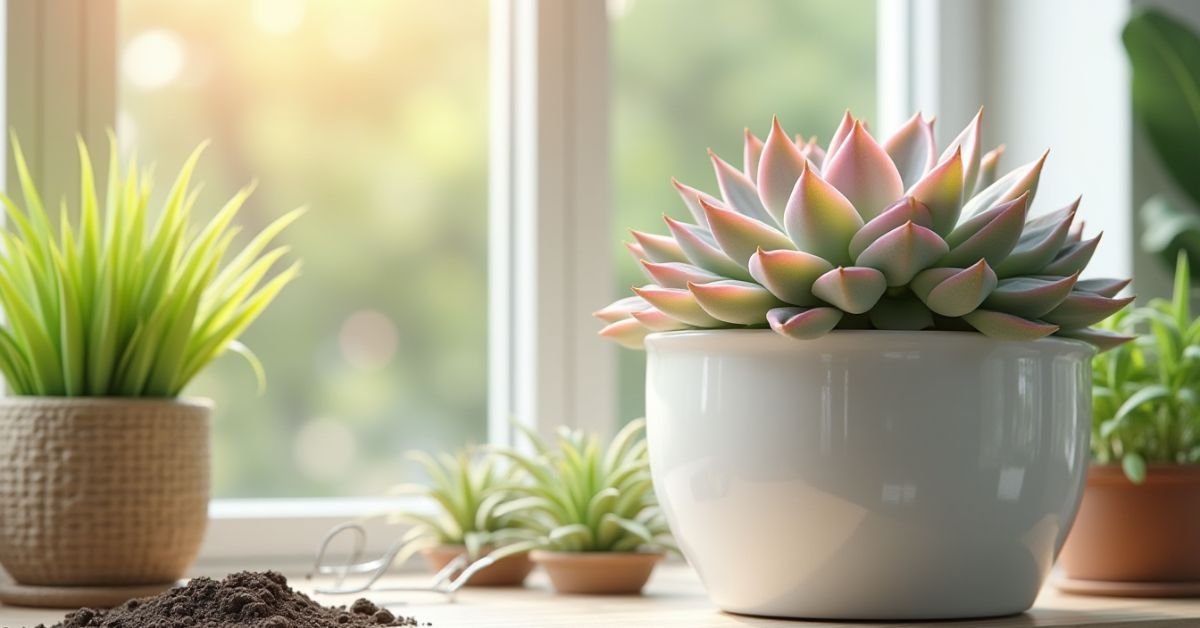
The Mother of Pearl plant, also known as Graptopetalum paraguayense or Ghost Plant, is a stunning succulent famous for its pale, iridescent leaves. These beautiful rosettes change color from soft grayish-blue to light pink or yellow depending on the sunlight they receive. This hardy plant belongs to the Crassulaceae family and originates from the sunny landscapes of Mexico.
Many gardeners buy this gorgeous succulent but watch it slowly lose its vibrant colors or rot within a few months. You do not need a degree in botany to keep this plant alive, but standard houseplant rules will not work here. If you want to transform your struggling succulent into a thriving centerpiece, you must follow specific steps.
This guide reveals the best Mother of Pearl Plant Care Tips for Fast Healthy Growth so you can achieve amazing results. You will learn the exact balance of bright sunlight, gritty soil, and minimal water that this plant requires. Implement these simple techniques to keep your ghost plant vibrant, compact, and rapidly growing all year long.
Mother of Pearl Plant Care Guide
You must provide this succulent with plenty of bright, direct sunlight to maintain its beautiful colors. Place the plant near a south- or west-facing window where it can soak up at least six hours of light daily. Use a gritty, well-draining soil mix and a container with drainage holes to prevent root rot. Water the plant deeply only when the soil dries out completely, as this desert native stores water in its thick leaves.
Keep the surrounding temperature warm and shield your plant from freezing winter drafts. You do not need to fertilize often, but a weak dose of succulent food in spring boosts growth. Prune away any stretched or leggy stems to encourage a bushier, more compact shape. Watch out for common pests like mealybugs, and wipe them away immediately with rubbing alcohol to keep the plant healthy.
Best Watering Tips for Mother of Pearl Plant
This succulent hates sitting in wet soil, so you must use the “soak and dry” method. Let the pot drain completely by pouring water directly onto the soil until it runs out of the drainage holes at the bottom. Never water the plant again until the soil feels 100% dry all the way through the pot. Empty the drip tray immediately because standing water quickly rots the roots and kills your plant.
Your watering schedule changes automatically with the seasons and the weather. It needs more frequent watering during the hot spring and summer growing months. Cut back your watering significantly in the winter when the plant rests and grows much slower. Check the leaves for clues because wrinkled leaves mean the plant needs water, while mushy leaves mean you are watering too much.
- Water the soil directly and keep the leaves completely dry to prevent rot.
- Check the soil depth with a wooden chopstick before you pour any water.
- Use room-temperature water because freezing cold water shocks the root system.
- Skip watering entirely on humid or rainy days when the air holds extra moisture.
Ideal Light Conditions for Healthy Growth
To maintain its vibrant colors, this succulent requires plenty of sunlight. Place your plant in a spot where it receives at least six hours of direct sunlight every day. Full sun brings out the gorgeous pink, purple, and yellow hues in the thick leaves. If you keep the plant in the shade, it will quickly lose its iridescence and turn a dull grayish-green.
Insufficient light causes the plant to stretch out and grow weak, leggy stems. This stretching occurs because the succulent is desperately searching for a light source. Rotate your pot a quarter turn every week so all sides get equal sun exposure and the plant grows evenly. Move the plant indoors near your brightest window during freezing winter weather to protect it from frost.
- Place the plant near a south- or west-facing window for the best daily sunlight.
- Provide partial shade during blistering summer afternoons to prevent leaf scorch.
- Use artificial grow lights if your indoor space lacks natural sunlight.
- Watch for wide spaces between leaves, as this signal means your plant needs more light.
Mother of Pearl Plant Light Requirements
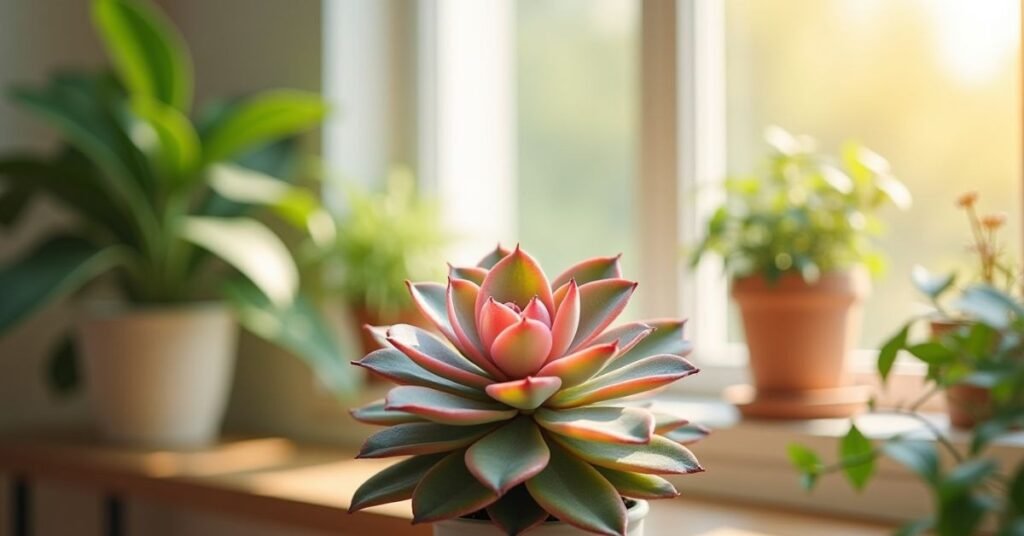
This beautiful succulent demands plenty of bright, direct sunshine to maintain its compact shape and pearlescent color. Aim to provide your plant with six to eight hours of full sunlight every single day. Strong sunlight triggers the plant to develop its famous pastel pink, purple, and yellow highlights. Without enough light, the rosettes open up too wide and lose their stunning, vibrant glow.
Plants in low-light conditions stretch their stems rapidly toward windows. This process creates an unattractive, leggy appearance and weakens the overall structure of the succulent. If you notice your plant leaning heavily in one direction, rotate the pot regularly to encourage straight growth. You can also supplement low indoor light with a simple LED grow light to keep the plant happy.
- Position your plant on a sunny windowsill that faces south or west for maximum light.
- Protect the leaves from extreme, intense afternoon heat to avoid ugly sunburn spots.
- Gradually acclimate a indoor plant to outdoor sun so you do not shock the foliage.
- Increase light exposure immediately if the new leaves look dull green and far apart.
Best Soil for Mother of Pearl Plant
This succulent requires excellent drainage to survive because trapped moisture quickly destroys the root system. You must avoid standard potting soil because it holds water for too long and suffocates the plant. Choose a commercial cactus and succulent mix that allows water to pass through freely. This type of loose soil mimics the rocky, natural desert environment that the plant loves.
You can easily create your own perfect soil blend at home using simple ingredients. Mix two parts of standard potting soil with one part coarse sand and one part perlite or pumice. This combination ensures that air reaches the roots and excess water drains away within seconds. Always use a pot with large drainage holes at the bottom so water never pools around the base.
How to Water Mother of Pearl Plant
You must water this succulent carefully because too much moisture quickly causes root rot. Always check the soil before you pour a single drop of water into the pot. Push your finger or a wooden chopstick two inches deep into the soil to ensure it feels completely dry. If the soil feels damp at all, wait a few more days before you check it again.
When you do water, soak the soil thoroughly until water drains out of the bottom holes. This deep watering method encourages the plant to grow a strong, deep root system. Never let the pot sit in a puddle of water inside the saucer for more than fifteen minutes. Empty the drainage tray immediately so the roots stay healthy and dry out properly.
→ Step-by-Step List
→ Step 1: Test the soil dryness by inserting a clean wooden stick deep into the pot. → Step 2: Pour room-temperature water directly onto the soil surface, keeping the leaves dry. → Step 3: Continue pouring water until you see it flow freely out of the bottom drainage holes. → Step 4: Wait ten minutes for the excess water to finish dripping out of the pot. → Step 5: Empty the collection tray completely so the bottom of the pot never sits in water.
Mother of Pearl Plant Propagation Tips
You can easily grow new plants from your existing Mother of Pearl succulent using single leaves or stem cuttings. This plant drops leaves readily, and almost every healthy leaf can grow a brand-new baby rosette. Always select plump, healthy leaves that show no signs of damage or disease for the best results. This simple process allows you to multiply your plant collection quickly without spending any money.
Gently twist a leaf off the main stem, ensuring you get a clean break without leaving any part behind. Lay the leaves flat on a dry paper towel in a warm place out of direct sunlight for a few days. This waiting period allows the broken end to callouse over and prevents the leaf from rotting when it touches the soil. Soon, you will see tiny pink roots and a miniature plant sprout from the base of the leaf.
- Twist a healthy leaf completely off the stem with a gentle side-to-side motion.
- Place the leaf in a shaded, warm area for three days until the wound dries and forms a callus.
- Lay the calloused leaf flat on top of a well-draining cactus and succulent soil mix.
- Mist the soil lightly with water every few days only when the roots begin to grow into the dirt.
- Move the new baby plant into a small pot with bright, indirect sunlight once the mother leaf shrivels and falls off.
Common Mother of Pearl Plant Problems
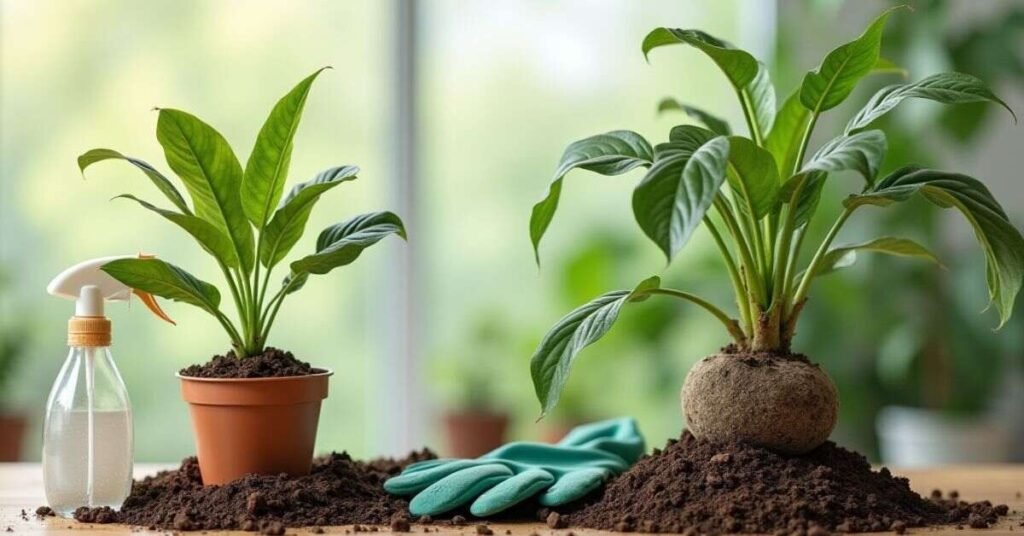
You will likely encounter a few common issues while growing this succulent, but you can fix most of them quickly. Overwatering poses the biggest threat to your plant and causes the leaves to turn yellow, mushy, and translucent. If you notice the leaves falling off at the slightest touch, your soil is holding too much water. On the other hand, wrinkled and puckered leaves mean your plant is extremely thirsty and needs a deep drink immediately.
Pests and poor lighting can also damage your succulent and ruin its beautiful appearance. Mealybugs love to hide in the tight crevices of the rosettes and suck the sap from the plant. Lack of sunlight causes the plant to stretch out, lose its compact shape, and fade to a dull green. Check your plant weekly so you can catch these problems early and keep your succulent thriving.
| Problem | Common Cause | Visible Symptoms | Quick Solution |
| Root Rot | Overwatering or poor drainage | Mushy, black stems and a foul odor | Remove rotten parts and repot in fresh, dry soil. |
| Leaf Drop | Too much moisture in the soil | Soggy, yellow leaves fall off easily | Let the soil dry completely after you stop watering it. |
| Legginess | Insufficient sunlight | Long, stretched stems with wide leaf gaps | Move the plant to a brighter spot or under a grow light. |
| Wrinkled Leaves | Underwatering | Shriveled, thin, and puckered leaves | Give the plant a thorough, deep watering right away. |
| Mealybugs | High humidity or infected plants | White, cotton-like fluff in leaf joints | Dab the pests with a cotton swab dipped in rubbing alcohol. |
| Sunburn | Sudden exposure to intense sun | White or brown scorched patches on leaves | Move the plant into partial shade during hot afternoons. |
| Faded Color | Lack of direct sunshine | Leaves turn a plain, dull grayish-green | Increase daily sunlight exposure to at least six hours. |
Mother of Pearl Plant Indoor Growing Tips
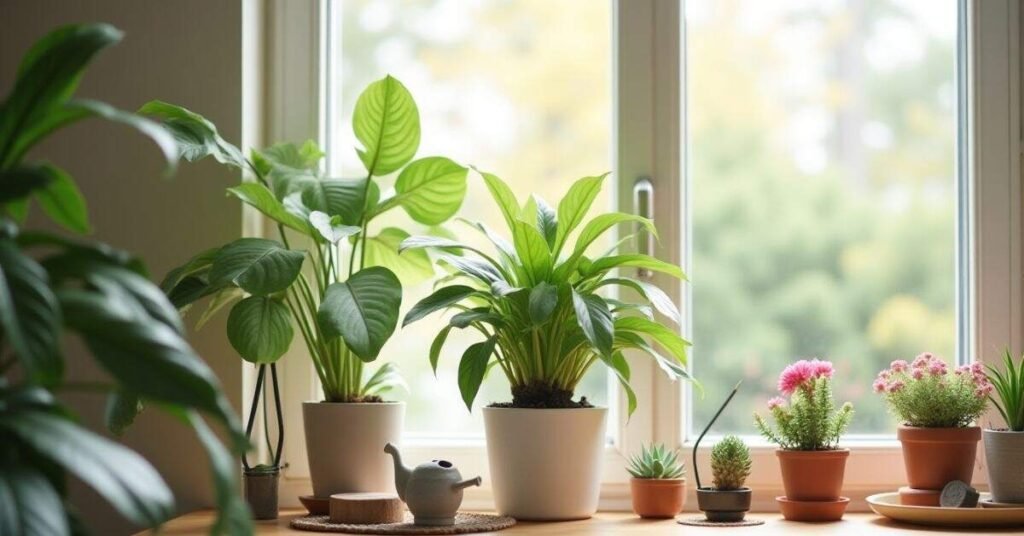
You can easily grow this beautiful succulent indoors if you provide the right environment. Choose the brightest window in your home, preferably one that faces south or west. Indoor plants often suffer from poor air circulation, so you must space your pots out properly. Avoid placing your succulent in humid rooms like bathrooms because excess moisture in the air causes the plant to rot.
Indoor temperatures generally suit this plant well because it loves normal room warmth. Keep the succulent away from cold air conditioning vents in the summer and drafty windows in the winter. Dust the rosettes gently with a soft brush every month because a layer of dust blocks sunlight and slows down growth. Monitor your indoor watering closely because indoor soil dries out much slower than outdoor soil.
- Place the pot on a sunny windowsill where it can catch at least six hours of light.
- Use a terracotta or clay pot because these materials breathe and help the soil dry faster.
- Turn the pot a little bit every week to ensure all sides get equal sunshine.
- Move the plant away from window glass during freezing winter nights to prevent frost damage.
How Fast Mother of Pearl Plant Grows
This succulent grows at a moderate pace compared to other slow-growing desert plants. You will see the most noticeable growth during the active spring and summer months. Under ideal conditions, a single leaf propagation can sprout roots and form a miniature rosette within just a few weeks. The plant spreads horizontally and spills beautifully over the edges of its container as it matures.
You can easily accelerate this growth rate by providing the plant with optimal care. Give your succulent plenty of direct sunlight, warm temperatures, and a regular watering routine during the summer. A weak dose of succulent fertilizer in early spring also triggers a quick burst of fresh new leaves. Conversely, poor lighting and freezing winter weather will stop the plant’s growth completely.
Mother of Pearl Plant Benefits for Home
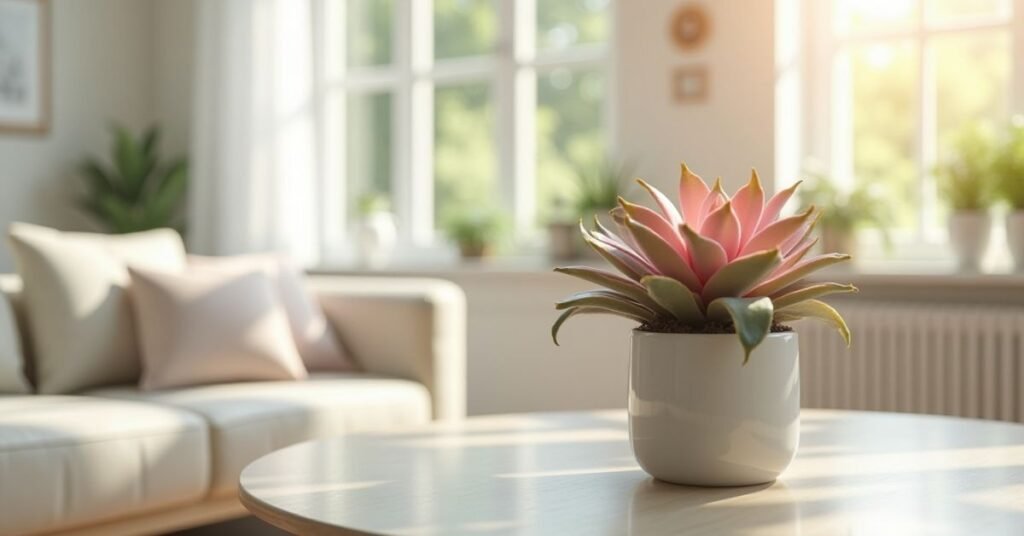
This beautiful succulent enhances your living space by adding an instant touch of natural elegance. The shifting, pearlescent colors of the leaves create a stunning visual focal point on any windowsill or desk. You can easily elevate your interior design with this plant because its unique pastel hues complement almost any color palette. It grows compactly and fits perfectly into small apartments, cozy bedrooms, or busy home offices.
You will enjoy a stress-free gardening experience because this hardy plant requires very little daily maintenance. It thrives on neglect and survives easily even if you forget to water it for a few weeks. Taking care of this succulent can lower your daily stress levels and boost your productivity throughout the workday. Furthermore, you can multiply your collection easily to create beautiful, budget-friendly handmade gifts for your friends and family.
- Beautifies your home with unique, color-changing rosettes that match any modern decor style.
- Saves you time and energy due to its extremely low-maintenance nature and drought tolerance.
- Fits perfectly into compact indoor spaces, small shelves, and sunny windowsills.
- Purifies your indoor air by releasing fresh oxygen during the daytime.
- Provides a simple, budget-friendly way to propagate new plants for stunning home displays.
Mother of Pearl Plant Sunlight and Temperature Needs
This succulent loves bright environments and needs plenty of direct sunlight to maintain its beautiful, compact shape. You should provide the plant with six to eight hours of full sun every day. Strong sunlight brings out the plant’s gorgeous pastel shades of pink, purple, and yellow. Without enough daily sun, the leaves fade to a dull green and the stems stretch out weakly toward the light.
Temperature also plays a massive role in the health of your succulent. The plant thrives in warm weather and grows best in temperatures between 60°F and 80°F. It cannot survive freezing conditions, so you must protect it from frost and icy winter winds. When the autumn temperature drops below 50°F, bring your outdoor pots inside.
| Factor | Ideal Requirement | Tolerance Range | Effects of Wrong Conditions |
| Daily Sunlight | 6 to 8 hours of direct sun | Can handle partial afternoon shade | Stems stretch out and leaves turn dull green. |
| Morning Light | Cool, direct morning sun | Highly beneficial | Promotes safe color changes without burning leaves. |
| Afternoon Light | Bright, filtered light | Needs protection in extreme heat | Intense summer afternoon sun can scorch the leaves. |
| Summer Temperature | 65°F to 80°F (18°C to 27°C) | Can tolerate heat up to 90°F | Extreme heat requires more frequent watering. |
| Winter Temperature | 50°F to 60°F (10°C to 15°C) | Drops growth rate safely | Cold temperatures trigger a necessary resting phase. |
| Minimum Temperature | Keep above 40°F (4.5°C) | Cannot tolerate freezing frost | Freezing temperatures turn the leaves to mush and kill roots. |
| Indoor Placement | South- or west-facing window | Needs closest possible spot to glass | Too far from the window causes weak growth. |
Mother of Pearl Plant Repotting Guide
You should repot your Mother of Pearl plant every two years to refresh the soil and give the roots more room. The best time for this task is early spring when the plant begins its active growth cycle. Choose a new pot that is only one size larger than the current container because a pot that is too large holds too much moisture. Handle the plant very gently during the move because the fragile leaves drop off at the slightest touch.
Allow the soil to dry out completely for a few days before you begin the repotting process. Gently tap the sides of the container and slide the succulent out while supporting the base. Brush away the old, exhausted soil from the root ball and inspect the roots for any signs of rot or damage. Place the plant in its new pot with fresh cactus mix, and wait a full week before you water it so the roots can heal.
- Select a terracotta or clay pot with large drainage holes at the bottom.
- Avoid watering the plant for seven days after repotting to prevent root infections.
- Save any accidental loose leaves that fall off during the process for propagation.
- Keep the newly repotted plant in bright, indirect light for a few days before moving it back to full sun.
Read More Information | https://plantsopedia.com/plumeria-frangipani-plant-care/
Mother of Pearl Plant Care in Winter

Your succulent enters a dormant resting phase during the cold winter months and grows much slower. You must reduce your watering schedule significantly because the soil takes a long time to dry out. Only water the plant when the leaves look slightly wrinkled, which might only happen once a month. Overwatering during the winter poses a massive threat because cold, wet soil rots the root system very quickly.
Keep your plant indoors and protect it from freezing temperatures and icy drafts. Move the pot away from frosty window glass on freezing nights because the cold can damage the fleshy leaves. Central heating can dry out indoor air, but you do not need to mist the plant because it prefers low humidity. Skip all fertilizer until the spring because the resting succulent cannot absorb the nutrients.
- Water the plant only when the soil feels completely dry from top to bottom.
- Maintain indoor room temperatures above 50°F to keep the plant safe from frost.
- Place the pot in your brightest window so the plant gets enough light during short winter days.
- Fertilize the plant until the weather warms up in the spring.
FAQs
What is a mother of pearl plant?
The mother of pearl plant is a colorful succulent with soft pink, purple, and gray leaves. People grow it indoors and outdoors because it needs little care.
How often should I water a mother of pearl plant?
Water the plant only when the soil dries completely. Overwatering can damage the roots and leaves.
Does a mother of pearl plant need direct sunlight?
The mother of pearl plant grows best in bright indirect sunlight. Mild morning sun also helps the leaves keep their beautiful colors.
Can I grow a mother of pearl plant indoors?
Yes, you can grow a mother of pearl plant indoors near a sunny window. Good airflow and proper light help it grow healthy.
Why are my mother of pearl plant leaves falling off?
Leaves usually fall because of too much water or poor lighting. Check the soil moisture and place the plant in brighter light.
Conclusion
The Mother of Pearl plant makes a wonderful addition to any home or garden due to its stunning colors and easygoing nature. You can achieve fantastic results and rapid growth by simply providing plenty of sunlight, well-draining soil, and minimal water. Remember to listen to your plant because its leaves will always tell you exactly what it needs. Avoid overwatering at all costs, protect it from freezing winter frost, and watch out for sneaky pests.
Growing this beautiful succulent brings immense joy without demanding hours of tedious yard work. You can easily multiply your collection through simple leaf propagation and create lovely gifts for your loved ones. Consistent, basic care will keep your ghost plant healthy, vibrant, and compact for many years to come. Start implementing these simple tips today and enjoy the rewarding experience of watching your succulent thrive.

Jack Rivers is the founder of Plantsopedia, dedicated to making plant care simple, science-backed, and accessible for everyone. With a deep interest in botanical care and plant psychology, he specializes in rare tropical species and organic growth techniques, helping enthusiasts understand the soil, light, and biology behind every thriving plant. When he’s not experimenting with new propagation methods, Jack is busy turning complex horticultural science into practical, everyday advice for home gardeners