Introduction to Chaparral Plants
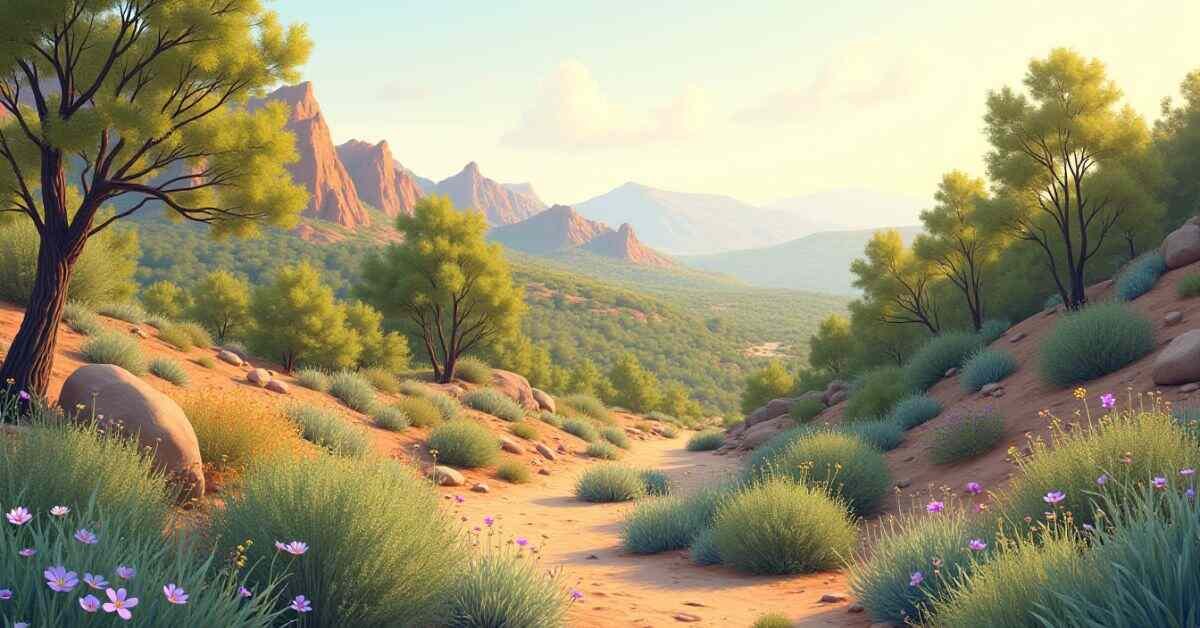
Chaparral plants grow in dry and hot regions where rain does not fall often. These plants survive in tough weather and poor soil. You usually find chaparral plants in places like California, Mediterranean areas, and parts of Australia. These plants play a big role in nature because they protect soil, support wildlife, and prevent erosion.
Many people also use chaparral plants in gardens because they need less water and care. They stay green or semi-green and can survive wildfires better than many other plants. Their leaves often stay small and thick to save water. This helps them live in harsh conditions.
In this article, you will learn how chaparral plants grow, why they are special, and how you can use them in landscaping. You will also understand their importance in nature and how they help balance ecosystems.
Chaparral Plants Characteristics and Natural Adaptation
Chaparral plants show many unique features that help them survive dry environments. They grow in areas where summers stay hot and dry, and winters bring light rain. These plants develop thick leaves that store water and reduce evaporation. Some even have waxy coatings that protect them from losing moisture.
You will notice that chaparral often grow close together. This helps them protect each other from strong winds and sun exposure. Their roots grow very deep into the soil so they can find water hidden underground. This adaptation makes them strong and long-lasting.
Another important feature is their fire resistance. Many chaparral can regrow quickly after wildfires. Some even depend on fire to release seeds. This natural cycle keeps the ecosystem healthy and balanced. Because of these features, chaparral plant survive where many other plants fail.
Types of Chaparral Plants Found in Nature
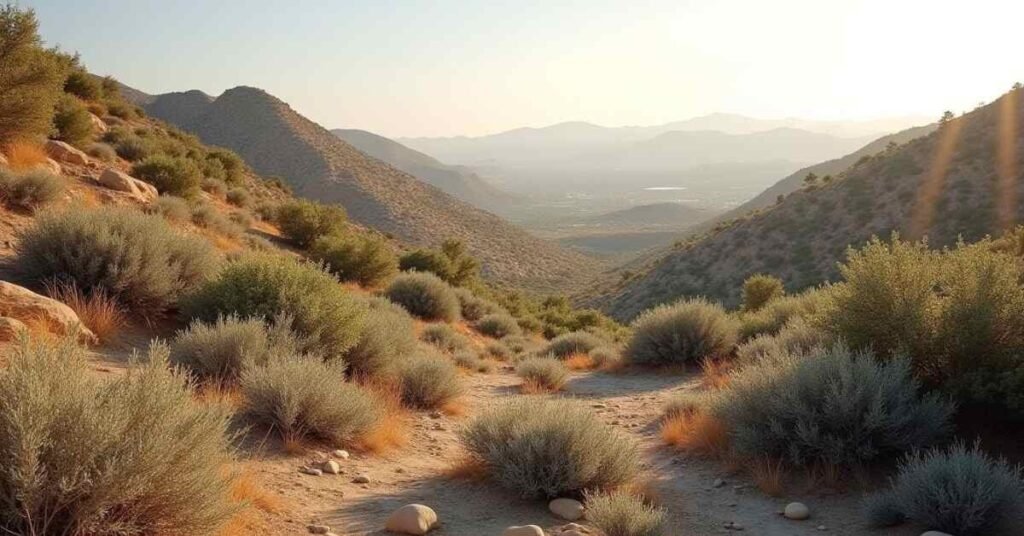
Different kinds of chaparral plant grow in various dry regions. Each type has its own shape, size, and survival style. Some are shrubs, while others grow as small trees or ground covers.
One common type includes evergreen shrubs that stay green all year. Another type includes drought-resistant bushes with small leaves. You will also find flowering chaparral plant that bloom after rainfall. These flowers attract bees and butterflies.
Some well-known examples include chamise, manzanita, and sagebrush. These plants form thick bushes and spread across hillsides. They create natural cover for animals like birds, rabbits, and insects.
A table below shows simple examples:
| Type of Chaparral Plant | Feature | Example Use |
| Evergreen Shrub | Stays green all year | Landscaping |
| Flowering Shrub | Blooms after rain | Gardens |
| Drought Bush | Needs very little water | Dry areas |
| Ground Cover Plant | Covers soil | Erosion control |
Each type of chaparral plants plays a role in keeping dry ecosystems stable and alive.
Chaparral Plants in Landscaping and Gardening
Many gardeners use chaparral plants because they save water and grow easily in dry climates. These plants do not need much maintenance, so they are perfect for low-care gardens. People often choose them for eco-friendly landscaping.
You can plant chaparral plant in rocky soil, slopes, and dry yards. They help reduce soil erosion and keep the ground stable. Their natural look also adds beauty to outdoor spaces.
Landscape designers often mix chaparral plant with stones, gravel, and dry garden themes. This creates a natural desert-style garden. These plants also attract birds and pollinators, which improves garden life.
Because chaparral plant survive heat and drought, they reduce the need for watering systems. This makes them cost-effective and environmentally friendly. Many public parks also use them to create sustainable green spaces.
Chaparral Plants Care and Growth Requirements
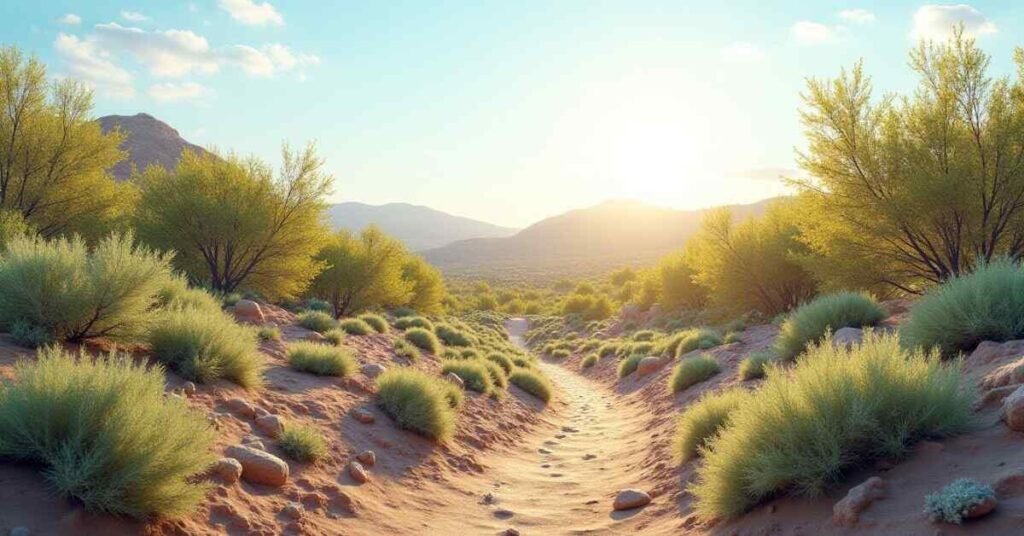
Even though chaparral plant survive tough conditions, they still need basic care to grow well. You should plant them in well-drained soil so water does not stay around the roots. Too much water can harm them.
These plants prefer full sunlight. You should place chaparral plant in open areas where they get direct sunlight for most of the day. They grow slowly but stay strong once established.
You should avoid over-fertilizing them because they naturally grow in poor soil. Light pruning helps maintain their shape and encourages healthy growth.
The table below explains care needs:
| Care Factor | Requirement |
| Water | Low |
| Soil | Well-drained |
| Sunlight | Full sun |
| Fertilizer | Minimal |
| Maintenance | Low |
When you care properly for chaparral plant, they can live for many years and stay healthy even in harsh weather.
Ecological Importance of Chaparral Plants
Chaparral plant play a very important role in the environment. They protect soil from erosion by holding it tightly with their strong roots. This prevents landslides in hilly areas.
These plants also support wildlife. Many birds, insects, and small animals depend on chaparral plants for food and shelter. The flowers provide nectar, while leaves and branches offer protection.
Another important role is oxygen production. Like all plants, chaparral plant help clean the air and improve air quality. They also help control carbon levels in the atmosphere.
After wildfires, these plants help restore the land quickly. They grow back fast and bring life back to damaged areas. This makes chaparral plants very important for ecosystem recovery and balance.
Chaparral Plants vs Other Drought Plants
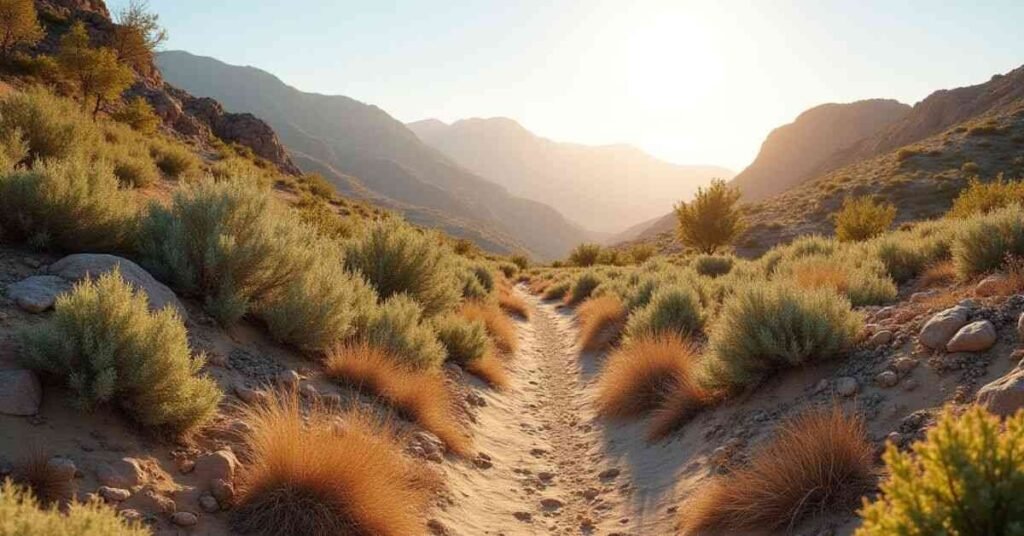
You can compare chaparral plant with other drought-resistant plants to understand their uniqueness. While many dry-climate plants survive heat, chaparral species show stronger fire resistance and ecosystem support.
| Feature | Chaparral Plants | Other Drought Plants |
| Fire Resistance | High | Medium |
| Water Need | Very Low | Low |
| Growth Speed | Slow | Medium |
| Wildlife Support | High | Medium |
| Soil Protection | Strong | Moderate |
This comparison shows that chaparral plant offer better environmental benefits. They not only survive but also help rebuild nature after damage.
Benefits of Chaparral Plants in Modern Environment
Modern cities face water shortages and climate change. Chaparral plant offer a smart solution because they use very little water. Many urban planners now use them in green projects.
These plants reduce gardening costs and save maintenance time. They also help control heat in cities by providing natural shade. This improves outdoor comfort.
Another benefit of chaparral plants is their ability to support biodiversity. They attract insects and birds, which keeps ecosystems active even in urban areas.
People also enjoy their natural beauty. Their rugged look adds character to modern landscapes. Because of these benefits, chaparral plant are becoming more popular in sustainable design.
Read More Information | https://plantsopedia.com/how-to-water-plants-while-on-vacation/
Key Growth Requirements of Chaparral Plants
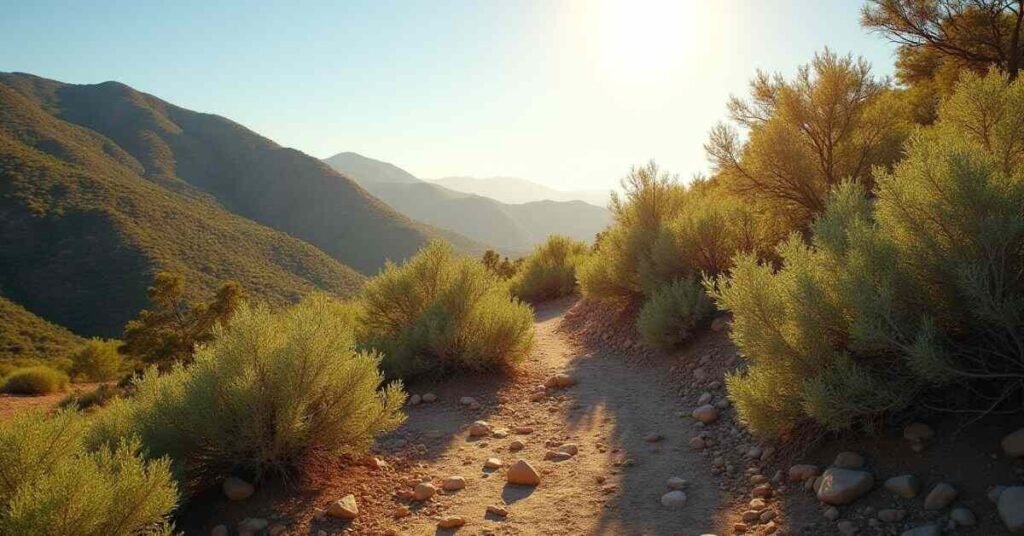
Chaparral plant grow in hot and dry places. They do not need much water. Water is stored in their stems and leaves. As a result, they are able to survive long dry seasons. You should plant them in soil that drains water fast. Wet soil can harm their roots. These plants grow well in rocky or sandy ground. They stay strong even in poor soil conditions. This makes them easy to grow in many outdoor spaces.
These plants also need full sunlight every day. They grow best in open areas with direct sun. Shade can slow their growth. Chaparral plant also like warm and dry weather. They can handle heat and strong winds easily. They do not need heavy care or regular feeding. You only need to give basic care for healthy growth.
| Growth Factor | Ideal Condition | Simple Care Tip | Why It Matters |
| Water | Very low water need | Water only when soil is dry | Prevents root damage |
| Soil Type | Sandy or rocky soil | Use well-drained soil only | Helps roots breathe |
| Sunlight | Full sun | Place in open areas | Supports strong growth |
| Climate | Hot and dry | Avoid humid areas | Matches natural habitat |
| Fertilizer | Minimal or none | Do not overfeed | Prevents weak growth |
| Maintenance | Low care | Light pruning sometimes | Keeps plant healthy |
| Drainage | Fast draining soil | Avoid water logging | Stops root rot |
| Space | Open space | Do not overcrowd plants | Improves air flow |
Soil and Water Needs for Chaparral Plants
Chaparral plant grow best in dry soil. They do not like wet ground. Watering them too much can harm their roots. These plants survive long dry periods easily. The leaves and stems of these plants store water. This helps them stay alive in hot weather. You should use sandy or rocky soil for them. This soil drains water quickly. It keeps the roots safe and healthy.
Chaparral plant need very little watering. You should water them only when the soil becomes fully dry. Overwatering can cause root rot. These plants are made for dry climates. They grow well even with natural rainfall only. This makes them perfect for low-care gardens. Good drainage is very important for their growth.
Sunlight and Climate Conditions for Chaparral Plants
Chaparral plant grow best in full sunlight. They need direct sun for many hours each day. Sunlight helps them stay strong and healthy. These plants do not grow well in shade. Shade can slow their growth and make them weak. You should plant them in open spaces. They perform well in gardens with no tall trees blocking the sun.
Chaparral also prefer hot and dry climates. They can handle strong heat and dry winds. those people are made for tough weather conditions. They do not need cool or humid air. These plants also survive in areas with low rainfall. Their natural strength helps them adapt easily.
- They need full sun every day
- They grow best in hot and dry weather
- They handle strong winds easily
- They do not like humid conditions
- They survive with low rainfall
- They grow poorly in shaded areas
Conclusion
Chaparral plants stand out as strong, adaptable, and eco-friendly plants. They survive in harsh climates and support wildlife and soil health. Their ability to grow with little water makes them perfect for modern landscaping.
When you choose chaparral plants, you support sustainability and protect natural resources. These plants show how nature adapts and thrives even in difficult conditions.
FAQs about Chaparral Plants
What are chaparral plants?
The plants are drought-resistant plants that grow in hot and dry regions with poor soil and low rainfall.
Where do chaparral plants grow naturally?
They grow in Mediterranean climates such as California, parts of Australia, and southern Europe.
Do chaparral plants need a lot of water?
No, chaparral plants need very little water and survive long dry periods easily.
Can I grow chaparral plants in my garden?
Yes, you can grow chaparral plants in dry gardens with good sunlight and well-drained soil.Why are chaparral plants important?
Chaparral plants protect soil, support wildlife, prevent erosion, and help ecosystems recover after fires.

Jack Rivers is the founder of Plantsopedia, dedicated to making plant care simple, science-backed, and accessible for everyone. With a deep interest in botanical care and plant psychology, he specializes in rare tropical species and organic growth techniques, helping enthusiasts understand the soil, light, and biology behind every thriving plant. When he’s not experimenting with new propagation methods, Jack is busy turning complex horticultural science into practical, everyday advice for home gardeners