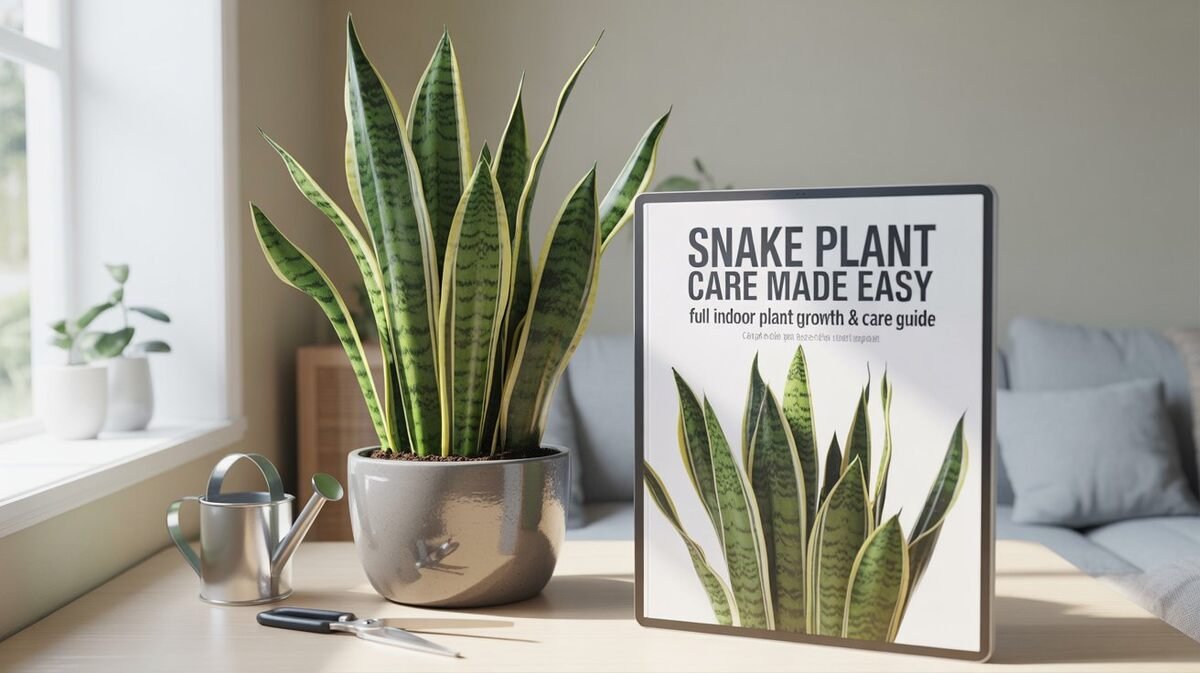
Snake plant is one of the easiest indoor plants to grow and maintain. It is popular because it can survive in different environments without needing constant attention. Even if you are a beginner, this plant is very forgiving and does not demand advanced gardening skills.
The best place to keep a snake plant is somewhere with bright indirect light. It can also survive in low light areas, which makes it suitable for rooms, offices, and shaded corners. However, long exposure to direct sunlight should be avoided because it can damage the leaves and affect their natural color.
One important thing is stability. Once you place your snake plant in a good spot, try not to move it frequently. Constant relocation can slow down its growth and cause unnecessary stress to the plant. With a steady environment, the plant grows stronger and stays healthy for a long time.
Snake Plant Watering Guide
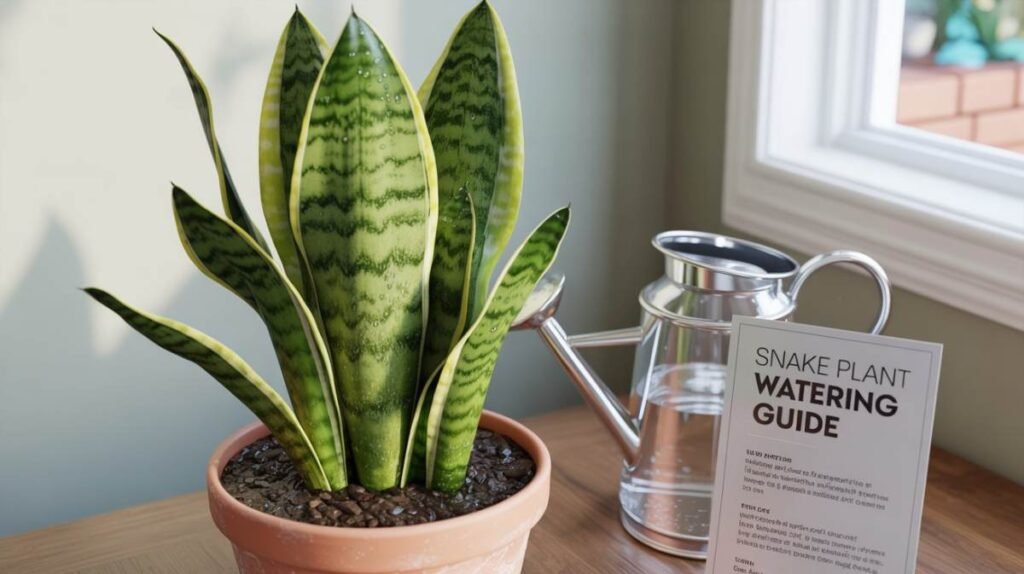
Watering is the most important part of snake plant care, and also where most mistakes happen. This plant does not like too much water and prefers dry soil conditions.
In most indoor environments, watering once every 10 to 15 days is enough. During winter, the plant grows very slowly, so watering can be reduced to once every 3 to 4 weeks. The key is to always check the soil before watering.
If the top layer of soil feels dry, then it is safe to water. If it still feels slightly moist, it is better to wait. Overwatering can cause serious problems like root rot and yellow leaves. That is why it is always safer to underwater than overwater.
Proper drainage is also very important. The pot should allow extra water to flow out easily so that the roots stay healthy.
Snake Plant Problems and Solutions
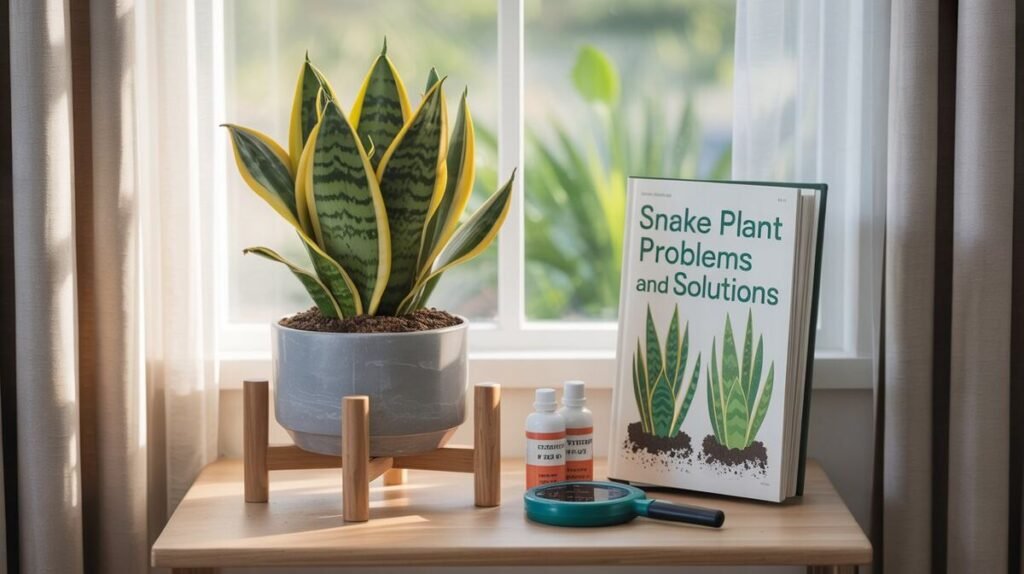
Even though snake plants are very strong, a few problems can still occur if care is not correct.
Yellow leaves are usually caused by too much water. In this situation, you should reduce watering and allow the soil to dry completely. Soft or mushy leaves can be a sign of root rot, which may require repotting the plant in fresh soil after removing damaged roots.
Brown tips on leaves often happen due to dry air or poor water quality. Using filtered or clean water can help reduce this issue. If the plant is growing slowly, it may not be getting enough light or space for its roots to expand.
Most snake plant issues can be fixed easily if they are noticed early.
Benefits of Snake Plant
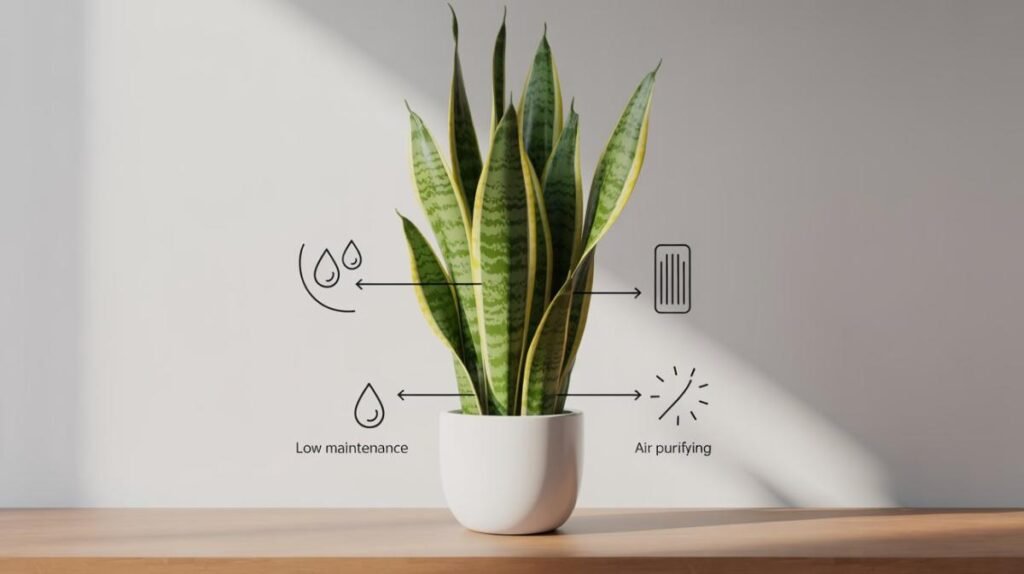
Snake plant is one of the most popular indoor plants because it offers beauty, health advantages, and very easy care. It is not just a decorative plant but also a practical choice for homes and offices. Below are the main benefits explained in detail.
Natural Air Cleaning Ability
Snake plant is well known for improving indoor air quality. It helps filter out harmful toxins from the air and creates a fresher environment inside the home. Unlike many other plants, it works quietly in the background without needing extra care. This makes it ideal for bedrooms, living rooms, and office spaces where clean air is important. Its ability to support a healthier indoor atmosphere is one of the main reasons people choose it.
Supports Better Indoor Environment
Snake plant can positively influence indoor health by improving air freshness and oxygen levels. One unique feature is that it releases oxygen at night, which can help create a more comfortable sleeping environment. Cleaner air indoors may also support better breathing and relaxation. While it is not a medical solution, it contributes to a healthier living space naturally and consistently.
Perfect Plant for Busy Lifestyle
One of the biggest advantages of snake plant is its extremely low maintenance nature. It does not require frequent watering, special fertilizers, or constant attention. Even if you forget to care for it for days or weeks, it can still survive. This makes it perfect for beginners, busy professionals, or people who do not have gardening experience. It is a “set and forget” type plant that continues to grow with minimal effort.
Modern and Stylish Indoor Look
Snake plant adds a clean, modern, and elegant look to any space. Its tall, upright leaves create a structured design that fits well with both traditional and modern interiors. It can be placed in corners, near furniture, or entryways to enhance room decoration. Its deep green color and natural patterns make it visually attractive without being overwhelming. This is why it is widely used in home décor and interior styling.
Simple Growth and Multiplication
Snake plant is very easy to propagate, which means you can grow new plants from an existing one without difficulty. It can be multiplied through leaf cuttings or by dividing the roots. This allows you to expand your plant collection or share it with others. Even beginners can successfully propagate snake plants with basic care and patience. It is a cost-effective way to grow more greenery at home.
Strong Plant That Lasts for Years
Snake plant is known for its durability and long lifespan. It can survive in different light conditions, temperature changes, and irregular watering. This toughness makes it one of the most reliable indoor plants. Once established, it can live for many years without losing its beauty or strength. Its ability to withstand neglect while still growing makes it highly valuable for indoor gardening.
Snake Plant Repotting Guide
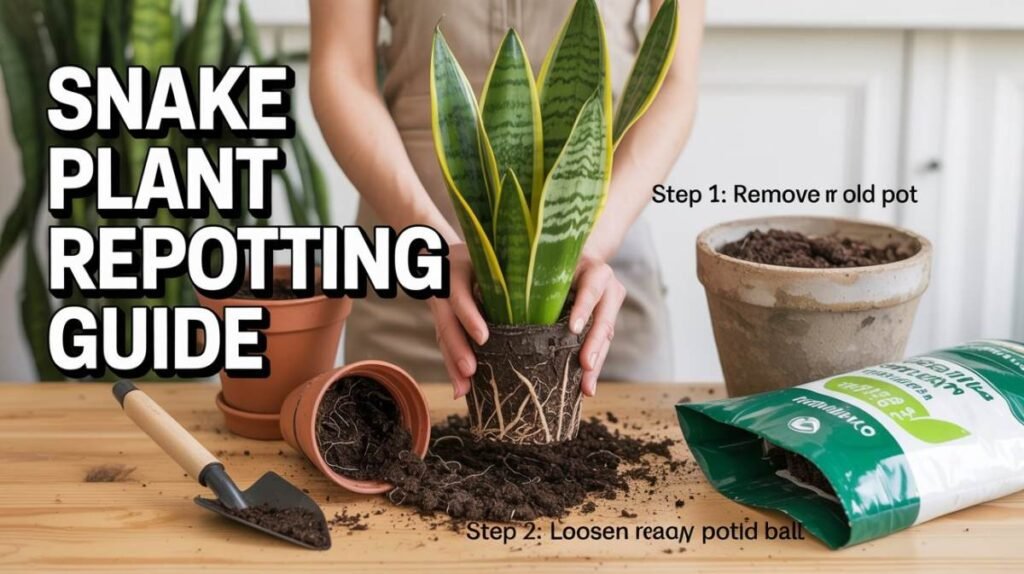
Snake plants do not need frequent repotting. Usually, repotting every two to three years is enough.
You should consider repotting when the roots start becoming crowded or growing out of the pot. Choose a pot that is slightly larger than the current one and always make sure it has proper drainage holes.
The soil should be light and well draining. After repotting, avoid watering for a few days so the plant can adjust to its new environment. This helps reduce stress and supports healthy growth.
Snake Plant Temperature Requirements

Snake plants grow best in temperatures between 18 to 30 degrees Celsius. They do not tolerate cold weather well, especially frost or freezing conditions.
It is important to keep the plant away from cold drafts, air conditioners, or heaters because sudden temperature changes can damage the leaves. A stable indoor temperature is always best for healthy growth.
In warm conditions, snake plants grow more actively and maintain strong green leaves with minimal care.
Final Thoughts
Snake plant is one of the best indoor plants because it is strong, easy to care for, and visually appealing. With proper light, controlled watering, and a stable environment, it can live for many years without requiring much effort.
FAQ: Snake Plant Care
How do you take care of a snake plant indoors?
Snake plant care indoors is very simple. Place it in bright indirect light or low light, water only when the soil is completely dry, and avoid overwatering. It grows best in stable indoor conditions with minimal changes in temperature or location.
How often should I water a snake plant?
You should water a snake plant every 10 to 15 days in normal indoor conditions. In winter, watering can be reduced to once every 3 to 4 weeks. Always check the soil first; if it is still moist, wait before watering again.
Why is my snake plant dying?
A snake plant usually starts dying due to overwatering, root rot, or poor drainage. Yellow leaves, soft stems, or foul-smelling soil are common warning signs. Fixing drainage and reducing watering usually helps save the plant.

Jack Rivers is the founder of Plantsopedia, dedicated to making plant care simple, science-backed, and accessible for everyone. With a deep interest in botanical care and plant psychology, he specializes in rare tropical species and organic growth techniques, helping enthusiasts understand the soil, light, and biology behind every thriving plant. When he’s not experimenting with new propagation methods, Jack is busy turning complex horticultural science into practical, everyday advice for home gardeners