Introduction
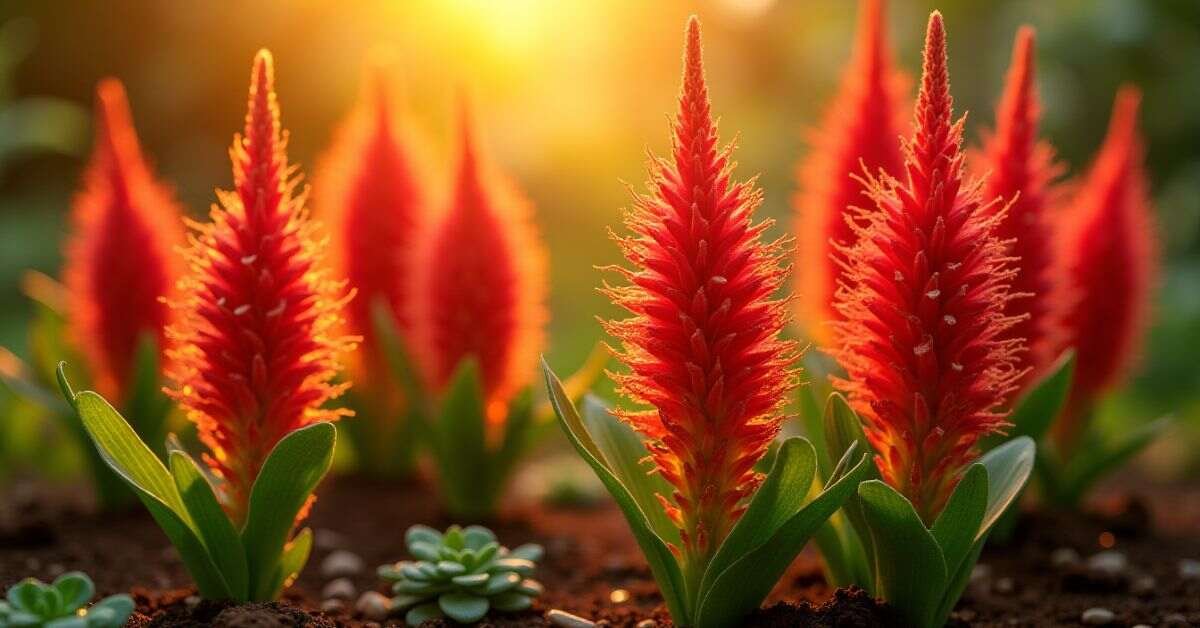
The dragons breath plant is a striking variety of Celosia. It is famous for its vibrant, deep red foliage and feathery flower plumes that look like flickering flames. This plant belongs to the amaranth family and thrives in warm, sunny gardens. Because of its bold color and unique shape, it is a favorite for people looking to add a “wow” factor to their outdoor spaces.
Have you ever wanted a garden that looks like it belongs in a fantasy novel? Imagine a plant so intense that its crimson leaves seem to glow even under the midday sun. It doesn’t just sit there; it commands attention from anyone walking by. If you are looking for a hardy plant that survives the heat while looking absolutely breathtaking, you’ve found it.
Beyond its good looks, the Dragon’s Breath plant is surprisingly easy to grow. It is known for its resilience and ability to bloom late into the season. In this guide, we will explore the symbolic meaning behind its fiery name and share some essential facts. From soil needs to its hidden history, there is much more to this plant than just its stunning red glow.
What Is Dragons Breath Plant
The Dragon’s Breath plant is a special type of Celosia. It is famous for its bright red leaves and flowers that look like tiny, soft flames. This plant loves the sun and grows in a beautiful upright shape. Most gardeners love it because the deep crimson color stays vibrant all season long.
This plant is very hardy and handles the heat well. It produces many feathery blooms that stand out in any garden bed or container. Even when it isn’t blooming, the dark foliage looks stunning on its own. It is a perfect choice for anyone who wants a “fire-red” look without a lot of extra work.
Dragons Breath Plant Care Guide for Healthy Growth
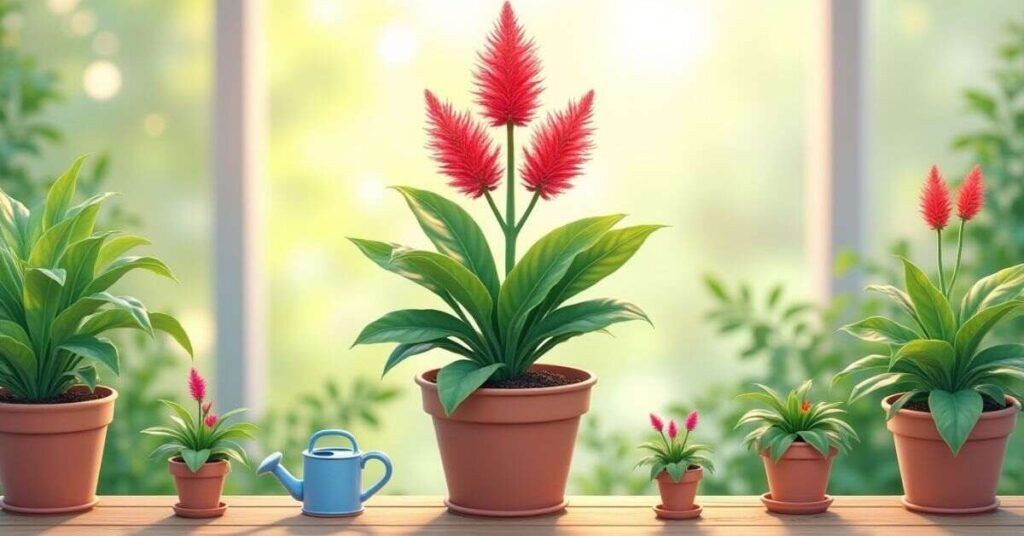
Taking care of this plant is simple if you give it plenty of sunlight. It loves soaking up the rays for at least six to eight hours every day. Make sure you plant it in soil that drains well so the roots do not sit in water. Watering should be done regularly, but you must let the top of the soil dry out first.
This plant is quite tough and handles the summer heat with ease. You do not need to prune it often to keep it looking great. Adding a little bit of liquid fertilizer every few weeks helps the red colors stay bright and bold. Following a few basic steps will keep your Dragon’s Breath thriving all season long.
- Sunlight: Full sun is best for the brightest red leaves.
- Watering: Water at the base of the plant to keep the foliage dry.
- Soil: Use a high-quality potting mix or loamy garden soil.
- Temperature: This plant thrives in warm weather and does not like frost.
- Fertilizer: Use a balanced fertilizer to encourage more “flame-like” blooms.
How to Grow Dragons Breath Plant in Your Garden Easily
Growing this plant is a great way to add instant color to your garden. Start by choosing a spot that gets plenty of bright, direct sunlight. Dig a hole that is just a bit larger than the plant’s root ball. Place the plant in the ground and fill it with loose, nutrient-rich soil. Give it a good drink of water right after planting to help it settle in.
You can also grow Dragon’s Breath in large pots or containers. This is a smart choice if you have limited space or want to move it around your patio. The container should be drained by making sure the bottom has holes. These plants grow quickly and will soon fill your garden with their signature red plumes. With just a little effort, you can enjoy a stunning display all through the summer.
- Pick the Right Spot: Find a place with at least 6 hours of sun.
- Space Them Out: Leave about 12 inches between plants for good airflow.
- Check the Soil: Ensure the ground is not heavy or clay-like.
- Mulch the Base: Add a thin layer of mulch to keep moisture in the soil.
- Monitor Growth: Watch for new feathery flowers to appear as the weather warms up.
Best Soil and Sunlight Needs for Dragons Breath Plant
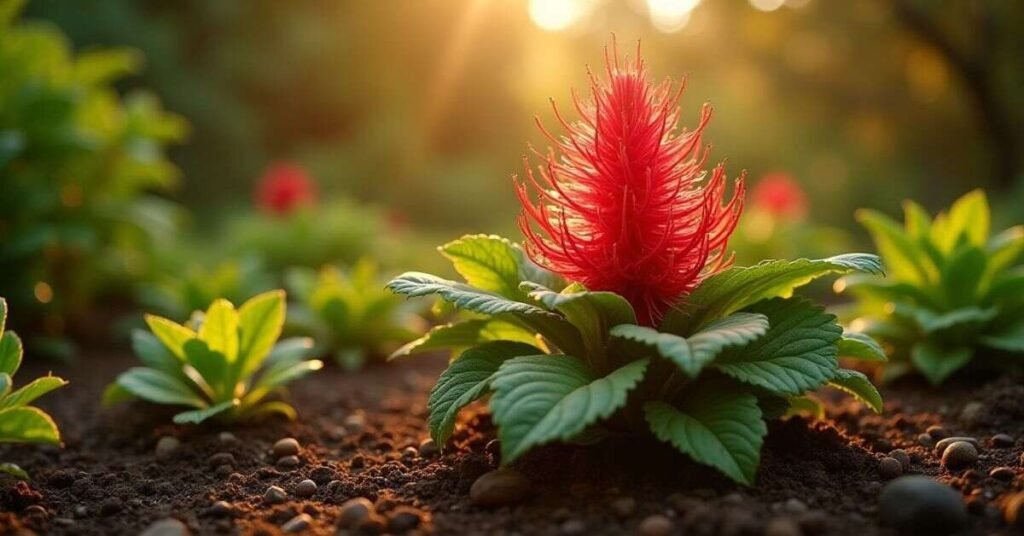
Sunlight is the most important ingredient for a happy Dragon’s Breath plant. These plants crave direct light for at least six to eight hours every day. The more sun they get, the deeper and more vibrant the red leaves will become. If they sit in the shade for too long, the stems might get weak and the colors will start to fade.
The right soil makes a huge difference in how well your plant grows. You need soil that is light and lets water flow through easily. If the soil stays too soggy, the roots can get damaged very quickly. Mixing in some compost or organic matter helps provide the nutrients the plant needs to produce its famous feathery blooms.
| Feature | Requirement | Why It Matters |
| Sun Exposure | Full Sun (6+ hours) | Keeps the foliage dark red and the blooms strong. |
| Soil Type | Loamy or Sandy Mix | Provides a loose structure for roots to spread. |
| Drainage | Excellent / Fast | Prevents water from sitting around the roots. |
| pH Level | Slightly Acidic (5.5 – 6.5) | Helps the plant absorb minerals from the ground. |
| Nutrients | Rich in Organic Matter | Gives the plant energy to grow quickly in summer. |
| Container Soil | High-Quality Potting Mix | Ensures better airflow than heavy garden dirt. |
| Moisture Level | Consistently Moist | Stops the plant from wilting during high heat. |
Watering Tips for Dragons Breath Plant to Keep It Healthy
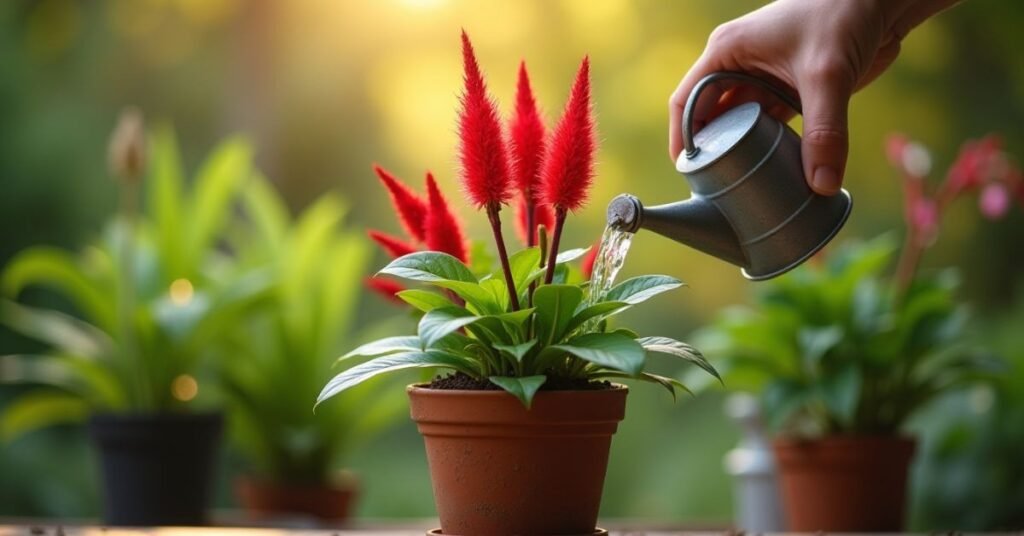
Proper watering is the key to keeping your Dragon’s Breath plant looking its best. You should water the plant when the top inch of the soil feels dry to the touch. It is best to pour water directly at the base of the plant. This keeps the leaves dry and helps prevent spots or diseases from forming on the beautiful red foliage.
During the hottest parts of summer, your plant might need water more frequently. Check the soil every morning to see if it needs a drink. While this plant loves moisture, you should never let it sit in a puddle of water. Using a pot with drainage holes or planting in loose garden soil ensures the extra water can escape easily.
- Check Daily: Feel the soil often during heatwaves to prevent wilting.
- Water Early: Morning is the best time to water so the plant stays hydrated all day.
- Avoid the Leaves: Keep the water on the dirt to protect the delicate plumes.
- Consistency: Try to keep the moisture levels even rather than letting the soil get bone-dry.
- Drainage is Key: Always make sure the water can flow out of the bottom of your containers.
Dragons Breath Plant Size, Height, and Growth Speed
The Dragon’s Breath plant is known for its compact and bushy shape. Most of these plants grow to be about 24 inches tall. They usually spread out to a width of 12 to 15 inches. This size makes them perfect for both garden borders and medium-sized pots on a porch.
This plant grows very quickly once the weather stays warm. You will notice it reaching its full height in just one growing season. It puts a lot of energy into creating thick foliage and tall red plumes. Because it grows so fast, it provides instant color and fills empty spaces in your garden in no time.
Common Problems in Dragons Breath Plant and Easy Fixes
Even though this plant is tough, it can sometimes run into a few issues. The most common problem is overwatering, which can lead to root rot. You might notice the leaves turning yellow or the stems feeling soft and mushy. If this happens, stop watering immediately and let the soil dry out completely. Always check that your pot has holes so extra water can escape.
Pests like aphids or spider mites sometimes hide under the red leaves. These tiny bugs can suck the energy out of your plant and make it look tired. You can fix this easily by spraying the plant with a gentle stream of water or using an organic insect soap. Keeping your plant in a spot with good airflow also helps prevent these problems before they start.
- Wilting Leaves: This usually means the plant is thirsty. Give it a deep drink of water right away.
- Fading Color: If the red turns to dull green, the plant needs more direct sunlight.
- White Spots: This could be powdery mildew. Avoid getting water on the leaves when you garden.
- Leggy Stems: This happens when the plant “stretches” for light. Move it to a sunnier location.
- Brown Edges: This often means the air is too dry or the plant is getting scorched. Try to keep the soil moisture consistent.
Yellow Leaves and Weak Growth
Yellow leaves usually mean your plant is getting too much water. When the roots sit in wet soil for too long, they cannot breathe. This causes the bright red color to fade and turn a sickly yellow. To fix this, stop watering for a few days and let the soil dry out. Make sure your pot has plenty of holes so the extra water can drain away quickly.
Weak growth often happens when the plant is not getting enough light. If it stays in the shade, the stems will become thin and leggy. The plant is trying to stretch toward the sun to find more energy. Moving your plant to a brighter spot will help it grow thick and strong again.
- Check Soil Moisture: Stick your finger in the dirt; if it feels muddy, hold off on watering.
- Move to Sun: Ensure the plant gets at least 6 hours of direct sunlight every day.
- Improve Airflow: Space your plants out so they aren’t crowded by other garden growth.
- Boost Nutrients: Use a light fertilizer if the soil is old and lacking minerals.
- Inspect Roots: If the plant is in a pot, make sure the roots aren’t cramped and circling the bottom.
Pests and Fungal Problems
Tiny bugs like aphids and spider mites are the most common pests for this plant. They often hide on the underside of the red leaves and suck away the plant’s energy. If you see small webs or sticky spots, it is time to act. You can usually wash them away with a gentle spray of water or use a bit of neem oil to keep them from coming back.
Fungal issues like powdery mildew can also happen if the leaves stay too wet. This usually looks like a white, dusty coating on the foliage. To prevent this, try to water the soil directly and avoid getting the leaves wet. Good airflow between your plants also helps keep the air fresh and dry, which stops fungus from growing in the first place.
- Check Regularly: Look under the leaves once a week to catch bugs early.
- Use Soapy Water: A mild soap and water mix can help clear away small pests.
- Space Them Out: Give each plant enough room so the wind can dry the leaves.
- Water in the Morning: This allows any accidental splashes to dry up during the day.
- Remove Damaged Leaves: If a leaf looks very moldy or buggy, snip it off to protect the rest of the plant.
Is Dragons Breath Plant Annual or Perennial?
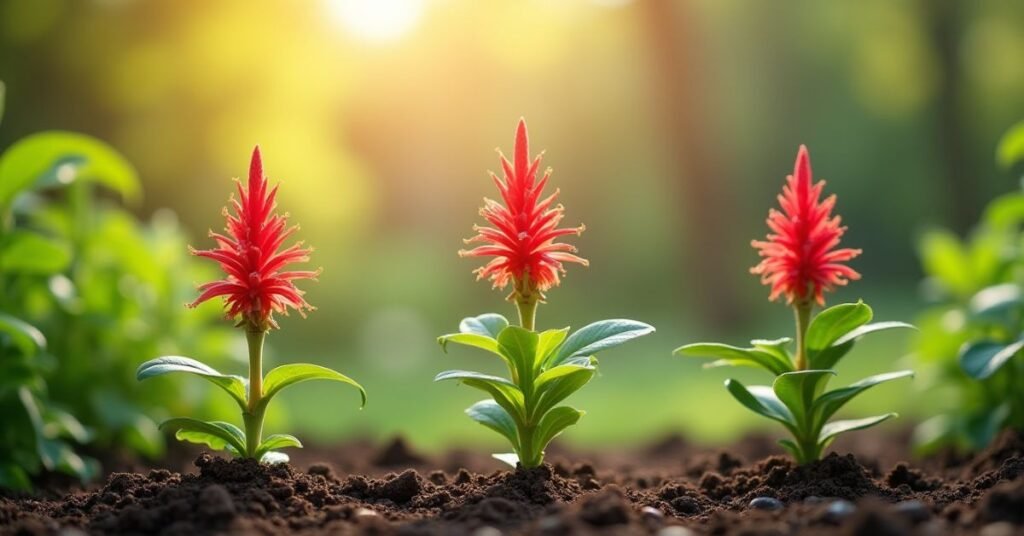
In most gardens, the Dragon’s Breath plant is grown as an annual. This means it completes its whole life cycle in just one year. It grows fast, produces beautiful red flowers, and then fades away when the first frost hits. Most people plant new ones every spring to enjoy that bright color throughout the summer and fall.
However, in very warm places that never get freezing weather, it can act more like a perennial. In these tropical climates, the plant may live longer and continue to grow through the winter. If you live in a cold area, you can try to bring your pots inside before the temperature drops. This gives the plant a chance to survive until the weather warms up again.
Conclusion
The Dragon’s Breath plant is a wonderful choice for anyone who wants a bold and beautiful garden. Its fiery red color and unique shape make it stand out in any setting. As long as you give it plenty of sunlight and the right amount of water, it will reward you with stunning views all season long. It is truly one of the easiest ways to add a bit of magic to your outdoor space.
Whether you are a beginner or an expert gardener, this plant is sure to bring you joy. It handles the heat well and stays vibrant even when other flowers start to fade. Take a chance on these flame-like blooms and watch your garden transform into something special. With just a little care, your Dragon’s Breath will be the highlight of your landscape for months to come.
FAQs
Q1. Is the Dragon’s Breath plant toxic to pets?
Yes, this plant can be mildly toxic to cats and dogs if eaten. It is best to keep it in a spot where your furry friends cannot reach it.
Q2. How often should I fertilize my Dragon’s Breath?
You should feed your plant once every two to four weeks during the growing season. Using a balanced liquid fertilizer helps keep the red color very bright.
Q3. Can I grow Dragon’s Breath plants indoors?
You can grow it indoors if you have a very sunny window that gets hours of direct light. However, it usually grows much better and stays more colorful outside.
Q4. Why are the red plumes on my plant turning brown?
The flowers usually turn brown when they are finished blooming or if the plant is too dry. Simply snip off the brown parts to help the plant stay neat and healthy.
Q5. How much space does each plant need in a garden bed?
It is best to space them about 10 to 12 inches apart. This gives the roots room to grow and ensures there is enough airflow to prevent diseases.

Jack Rivers is the founder of Plantsopedia, dedicated to making plant care simple, science-backed, and accessible for everyone. With a deep interest in botanical care and plant psychology, he specializes in rare tropical species and organic growth techniques, helping enthusiasts understand the soil, light, and biology behind every thriving plant. When he’s not experimenting with new propagation methods, Jack is busy turning complex horticultural science into practical, everyday advice for home gardeners