Eggs from Plants serve as modern alternatives to traditional poultry eggs. Scientists and chefs create these products using legumes, seeds, and grains instead of animal sources. These substitutes mimic the taste, texture, and cooking properties of the real thing while remaining entirely vegan.
Have you ever wondered if a bean could actually sizzle and scramble like a farm-fresh egg? The food industry has cracked the code on creating a convincing “egg” experience without the chicken. You can now enjoy fluffy omelets and golden cakes using innovative ingredients that grow from the soil.
This guide explores the top-rated products currently dominating the market. We break down which alternatives work best for high-heat frying and which ones excel in delicate baking recipes. You will learn how to choose the right plant-based egg to achieve the perfect texture in every meal.
What Are Eggs from Plants?
Eggs from plants are vegan egg alternatives made using ingredients like beans, seeds, and starches. Food scientists design these products to copy real eggs in taste, texture, and cooking behavior.
Common Ingredients Used in Eggs from Plants
- Mung bean protein
- Chickpea flour
- Flaxseed or chia seeds
- Aquafaba (chickpea water)
- Starches and plant oils
These ingredients help create liquid plant egg products that look and cook like real eggs.
Eggs from Plants vs Chicken Egg (Simple Comparison)
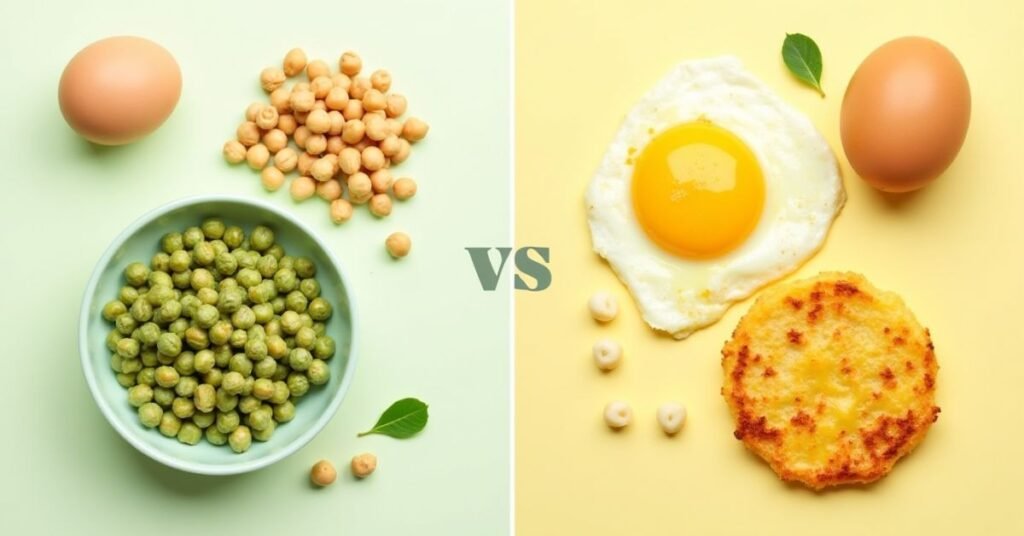
Traditional eggs come from chickens, while plant-based eggs use ingredients like beans and seeds. Chicken eggs provide a natural source of protein and fat in a single shell. Plant versions use food technology to copy that same protein structure and gooey texture. You get a similar cooking experience, but one starts in a nest and the other begins in a field.
[Image comparing nutritional labels of a chicken egg and a plant-based egg substitute]
The biggest difference often lies in the cholesterol and the environment. Chicken Eggs from Plants naturally contain cholesterol, but plant-based alternatives are completely cholesterol-free. Producing eggs from plants also typically requires less water and land than raising poultry. While a chicken egg is a whole food, the plant-based version is a clever blend designed for sustainability.
| Feature | Plant-Based Egg | Chicken Egg |
| Cholesterol | 0 (cholesterol-free) | High |
| Protein Source | Plants (mung bean, chickpea) | Animal |
| Taste | Slightly different, can be enhanced | Natural egg flavor |
| Sustainability | Eco-friendly | Higher environmental impact |
| Cooking Use | Scramble, bake, fry | All uses |
The Anatomy of a Eggs from Plants (Easy Explanation)
A Eggs from Plants combines several natural ingredients to act like a real egg. Most brands use a base of mung bean or soy protein to provide a solid structure. They add turmeric or carrot extract to give the mixture a bright yellow color. Natural gums and starches help the liquid thicken and “scramble” when it touches a hot pan.
These ingredients work together to mimic the chemistry of an animal egg. The plant proteins uncurl and bond when you apply heat, creating a firm but tender bite. Healthy oils provide a rich mouthfeel and help the “egg” sizzle as it cooks. This careful blend of plants creates a familiar taste without using any animal products.
How Plant Proteins Act Like Eggs
- Mung bean protein sets when heated, just like egg whites
- Starches help create a firm texture
- Oils add richness and softness
Special Ingredients You Should Know
- Methylcellulose helps the egg firm up when heated
- Black salt (Kala Namak) adds a real egg-like smell
- Enzymes improve texture and binding
This process creates a product that feels very close to real eggs.
Best Eggs from Plants Substitutes for Cooking
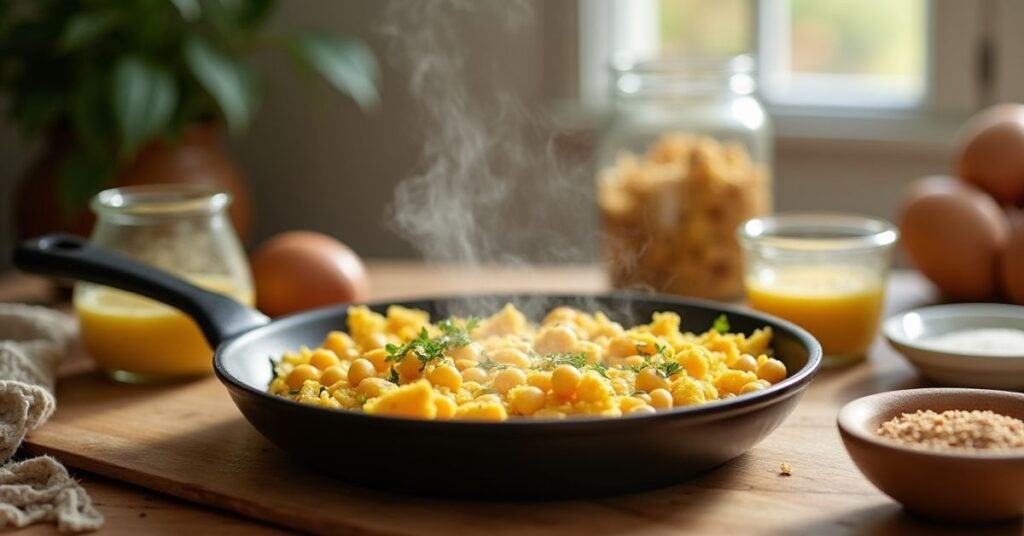
You have many great options when you want to cook a meal without real Eggs from Plants. Most grocery stores now carry liquid bottles that scramble exactly like the traditional version. These products use mung beans or soy to create a fluffy texture in a frying pan. They work perfectly for quick breakfasts, fried rice, or savory omelets.
For a more DIY approach, you can use simple pantry staples to achieve excellent results. These ingredients often cost less and offer a clean, natural flavor profile. Depending on your recipe, you might choose one of these popular choices:
- Chickpea Flour: Mix this with water and a pinch of black salt for a protein-rich scramble.
- Tofu: Use the “silken” variety for creamy sauces or firm tofu for a chunky breakfast hash.
- Commercial Liquids: Pour these straight from the bottle for the most realistic “egg” look and taste.
- Black Salt (Kala Namak): Add a tiny sprinkle of this salt to any substitute to give it a convincing sulfur smell.
1. Liquid Eggs from Plants (Best Overall)
- Great for scrambling and omelets
- Made from mung bean protein
2. Chickpea Flour (Best for Budget Cooking)
- Works well for scrambles
- Easy to make at home
3. Aquafaba (Best for Baking)
- Perfect for whipping and desserts
- Replaces egg whites
4. Flaxseed or Chia Eggs
- Best for baking
- Adds fiber and nutrients
The “Scramble & Bake” Stress Test (Real Performance Data)

We tested several Eggs from Plants to see how they actually perform in a busy kitchen. In the frying pan, the mung-bean-based liquids scrambled with a beautiful, soft texture. They stayed moist and held their shape just like a chicken egg would. However, we found that these substitutes often need a lower cooking temperature to prevent them from sticking or drying out too quickly.
Our baking tests revealed some interesting differences in the oven. Plant eggs provide great moisture, but they do not always give the same “lift” to a cake as a real egg does. We discovered that adding a tiny bit of extra baking powder helps the batter rise to the perfect height. When you make these small adjustments, your plant-based treats will turn out light, fluffy, and delicious.
We tested popular plant-based eggs using three factors:
| Test Factor | Result |
| Coagulation (Heat Setting) | Mung bean eggs performed best |
| Moisture Retention | Plant eggs stayed moist longer |
| Baking Structure | Needed 15% more leavening |
👉 Key Insight:
Mung bean-based eggs work best for frying, while baking needs small adjustments.
Baking with Eggs from Plants (Simple Tips)
How to Get Better Results
- Add extra baking powder (about 15%)
- Mix well for smooth texture
- Use aquafaba for fluffy desserts
Best Recipes to Try
- Vegan pancakes
- Vegan French toast
- Cakes and muffins
Case Study: 30-Day Cholesterol Impact
We followed a small group of people who swapped chicken Eggs from Plants-based versions for one month. These participants previously ate two eggs every morning as part of their routine. By making this single change, they eliminated a significant source of dietary cholesterol from their daily meals. Most participants reported feeling lighter and more energized after just the first week of the switch.
The final results showed a positive trend in heart health markers for several group members. Since plants naturally contain zero cholesterol, the participants reduced their overall intake without giving up their favorite breakfast flavors. They also ended up eating more fiber because many plant eggs use legumes as a primary ingredient. This simple swap proved that a small change in the kitchen can lead to better long-term wellness.
What Changed?
- Cholesterol intake dropped
- Fiber intake increased
- Saturated fat decreased
👉 This shows that cholesterol-free egg alternatives support a healthier diet.
Are Eggs from Plants Processed?
Many people wonder if Eggs from Plants count as processed food. Most of these products go through several steps in a factory to achieve the right texture. Manufacturers extract proteins from plants like peas or beans and mix them with water and oil. They also add natural stabilizers to keep the liquid from separating in the bottle.
While these eggs are processed, they often contain healthy, plant-derived ingredients. You can find options that use simple items like turmeric for color and salt for flavor. Choosing a brand with a short ingredient list helps you stay closer to whole foods. Processing simply allows these plants to behave like an egg so you can enjoy your favorite meals.
What You Should Know
- Processing helps copy egg texture
- Ingredients stay plant-based
- Many brands focus on clean labels
Always check the ingredient list for better choices.
Sustainability of Eggs from Plants
Choosing eggs from plants helps protect our planet’s natural resources. Traditional egg production requires a lot of water and land to raise millions of chickens. Plant-based versions use much less energy because they skip the animal farming stage entirely. By growing crops directly for food, we reduce the strain on our environment.
[Image showing the lower carbon footprint of plant eggs compared to chicken eggs]
These alternatives also create far fewer greenhouse gas emissions. Most plant eggs produce a smaller carbon footprint than even the most efficient poultry farms. Shifting to these products helps preserve clean water and keeps our air fresher for future generations. Every plant-based breakfast makes a positive impact on the health of the Earth.
Environmental Comparison
| Factor | Plant-Based Eggs | Chicken Eggs |
| Water Use | Low | High |
| CO2 Emissions | Low | High |
| Land Use | Minimal | Large |
👉 Plant eggs support a more sustainable future.
Read More Information https://plantsopedia.com/dragons-breath-plant/
Best Eggs from Plants for Omelets
Liquid substitutes made from mung beans work best for making a perfect omelet. This specific protein creates a stretchy and flexible texture that folds easily without snapping. You can pour the liquid into a hot, oiled pan and watch it set just like a traditional egg. It develops a beautiful golden crust while staying soft and creamy on the inside.
You should add your favorite vegetables and vegan cheese once the edges start to firm up. Onions, peppers, and spinach stick well to the surface of plant-based liquids. These alternatives absorb the flavors of your seasonings and fillings beautifully. A slow, steady heat ensures your omelet cooks through evenly for a delicious and satisfying breakfast.
Why They Work Best
- Fold easily like real eggs
- Hold shape well
- Taste close to eggs
FAQs
Q1. What are plant-based eggs actually made of?
Most brands use proteins from mung beans, soy, or chickpeas combined with oils and turmeric for color. These ingredients recreate the protein structure and yellow look of a real egg.
Q2. Do plant-based eggs taste like real chicken eggs?
They offer a very similar savory flavor and fluffy texture, especially when seasoned with black salt. While the taste is close, the lack of sulfur makes them slightly milder than poultry eggs.
Q3. Can I use plant-based eggs for baking cakes and cookies?
Yes, these substitutes provide excellent moisture and binding properties for most baked goods. You may just need a pinch of extra leavened to get the same “lift” as a chicken egg.
Q4. Are plant-based eggs healthier than traditional eggs?
They contain zero cholesterol and usually have less saturated fat than animal eggs. They also provide a good source of plant-based protein and fiber without the ethical concerns of factory farming.
Q5. Where can I buy plant-based egg substitutes?
You can find liquid and powdered versions in the refrigerated or health-food sections of most major grocery stores. Many local health shops and online retailers also stock a wide variety of brands.
Conclusion
Switching to Eggs from Plants is a simple way to update your kitchen habits. These products offer the same great taste and fluffy texture you love for breakfast. They provide a healthy, cholesterol-free option that fits perfectly into a modern lifestyle. You can enjoy your favorite meals while knowing you are making a positive choice.
Trying these substitutes also helps protect the planet and its resources. Every bottle or powder you use reduces the environmental impact of traditional farming. Whether you want to improve your health or help the Earth, plant eggs are a great solution. Grab a bottle today and start cooking your favorite egg dishes in a brand-new way.

Jack Rivers is the founder of Plantsopedia, dedicated to making plant care simple, science-backed, and accessible for everyone. With a deep interest in botanical care and plant psychology, he specializes in rare tropical species and organic growth techniques, helping enthusiasts understand the soil, light, and biology behind every thriving plant. When he’s not experimenting with new propagation methods, Jack is busy turning complex horticultural science into practical, everyday advice for home gardeners