Introduction
The elephant foot plant is a unique and interesting plant. It grows from a large tuber under the soil. People call it elephant foot plant because its base looks like an elephant’s foot. It grows well in warm places and needs simple care to stay healthy.
This plant grabs attention because of its unusual shape and slow but strong growth. Many people enjoy growing it at home or in gardens. It gives a tropical feel and makes any space look more natural and green. If you care for it properly, it grows into a strong and healthy plant.
In this guide, you will learn how to grow the foot plant in an easy way. You will also understand its water needs, soil type, sunlight needs, and common problems. This will help you grow a healthy elephant plant without confusion.
What is Elephant Foot Plant and Elephant Foot Plant Meaning
The elephant foot plant is a unique tropical plant that grows from a large underground tuber. People call it the foot plant because its base looks like an elephant’s foot. This plant grows in warm places and loves humid weather. It also produces a large leaf that looks very attractive in gardens.
The elephant foot plant belongs to a group of plants that grow from tubers, and it stores food underground for survival. In many regions, people also use it as food because it produces a starchy tuber known as elephant foot yam. Elephant foot yam
The elephant foot plant grows slowly but becomes very strong over time. It needs proper care, good soil, and enough water to grow well. Many gardeners love the elephant plant because it looks exotic and different from normal plants. It also adds a tropical feel to home gardens.
The elephant plant is not just beautiful but also useful. People grow it for food, decoration, and gardening interest. If you understand its basic needs, you can easily grow a healthy foot plant at home.
Elephant Foot Plant Care Guide for Healthy Growth
The elephant plant needs simple but regular care to grow strong and healthy. You should understand its natural habitat first. This plant grows in warm and humid areas, so it loves moisture and heat. You should place the foot plant where it can get warm air and indirect sunlight.
You should water the elephant plant carefully. It does not like too much water, but it also does not like dry soil for long. Soil should be kept slightly moist. If you overwater it, the roots may rot. If you underwater it, the plant may stop growing.
You should also feed the foot plant with light fertilizer during its growing season. This helps the plant grow faster and healthier. You should avoid heavy chemicals because they can damage the plant.
The elephant plant grows best when you give it time and patience. It does not grow fast, but it grows strong. Many gardeners enjoy growing the elephant plant because it teaches patience and care. If you follow basic care steps, your foot plant will stay healthy and green for a long time.
Elephant Foot Plant Soil, Watering, and Sunlight Needs
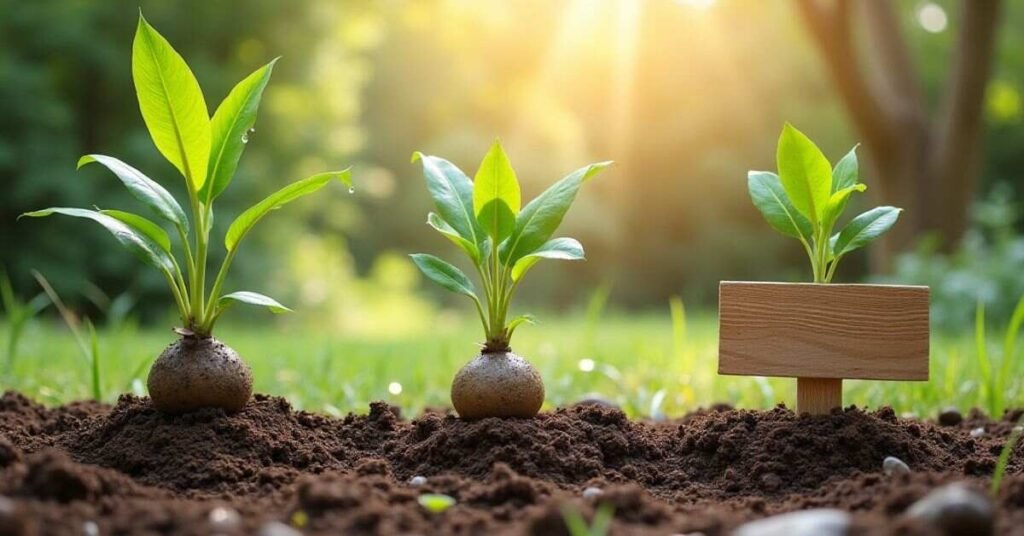
The elephant foot plant needs the right soil, water, and sunlight to grow properly. Soil plays a very important role in its health. You should use loose, well-drained soil. The soil should not hold too much water. A mix of garden soil, sand, and compost works best for the foot plant.
Watering is also very important. You should water the elephant plant when the top layer of soil feels dry. During summer, it may need more water. During winter, it needs less water. You should always avoid waterlogging because it can harm the tuber.
Sunlight helps the foot plant grow strong. It prefers bright but indirect sunlight. Direct harsh sunlight can burn its leaves. If you grow it indoors, you should place it near a window with filtered light.
Here is a simple table for quick understanding:
| Factor | Requirement for Elephant Foot Plant |
| Soil | Loose, well-drained, rich in compost |
| Water | Moderate, keep soil slightly moist |
| Sunlight | Bright indirect light |
| Temperature | Warm and humid conditions |
When you balance all these needs, your elephant plant grows healthy and strong without many problems.
Elephant Foot Plant Growth and Propagation Methods
The elephant foot plant grows from a large tuber, and this makes its growth process unique. The plant stores energy in the tuber during resting periods and uses it to grow leaves when the season becomes suitable. You can grow a new foot plant from a healthy tuber easily.
To propagate the elephant plant, you should plant the tuber in warm soil during the growing season. You should place it at a proper depth and cover it lightly with soil. After planting, you should water it gently and wait for growth.
The foot plant takes time to sprout, so you need patience. Once it starts growing, it develops a strong stem and a large leaf. This leaf helps the plant collect sunlight and grow faster.
You can also improve growth by keeping the soil rich in organic matter. Compost and natural fertilizers help the elephant plant grow better. You should avoid disturbing the tuber once it starts growing.
With proper care and timing, the foot plant can grow into a healthy and attractive plant that stands out in any garden.
Elephant Foot Plant Problems and Easy Solutions
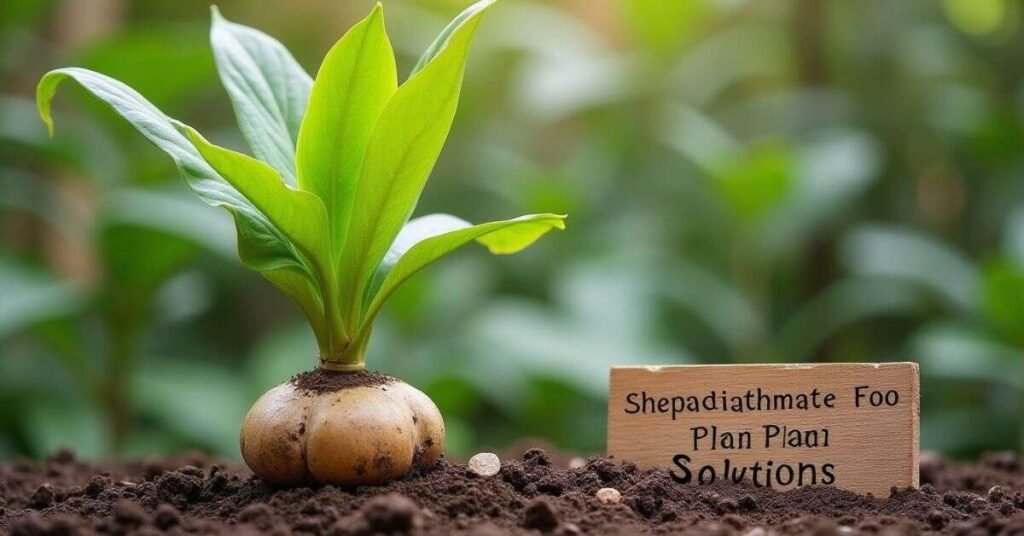
The elephant foot plant can face some common problems if you do not care for it properly. One major problem is root rot. This happens when you give too much water or when the soil does not drain well. You should fix this by reducing watering and improving soil drainage.
Another problem is yellowing leaves. This usually happens when the plant gets too much direct sunlight or lacks nutrients. You should move the plant to a shaded area and add light fertilizer.
Pests can also affect the foot plant. Small insects may attack its leaves. You can solve this by cleaning the leaves and using natural pest control methods.
Slow growth is also common in the elephant plant. This is normal because the plant grows slowly by nature. You should not worry if growth seems slow.
Here is a quick problem-solving table:
| Problem | Cause | Solution |
| Root rot | Overwatering | Reduce water, improve soil |
| Yellow leaves | Too much sun or lack food | Adjust light and fertilize |
| Pests | Insect attack | Clean leaves, use natural spray |
| Slow growth | Natural process | Be patient |
When you solve these problems early, your elephant plant stays healthy.
Root Rot Problems in Elephant Foot Plant and How to Fix Them
Root rot is a common problem in the foot plant. It happens when the soil stays too wet for a long time. The roots start to decay and lose strength. You may notice soft tubers and slow plant growth. The leaves may also look weak and dull.
To fix this problem, you should reduce watering right away. Let the soil dry before you water again. You should also use well-drained soil so extra water can flow out easily. If the damage is serious, you should cut the rotten parts and replant the healthy tuber in fresh soil. This helps the foot plant recover and grow again.
Yellow Leaves and Pest Issues in Elephant Foot Plant Care
Yellow leaves often show that something is wrong with the foot plant. It may happen due to too much sunlight, poor soil nutrients, or overwatering. Sometimes pests also attack the leaves and make them weak. These problems slow down plant growth and reduce its beauty.
You can fix these issues with simple care steps. First, check the plant location and adjust light and water. Then improve soil health with light organic fertilizer. If pests appear, remove them gently or use natural spray.
- Move plant to indirect sunlight
- Reduce overwatering
- Use mild organic fertilizer
- Clean leaves regularly
- Spray natural pest control if needed
Elephant Foot Plant Benefits and Uses in Daily Life

The elephant foot plant offers many benefits. People grow it for decoration, food, and gardening beauty. Its large leaf creates a tropical look that makes gardens more attractive.
One major use of the elephant foot plant is food. The tuber of the plant is edible and rich in nutrients. Many people cook it as a vegetable. It provides energy and helps in filling meals.
The foot plant also has cultural importance in many regions. People use it in traditional dishes and seasonal recipes.
It also helps in home gardening because it improves green space. The plant adds natural beauty and freshness to your surroundings. Many gardeners enjoy growing it because it is different from common plants.
The elephant foot plant also teaches patience and care because it grows slowly. It helps beginners learn plant care basics.
Overall, the elephant plant is both useful and beautiful, making it a great choice for home gardens.
Read More Information | https://plantsopedia.com/eggs-from-plants/
Elephant Foot Plant Care Summary Table
| Care Step | What You Should Do |
| Planting | Use healthy tuber in warm soil |
| Watering | Keep soil lightly moist |
| Sunlight | Provide indirect bright light |
| Fertilizer | Use organic compost monthly |
| Maintenance | Check leaves and remove pests |
This simple guide helps you manage your elephant foot plant easily at home.
FAQs About Elephant Foot Plant
What is an elephant foot plant?
The elephant foot plant is a tropical plant that grows from a large tuber and produces a big leaf.
Is the elephant foot plant easy to grow?
Yes, the elephant plant is easy to grow if you provide proper soil, water, and sunlight.
Can we eat the elephant plant?
In many regions, elephant foot tubers are eaten as food.
How often should I water the elephant foot plant?
You should water it when the top soil feels dry, usually a few times a week depending on weather.
Why does my foot plant grow slowly?
The foot plant naturally grows slowly, so patience is important for healthy growth.
Conclusion
The elephant foot plant is a unique and beautiful plant. It grows slowly, but it becomes strong with time. You only need to give it proper soil, water, and light. When you care for it in a simple way, it rewards you with healthy growth and a fresh look in your garden.
In the end, this plant teaches patience and care. It does not demand too much attention, but it needs consistency. If you follow basic steps and avoid common mistakes, your elephant foot plant will grow well and stay healthy for a long time.

Jack Rivers is the founder of Plantsopedia, dedicated to making plant care simple, science-backed, and accessible for everyone. With a deep interest in botanical care and plant psychology, he specializes in rare tropical species and organic growth techniques, helping enthusiasts understand the soil, light, and biology behind every thriving plant. When he’s not experimenting with new propagation methods, Jack is busy turning complex horticultural science into practical, everyday advice for home gardeners