Introduction
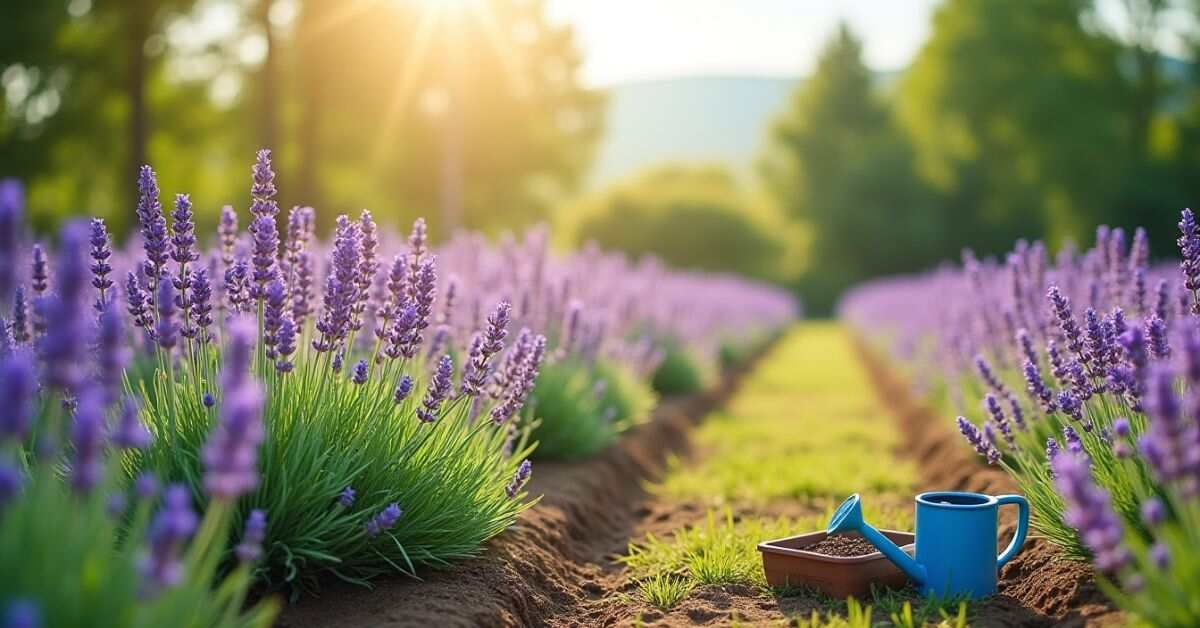
Growing lavender plants brings beauty, fragrance, and calm to your home garden. Many people love this plant because it grows well in pots and gardens when you give it the right care. Lavender also attracts bees and butterflies, which helps your garden stay healthy and alive. You can enjoy fresh purple flowers and a relaxing smell when you grow it correctly.
In growing lavender plants, you need to focus on sunlight, soil, and watering habits. This plant does not need too much water, and it grows best in warm, sunny places. Many beginners think it is hard, but it becomes easy when you follow simple steps.
People also use lavender for oils, tea, and decoration. That makes growing lavender plants a useful and rewarding hobby. You only need basic care and a little patience to see strong growth. In this guide, you will learn everything in simple steps so you can grow healthy lavender at home without confusion.
Growing Lavender Plants Basics and Why It Matters
Growing lavender plants starts with understanding its basic nature. Lavender grows as a hardy herb that prefers dry and sunny conditions. It does not like too much water or very rich soil. This makes it different from many common garden plants. When you understand this, you avoid most mistakes beginners make.
In growing lavender plants, the key is balance. You must give enough sunlight but avoid overwatering. You also need to pick the right place where air flows freely. Good airflow helps prevent disease and keeps the plant strong. Lavender also grows slowly at first, but it becomes stronger with time.
This plant matters because it improves both your garden and your home life. It adds fragrance, beauty, and even stress relief. Many people enjoy its calming effect indoors and outdoors. When you start growing lavender plants, you also support pollinators like bees, which help the environment. That makes this plant both useful and eco-friendly for every home garden.
Best Soil for Growing Lavender Plants
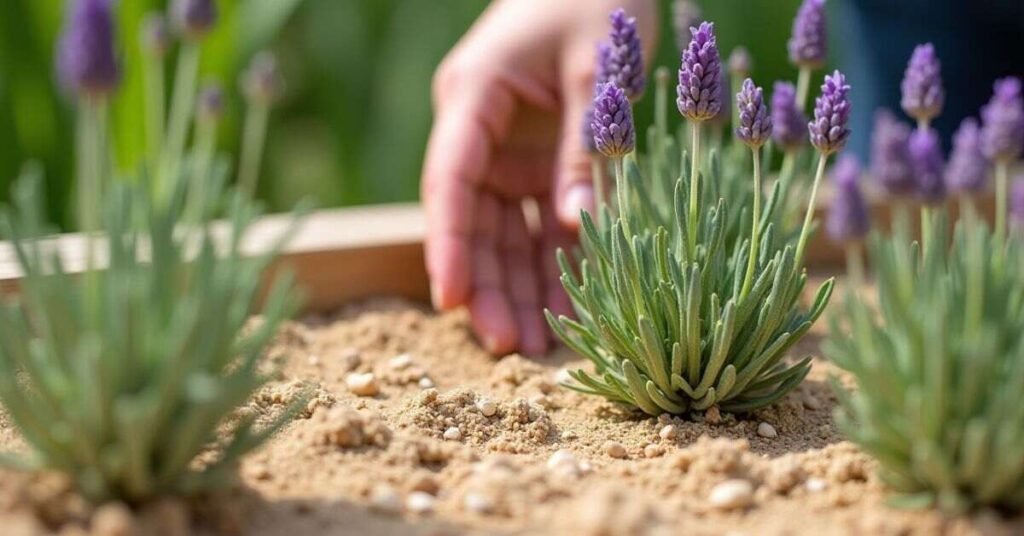
Soil plays a very important role in growing lavender plants. Lavender grows best in light, well-draining soil. It does not like heavy or wet soil because too much moisture can damage its roots. Sandy or slightly rocky soil works very well for healthy growth.
In growing lavender plants, you should avoid rich compost-heavy soil. Instead, mix garden soil with sand or small gravel. This helps water drain quickly and keeps roots dry. You can also use raised beds or pots with drainage holes for better results.
Soil pH also matters. Lavender prefers slightly alkaline soil. You can test your soil and adjust it if needed. Good soil helps the plant grow strong roots, which support flowers later.
| Soil Type | Suitability | Result |
| Sandy soil | Best | Healthy growth |
| Loamy soil | Good | Moderate growth |
| Clay soil | Poor | Root rot risk |
When you focus on soil quality in growing lavender plants, you increase your chances of success. Healthy soil creates a strong foundation for long-lasting lavender growth in your garden.
Sunlight and Climate Needs for Growing Lavender Plants
Sunlight is one of the most important factors in growing lavender plants. Lavender loves full sun and needs at least 6 to 8 hours of direct sunlight every day. Without enough light, the plant becomes weak and produces fewer flowers.
In growing lavender plants, warm and dry climates work best. Lavender grows naturally in Mediterranean regions, so it prefers similar conditions. It does not grow well in very cold or very humid environments. If you live in a cooler area, you can still grow it in pots and move it indoors during harsh weather.
Air circulation also matters a lot. Good airflow keeps the plant healthy and reduces the risk of fungus. Avoid planting lavender in tight or shaded corners.
Temperature stability helps the plant bloom better. Extreme frost or heavy rain can damage it. That is why many gardeners protect lavender during winter.
When you manage sunlight and climate properly in lavender plants, you help the plant produce bright flowers and a strong fragrance throughout the season.
Watering Tips for Growing Lavender Plants
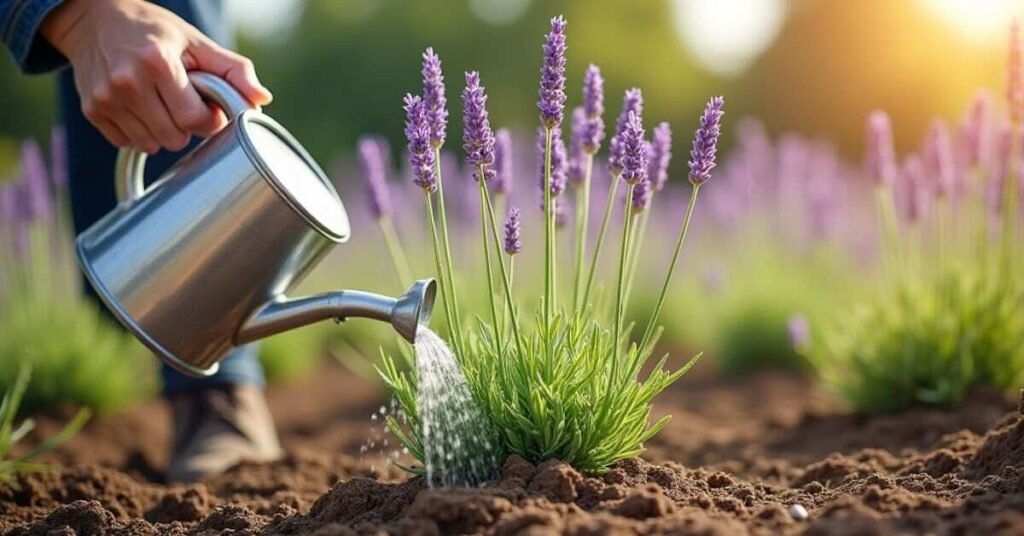
Watering is a sensitive part of lavender plants. Many beginners make mistakes by overwatering. Lavender actually prefers dry conditions, so you should water it less often.
In lavender plants, you should water only when the soil becomes completely dry. Excessive irrigation can lead to decaying roots, which often proves fatal for the plant. Deep but rare watering works better than frequent light watering.
Young lavender plants need slightly more water during early growth. Once the plant matures, it becomes drought-tolerant and needs very little water.
Always check soil moisture before watering. You can use your finger or a simple moisture tool. If the soil feels dry, then water it. If it feels damp, wait for a few more days.
Drainage is also important. Make sure pots and garden beds allow extra water to flow out easily.
When you follow correct watering habits in growing lavender plants, you help the plant grow stronger roots and produce healthier flowers with a stronger fragrance.
Planting Steps for Growing Lavender Plants
Planting plays a key role in growing lavender plants successfully. You should start by choosing healthy seeds or small nursery plants. Many gardeners prefer young plants because they grow faster and more reliably.
In lavender plants, you should pick a sunny location with well-draining soil. Dig a small hole and place the plant carefully without damaging its roots. Apply a thin layer of earth over it and firm the surface with a soft touch.
Space between plants also matters. Lavender needs room to grow and spread. Good spacing improves airflow and prevents disease. After planting, water lightly to help roots settle.
You can also grow lavender in pots. Choose a pot with drainage holes and fill it with sandy soil mix. This method works well for balconies and small spaces.
Add organic mulch around the base, but keep it away from the stem. This helps control weeds and maintain soil condition.
When you follow proper planting steps in growing lavender plants, you create a strong base for long-term healthy growth and beautiful flowering results.
Common Problems in Lavender Plant
Even in growing lavender plants, you may face some common problems. One of the biggest issues is root rot caused by too much water. This occurs when the earth remains saturated over an extended period. To avoid it, always use well-draining soil and reduce watering.
Another problem in lavender plants is poor flowering. This usually happens when the plant does not get enough sunlight. Lavender needs full sun to produce healthy flowers.
Pests like aphids and fungal infections can also affect the plant. You can control them by improving airflow and removing infected parts quickly. Maintain adequate spacing between your greenery to lower the likelihood of illness spreading.
Cold weather can slow down growth or damage the plant. You can protect lavender by moving pots indoors or covering garden plants during frost.
Yellow leaves often show overwatering or poor drainage. Fixing soil and watering habits solves this issue quickly.
When you understand these problems in lavender plants, you can fix them early and keep your plant healthy for a long time.
Harvesting and Uses of Lavender from Growing Lavender Plants
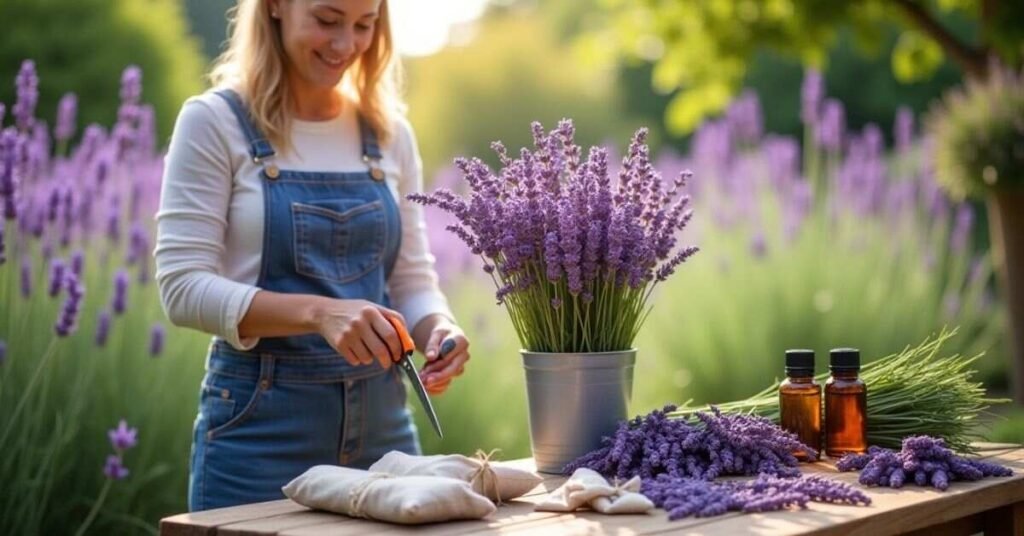
Harvesting is one of the most rewarding parts of growing lavender plants. You should harvest flowers when they are fully bloomed but not dried. This stage gives the best fragrance and quality.
In growing lavender plants, you can cut stems in the morning when oils are strongest. Use clean scissors and avoid damaging the main plant. Proper cutting helps the plant grow back stronger.
You can dry lavender flowers by hanging them in a cool, dry place. Dried lavender is useful for decoration, tea, and homemade oils.
Lavender also works in perfumes, soaps, and stress relief products. Many people use it in pillows for better sleep.
When you harvest carefully in growing lavender plants, you improve future growth and increase plant life. Regular harvesting also encourages more flowers to grow in the next season.
Read More | https://plantsopedia.com/elephant-foot-plant/
Benefits of Growing Lavender Plants at Home
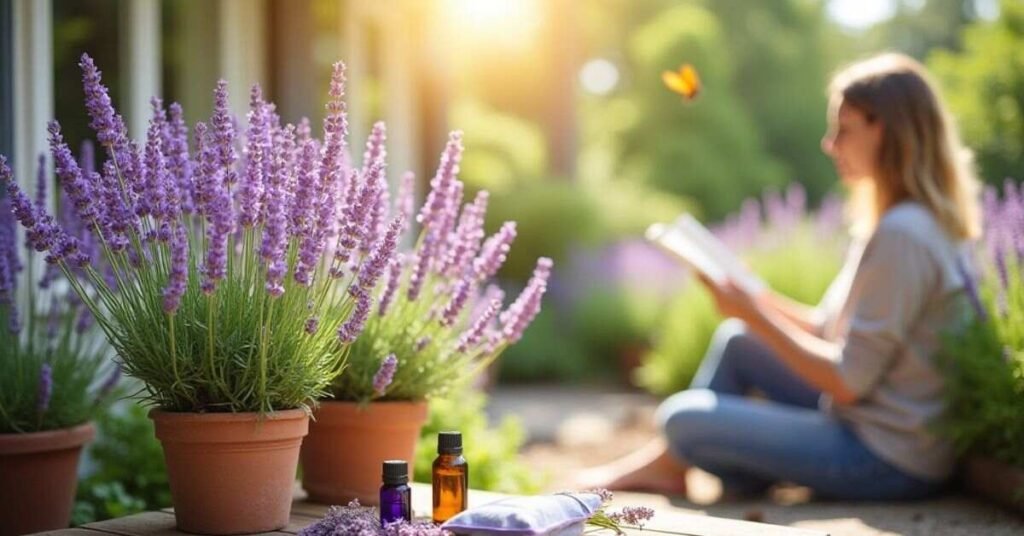
Growing lavender plants offers many benefits for your home and lifestyle. It improves garden beauty with its purple flowers and fresh fragrance. Many people enjoy the calming effect it brings to indoor and outdoor spaces.
In growing lavender plants, you also support natural pollinators like bees and butterflies. This helps your garden stay active and healthy.
Lavender also has practical uses. You can use it in oils, teas, and home remedies. It helps reduce stress and improve sleep quality. Many people keep dried lavender in rooms for relaxation.
This plant also requires low maintenance. Once it grows well, it needs less water and care compared to many other plants. That makes it perfect for beginners.
When you focus on growing lavender plants, you enjoy beauty, health benefits, and environmental support all in one plant. It becomes a smart choice for every home garden.
FAQs About Growing Lavender Plants
How often should I water lavender plants?
You should water only when the soil becomes dry. Lavender does not like frequent watering.
Can lavender grow in pots?
Yes, you can easily grow lavender plants in pots with proper drainage and sunlight.
Why is my lavender not flowering?
Low sunlight or too much water often stops flowering in lavender plants.
What is the best season for planting lavender?
Spring works best because the plant gets enough warm weather to grow strong.
Does lavender need fertilizer?
Lavender needs very little fertilizer. Too much can reduce flower growth.
Conclusion
Growing lavender plants brings beauty and peace to any home garden. You can grow it easily when you give it enough sunlight, well-drained soil, and little water. This plant does not demand too much care, but it rewards you with lovely purple flowers and a fresh smell. Many people enjoy it because it grows well in pots and gardens. It also attracts bees and helps nature stay balanced.
If you follow the right steps, you will enjoy healthy lavender for a long time. You should avoid overwatering and always place it in a sunny spot. With simple care, your plant will grow strong and bloom every season. Lavender plants can become a relaxing and rewarding hobby for anyone who loves gardening.

Jack Rivers is the founder of Plantsopedia, dedicated to making plant care simple, science-backed, and accessible for everyone. With a deep interest in botanical care and plant psychology, he specializes in rare tropical species and organic growth techniques, helping enthusiasts understand the soil, light, and biology behind every thriving plant. When he’s not experimenting with new propagation methods, Jack is busy turning complex horticultural science into practical, everyday advice for home gardeners