Introduction
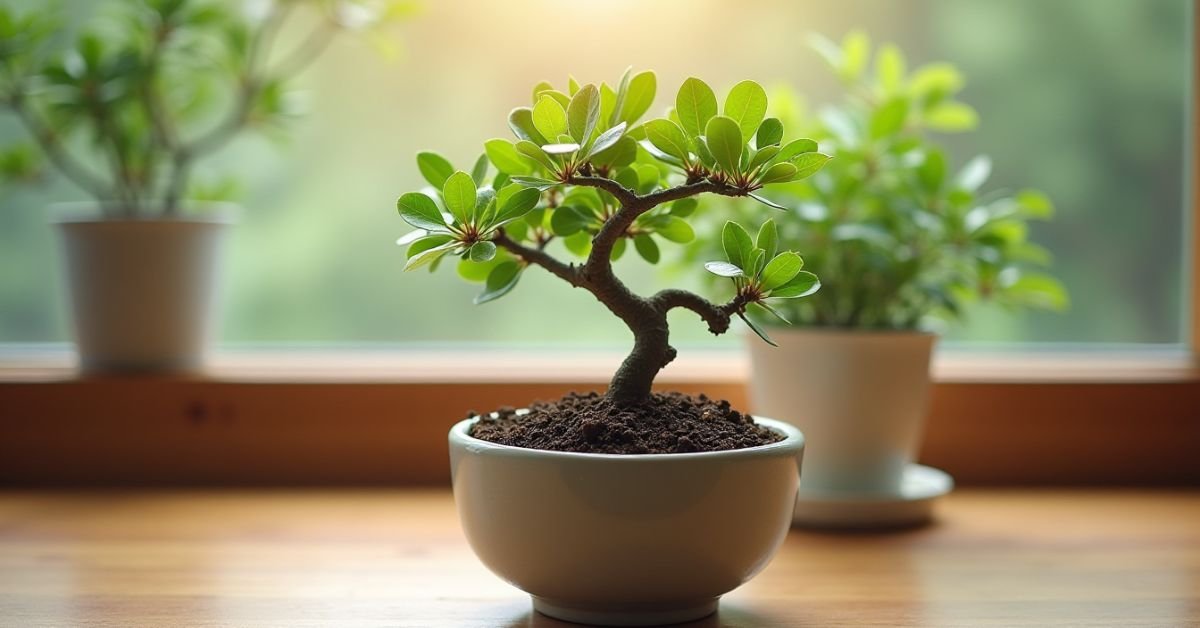
The Jade plant, or Crassula ovata, serves as a hardy succulent that growers often shape into beautiful bonsai trees. This plant features thick, woody stems and fleshy green leaves that store water for long periods. Because it mimics the look of a miniature tree naturally, it offers the perfect starting point for indoor bonsai enthusiasts.
Do you want a thriving, sculptural masterpiece or a wilting pile of mush? Most indoor Jades die because their owners use the wrong dirt. While these plants survive a lot of neglect, they cannot handle “wet feet” for even a few days. The secret to a legendary bonsai lies hidden beneath the surface in the drainage of your soil mix.
This guide explores the ideal soil components you need to achieve perfect indoor growth. You will learn how to balance moisture retention with rapid drainage using materials like pumice, pine bark, and lava rock. By mastering this mix, you ensure your Jade plant develops a strong root system and a thick, impressive trunk.
Jade Plant Bonsai Care Guide for Beginners
Jade plants thrive when they receive plenty of bright, indirect sunlight throughout the day. You should place your bonsai near a south-facing window to keep the leaves vibrant and the stems strong. These succulents store water in their fleshy foliage, so you only need to water them when the soil feels completely dry to the touch. Overwatering remains the biggest threat to these mini trees, so always check the moisture levels before reaching for the watering can.
Pruning your Jade bonsai helps maintain its miniature shape and encourages a thicker, more aged trunk. You can easily pinch off new growth with your fingers or use sharp shears to remove stray branches. Since Jades grow relatively slowly, you only need to repot them every two or three years to refresh the nutrients in the soil. Consistent care and a little patience will transform your simple succulent into a stunning piece of living art.
Jade Plant Bonsai Watering Rules You Must Follow
You must wait for the soil to dry out completely before you add more water to your Jade bonsai. These plants store massive amounts of moisture in their thick leaves and stems to survive dry spells. If you water too often, the roots will rot and the plant will eventually die. Always poke your finger deep into the soil to check for moisture levels before you grab your watering can.
When you do water your plant, you should soak the soil until water runs freely out of the drainage holes. This method ensures that every root gets a drink and flushes out any salt buildup from the dirt. Most growers follow a few simple rules to keep their miniature trees hydrated and healthy:
- Water your plant less often during the cold winter months.
- Avoid splashing water directly onto the leaves to prevent spots.
- Use a pot with large drainage holes to let excess water escape.
- Check the soil every few days during hot summer weather.
Jade Plant Bonsai Soil Mix for Healthy Growth
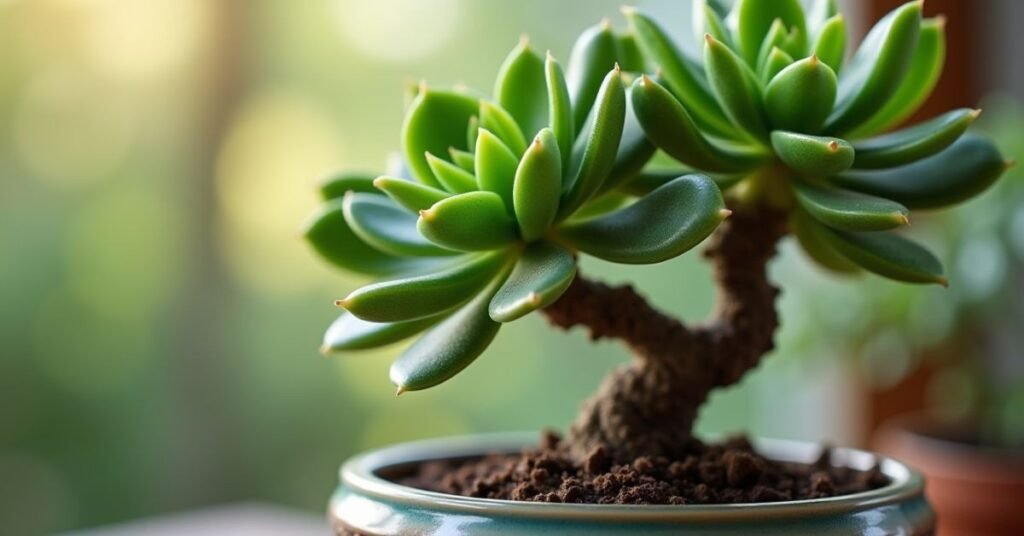
Standard potting soil holds too much water for a Jade bonsai and will eventually suffocate the roots. You need a gritty mix that allows water to flow through the pot almost instantly. High-quality bonsai soil typically contains a blend of inorganic materials like pumice, lava rock, and calcined clay. These hard particles create essential air pockets that allow the roots to breathe and grow strong.
You can create a simple but effective mix by combining equal parts of succulent soil and coarse sand or perlite. This combination provides just enough nutrients while ensuring the roots never sit in stagnant pools of water. A well-draining medium prevents root rot and mimics the rocky, dry environment where these plants naturally grow. When you use the right soil, your Jade plant will develop the thick trunk and healthy leaves that characterize a beautiful bonsai.
Jade Plant Bonsai Pruning and Shaping Tips
You shape your Jade bonsai by removing specific branches to guide the plant’s growth. Regular pruning forces the tree to grow smaller leaves and a much thicker, sturdier trunk. You should always use sharp, clean shears to make precise cuts just above a leaf node. This technique encourages new stems to sprout and creates a dense, bushy appearance over time.
Pruning also helps you maintain the overall balance and health of your miniature tree. You must remove any branches that grow straight down or cross over each other to keep the structure clean. Most enthusiasts follow these basic shaping rules to achieve a professional look:
- Pinch off the tips of new shoots to encourage branching.
- Remove large leaves that block sunlight from reaching the inner stems.
- Cut back leggy growth to keep the tree compact and upright.
- Allow the wounds to air dry for a few days before you water the plant.
Jade Plant Bonsai Sunlight Requirements Explained
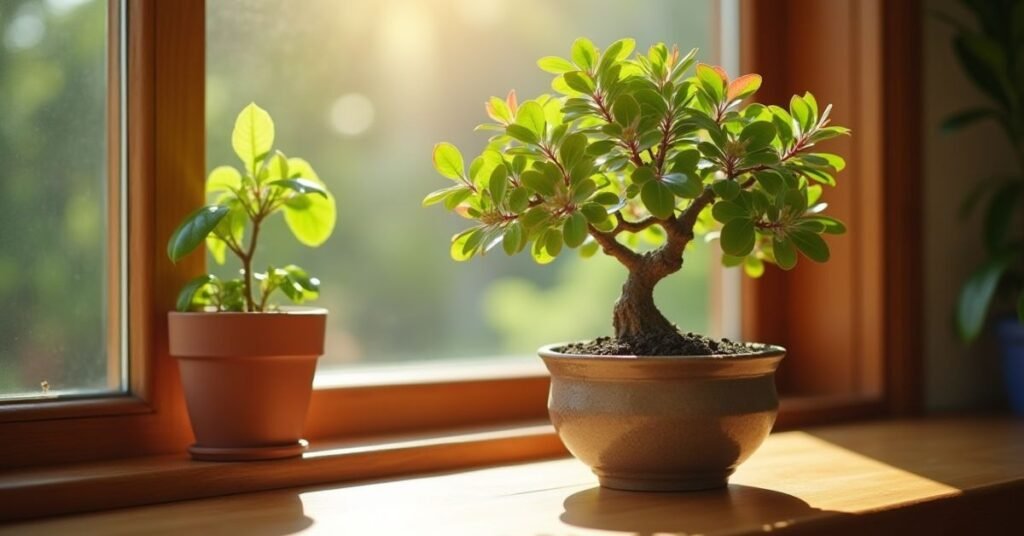
Jade plants love the sun and need plenty of bright light to stay healthy and compact. You should place your bonsai in a spot that receives at least six hours of sunlight every single day. If your plant lives in a dark corner, the stems will stretch out and become weak as they hunt for light. A sunny windowsill facing south or west usually provides the best environment for your miniature tree to flourish.
While these succulents enjoy the heat, a sudden move into intense summer sun can actually scorch the leaves. You must introduce your plant to direct outdoor sunlight gradually to help it toughen up. Watch the color of the leaves to see if your plant feels happy in its current spot. Most growers look for these specific signs to manage light levels:
- Red edges on the leaves often mean your plant receives the perfect amount of light.
- Pale green or yellow leaves might suggest the plant needs more sun.
- Brown, crispy spots usually indicate the sun is burning the foliage.
- Stretching stems mean you should move the pot to a brighter location.
Jade Plant Bonsai Propagation from Cutting
You can easily grow new bonsai trees by taking small cuttings from your main plant. First, select a healthy stem and cut it cleanly with a sharp pair of scissors. You must let the cut end sit in a dry spot for several days until a hard callus forms over the wound. This simple waiting period prevents the stem from rotting once you place it in the soil.
Once the end feels dry and firm, you can stick the cutting into a pot filled with gritty soil. Do not water the new plant immediately because it has no roots to soak up the moisture yet. You will see new growth appear in a few weeks as the cutting establishes itself in its new home. Many gardeners follow these steps to ensure their cuttings turn into successful new trees:
- Choose a stem that has at least two or three healthy leaves.
- Place the cutting in a bright spot but keep it out of direct sunlight.
- Mist the soil surface lightly only after the first roots start to grow.
- Wait until the plant feels sturdy before you begin a regular watering routine.
Jade Plant Bonsai Common Problems and Fixes
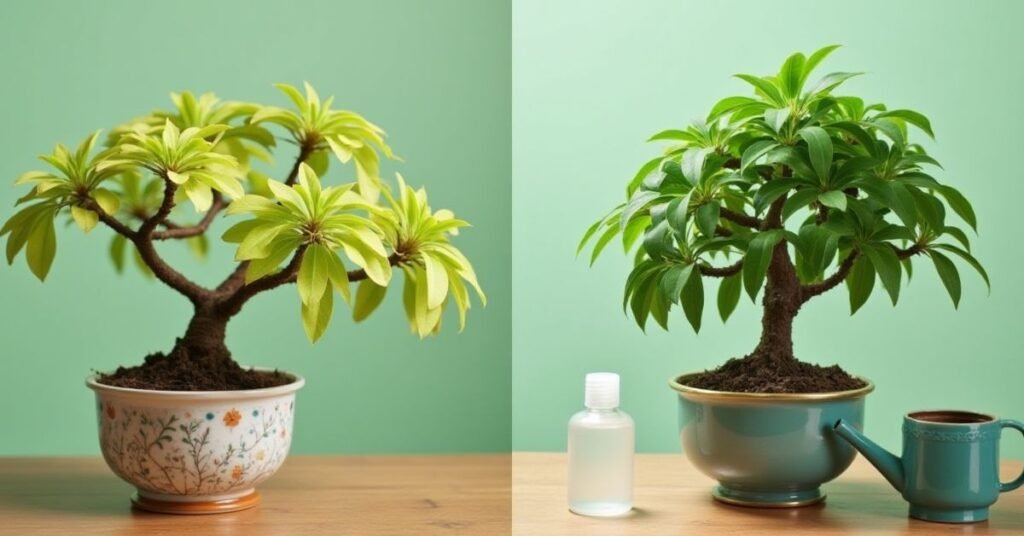
Most problems with your Jade bonsai come from either too much water or too little light. If you notice soft, mushy leaves or a dark stem, your plant likely suffers from root rot. You must stop watering immediately and let the soil dry out completely to save the tree. On the other hand, wrinkled and shriveled leaves mean your plant is thirsty and needs a deep soak.
Insects like mealybugs can also attack your Jade plant and hide in the small crevices of the branches. These pests look like tiny bits of white cotton and suck the sap out of your tree. You can remove them by dabbing the bugs with a cotton swab dipped in rubbing alcohol. Use the table below to identify other common issues and find a quick solution for your bonsai.
| Problem | Likely Cause | Easy Fix |
| Yellowing leaves | Overwatering | Let the soil dry and improve drainage. |
| Dropping leaves | Not enough light | Move the pot to a sunnier window. |
| Tall, skinny stems | Lack of sunlight | Prune the plant and increase light. |
| White spots on leaves | Salt in tap water | Use filtered water or rainwater instead. |
| Sticky residue | Pest infestation | Wipe leaves with neem oil or soapy water. |
| Soft, brown spots | Fungal infection | Increase air flow and remove affected parts. |
| Slow or no growth | Old soil | Repot the plant with fresh bonsai mix. |
| Roots growing out of holes | Root bound | Move the plant into a slightly larger pot. |
Jade Plant Bonsai Indoor Care Guide for Healthy Growth
You can grow a beautiful Jade bonsai indoors if you provide the right environment for your tree. These plants need a warm spot with plenty of air circulation to keep the leaves dry and healthy. Most indoor Jades thrive in temperatures between 18°C and 24°C during the day. You should keep your pot away from cold drafts or heating vents that can dry out the plant too quickly.
Finding the perfect light source is the most important step for indoor success. A south-facing window offers the best natural light for your bonsai to maintain its compact shape. If your home lacks bright windows, you can use a simple LED grow light to help your plant grow. Consistent
Jade Plant Bonsai Styling Ideas for Beautiful Shape
You can choose from several classic styles to give your Jade bonsai a unique and artistic look. Many growers prefer the formal upright style where the trunk grows straight and tapers toward the top. This shape mimics a majestic tree standing alone in an open field. You achieve this by pruning side branches and letting the main stem grow strong and tall.
Another popular choice is the slanting style which makes the tree look like it survived heavy winds. You can also try the forest style by planting several small Jades together in a shallow tray. This arrangement creates the illusion of a miniature woodland in your own home. Experimenting with these different shapes allows you to turn your succulent into a true piece of living sculpture.
Read More Information | https://plantsopedia.com/growing-lavender-plants/
Jade Plant Bonsai Complete Maintenance Guide
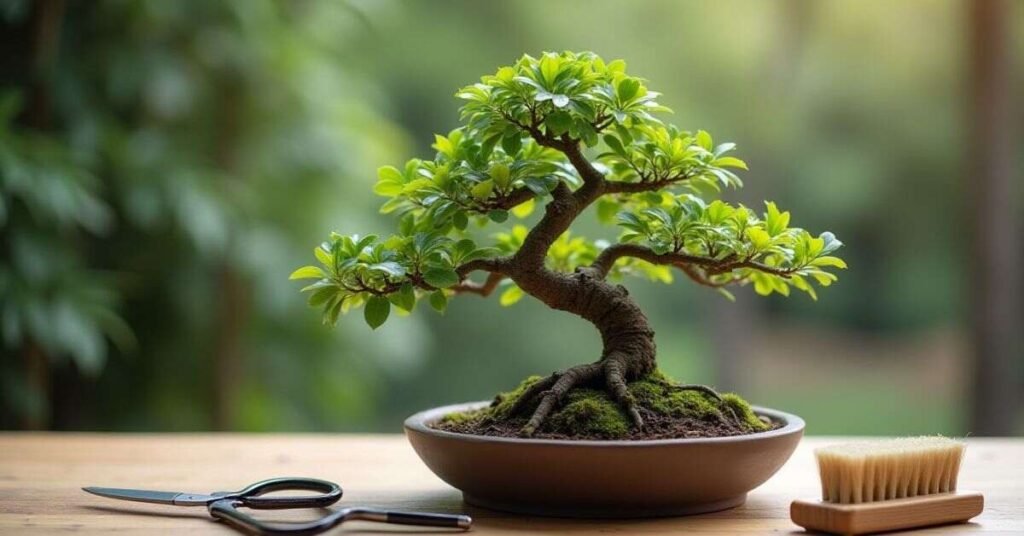
You must keep a close eye on your Jade bonsai to ensure it stays healthy throughout the seasons. Regular maintenance involves checking the soil moisture and cleaning the leaves to remove dust. Removing dead or yellowing leaves prevents pests from hiding in the foliage and keeps the plant looking tidy. You should also rotate the pot every week so each side of the tree receives an equal amount of sunlight.
Fertilizing your bonsai provides the essential nutrients the plant needs to build a thick trunk. You should apply a balanced liquid fertilizer once a month during the active growing seasons of spring and summer. Avoid feeding the plant in the winter when its growth slows down naturally. By following these simple steps, you create a strong foundation for your miniature tree to live for many decades.
Daily Care Routine for Jade Plant Bonsai Growth
You can keep your Jade bonsai healthy by spending just a few minutes on it every morning. Start by checking the soil with your finger to see if the plant needs water. You should also look at the leaves for any signs of dust or tiny pests. A quick daily check prevents small issues from turning into big problems for your miniature tree.
Good habits lead to a beautiful and strong bonsai over time. You should ensure your plant sits in a sunny spot where it can soak up the morning light. Keeping the area clean and organized helps you notice even the smallest changes in growth. Most successful growers follow these simple daily and weekly steps:
- Rotate the pot slightly so the sun hits every side of the tree.
- Wipe the leaves with a damp cloth to remove dust and help the plant breathe.
- Empty the drainage tray to make sure the pot does not sit in standing water.
- Check the branches for any new shoots that might need pinching later.
Seasonal Maintenance Tips for Plants Bonsai Health
You must adjust your care routine as the weather changes throughout the year. During the spring and summer, your Jade bonsai grows quickly and needs more water and food. You should move your plant to the sunniest spot in your home or even place it outside in the fresh air. This extra light and warmth help the trunk grow thick and the leaves stay vibrant.
When the temperature drops in autumn and winter, your plant enters a resting phase. You should stop fertilizing and reduce your watering schedule significantly during these colder months. The soil takes much longer to dry out, so you must be extra careful to avoid rot. Most growers follow these seasonal rules to keep their miniature trees safe all year:
- Move your plant indoors before the first frost hits in the autumn.
- Keep the bonsai away from cold window drafts and heater vents in the winter.
- Begin fertilizing again in early spring when you see new green growth.
- Increase the watering frequency only when the days become longer and warmer.
FAQs
How often should I water my Jade plant bonsai? You should water your plant only when the soil feels completely dry to the touch. Most indoor Jades need a deep soak every two to three weeks depending on the humidity.
Does my Jade bonsai need special fertilizer? Spring and summer are good times to use a balanced liquid fertilizer diluted half strength. Avoid feeding your plant in the winter when growth naturally slows down.
Can I grow a Jade bonsai in a room without windows? Jade plants require bright light to survive and will stretch out in dark rooms. You must use a dedicated LED grow light if you do not have access to a sunny window.
Why are the leaves falling off my Jade bonsai? Leaf drop usually happens because of overwatering or a sudden lack of sunlight. Check the roots for rot and move the pot to a brighter location immediately.
When is the best time to prune my Jade tree? You can prune your Jade bonsai at any time of year because it is a hardy succulent. Most growers prefer to do heavy shaping in the spring to take advantage of the active growing season.
Conclusion
Growing a Jade plant bonsai brings a lot of joy and a touch of nature into your home. You do not need to be a master gardener to succeed with this beautiful miniature tree. If you provide plenty of sunlight and avoid overwatering, your plant will reward you with thick stems and vibrant green leaves. Remember that patience is your best tool as you watch your bonsai slowly transform over the years.
Every small effort you put into pruning and soil care helps create a living piece of art. These hardy succulents forgive small mistakes and grow stronger with consistent attention. You now have all the basic knowledge to start your own indoor garden journey today. Enjoy the process of shaping your Jade bonsai and celebrate every new leaf that grows.

Jack Rivers is the founder of Plantsopedia, dedicated to making plant care simple, science-backed, and accessible for everyone. With a deep interest in botanical care and plant psychology, he specializes in rare tropical species and organic growth techniques, helping enthusiasts understand the soil, light, and biology behind every thriving plant. When he’s not experimenting with new propagation methods, Jack is busy turning complex horticultural science into practical, everyday advice for home gardeners