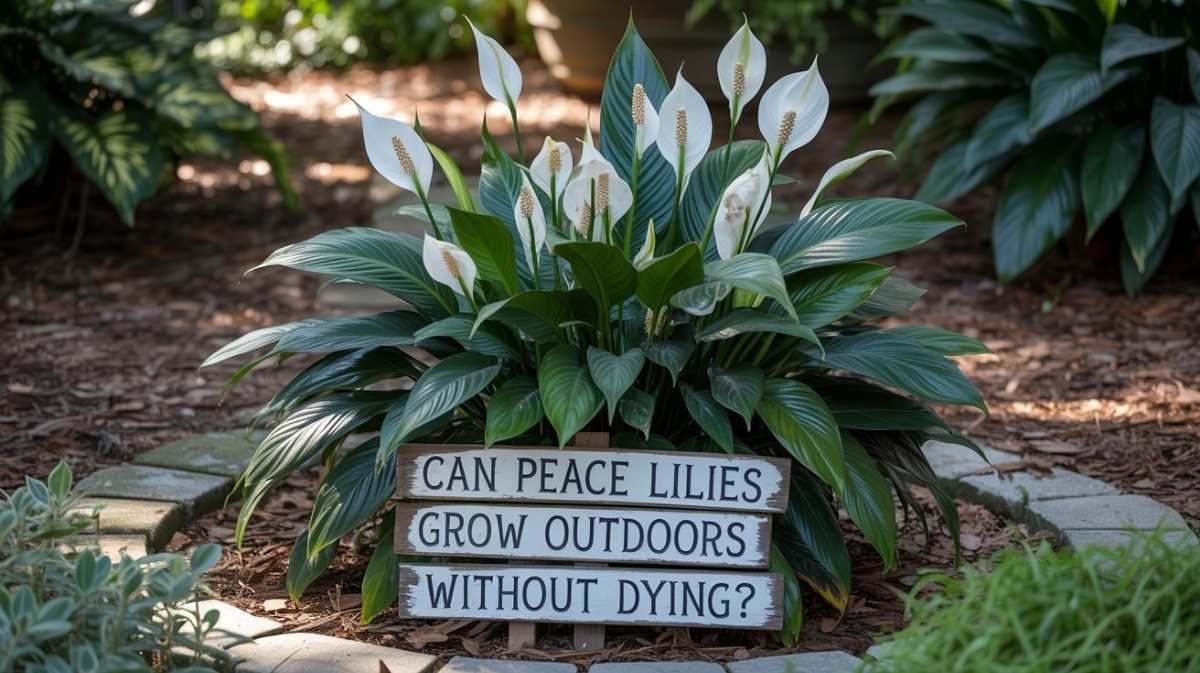
Peace lilies instantly make spaces feel calmer with their glossy green leaves and soft white flowers. Most people know them as indoor plants sitting near windows or office desks quietly improving the atmosphere. However many plant owners eventually wonder if peace lilies can survive outdoors without becoming damaged by heat sunlight or changing weather conditions.
That question becomes more important during warmer months when patios balconies and shaded gardens start filling with plants again. Some people move peace lilies outside temporarily while others want them growing outdoors year round. The good news is peace lilies can thrive outside beautifully when planted in the right environment with proper care and protection.
Can Peace Lilies Be Planted Outdoors?
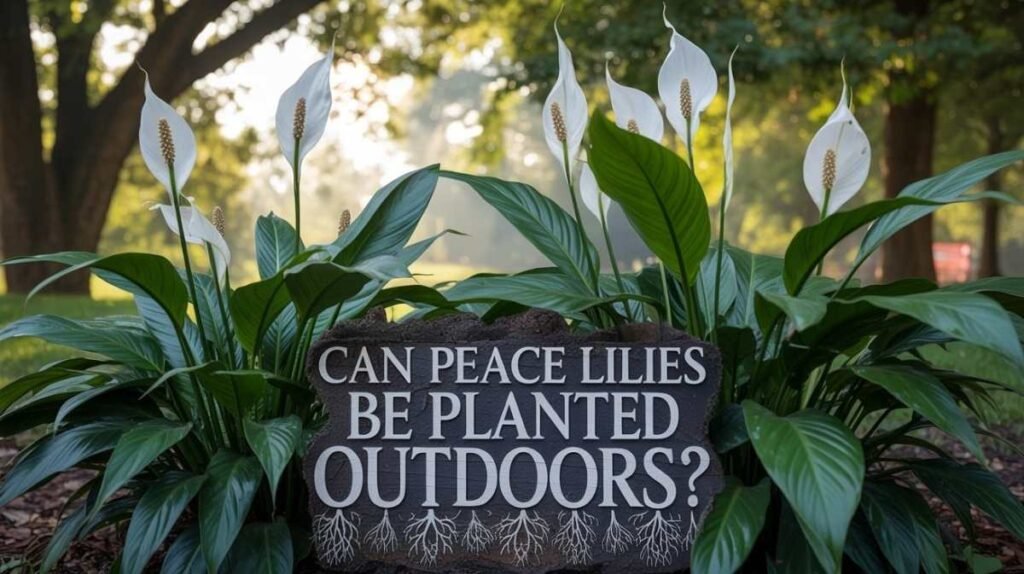
Yes peace lilies can grow outdoors successfully in warm humid climates with plenty of shade and protection from extreme weather. These tropical plants naturally prefer stable temperatures, moist soil and indirect sunlight which makes certain outdoor spaces perfect for healthy long-term growth throughout the year.
However outdoor success depends heavily on climate conditions. Peace lilies struggle in areas with frost freezing temperatures or intense afternoon sunlight. Cold weather damages leaves quickly while harsh direct sun can burn the plant within days. That is why outdoor peace lily care works best in tropical or subtropical environments where temperatures stay consistently mild.
Best Climate for Outdoor Peace Lilies
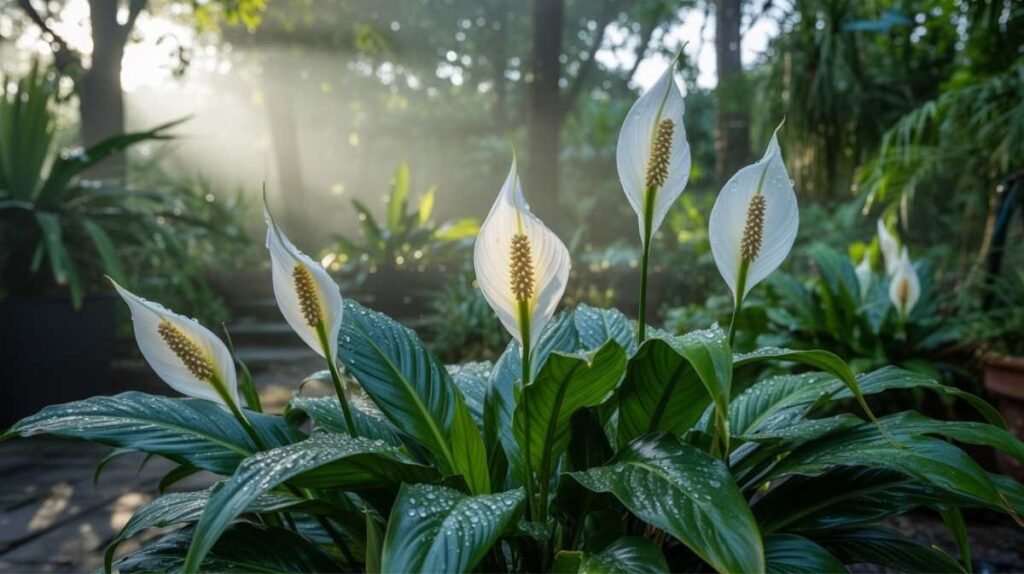
Peace lilies thrive best in warm climates with moderate humidity and stable temperatures. They grow naturally in tropical regions where rainfall warmth and filtered sunlight remain consistent throughout most of the year. Outdoor conditions that feel similar usually help these plants stay healthy, vibrant and full of deep green foliage.
Sudden temperature drops create problems surprisingly fast. Once outdoor temperatures fall below around 55°F peace lilies often begin showing stress through drooping yellowing or damaged leaves. Frost becomes especially dangerous because these plants cannot tolerate freezing conditions for extended periods outdoors.
Why Warm Temperatures Matter
Warmth helps peace lilies maintain healthy foliage and steady growth throughout the growing season. Cooler weather slows growth dramatically while cold air can weaken roots and damage leaves over time. That is why outdoor peace lilies usually perform best in areas where temperatures remain relatively mild both day and night.
Humidity also plays an important role. Dry outdoor air especially during hot summers can make leaves develop crispy brown edges. Tropical-style environments with higher moisture levels help peace lilies maintain softer healthier foliage without constant stress from dry conditions.
How Frost Damages Peace Lilies
Frost can destroy peace lilies very quickly because their leaves contain delicate moisture-sensitive tissue. Once freezing temperatures hit the plant often develops blackened leaves, mushy stems and severe stress that becomes difficult to reverse completely after prolonged exposure outdoors.
Many gardeners move outdoor peace lilies inside temporarily once colder weather approaches. Container planting makes this much easier especially in regions with unpredictable seasonal temperature changes. That flexibility often protects the plant from permanent winter damage while allowing outdoor growth during warmer months.
Where to Plant Peace Lilies Outside
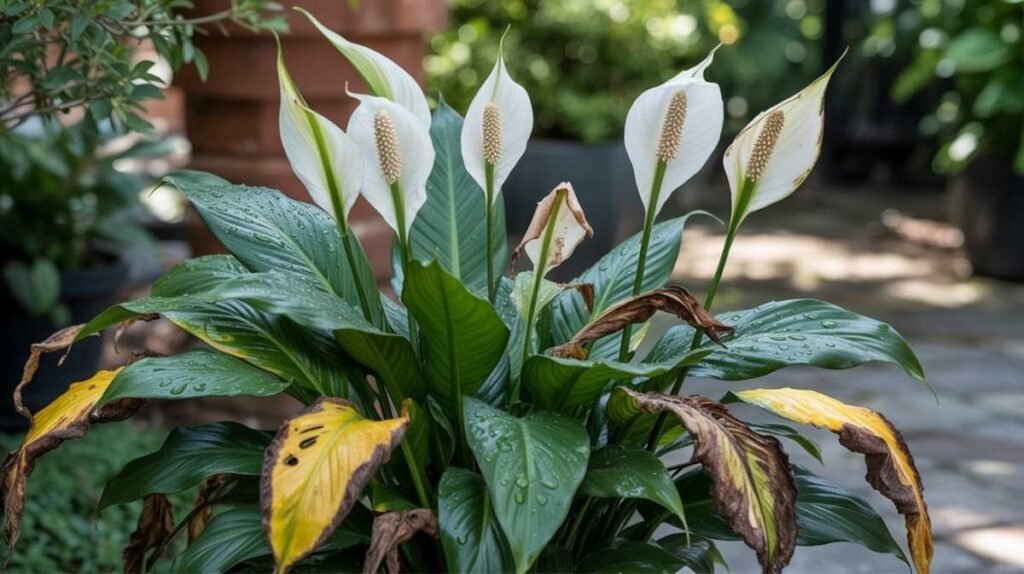
Location matters enormously when growing peace lilies outdoors. These plants prefer shaded or partially shaded areas where sunlight stays softer throughout the day. Covered patios, shaded porches, balconies and spaces beneath larger trees often create excellent growing conditions naturally.
Filtered sunlight works much better than direct afternoon exposure. Morning light usually remains gentle enough while harsh midday sun often burns the leaves surprisingly fast. Outdoor peace lily care becomes much easier when the plant stays protected from intense heat and strong direct sunlight consistently.
Peace lilies also work beautifully in tropical-style garden landscapes. Their rich green leaves pair naturally with ferns palms and other humidity-loving plants commonly grown in shaded outdoor areas. That layered greenery creates a softer, more relaxing garden atmosphere while helping maintain moisture around surrounding plants.
Can Peace Lilies Grow in Direct Sunlight?
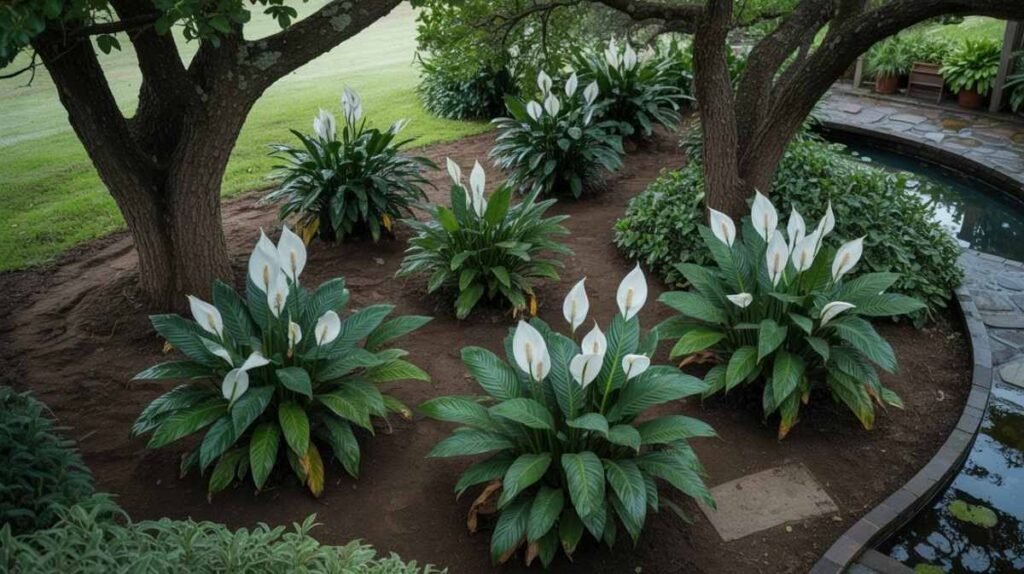
Peace lilies do not handle strong direct sunlight very well especially during hotter parts of the day. Too much intense sun exposure can scorch the leaves causing yellow patches, brown edges or faded unhealthy-looking foliage surprisingly quickly during summer weather.
Bright indirect light remains the safest option outdoors. Soft filtered sunlight beneath trees or covered outdoor spaces usually provides enough brightness without damaging the plant. Some early morning sun may help growth slightly however intense afternoon heat often creates unnecessary stress for peace lilies outside.
Leaf damage usually becomes easy to spot once sunlight becomes excessive. Burned leaves may curl, fade or develop dry crispy patches around the edges. Moving the plant into more shaded conditions often helps prevent further damage while allowing new healthy growth to return gradually.
How Often to Water Outdoor Peace Lilies
Outdoor peace lilies usually need more water compared with indoor plants because heat airflow and outdoor temperatures dry soil faster throughout the day. The soil should remain lightly moist without becoming waterlogged or excessively soggy around the roots constantly.
During warmer seasons many outdoor peace lilies need watering several times weekly especially in hotter climates. However drainage still matters greatly because standing water can lead to root rot and fungal issues beneath the soil surface over time.
One simple sign helps many beginners. Peace lilies often droop dramatically once they become thirsty. Fortunately they usually recover fairly quickly after proper watering. That response makes it easier for plant owners to recognize moisture problems before serious long-term damage develops outdoors.
Mulch also helps outdoor peace lily care significantly. A thin layer around the base helps soil retain moisture longer while reducing temperature stress during hotter days. That extra protection often keeps the roots healthier and more stable throughout summer conditions.
Peace Lily Outdoor Care Tips
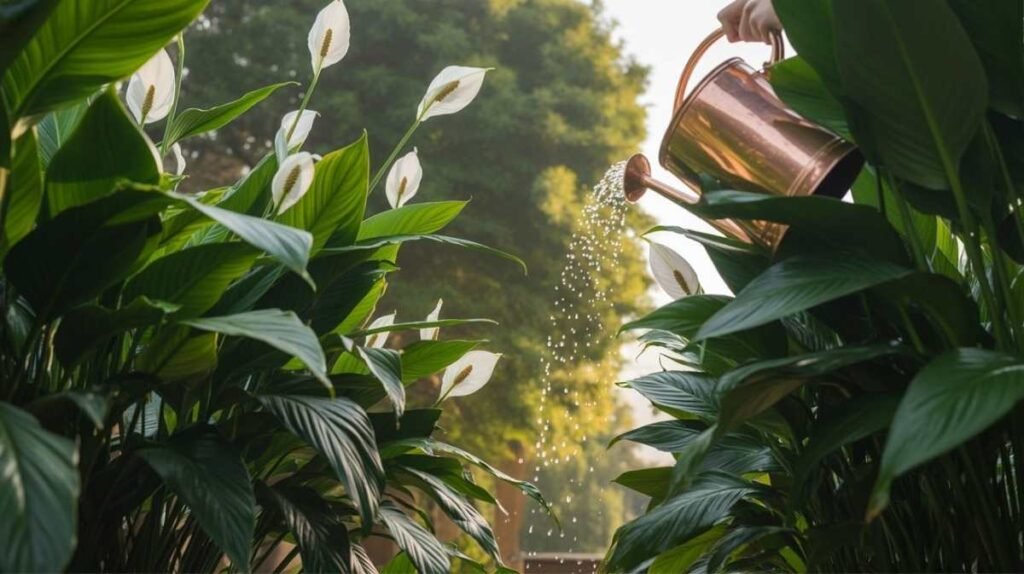
Healthy outdoor peace lilies usually need consistent moisture shade and occasional feeding during active growing months. Balanced fertilizer every few weeks can encourage stronger foliage and healthier flowers especially during spring and summer when growth naturally increases outdoors.
Pruning damaged leaves also keeps the plant healthier overall. Yellowing brown or burned foliage should be removed gently to encourage fresh growth and improve airflow around the plant. Cleaner foliage also helps peace lilies maintain a fuller, more attractive appearance in outdoor spaces.
Pests occasionally become a problem too. Aphids, spider mites and mealybugs sometimes appear especially in humid conditions with poor airflow. Regularly checking leaves helps catch small infestations early before they spread across surrounding plants outdoors.
Container planting gives gardeners more control over outdoor peace lily care. Pots make it easier to move plants during storms temperature changes or seasonal weather shifts while also improving drainage management in difficult climates.
Should You Plant Peace Lilies in Pots or Ground?
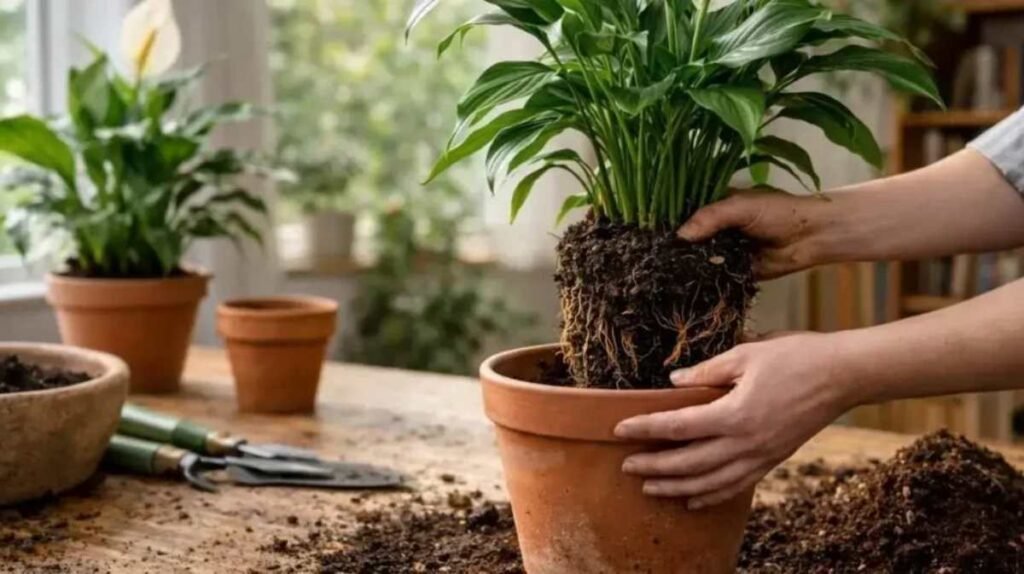
Both options can work successfully depending on climate and garden setup. Peace lilies planted directly in the ground often grow larger because roots have more space and stable moisture levels. Tropical gardens especially provide ideal conditions for long-term outdoor growth naturally.
However containers remain safer for many gardeners especially outside tropical regions. Potted peace lilies can move indoors during cold weather which greatly reduces frost damage risk. That flexibility makes outdoor care easier for beginners or homeowners living in climates with seasonal changes.
Decoratively potted peace lilies also look beautiful on patios, balconies and shaded entryways. Their rich green foliage instantly softens outdoor spaces while creating a calm tropical atmosphere around seating areas or garden corners.
Common Problems With Outdoor Peace Lilies
Outdoor peace lilies sometimes develop drooping leaves, yellow foliage or brown edges when conditions become stressful. Too much sunlight, inconsistent watering or poor drainage usually causes most problems surprisingly quickly once the plant begins struggling outdoors.
Overwatering can become especially dangerous because soggy roots eventually rot beneath the soil surface. Yellowing leaves combined with constantly wet soil often signal drainage issues rather than underwatering problems. Allowing slight airflow and balanced moisture usually improves plant health naturally.
Sunburn creates another common issue outdoors. Leaves exposed to harsh sunlight may fade, curl or develop crispy brown patches. Moving the plant into filtered light often helps prevent additional damage while encouraging healthier future growth.
Cold weather also stresses peace lilies rapidly. Chilly nights, strong winds and sudden temperature drops may weaken foliage even before frost arrives. Watching seasonal weather carefully helps outdoor peace lily owners react before serious damage develops unexpectedly.
Can Peace Lilies Stay Outside Year Round?
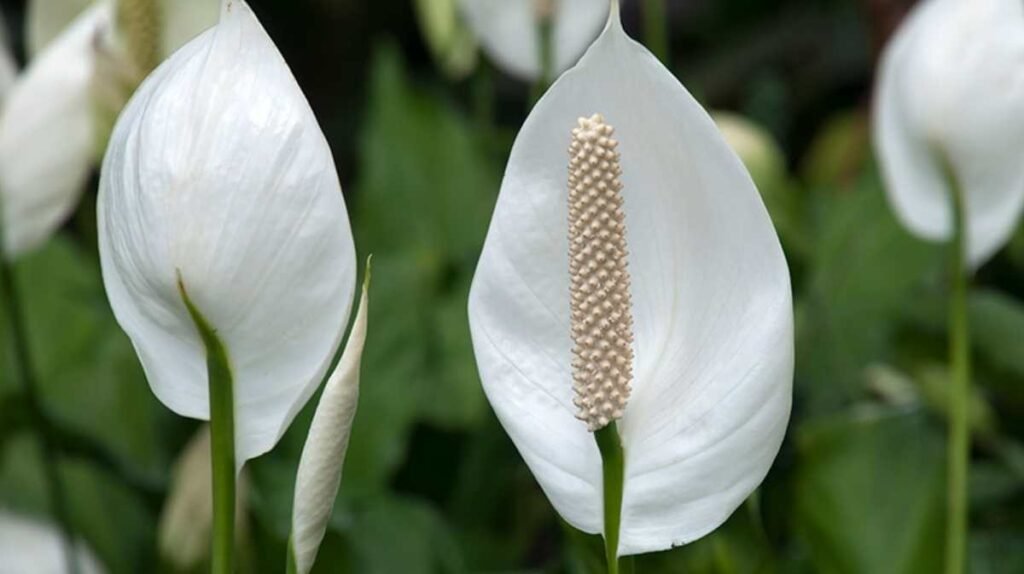
Peace lilies can stay outdoors year round mainly in tropical or subtropical climates where temperatures remain warm consistently. Areas without frost or freezing winter conditions usually allow long-term outdoor growth without major seasonal problems affecting the plant.
In cooler climates outdoor peace lilies often need temporary indoor protection during colder months. Many gardeners bring containers indoors once temperatures begin dropping regularly during autumn evenings. That simple step helps preserve healthy foliage while preventing frost damage completely.
Outdoor peace lilies usually thrive longest when gardeners adapt care seasonally instead of treating the plant exactly the same year round. Watching temperature sunlight and moisture changes closely helps maintain healthier growth through shifting weather conditions outdoors.
Final Thoughts
Peace lilies can grow outdoors beautifully when planted in warm shaded and humid environments protected from harsh weather conditions. Their tropical appearance instantly softens outdoor spaces while creating lush greenery around patios balconies and garden areas naturally.
The biggest secret involves balance. Too much sun cold weather or excessive moisture can stress peace lilies surprisingly fast outdoors. However once gardeners provide filtered light stable warmth and moist well-drained soil these plants often thrive outside with very little trouble over time.
FAQs
Do peace lilies like sun or shade?
Peace lilies prefer bright indirect light or partial shade instead of strong direct sunlight. Too much harsh afternoon sun can burn the leaves surprisingly quickly especially during hotter summer weather outdoors.
Can peace lilies survive winter outdoors?
Peace lilies survive winter outdoors only in warm frost-free climates. Freezing temperatures damage the leaves roots and stems very quickly once cold weather becomes severe outdoors.
How big do outdoor peace lilies grow?
Outdoor peace lilies often grow larger than indoor plants because they receive more humidity warmth and root space. Some mature plants can reach several feet tall in ideal tropical conditions.
Are peace lilies good outdoor plants?
Yes peace lilies make excellent outdoor plants for shaded patios tropical gardens and covered outdoor areas. Their glossy leaves and elegant flowers create calm greenery while requiring relatively simple maintenance in proper conditions.

Jack Rivers is the founder of Plantsopedia, dedicated to making plant care simple, science-backed, and accessible for everyone. With a deep interest in botanical care and plant psychology, he specializes in rare tropical species and organic growth techniques, helping enthusiasts understand the soil, light, and biology behind every thriving plant. When he’s not experimenting with new propagation methods, Jack is busy turning complex horticultural science into practical, everyday advice for home gardeners