Introduction
The Calandiva Plant is a beautiful succulent known for its thick, glossy leaves and clusters of double-petal flowers. It is a specific cultivar of the Kalanchoe blossfeldiana plant. Unlike other flowers, these plants are bred to produce more blooms that look like tiny roses. They are popular houseplants because they are hardy and come in vibrant colors like pink, red, and orange.
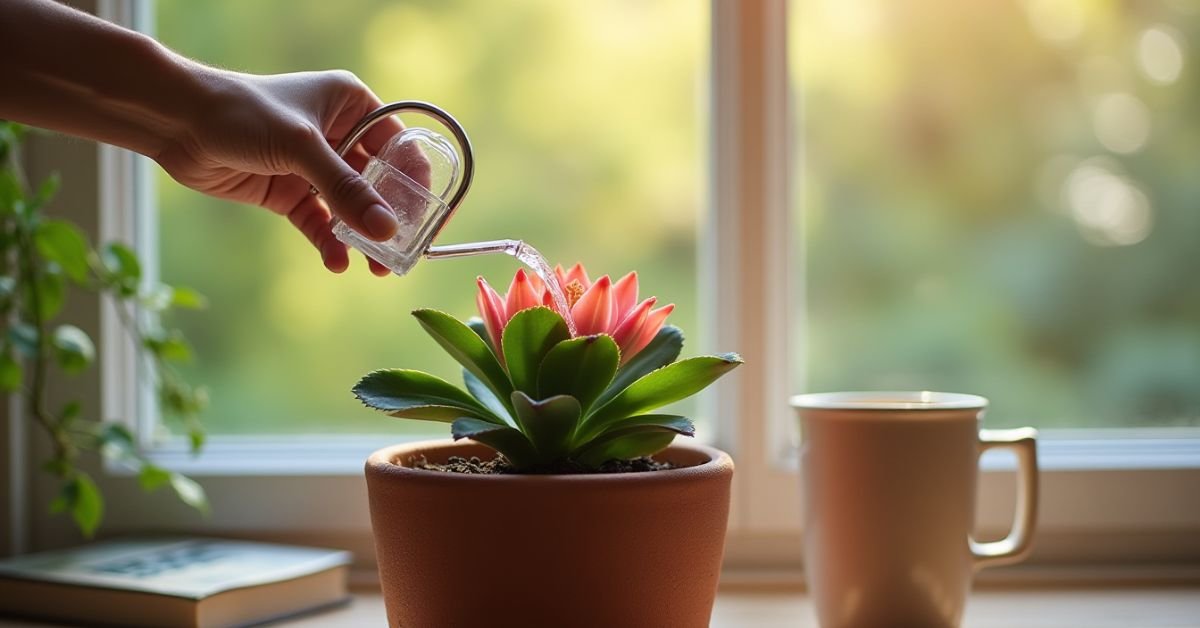
Have you ever wondered why your Calandiva stops blooming or why its leaves turn mushy? The secret isn’t just luck; it’s all in the way you handle your watering can. Most people accidentally kill their plants with too much love. Mastering the balance of moisture is the only way to see those stunning flowers year after year.
Proper watering is the most important part of Calandiva care. Because they are succulents, they store water in their fleshy leaves to survive dry spells. If the roots sit in soggy soil for too long, the plant will rot and fail to flower. This guide will show you exactly when and how to water so your plant stays healthy and bright.
Calandiva Plant Care Tips
Calandiva plants love bright, indirect sunlight to keep their flowers blooming. You should place your plant near a sunny window but keep it away from direct afternoon heat. If the leaves turn a deep red, it might be getting too much sun. These succulents also prefer room temperatures between 15°C and 25°C. They do not like cold drafts or frosty windows during the winter months.
A happy Calandiva needs well-draining soil to prevent its roots from rotting. You can use a standard cactus or succulent mix to ensure the water flows through easily. Only water the plant when the top inch of soil feels completely dry to the touch. It is better to underwater this plant than to give it too much moisture. Always make sure your pot has drainage holes so the extra water can escape quickly.
Popular Calandiva Plant Varieties
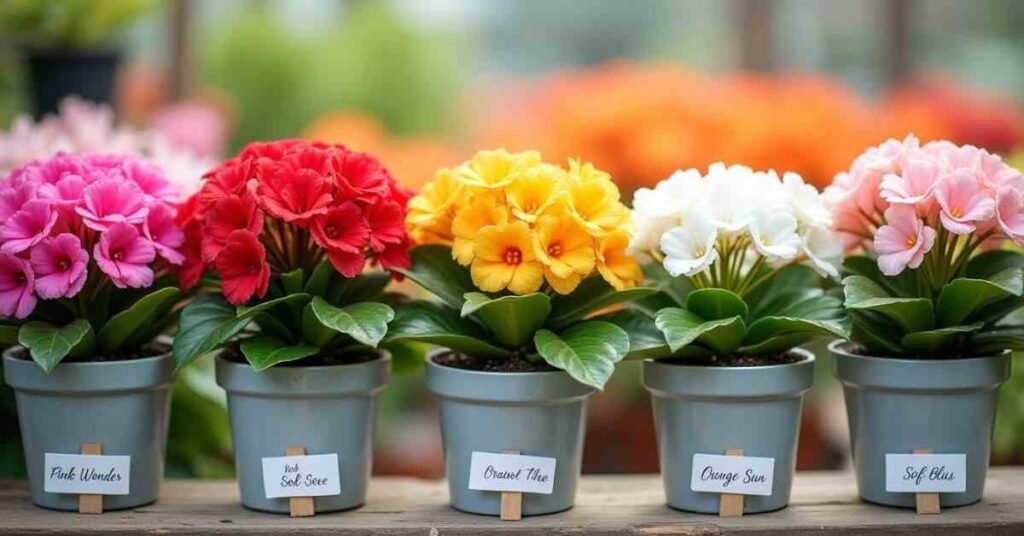
Calandiva plants are famous for their many vibrant colors and rose-like flower clusters. You can find these succulents in shades of deep red, bright pink, orange, and even soft white. Each variety has the same thick, waxy leaves that stay green all year. Many people love to mix different colors together in a single large pot for a beautiful display. These plants are perfect for adding a splash of color to any sunny room in your home.
For longer flowering times, growers have developed specific varieties of Calandiva. Some varieties have double petals that make the blooms look very full and lush. Others are bred to be more compact, so they fit perfectly on a small desk or windowsill. No matter which color you choose, they all share the same hardy nature. Most varieties will bloom for several weeks if you give them the right amount of light and water.
| Variety Name | Flower Color | Best Feature |
| Calandiva Red | Deep Crimson | Very bold color that stands out in any room. |
| Calandiva Pink | Soft Rose | Has delicate, romantic-looking double blooms. |
| Calandiva Orange | Bright Tangerine | Known for its very cheerful and sunny appearance. |
| Calandiva White | Pure Snow | Looks very elegant and clean in modern pots. |
| Calandiva Yellow | Lemon Gold | Brightens up dark corners with its vivid petals. |
| Calandiva Purple | Rich Magenta | A unique shade that looks great with green leaves. |
| Calandiva Bi-Color | Pink and White | Features petals with two different colors on them. |
Keep Your Calandiva Blooming
Getting your Calandiva to bloom again is all about giving it a rest. These plants need long periods of darkness to trigger new flower buds. During the winter, you should keep the plant in a dark room for about 14 hours every night. This trick mimics the natural change in seasons and tells the plant it is time to flower. You must also reduce the amount of water you give it during this resting phase.
Once you see tiny green buds forming, you can move the plant back into bright light. Regular feeding with a balanced liquid fertilizer will help the flowers stay strong and colorful. It is also important to remove any old or wilting flowers right away. This process is called deadheading and it encourages the plant to put its energy into new growth. Your Calandiva will reward you with a thick carpet of blossoms that can last for several weeks.
- Six weeks in total darkness will benefit the plant.
- Keep the temperature cool during the night to help buds develop.
- Use a fertilizer high in potassium once the flowers start to open.
- Avoid overwatering while the plant is resting in the dark.
- Pinch off dead flowers to keep the plant looking neat and healthy.
Calandiva Plant Problems & Fixes
Calandiva plants are usually very hardy, but they can still run into a few common issues. Most problems come from giving the plant too much water or not enough light. If you see the leaves turning yellow or feeling soft, the roots might be getting too wet. You should always check the soil before adding more water to avoid these issues. If the leaves look pale or stretched out, your plant likely needs a brighter spot to grow.
Pests like mealybugs or spider mites can also sometimes bother your Calandiva. These tiny bugs usually hide under the leaves or near the stems where it is hard to see them. You can easily fix this by wiping the leaves with a damp cloth or using a mild soapy spray. Keeping your plant clean and in a spot with good airflow will help it stay strong. If you catch these small problems early, your plant will quickly return to its healthy state.
- Stop watering immediately if you see mushy or brown stems.
- Move the plant to a brighter window if it stops growing new leaves.
- Wipe away white fuzzy spots with a cotton swab dipped in rubbing alcohol.
- Trim off any dried or crispy leaves to help the plant save energy.
- Ensure the pot has large holes so extra water can drain out fast.
Propagate Calandiva at Home
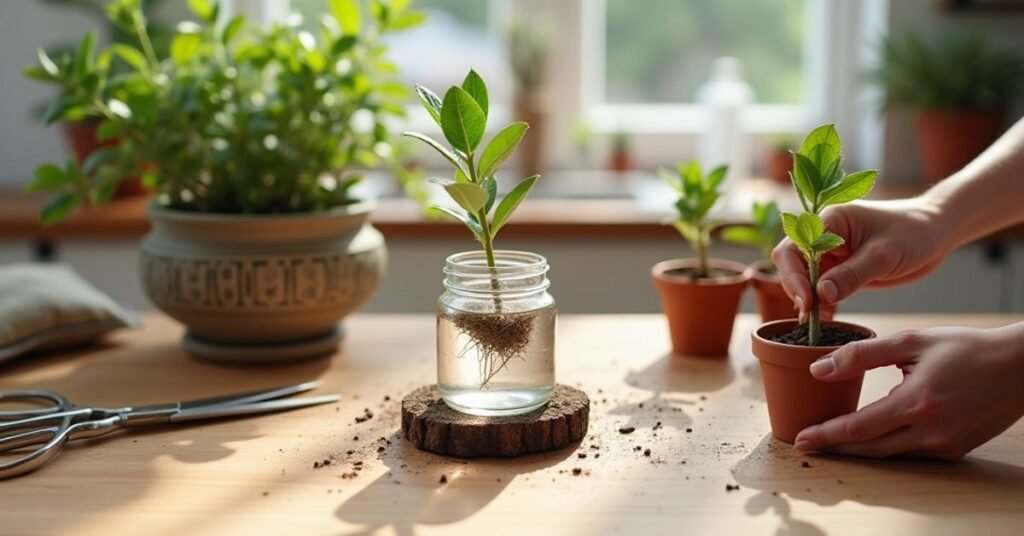
Propagating a Calandiva is a fun and easy way to get new plants for free. You only need a healthy stem or a single leaf to start the process. It is best to take your cuttings during the spring or summer when the plant is growing fast. Always use a clean pair of scissors or a sharp knife to avoid spreading any germs. Within a few weeks, you will see tiny new roots starting to grow.
Once you have your cutting, let it sit in a dry spot for a couple of days. By doing this, the cut end can heal and form a small callus. After the end is dry, you can tuck it into a pot with fresh, sandy soil. Keep the soil just slightly damp but never soaking wet while the roots develop. Soon, you will have a brand-new Calandiva that looks just like the parent plant.
- Cut a four-inch stem that has at least two healthy leaves.
- Remove any flowers from the cutting so it can focus on growing roots.
- Let the cutting air dry for two days before putting it in soil.
- Use a small pot with a mix of peat moss and perlite for drainage.
- Place the new pot in a warm spot with bright, indirect light.
Indoor vs Outdoor Calandiva Care
Calandiva plants usually grow best indoors where the temperature stays steady all day. You can control the light and keep them away from harsh winds or heavy rain. Indoor plants need a bright spot near a window to stay healthy and colorful. They also enjoy the dry air found inside most modern homes. Most people prefer keeping them inside because they are easy to watch and enjoy every day.
You can also grow Calandiva outdoors if you live in a very warm climate. These plants love the fresh air and natural sunlight during the spring and summer months. However, you must bring them inside if the temperature drops below 10°C at night. Outdoor plants usually need more frequent watering because the sun and wind dry out the soil quickly. Always place your outdoor pots in a shaded area to prevent the leaves from burning in the hot afternoon sun.
Best Fertilizers for Calandiva
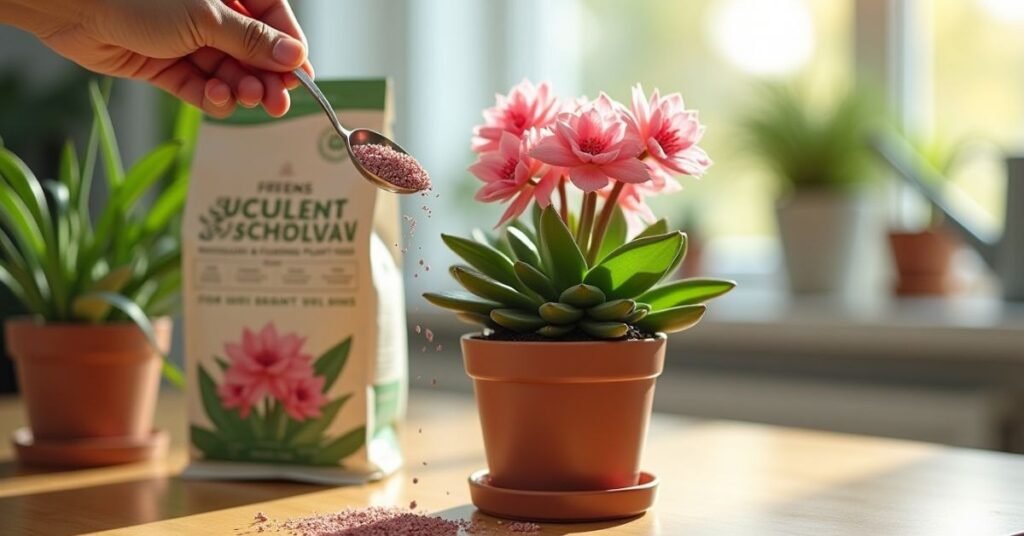
Feeding your Calandiva the right nutrients is the best way to get those famous, rose-like flowers. These succulents are not very hungry plants, but they do need a little boost during the spring and summer. A balanced, water-soluble fertilizer works best to keep the leaves green and the stems strong. You should always dilute the fertilizer to half-strength to avoid burning the sensitive roots. Feeding the plant once a month during the growing season is usually enough to keep it happy.
When your Calandiva is resting in the winter or during its dark period, you should stop fertilizing completely. Giving the plant food when it is not growing can cause salt to build up in the soil. This buildup can lead to brown spots on the leaves or even kill the plant over time. Once you see new flower buds starting to form, you can begin feeding it again. Using a fertilizer that is a bit higher in potassium can help the blooms last longer and look more vibrant.
| Fertilizer Type | N-P-K Ratio | Frequency | Best Used For |
| Balanced Liquid | 10-10-10 | Every 4 weeks | General growth and leaf health during spring. |
| Cactus/Succulent Mix | 2-7-7 | Every 3 weeks | Encouraging more flower buds and root strength. |
| Organic Seaweed | Varies | Twice a year | Providing gentle micronutrients for overall plant health. |
| Slow-Release Pellets | Balanced | Once in Spring | Low-maintenance feeding that lasts for several months. |
| High Potassium Food | 15-15-30 | Every 2 weeks | Boosting flower size and color once buds appear. |
Seasonal Care for Calandiva Plant
During the spring and summer, your Calandiva will grow the most. This is the time to give it plenty of bright light and a little extra water. You should check the soil every week to make sure it is not bone dry. Since the weather is warm, the plant will use up its energy to grow new green leaves. You can also move your plant to a breezy spot to help it stay fresh and healthy.
When the autumn and winter months arrive, your Calandiva needs to rest. You should move the plant to a cooler spot and give it much less water than before. The shorter days and longer nights are actually good because they help the plant get ready to bloom. Keep it away from cold windows or heaters that can dry out the air too much. If you give it a quiet and dark winter, it will reward you with beautiful flowers when spring returns.
Where to Buy Calandiva Plants
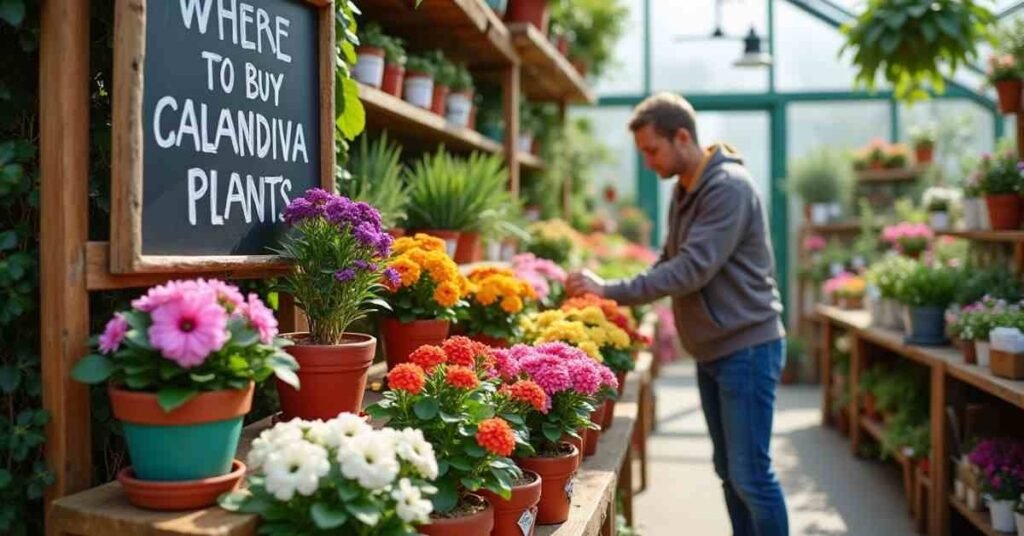
Finding a Calandiva plant is easy because they are very popular in garden centers and online shops. You can often find them at local nurseries or large home improvement stores during the spring and winter months. Many grocery stores also carry them in their floral sections as colorful gift plants. If you prefer shopping from home, there are many trusted online plant sellers that can ship a healthy Calandiva right to your door.
When you are picking out a plant, look for one with plenty of unopened buds and shiny green leaves. Avoid plants that have yellowing leaves or soil that feels soaking wet. Choosing a plant with mostly buds instead of full flowers means you will get to enjoy the blooms for a much longer time at home. Most shops offer these plants in several colors, so you can pick the one that matches your home best.
- Local Garden Centers: Best for picking out the specific color and size you want in person.
- Large Retailers: Look in the indoor plant or floral aisle of stores like Walmart or Bunnings.
- Online Plant Shops: Websites like Succulents Box or Lively Root offer a wide variety of colors.
- Specialty Nurseries: Local nurseries often have healthier plants that are grown with more care.
- Online Marketplaces: Check sites like eBay or Etsy for rare or unique color combinations.
Why Choose a Calandiva Plant
A Calandiva plant is a perfect choice for anyone who wants long-lasting color without much work. These plants are famous for their beautiful flowers that look like tiny, colorful roses. Unlike many other indoor flowers, these blooms can last for several weeks at a time. They also have thick, pretty leaves that stay green and shiny throughout the year. Choosing this plant is an easy way to make any room in your home feel more bright and cheerful.
Another great reason to pick a Calandiva is that they are very tough and easy to keep alive. They do not need to be watered every day and can handle a little bit of forgetfulness. This makes them a great gift for beginners or people with very busy schedules. They stay small and compact, so they fit perfectly on desks, shelves, or windowsills. You get all the beauty of a rose with the hardy nature of a succulent.
Conclusion
A Calandiva plant is a wonderful addition to any indoor space. It brings a bright splash of color and is very easy to manage. By following a few simple steps for light and water, you can keep your plant healthy for a long time. It is a hardy succulent that rewards your care with beautiful, rose-like flowers that last for weeks.
Taking care of this plant does not have to be complicated or stressful. Even if you are a beginner, you can successfully grow and even propagate your own Calandiva at home. Just remember to give it bright light, let the soil dry out, and allow it to rest during the winter. With these simple tips, you will enjoy a vibrant and blooming plant year after year.
FAQs
How often should I water my Calandiva?
You should only water your Calandiva when the top inch of soil feels completely dry. This usually happens every two to three weeks depending on the light and temperature.
Is there a reason why my Calandiva’s leaves are turning yellow?
Yellow leaves are usually a sign that the plant is getting too much water. Make sure your pot has drainage holes and let the soil dry out before watering again.
Does a Calandiva need direct sunlight?
These plants love bright light but can get burned by hot, direct afternoon sun. It is best to place them near a sunny window with a sheer curtain for protection.
How long do Calandiva flowers last?
A single cluster of Calandiva blooms can last for six to eight weeks if the plant is happy. Removing dead flowers will help the plant stay healthy and look neat.
Is the Calandiva plant safe for pets?
No, the Calandiva is part of the Kalanchoe family and is toxic to cats and dogs if eaten. It is best to keep this plant on a high shelf away from your furry friends.

Jack Rivers is the founder of Plantsopedia, dedicated to making plant care simple, science-backed, and accessible for everyone. With a deep interest in botanical care and plant psychology, he specializes in rare tropical species and organic growth techniques, helping enthusiasts understand the soil, light, and biology behind every thriving plant. When he’s not experimenting with new propagation methods, Jack is busy turning complex horticultural science into practical, everyday advice for home gardeners