
Introduction
Floating aquarium plants are species that live on the water’s surface instead of being rooted in the soil. They have leaves that stay above the water while their roots hang down into the tank. These plants are very easy to grow and can live in many different types of fish tanks.
Do you want to keep your fish happy and your tank water crystal clear without much effort? Many fish owners struggle with algae growth or shy pets that hide all day. Floating plants offer a natural solution that transforms the look of your aquarium instantly.
This guide covers everything you need to know about these unique plants. You will learn about the best types to choose and the many benefits they provide to your underwater ecosystem. We also include simple care tips to help your floating greenery thrive for a long time.
Best Floating Aquarium Plants
Choosing the right floating plants can make your aquarium look like a natural underwater jungle. Some plants grow very fast and cover the surface quickly, while others stay small and neat. These plants are great because they provide shade and help keep the water clean for your fish.
Most fish lovers start with a few popular choices that are hard to kill. You can pick plants with tiny leaves or ones with long, flowing roots that your fish will love to swim through. Here are some of the best options for any home tank:
- Amazon Frogbit: This plant has round, thick leaves and very long roots.
- Red Root Floater: These are famous for their bright red roots and colorful leaves.
- Salvinia Minima: A hardy plant with small, fuzzy leaves that repels water.
- Water Lettuce: This one looks like a small head of cabbage floating on top.
- Duckweed: These are tiny green dots that grow incredibly fast in almost any light.
Types of Floating Aquarium Plants
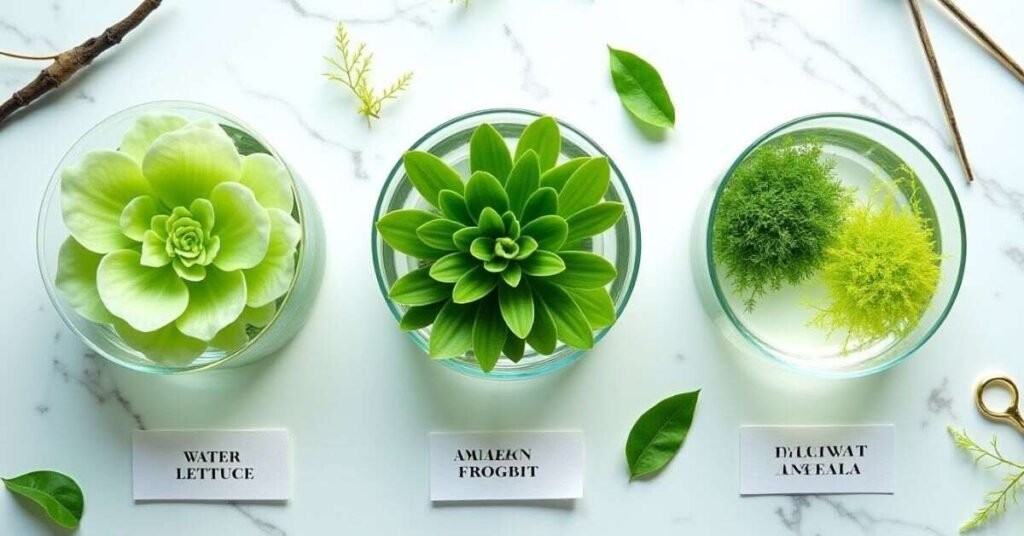
Floating aquarium plants come in many different shapes and sizes to fit any tank. Some have large, broad leaves that sit high on the water, while others are tiny and carpet the surface. You can choose them based on how much light your tank gets or how long you want the roots to grow.
Finding the right match depends on your personal style and the needs of your fish. Some species grow very fast and need a bit of trimming, while others stay calm and steady. Below is a helpful list of the most popular types you can find for your aquarium.
Types of Floating Aquarium Plants
| Plant Name | Appearance | Growth Rate | Light Needs |
| Amazon Frogbit | Round green leaves with long, trailing roots | Fast | Moderate |
| Red Root Floater | Tiny green leaves with bright red undersides | Moderate | High |
| Water Lettuce | Soft, fuzzy leaves that look like a rosette | Fast | High |
| Salvinia Minima | Small, oval leaves with tiny hair-like bristles | Fast | Moderate |
| Duckweed | Very tiny, flat green dots that cover the surface | Very Fast | Low to High |
| Dwarf Water Lettuce | A smaller version of the standard water lettuce | Moderate | High |
| Azolla (Fairy Moss) | Fern-like leaves that can turn reddish in bright light | Fast | High |
| Hornwort | Long, needle-like stems that can float or be anchored | Very Fast | Moderate |
Benefits of Floating Aquarium Plants
Floating plants act like a natural filter for your fish tank. They soak up extra waste and chemicals that can make the water dirty. This helps to keep your fish healthy and prevents green algae from growing on the glass.
These plants also provide a safe place for your fish to hide and relax. Many small fish and baby shrimp love to swim through the hanging roots for protection. The leaves on the surface create soft shade, which makes the aquarium look more natural and peaceful.
Fast-Growing Floating Aquarium Plants
Fast-growing floating plants are a great choice if you want to see quick results in your aquarium. They spread across the surface in a very short time and help suck up harmful nutrients from the water. These plants are perfect for beginners because they are usually very tough and hard to kill.
You can watch your tank transform into a lush green space in just a few weeks. These species thrive in many different light levels and do not need a lot of extra care. Here are some of the fastest growers you can add to your collection:
- Duckweed: This is the fastest-growing plant and can double its size in just a few days.
- Amazon Frogbit: It grows large, healthy leaves and long roots that spread quickly.
- Salvinia Minima: These plants multiply by creating new clusters across the water surface.
- Azolla: A small fern that can cover a large area very fast under bright light.
- Water Lettuce: This plant produces small “babies” that branch off from the main plant.
Floating Aquarium Plants for Low Light
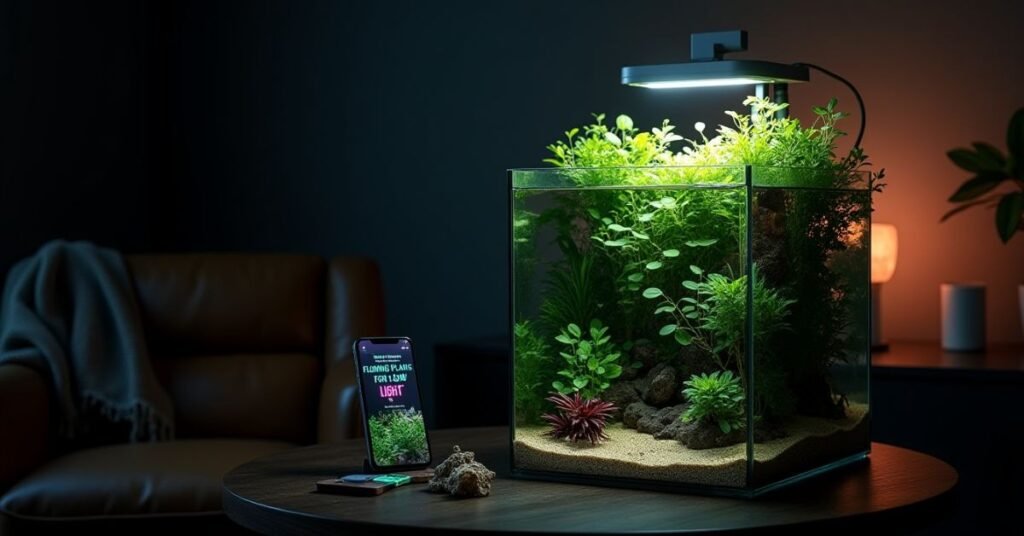
Low light aquariums are perfect for people who want a beautiful tank without using expensive lamps. Many floating plants can survive even if your room is a bit dark or if you use basic LED bulbs. These plants grow a bit slower in low light, which makes them much easier to manage over time.
You do not need to worry about complex setups or special plant food for these species. They are very hardy and can handle different water temperatures while staying green and healthy. Here are some of the best floating plants that love low light conditions:
- Duckweed: This tiny plant is nearly impossible to kill and grows in almost any light level.
- Salvinia Minima: It has fuzzy leaves that can handle shaded areas very well.
- Amazon Frogbit: This plant is quite tough and can stay healthy even with less light.
- Hornwort: You can let this plant float freely, and it will stay green in darker corners.
- Java Moss: While it often sinks, it can also float near the surface and thrives in low light.
How to Care for Floating Aquarium Plants
Caring for floating plants is very easy and does not take much time. These plants get most of their food from the water and light from above. You just need to make sure the water surface stays relatively calm so they do not get pushed underwater.
Most of these plants thrive when they have enough light and a little bit of liquid plant food. It is also important to remove extra plants every week so they do not cover the whole surface. Here are some simple tips to keep your floating greenery healthy and bright:
- Keep Water Calm: Avoid strong filters that create big splashes or heavy bubbles.
- Give Enough Light: Use a simple LED light for at least 8 to 10 hours a day.
- Keep Leaves Dry: Try not to get the tops of the leaves wet to prevent rot.
- Thin Them Out: Scoop out half of the plants if they start to block all the light.
- Check the Roots: Trim very long roots if they get tangled in your filter intake.
Floating Aquarium Plants That Reduce Algae
Floating plants are like a secret weapon for fighting algae in your fish tank. They grow very fast and eat up the extra nutrients that algae need to live. When these plants take away the food source, the green algae on your glass and rocks will start to disappear.
These plants also help by blocking some of the light that goes deep into the water. Algae loves bright light, so the shade from floating leaves makes it much harder for it to grow. This is a natural and easy way to keep your aquarium looking clean and healthy.
Floating Aquarium Plants for Small Tanks
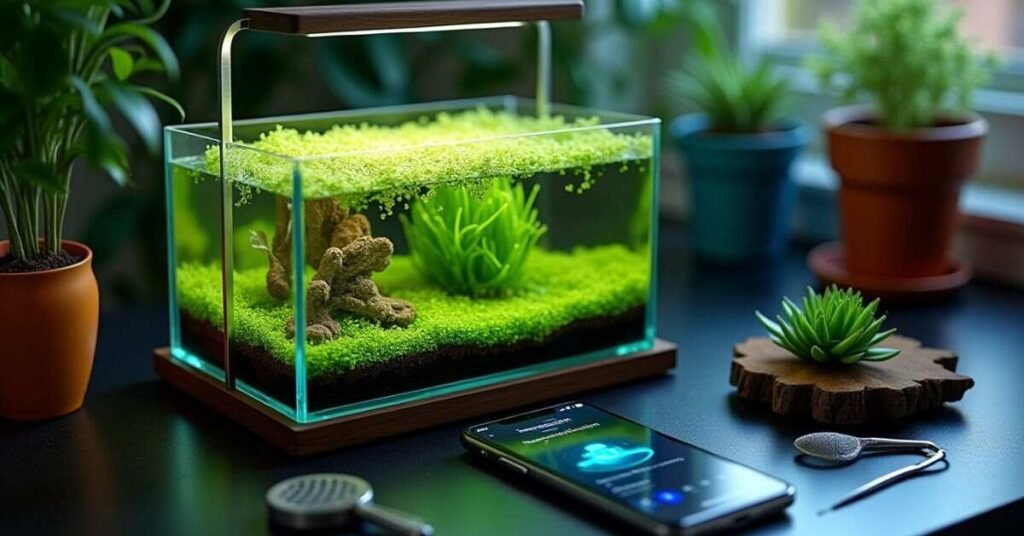
Small tanks need plants that do not take up all the space in just a few days. You want species with tiny leaves that look proportional to the size of your aquarium. These plants provide a beautiful touch of green without blocking the view of your small fish or shrimp.
Choosing the right plants for a small setup helps keep the water quality stable and healthy. You can easily manage these species by scooping out a few leaves during your weekly water change. Here are some of the best floating plants that are perfect for smaller aquariums:
- Salvinia Minima: This plant has very small, fuzzy leaves that stay neat and tidy.
- Red Root Floater: These stay fairly small and add a nice pop of color to the surface.
- Amazon Frogbit (Dwarf): A smaller version of the standard plant that fits better in tight spaces.
- Duckweed: While it grows fast, its tiny size makes it look great in nano tanks.
- Azolla: This tiny floating fern creates a very fine, detailed texture on the water.
Problems with Plants
While floating plants are wonderful, they can sometimes cause a few small issues in your tank. The most common problem is that they grow so fast they cover the entire surface. This can block the light from reaching the plants and fish living at the bottom of your aquarium.
Another challenge is that some floating species do not like getting their top leaves wet. If your filter splashes too much, the leaves might start to turn brown and rot. Here are a few things to watch out for when growing these plants:
- Blocking Light: They can stop your bottom-dwelling plants from getting enough energy.
- Low Oxygen: If the surface is completely covered, it can be harder for oxygen to enter the water.
- Filter Clogging: Small plants like Duckweed can sometimes get sucked into your filter intake.
- Nutrient Hunger: These fast growers can eat up all the plant food, leaving none for your rooted plants.
- Messy Decay: If the leaves die and fall to the bottom, they can make the water dirty.
Where to Buy Floating Aquarium Plants
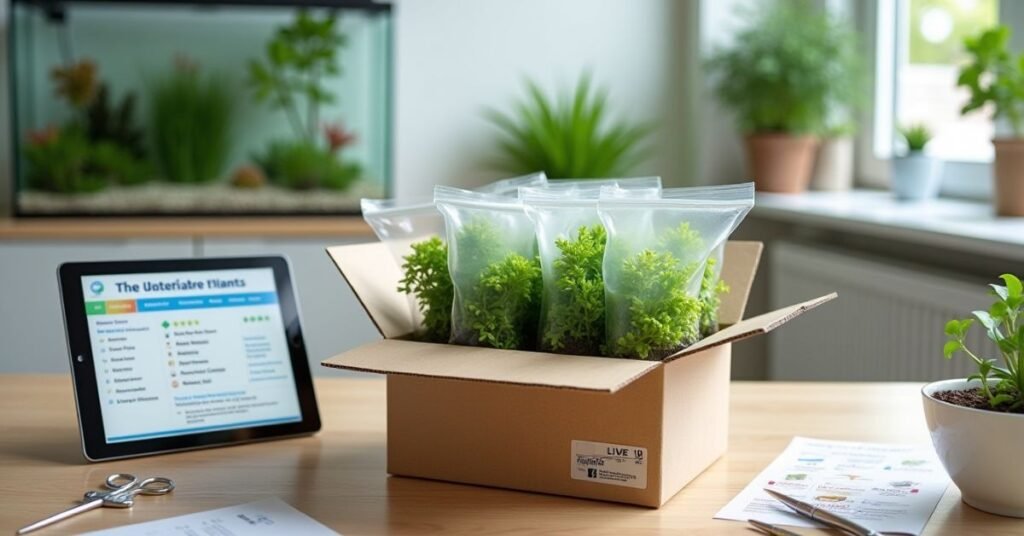
Finding the right place to buy floating plants is important to make sure they arrive healthy and green. You can visit your local fish store to see the plants in person and pick the best ones yourself. Buying locally is often better because the plants do not have to travel far in a box.
If you cannot find what you need nearby, there are many great online shops that ship plants right to your door. These websites often have a much bigger selection of rare and colorful floating species. Here are the best places to look for your next aquarium addition:
- Local Fish Stores: A great way to find healthy plants and get advice from experts.
- Online Specialty Shops: Websites like Aquarium Co-Op, Buce Plant, or Glass Aqua offer many high-quality options.
- Marketplaces: You can often find good deals on sites like Etsy, eBay, or Daraz from individual hobbyists.
- Local Clubs: Aquarium hobbyist groups often trade or sell extra floating plants for very low prices.
- Facebook Groups: Many local “buy and sell” groups for fish keepers are full of people giving away fast-growing plants.
Conclusion
Floating aquarium plants are a wonderful addition to any home tank. They keep the water clean, protect your fish, and look beautiful at the same time. Whether you have a large setup or a tiny nano tank, there is a floating plant that will fit your style perfectly.
Getting started is easy and does not require much work or money. Just remember to keep the surface calm and thin them out once in a while. With these simple steps, your aquarium will stay healthy and vibrant for a long time to come.
FAQs
Do floating plants need a lot of light?
Most floating plants thrive in moderate to bright light since they are close to the bulbs. However, some types like Duckweed or Salvinia can grow well even in low-light tanks.
Can floating plants kill my other plants?
They won’t kill them directly, but they can grow so thick that they block light from reaching the bottom. It is important to thin them out regularly so your rooted plants stay healthy.
How do I keep my floating plants from getting sucked into the filter?
You can use a floating airline tube ring to keep the plants in one area of the tank. This keeps them away from the filter intake and prevents them from getting pushed underwater.
Do I need to add fertilizer for floating plants?
Yes, these plants eat a lot of nutrients directly from the water column. Adding a simple liquid fertilizer once a week will help them stay bright green and grow faster.
What should I do if the leaves start turning brown?
Brown leaves usually mean the top of the plant is getting too wet from filter splashes. Try to lower your water level or reduce the surface agitation to keep the leaves dry.