
Introduction
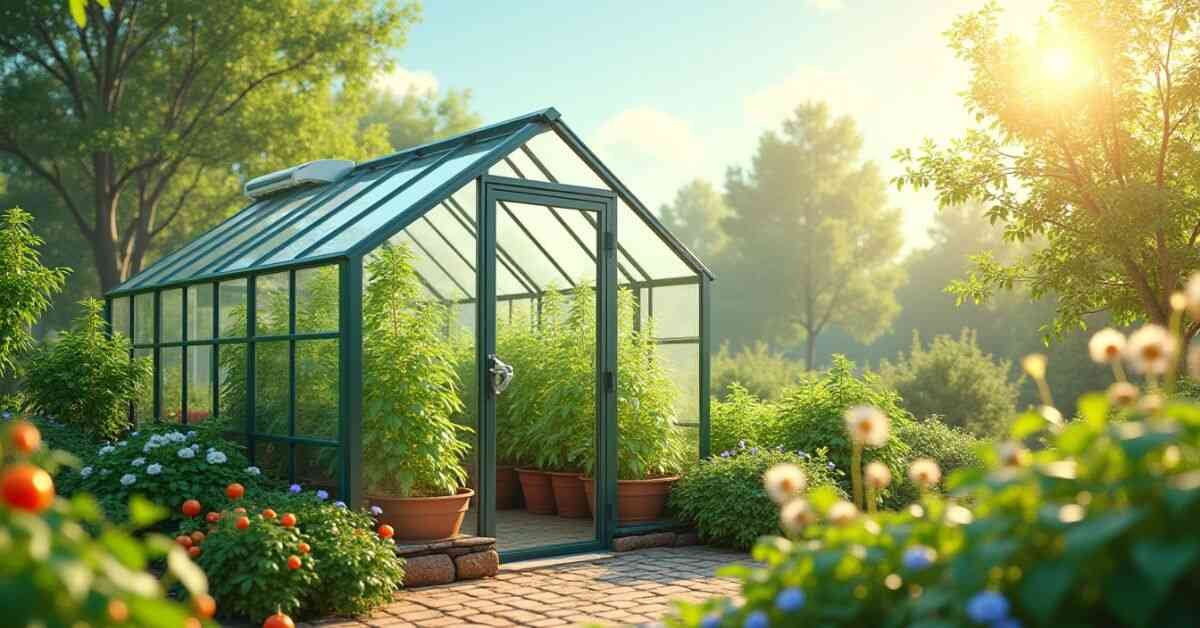
A greenhouse plants is a structure with walls and a roof made mainly of transparent material, like glass or plastic. It works by trapping heat from the sun to create a warm, controlled environment for greenery. This setup allows you to grow various flowers, fruits, and vegetables regardless of the harsh weather outside.
Imagine having a lush, tropical paradise right in your backyard, even in the middle of a freezing winter. While a greenhouse offers the perfect head start, it isn’t just a “set it and forget it” solution. To see your plants truly thrive and reach their full potential, you need to master the art of indoor climate control.
Growing under glass requires a specific balance of light, moisture, and airflow to prevent pests and disease. In this guide, we will explore the essential steps for maintaining your setup, from managing humidity levels to choosing the right soil. Following these simple tips will ensure your greenhouse stays productive and vibrant all year long.
Greenhouse Plants: Easy Beginner Guide
Starting your first greenhouse is an exciting journey into year-round gardening. It is basically a cozy house for your plants that stays warm even when it is chilly outside. You don’t need to be an expert to get started. Just focus on giving your plants plenty of sunlight, steady water, and a little bit of fresh air.
The best part about a greenhouse is the control you have over the environment. You can grow delicate herbs or bright flowers that might not survive in an open garden. To keep things simple, start with easy plants like tomatoes, peppers, or basil. As long as you keep an eye on the temperature, your new indoor garden will reward you with fast growth and healthy leaves.
Best Greenhouse Plants to Grow Year-Round
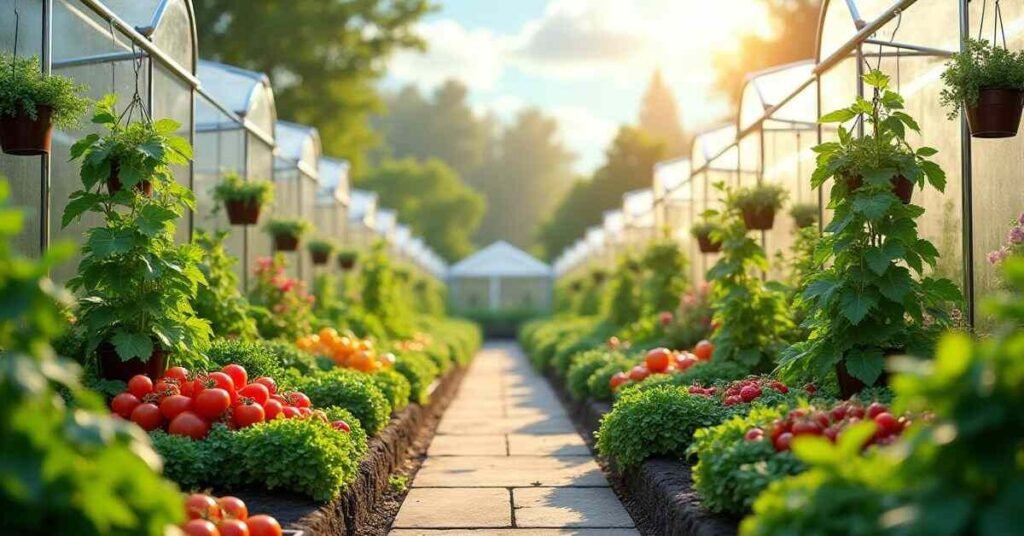
A greenhouse allows you to enjoy fresh produce and beautiful flowers every month of the year. The key is to pick plants that love a stable, warm environment. Some plants are very hardy and will grow well even as the seasons change outside. By choosing the right varieties, you can keep your garden active from January through December.
Many gardeners find success by mixing different types of crops together. This variety keeps the soil healthy and makes your greenhouse look full and vibrant. Here are some of the most reliable options for year-round growth:
- Leafy Greens: Lettuce, spinach, and kale grow quickly and love the shelter.
- Hearty Herbs: Rosemary, oregano, and chive stay green and flavorful.
- Root Vegetables: Carrots and radishes thrive in controlled soil temperatures.
- Bright Flowers: Pansies and marigolds add color and help keep pests away.
Managing your space well ensures that every plant gets enough light and air. Even in a small setup, you can produce a surprising amount of food. Just remember to check your water levels regularly and enjoy the process of growing your own food throughout the year.
Profitable Greenhouse Plants for High Income
Turning your greenhouse into a source of income is a smart way to make your hobby pay for itself. The most successful growers focus on plants that grow quickly and are always in high demand. By choosing crops that fetch a premium price at local markets or restaurants, you can maximize your earnings from a small space. High-value items like specialty herbs and colorful vegetables are often the most reliable choices for a steady profit.
To see the best financial results, you should look for plants that have a short “seed to harvest” time. This allows you to grow and sell more batches throughout the year. Focus on quality and freshness to stand out from big grocery stores. Here are some of the most profitable plants to consider for your business:
- Microgreens: These tiny greens are ready in just two weeks and are highly prized by chefs.
- Specialty Tomatoes: Cherry and heirloom varieties sell for much higher prices than standard ones.
- Fresh Basil: Culinary herbs are easy to package and stay in demand year-round.
- Saffron or Ginseng: These “luxury” crops require more patience but offer a very high return per gram.
- Cut Flowers: Sunflowers, dahlias, and zinnias are popular for local bouquets and events.
Fast-Growing Greenhouse Plants for Quick Harvest
If you want to see results quickly, a greenhouse is the perfect place to start. Many plants can go from a tiny seed to your dinner plate in just a few short weeks. This is great for beginners who want to build confidence or for anyone who hates waiting months for a harvest. Focusing on these fast-growing varieties means you can use your garden space multiple times in a single season.
The secret to speed is consistent warmth and plenty of water. When conditions are just right, you can almost watch these plants grow day by day. To get the fastest results, try planting these high-speed crops:
- Radishes: These are the champions of speed and can be ready to eat in only 25 days.
- Salad Greens: Baby spinach and lettuce leaves can be harvested in about 3 to 4 weeks.
- Green Onions: You can start pulling these flavorful stems in less than a month.
- Bok Choy: This crunchy vegetable loves the greenhouse heat and grows very fast.
- Cucumbers: While they take a bit longer than radishes, certain varieties produce fruit in about 50 days.
Seasonal Greenhouse Plants Guide
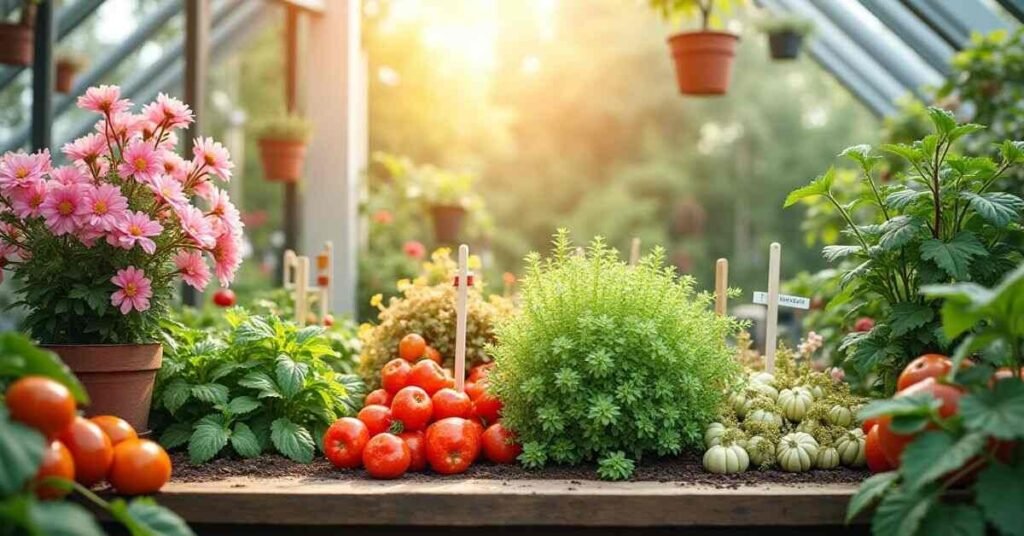
A greenhouse allows you to garden during every season of the year. You can grow cool-weather crops when it is snowy and heat-loving plants during the summer. The trick is to adjust your care habits as the light and temperature change outside. By planning your planting schedule carefully, your greenhouse will stay green and productive through all four seasons.
Each season offers a unique opportunity to try different varieties. Spring is great for starting seeds, while autumn is perfect for extending the life of your summer vegetables. Use the table below to help you decide what to plant and when to focus your efforts.
| Season | Best Plants to Grow | Key Care Focus | Typical Harvest Time |
| Spring | Tomatoes, Peppers, Cucumbers, Strawberries | Start seeds and monitor for late frosts. | Late Spring to Summer |
| Summer | Eggplant, Melons, Okra, Tropical Flowers | Provide shade and increase ventilation. | Late Summer to Fall |
| Autumn | Kale, Carrots, Beets, Spinach | Trap heat at night as temperatures drop. | Late Fall to Winter |
| Winter | Cabbage, Winter Lettuce, Broccoli, Herbs | Use heaters or insulation to keep soil warm. | Early Spring |
Low-Maintenance Greenhouse Plants
Not every greenhouse needs hours of work every single day. If you have a busy schedule, you can choose plants that are tough and independent. These varieties don’t mind if you forget to water them for a day or if the temperature shifts a little. Picking hardy plants allows you to enjoy a green space without feeling overwhelmed by chores.
The best low-maintenance choices are often those that naturally resist pests and diseases. Once you set them up in good soil, they mostly take care of themselves. Here are some of the easiest plants to grow if you want a beautiful greenhouse with minimal effort:
- Succulents: These store water in their leaves and only need occasional watering.
- Aloe Vera: This plant is very hardy and also provides a helpful gel for skin burns.
- Spider Plants: They grow quickly in almost any light and are very difficult to kill.
- Aspidistra: Often called the “Cast Iron Plant” because it can survive in very tough conditions.
- Snake Plants: These thrive on neglect and help keep the air inside your greenhouse clean.
What Vegetables Grow Best in Greenhouse Plants Setup
A greenhouse is a great place to grow many types of vegetables. It provides the warmth and protection that many plants need to stay healthy. You can grow vegetables that usually like hot weather, like tomatoes and peppers, even if your local climate is cool. This controlled space helps your vegetables grow larger and taste much better than store-bought options.
The best vegetables for this setup are the ones that love consistent light and humidity. Leafy greens like lettuce and spinach do very well because the greenhouse protects their delicate leaves from wind and bugs. You can also grow climbing plants like cucumbers or beans to save space on the floor. With just a little bit of care, you can harvest fresh, organic vegetables for your kitchen all year long.
Greenhouse Plants Care Tips for Healthy Growth
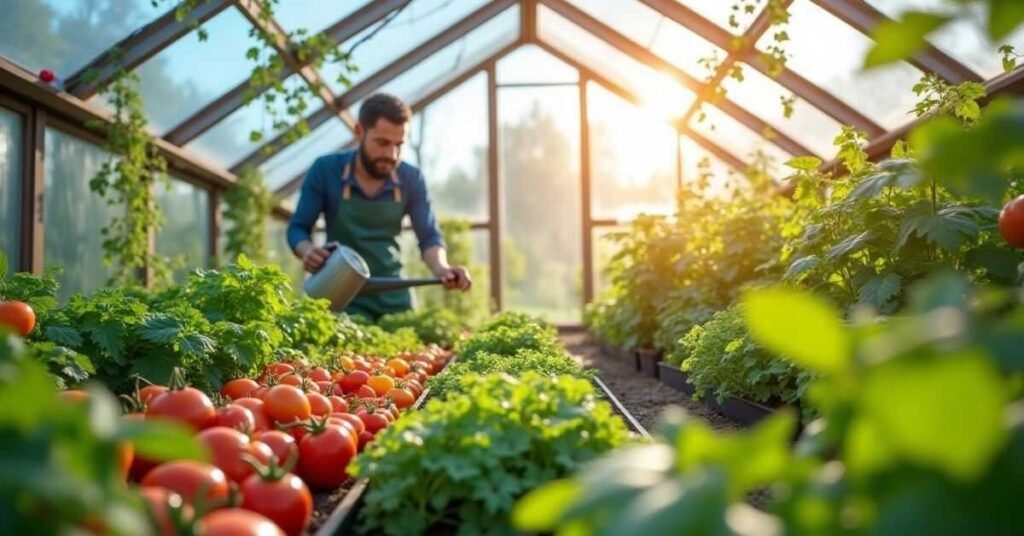
Keeping your greenhouse plants healthy is all about balance. You need to make sure they get enough light without getting too hot. It is also important to check the soil often so it stays moist but not soaked. When you provide a steady environment, your plants will grow strong roots and bright leaves.
A clean greenhouse is also a happy greenhouse. Removing dead leaves and keeping the glass clear helps prevent pests from moving in. You should also make sure fresh air moves through the space every day. Here are some simple tips to keep your plants in top shape:
- Water Early: Water your plants in the morning so the leaves stay dry during the night.
- Check Airflow: Open vents or doors on warm days to let fresh air circulate.
- Feed Regularly: Use a mild fertilizer to give your plants the nutrients they need to grow.
- Watch for Bugs: Look under the leaves once a week to catch any pests early.
- Clean the Glass: Wipe down the windows so your plants get the maximum amount of sunlight.
Common Mistakes in Growing Plants
Even with the best intentions, it is easy to make mistakes in a greenhouse. Many beginners think that more heat is always better, but too much warmth can actually wilt your plants. Another common issue is forgetting about the air. Without fresh air moving around, the environment becomes too damp, which leads to mold and tiny bugs.
Finding the right balance takes some practice and observation. It is important to treat your greenhouse as a living space that needs constant adjustment. Small errors can add up quickly, so being aware of these common traps will save you a lot of time and frustration:
- Overwatering: Keeping the soil too wet can rot the roots and kill the plant.
- Poor Ventilation: Forgetting to open vents causes heat to build up and invites disease.
- Crowding Plants: Putting too many pots together stops air from flowing and helps pests spread.
- Ignoring Pests: Small bugs can take over a greenhouse in just a few days if you don’t check the leaves.
- Dirty Windows: Dust and grime on the glass block the sunlight your plants need to grow.
Greenhouse Plants Setup: Simple Success Guide
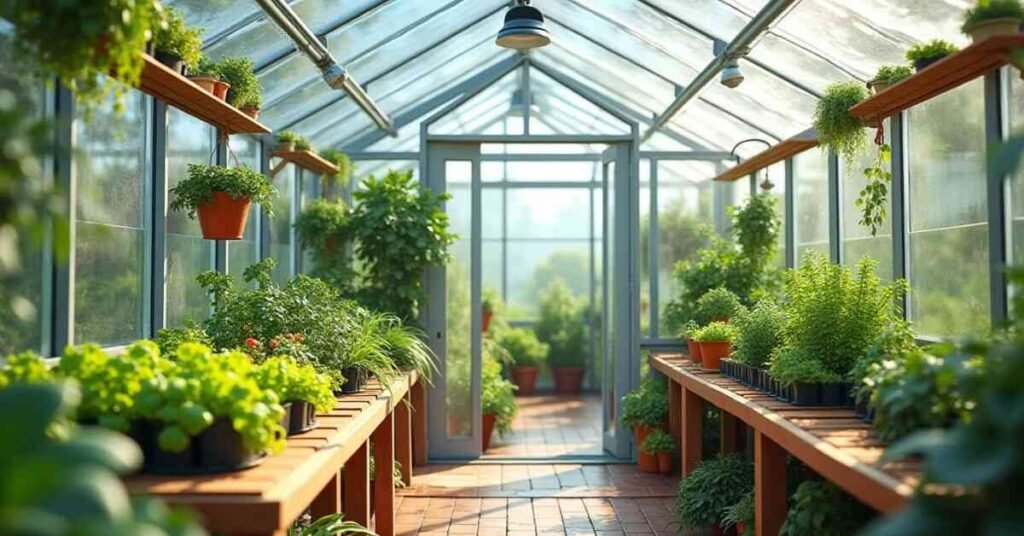
Setting up your first greenhouse is a fun and rewarding project. You should start by picking a spot that gets plenty of sunlight throughout the day. Make sure the ground is level so your structure and pots stay steady. Once the frame is up, organize your space with sturdy shelves to keep your plants off the cold floor.
Success comes from keeping things organized and clean from the very beginning. Use good quality soil and make sure every pot has holes for water to drain out. It is also helpful to keep a thermometer inside so you can track the temperature easily. With a clear path to walk and a few basic tools nearby, you will be ready to grow a beautiful indoor garden.
Conclusion
Growing plants in a greenhouse is a wonderful way to connect with nature every day. It gives you the power to grow your own food and flowers all year long. While there are a few rules to follow, the process is mostly about learning and having fun. With a little patience, you will see your small seeds turn into a lush and healthy garden.
Starting this journey is one of the best things you can do for your home and your health. Do not worry about making mistakes at first because every gardener learns as they go. Just keep your plants watered and enjoy the fresh air inside your green space. You will soon find that the rewards of greenhouse gardening are well worth the effort.
FAQs
Q1. What are the best plants for a beginner to grow in a greenhouse? Start with easy crops like lettuce, radishes, or basil. These plants grow quickly and do not need a lot of complicated care.
Q2. How often should I water my greenhouse plants? Check the soil daily and water when the top inch feels dry. Most plants prefer consistent moisture rather than being soaked all at once.
Q3. Do I need a heater for my greenhouse in the winter? You need to take into account your climate and what you are growing. Many cold-hardy vegetables like kale can survive without extra heat if the greenhouse is well-insulated.
Q4. Why are the leaves on my greenhouse plants turning yellow? This is often caused by too much water or a lack of nutrients in the soil. Make sure your pots have drainage holes and try adding a little fertilizer.Q5. How do I keep my greenhouse from getting too hot in the summer? You can open the vents and doors to let fresh air in. Using a shade cloth over the glass also helps block some of the intense sun.