
Introduction
The Pink Lady plant, also known as Callisia repens ‘Pink Lady’, is a charming succulent-like creeper. It is famous for its small, waxy leaves that feature a beautiful mix of green, cream, and rosy pink stripes. This low-growing plant belongs to the wandering jew family and is loved for its bushy, trailing habit.
Have you ever wanted a plant that looks like a sunset in a pot? Most people struggle to keep colorful plants alive, but this little gem is surprisingly hardy if you know its secrets. It’s the perfect “desk buddy” that adds a pop of personality to any room without taking up too much space.
To keep those leaves looking vibrant, you need to master a few simple habits. This guide will walk you through the perfect balance of bright light and careful watering to prevent your Pink Lady from losing its color. We will also cover the best soil types and pot sizes to help your plant thrive for years.
Pink Lady Plant Care Basics
Caring for a Pink Lady is quite simple once you get the hang of it. This plant loves bright, indirect light to keep its pink colors bold and bright. If the light is too low, the leaves might turn solid green. Place it near a sunny window but keep it out of direct afternoon sun to avoid leaf burn.
Watering is the next big step for a healthy plant. You should wait until the top inch of soil feels dry before adding more water. These plants do not like to sit in soggy dirt, as this can cause root rot. Use a pot with drainage holes to help extra water escape easily.
How to Water Your Pink Lady Plant

Watering your Pink Lady requires a bit of balance. These plants like to stay hydrated but hate having “wet feet.” The best trick is to feel the soil with your finger before you grab the watering can. If the top inch feels dry, it is time for a drink. If it still feels moist, wait a few more days to avoid overwatering.
When you do water, try to pour it directly onto the soil rather than over the leaves. Water sitting on the foliage can lead to rot or spots. Make sure the water runs all the way through the drainage holes at the bottom. This ensures the roots at the base get plenty of moisture while flushing out any old salts.
- Check often: Test the soil every few days during the summer.
- Drainage is key: Never leave your plant sitting in a saucer full of water.
- Seasonal changes: Water less often during the winter when the plant grows slowly.
- Room temp water: Use lukewarm water to avoid shocking the sensitive roots.
Best Light for Pink Lady Plant Growth
Lighting is the most important factor for keeping your Pink Lady looking beautiful. This plant needs plenty of bright, indirect sunlight to maintain its signature pink and cream colors. If it stays in a dark corner for too long, the new leaves will grow out green and lose their sparkle. A spot near a window with a sheer curtain is usually the perfect location.
While it loves light, you must be careful with harsh, direct sun. Strong afternoon rays can easily scorch the delicate leaves and turn them brown. If you notice the stems getting long and “leggy” with fewer leaves, it is likely searching for more light. Simply move it to a brighter area to help it grow thick, bushy, and colorful again.
Pink Lady Plant Soil & Fertilizer Tips
The right soil mix is essential for a happy Pink Lady. These plants need a light, airy soil that lets water flow through quickly. A standard potting mix with some added perlite or coarse sand works wonders. This prevents the soil from packing down too tightly, which allows the roots to breathe and stay healthy.
Feeding your plant helps it grow faster and keep its bright colors. Use a balanced liquid fertilizer about once a month during the spring and summer. You do not need to fertilize at all during the winter months when the plant rests. Always make sure the soil is slightly damp before adding fertilizer to protect the roots from getting burned.
Pink Lady Soil and Fertilizer Quick Guide
| Feature | Requirement | Why It Matters |
| Soil Type | Well-draining potting mix | Prevents water from sitting and causing rot. |
| Ideal pH | 6.0 to 7.0 (Slightly acidic) | Helps the plant absorb nutrients efficiently. |
| Soil Additives | Perlite or Orchid Bark | Increases airflow around the root system. |
| Fertilizer Type | Balanced liquid (10-10-10) | Provides equal parts of all main nutrients. |
| Feeding Frequency | Once a month (Spring/Summer) | Supports active growth and leaf production. |
| Winter Feeding | None | The plant goes dormant and doesn’t need extra food. |
| Pot Drainage | Must have holes | Crucial for letting excess water escape. |
Propagating Pink Lady Plant Easily at Home
Growing new plants from your Pink Lady is a fun and simple project. All you need to do is snip off a few healthy stems that are about two to three inches long. Remove the bottom leaves so you have a bare stem to tuck into the soil. You can place these cuttings directly into a small pot with fresh, moist soil, and they will start to grow roots in just a few weeks.
Another great way to propagate is by using the “water method.” Place your cuttings in a small glass of water, making sure no leaves are submerged. Keep the glass in a bright spot and watch for tiny white roots to appear. Once the roots are about an inch long, you can move the new plant into its own pot. It is a rewarding way to turn one plant into a whole family of pink greenery.
Common Pink Lady Plant Problems & Fixes
Even though the Pink Lady is hardy, it can run into a few issues. If you notice the leaves turning yellow or feeling mushy, you are likely giving it too much water. On the other hand, if the leaves look crispy and brown at the edges, the air might be too dry or the sun might be too harsh. Catching these signs early makes it much easier to save your plant.
Pests can sometimes find their way to your plant as well. Tiny spider mites or mealybugs love to hide under the small leaves and suck the sap. If you see sticky residue or tiny webs, give your plant a gentle wash with mild soapy water. Keeping the leaves clean and checking them once a week is the best way to prevent big problems.
- Yellow Leaves: Usually caused by overwatering. Let the soil dry out completely.
- Loss of Pink Color: This means the plant needs more light. Move it closer to a window.
- Leggy Stems: Long gaps between leaves mean the plant is “stretching” for sun. Trim the stems to encourage bushy growth.
- Drooping Stems: This is often a sign of thirst. Give it a thorough drink if the soil feels dry.
Pink Lady Plant Indoor vs Outdoor Care
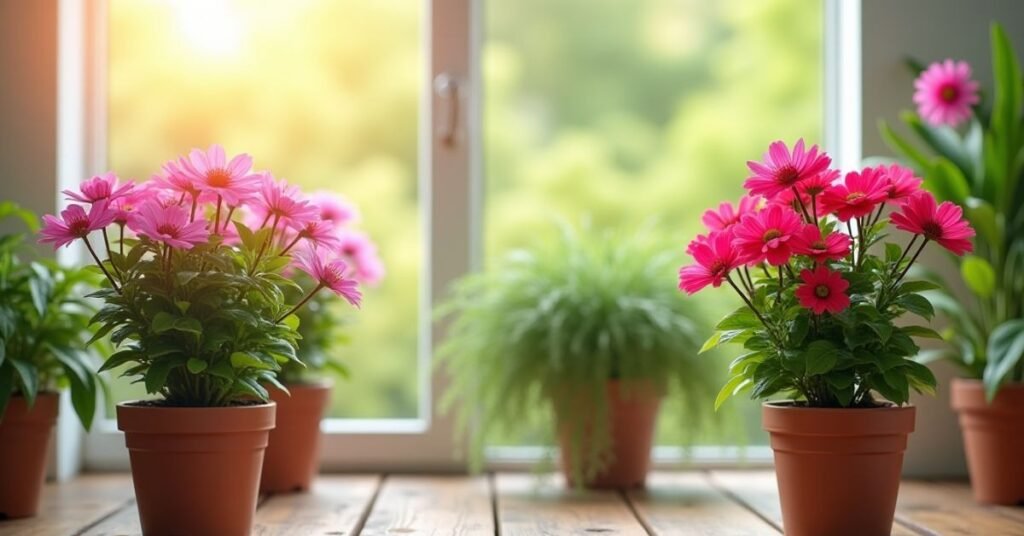
Growing a Pink Lady indoors is perfect for adding color to your home decor. Inside, you have total control over the temperature and light levels. Most people keep them on desks or hanging shelves where they can trail beautifully. The main challenge indoors is making sure the plant gets enough bright light so it doesn’t lose its vibrant pink hues.
When grown outdoors, the Pink Lady can grow much faster and spread like a lush carpet. It loves the fresh air and natural humidity of a patio or garden bed. However, you must be careful about the weather. These plants are sensitive to frost and can shrivel quickly if they are left in the hot, direct afternoon sun for too long.
Comparison of Indoor and Outdoor Care
| Feature | Indoor Care | Outdoor Care |
| Best Location | Near an East or West window | Shaded patio or under a tree |
| Light Level | Bright, indirect light is best | Filtered sunlight or morning sun |
| Growth Rate | Steady and manageable | Fast-growing and spreads quickly |
| Water Needs | Less frequent (check every 5-7 days) | More frequent due to wind and heat |
| Temperature | Prefers stable room temperatures | Must be brought inside during frost |
| Humidity | May need a misting in dry winters | Naturally enjoys outdoor humidity |
| Common Pests | Fungus gnats or spider mites | Aphids or small garden slugs |
| Main Benefit | Brightens up your living space | Works great as a colorful groundcover |
Pink Lady Plant Growth Secrets for Beginners
The biggest secret to a lush Pink Lady is regular pruning. If you let the stems grow too long, the plant can start to look thin and tired. Gently pinch off the tips of the vines every few weeks to encourage the plant to grow sideways. This simple trick forces the plant to send out new shoots, making it look much thicker and fuller in its pot.
Another secret is to keep the plant away from cold drafts or air vents. Pink Lady plants love a stable environment and can drop their leaves if they get a sudden chill. If you want the pink color to really pop, try giving it a little extra morning sun. This gentle light provides enough energy for the plant to produce its best colors without any risk of burning the tiny, delicate leaves.
Variegated Pink Lady Plant: Why It’s Unique
The most amazing thing about the Pink Lady is its special variegation. This means the leaves are not just one solid color. Instead, each tiny leaf has its own pattern of cream, soft pink, and deep green. Because no two leaves look exactly the same, every plant is a unique piece of living art. This mix of colors makes it stand out from typical green houseplants.
This plant is also unique because of how it changes with the light. It is almost like a mood ring for your home. When it gets plenty of bright light, the pink shades become much deeper and more vibrant. If it sits in the shade, the new growth might come out more green. This ability to shift colors based on its environment makes it a fun and interactive plant to own.
Buying & Caring for Pink Lady Plant Successfully

When you go to the store, look for a plant with tight and bushy growth. Avoid any pots that have yellowing stems or soggy soil at the bottom. A healthy Pink Lady should have firm leaves that feel a bit like a succulent. If the plant looks full and the colors are bright, it is a great choice to bring home to your collection.
Once you get your new plant home, give it a few days to get used to the new space. Do not repot it right away, as this can cause too much stress. Place it in a bright spot and keep a close eye on how the leaves react to the light. With a little patience and the right care, your new plant will start trailing and growing in no time.
- Check the roots: Make sure no roots are growing out of the bottom holes, which means it needs a bigger pot soon.
- Look for pests: Inspect the undersides of the leaves for any tiny moving spots or webs.
- Avoid drafts: Keep your new purchase away from cold air conditioners or heaters.
- Quarantine: It is a good habit to keep new plants away from your old ones for a week to make sure they are healthy.
Conclusion
The Pink Lady plant is a wonderful choice for anyone who loves a splash of color. It is easy to grow and does not require a lot of fancy equipment or expert skills. As long as you give it bright light and avoid overwatering, this little plant will reward you with a beautiful, trailing carpet of pink and green leaves. It truly is a gem for both new and experienced plant parents.
Caring for this plant is a fun journey that adds a bit of nature to your daily life. Watching the tiny leaves change color and grow longer each week is very rewarding. If you follow the simple tips in this guide, your Pink Lady will stay healthy and vibrant for a long time. Now that you know the secrets to success, you are ready to enjoy the beauty of this unique plant in your own home.
FAQs
1. How often should I water my Pink Lady plant?
When the top of the soil feels dry to the touch, you should water your plant. This usually happens every five to seven days depending on the light and heat in your home.
2. Why is my Pink Lady plant losing its pink color?
This usually happens because the plant is not getting enough bright light. Move it closer to a sunny window to help the vibrant pink and cream colors return to the new leaves.
3. Is the Pink Lady plant toxic to cats and dogs?
Yes, like many plants in its family, the Pink Lady can be mildly toxic if eaten by pets. It is best to keep it on a high shelf or in a hanging basket away from your furry friends.
4. How do I make my Pink Lady plant look fuller?
The best way is to pinch off the growing tips of the long stems regularly. This encourages the plant to grow more side branches and creates a much bushier, thicker look.
5. Can the Pink Lady plant grow in low light?
It can survive in lower light, but it will grow very slowly and turn solid green. For the best growth and color, it really needs bright, filtered sunlight throughout the day.