
Introduction
The Pink Princess Philodendron is a stunning tropical plant known for its heart-shaped leaves. What makes it special are the splashes of bright, bubblegum pink variegation against deep green or burgundy foliage. It is a climbing perennial that brings a bold, colorful look to any indoor space.
Are you struggling to keep those iconic pink spots from turning dull or brown? While this plant looks like a high-maintenance royal, it’s actually quite hardy once you master the basics. If you want your Pink Princess to truly thrive rather than just survive, getting the environment right is the secret to its success.
To keep your plant healthy, you need to balance three main things: filtered light, well-draining soil, and careful watering. This guide will break down exactly how to provide the perfect “throne” for your princess so she stays vibrant and grows fast.
Pink Princess Plant: Overview & Popularity
The Pink Princess Philodendron is currently one of the most famous plants in the world. It belongs to the Araceae family and is loved for its rare, pink-splashed leaves. Because no two leaves look the same, every plant feels like a unique piece of living art. It has quickly moved from being a rare collector’s item to a must-have for every indoor garden.
Social media is a big reason why this plant is so popular today. Its bright colors look incredible in photos, making it a star on Instagram and TikTok. Even though it was very expensive a few years ago, it is now more affordable for everyday plant parents. People love it because it adds a pop of “designer” color to a room without needing expert-level skills.
Care Basics: Light, Water, Soil & Humidity
Keeping your Pink Princess happy is all about mimicking its natural rainforest home. It loves bright, indirect sunlight to keep those pink patches vivid and healthy. If the light is too dim, the plant might turn solid green to survive. On the other hand, direct afternoon sun can actually burn the delicate pink parts of the leaves.
Watering and soil go hand-in-hand for this plant. It hates “wet feet,” so you should always use a pot with drainage holes. A chunky soil mix is best because it lets the roots breathe. When it comes to moisture, focus on these key points:
- Watering: Wait until the top 2 inches of soil feel dry before adding more water.
- Soil: Use a mix of potting soil, orchid bark, and perlite for the best results.
- Humidity: These plants love extra moisture in the air. Aim for 50% humidity or higher.
- Temperature: Keep your home between 18°C and 27°C to avoid stressing the plant.
Light Tips: Keep the Pink Vibrant
Light is the most important factor for keeping those pink splashes bright. Your plant uses the green parts of its leaves to make food, but the pink parts can’t do that. This means the plant needs plenty of energy from the sun to support its colorful look. If it sits in a dark corner for too long, it will start growing plain green leaves just to stay alive.
To get the best results, place your Pink Princess near a window where the light is bright but soft. Direct sun acts like a magnifying glass and can scorch the delicate pink tissue. If you don’t have enough natural light, a simple LED grow light can work wonders. Here are a few quick tips to remember:
- Bright Indirect Light: A north or east-facing window is usually the “sweet spot.”
- Rotate the Pot: Turn your plant every week so all sides get even light and grow straight.
- Watch the Colors: If new leaves are mostly green, move it to a brighter area.
- Avoid Scorching: If you see brown, crispy edges on the pink parts, the sun is too strong.
Watering & Feeding Guide
Watering your Pink Princess is all about finding a middle ground. This plant loves moisture, but it hates sitting in soggy soil. If the roots stay too wet, they can rot quickly. It is always better to wait an extra day than to water too early. You should check the soil with your finger to see if it feels dry before grabbing the watering can.
Feeding your plant helps it grow faster and produce larger leaves. During the spring and summer, your Pink Princess is working hard to grow, so it needs extra nutrients. Use a balanced liquid fertilizer about once a month to keep it fueled. During the winter, the plant rests, so you can stop feeding it until the weather warms up again.
- The Finger Test: Stick your finger two inches into the soil; if it’s dry, it’s time to water.
- Drainage is Key: Always empty the saucer under the pot so the plant doesn’t sit in a puddle.
- Filter Your Water: If your tap water has a lot of chemicals, let it sit out overnight before using it.
- Less is More: It is easier to fix a thirsty plant than one that has been overwatered.
Best Soil & Potting Ideas
The right soil is like a comfortable bed for your Pink Princess. These plants are “epiphytes,” which means in the wild, they often grow on trees rather than in thick dirt. Because of this, they need a chunky soil mix that lets plenty of air reach their roots. If you use regular potting soil straight from the bag, it might stay too wet and “suffocate” the plant.
Choosing the right pot is just as important as the dirt inside it. A pot with large drainage holes is a must-have to let excess water escape quickly. You can use terracotta if you tend to overwater, as it breathes well, or plastic if you want to keep moisture in longer. Here is a breakdown of the best ingredients to mix for your princess:
| Ingredient | Purpose | Why it Helps |
| Indoor Potting Mix | The Base | Provides basic nutrients and holds some moisture. |
| Orchid Bark | Air Pockets | Creates “chunks” so the roots can breathe easily. |
| Perlite | Drainage | Lightweight volcanic rock that prevents soil from packing down. |
| Horticultural Charcoal | Cleaning | Filters out impurities and keeps the soil “fresh.” |
| Worm Castings | Natural Food | Acts as a gentle, organic fertilizer for new leaves. |
| Sphagnum Moss | Moisture Control | Holds onto just enough water without being soggy. |
| Coco Coir | Sustainability | A great alternative to peat moss that stays fluffy. |
Temperature & Humidity Tips
The Pink Princess is a tropical plant that loves a warm and cozy home. It grows best when your room feels like a mild summer day. If the air gets too chilly, the plant will stop growing and might even drop its leaves. You should keep it away from cold windows in the winter and avoid placing it right next to an air conditioner.
Humidity is the secret ingredient for those shiny, perfect leaves. In a dry house, new leaves can get stuck while they are trying to unfurl, which causes rips and tears. If your skin feels dry, your plant probably feels dry too. You can help it out by grouping it with other plants or using a small humidifier nearby.
- The Sweet Spot: Keep your room between 18°C and 27°C at all times.
- Avoid Drafts: Keep the plant away from heaters, fans, and drafty doors.
- Misting Myths: Spraying the leaves with water doesn’t help much; a humidifier is better.
- Pebble Trays: Place the pot on a tray of wet pebbles to boost the moisture in the air.
Pink Princess Plant Common Problems & Easy Fixes
Even the best plant parents run into a few hiccups now and then. The most common issue is seeing the beautiful pink parts of the leaves turn brown or crispy. This usually happens because the pink areas are very delicate and sensitive to dry air or too much sun. If you see yellow leaves, it is often a sign that you are being a bit too generous with the watering can.
Pests can also be a nuisance, but they are easy to handle if you catch them early. Tiny bugs like spider mites or mealybugs love to hide under the large leaves or in the tight crevices of the stems. If your plant looks sad or stops growing, give it a quick “health check” under a bright light. Most problems can be fixed by simply changing its spot or adjusting your routine.
- Brown Leaf Edges: This usually means the air is too dry. Try using a humidifier.
- Yellow Leaves: This is a classic sign of overwatering. Let the soil dry out more.
- Reverting to Green: Your plant needs more light. A bright window is a good place to place it.
- Small New Leaves: This could mean your plant is hungry. It’s time for some fertilizer.
- Sticky Residue: Check for pests like aphids. Wipe the leaves down with soapy water or neem oil.
Pink Princess Plant Propagation Guide
Propagating your Pink Princess is the best way to get more plants for free. The easiest method for beginners is taking a stem cutting and putting it in water. You just need to find a “node,” which is the little bump on the stem where a leaf or root grows. Use a clean pair of scissors to snip just below that node. Once you have your cutting, place it in a jar of clean water and wait for the magic to happen.
Be patient because growing new roots can take a few weeks. Keep your cutting in a bright, warm spot but out of direct sunlight so it doesn’t get too hot. Change the water every few days to keep it fresh and full of oxygen. Once the new roots are about two inches long, you can move your “baby” plant into a small pot with chunky soil. It is a very rewarding feeling to see a brand-new pink leaf unfurl from a cutting you made yourself.
Pink Princess vs Look‑Alikes
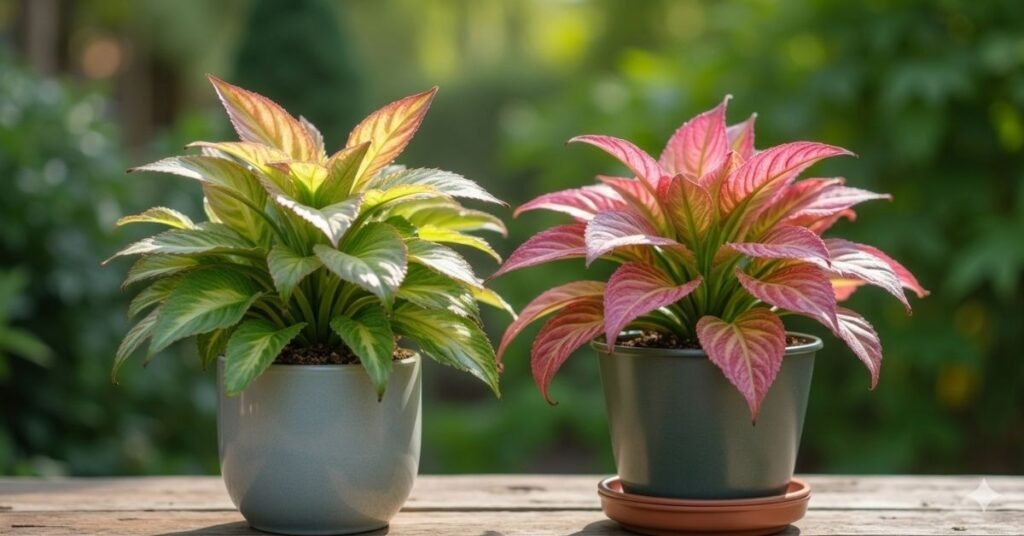
It is very easy to get confused when shopping for a Pink Princess. Some other plants look almost exactly the same to the untrained eye. For example, the Pink Congo is a common look-alike that is often sold to trick beginners. The pink on a Pink Congo is usually chemically induced and will eventually fade back to plain green. A true Pink Princess has natural, stable variegation that stays with the plant as it grows.
Another plant often mistaken for the princess is the Philodendron Pink Knight. While they both have pink spots, the Knight usually has thicker, rounder leaves and different colored stems. Knowing these small details can save you from spending a lot of money on the wrong plant. Always check the stems and the pattern of the pink splashes before you buy.
| Feature | Pink Princess | Pink Congo | Pink Knight | White Knight |
| Pink Color | Natural & Permanent | Chemically Induced | Natural | None (White only) |
| Stem Color | Dark Red or Burgundy | Green | Greenish-Pink | Purple & White |
| Leaf Shape | Heart-shaped/Long | Oval & Thick | Rounder | Heart-shaped |
| Price Point | Moderate | Cheap (Avoid) | Expensive | Moderate |
| Pink Pattern | Random Splashes | Solid Pink Leaves | Small Dots/Streaks | White Splashes |
| Growth Habit | Climbing | Upright/Clumping | Climbing | Climbing |
Where to Buy Pink Princess Plant & Top Buying Tips
Finding a Pink Princess is much easier now than it was a few years ago. You can find them at local garden centers, boutique plant shops, and even some large home improvement stores. If you prefer shopping from your couch, online marketplaces like Etsy or specialized plant nurseries are great options. In 2026, prices have become very friendly, so you can usually find a beautiful starter plant for a great deal.
When you are picking out your plant, look closely at the stems for pink “striping.” These colorful lines on the stem are a great sign that the plant will keep producing those famous pink splashes. Avoid plants that are completely green, as they might never turn pink, no matter how much light you give them. It is also a good idea to check the leaves for any tiny bugs or brown spots before you bring your new royal friend home.
Conclusion
Bringing a Pink Princess into your home is a rewarding journey for any plant lover. While its regal name and stunning colors might seem intimidating, it is actually a very resilient companion. By simply mastering the balance of bright light and the right amount of water, you can watch your plant thrive for years. It is a beautiful way to bring a splash of tropical nature into your daily life.
Remember that every plant is unique, just like its owner. Do not worry if your Pink Princess grows slowly or has a few imperfect leaves along the way. Part of the fun is learning what your specific plant needs and watching it respond to your care. With a little patience and the tips from this guide, you will soon have a healthy, vibrant plant that is the star of your indoor garden.
FAQs
1. Why is my Pink Princess turning all green?
This usually means your plant needs more light. Move it to a brighter spot with indirect sunlight to encourage the pink colors to return.
2. Is the Pink Princess Philodendron toxic to pets?
Yes, like most Philodendrons, it contains calcium oxalate crystals which are toxic to cats and dogs if chewed or swallowed.
3. How fast does a Pink Princess grow?
With proper light and monthly feeding, it is a moderate grower that can produce a new leaf every 4 to 6 weeks during the spring and summer.
4. Should I mist my Pink Princess leaves?
Misting doesn’t help much and can cause fungal issues; it is much better to use a humidifier or a pebble tray to increase moisture.
5. Why are the pink parts of the leaves turning brown?
The pink areas are very delicate and lack chlorophyll, making them prone to burning in direct sun or drying out if the humidity is too low.