Introduction
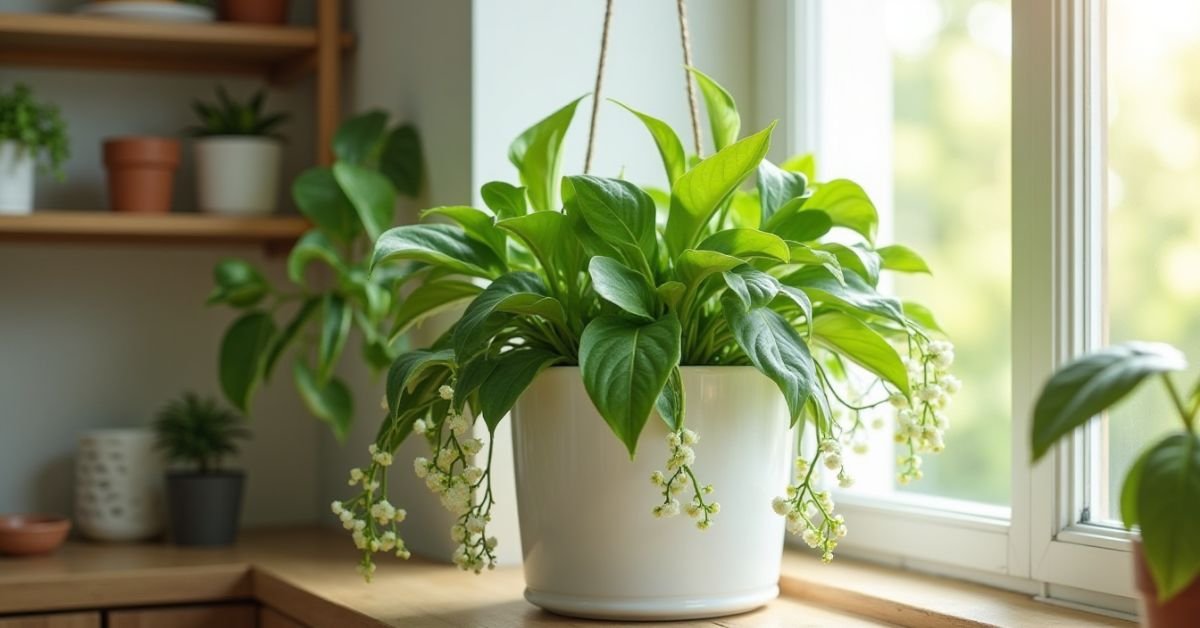
The Bridal Veil plant is a beautiful, trailing houseplant known for its thin, cascading stems and tiny green leaves. It belongs to the Gibasis pellucida family and produces delicate white flowers that look like a lace veil. People love it because it grows quickly and looks stunning in hanging baskets.
Have you ever wanted a plant that makes your home feel like a lush, indoor garden without needing a degree in botany? The Bridal Veil is the perfect “drama-free” addition to your space. Its elegant vines flow over the edges of pots, creating a soft, romantic look that catches everyone’s eye.
It’s easy to keep this plant healthy. To ensure healthy growth, you just need to master a few basics like bright light and consistent moisture. This guide will walk you through the essential steps to keep your Bridal Veil lush, green, and blooming all year long.
Bridal Veil Plant Overview
The Bridal Veil plant is a charming perennial that is famous for its long, flowing stems. It gets its name from the tiny white flowers that dangle from the vines like a wedding veil. The leaves are a deep green on top and often show a pretty purple color underneath. It is a favorite for people who want a plant that grows fast and fills up empty corners.
This plant is native to tropical regions, so it loves warmth and humidity. Because it trails downward, it is usually grown in hanging pots or placed on high shelves. It is quite hardy and can bounce back quickly if you forget to water it once or twice. Overall, it is a great choice for beginners who want a touch of elegance in their home.
Bridal Veil Plant Care Basics
Taking care of a Bridal Veil plant is mostly about finding the right balance. These plants love bright, indirect sunlight to keep their leaves vibrant and encourage those tiny white flowers to bloom. If the light is too dim, the stems might get long and “leggy,” meaning they lose their full, bushy look.
Watering is the other key to success. You should keep the soil moist but never soggy, as too much water can rot the roots. A good rule of thumb is to poke your finger into the soil; if the top inch feels dry, it’s time for a drink.
To keep your plant thriving, focus on these simple habits:
- Light: Place it near a window with filtered light. Avoid harsh, direct afternoon sun.
- Whenever the soil surface becomes dry, water thoroughly.
- A moist environment is ideal for these plants. Misting them occasionally or using a pebble tray helps.
- Once a month during the spring and summer, use a balanced liquid fertilizer.
Bridal Veil Plant Light Needs
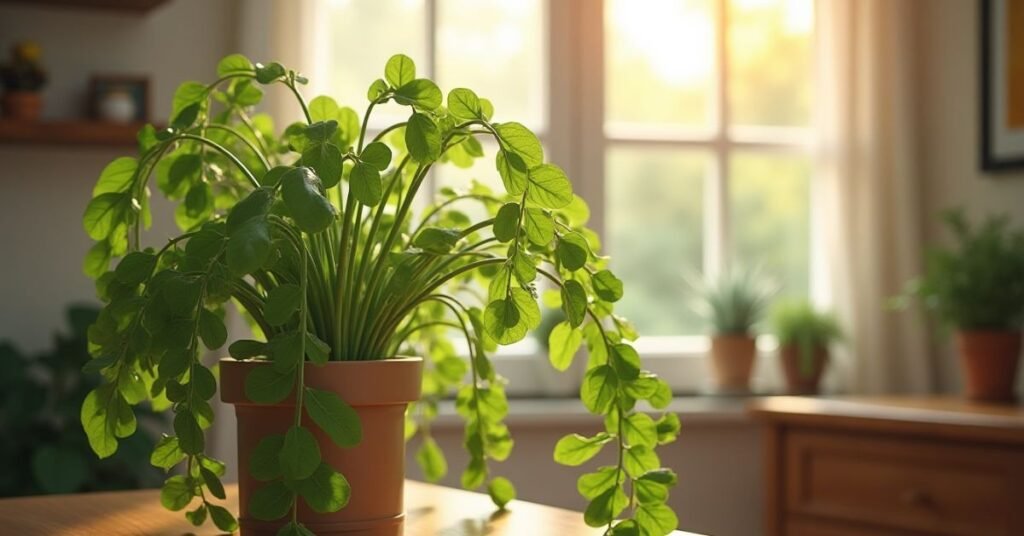
Light is the most important factor for a healthy Bridal Veil plant. These plants thrive in bright, indirect sunlight throughout the day. If they get enough light, they will stay bushy and produce many flowers. However, you should avoid placing them in direct, harsh sun. Too much direct sunlight can scorch their delicate leaves and turn them brown.
If your plant is in a spot that is too dark, it will let you know. The stems will grow long and thin as they “stretch” toward the nearest light source. This makes the plant look sparse instead of full and lush. To keep it looking its best, try rotating the pot every week. This ensures all sides of the plant get an even amount of light.
Keep these light tips in mind:
- Best Spot: Near an east or north-facing window is usually perfect.
- Avoid: Do not leave the plant in hot afternoon sun for long periods.
- Winter Care: Move it closer to the window during darker winter months.
- Sign of Trouble: If the purple color on the bottom of the leaves fades, it likely needs more light.
Watering Tips for a Healthy Plant
Watering your Bridal Veil is all about consistency. These plants love to stay hydrated, but they don’t like to sit in a puddle. The best method is to check the soil every few days with your finger. If the top inch of soil feels dry, it is time to give it a thorough drink. Always make sure your pot has drainage holes so the extra water can escape easily.
It is likely that your plants will need to be watered more frequently during the hot summer months. In the winter, growth slows down, so you can wait a bit longer between drinks. If you notice the leaves looking limp or wilting, the plant is usually thirsty. On the other hand, yellowing leaves often mean you are watering too much. Just pay attention to what the plant is telling you.
Here are some quick tips for watering success:
- Check Often: Feel the soil rather than sticking to a strict calendar.
- Drainage: Always empty the saucer under the pot after watering.
- Water Quality: Use room-temperature water to avoid shocking the roots.
- Misting: If your home is dry, mist the leaves to keep the humidity high.
Best Soil Mix for Growth
Choosing the right soil is the secret to a happy Bridal Veil. These plants need a mix that holds some moisture but also lets extra water drain away. A standard high-quality potting soil usually works well. To make it even better, you can mix in a little bit of perlite or coarse sand. This prevents the soil from getting too packed down over time.
Good soil should feel light and airy, not heavy like garden dirt. This allows the roots to breathe and grow easily. If the soil stays too wet for too long, the roots can rot, and the plant will suffer. Using a well-draining mix ensures your Bridal Veil stays vibrant and full of life.
Common Problems and How to Fix Them
Plant parents sometimes encounter trouble despite their best efforts. The Bridal Veil plant is usually tough, but it can show signs of stress if it isn’t happy. Brown, crispy leaf tips are a common sight, often caused by dry air or underwatering. On the other hand, if the leaves turn yellow and fall off, you might be giving it too much water. It is important to act quickly when you see these changes.
Pests like spider mites or aphids can also show up, especially in dry homes. These tiny bugs usually hide under the leaves or on the stems. If you notice sticky residue or small webs, your plant needs a gentle cleaning. Most issues are easy to fix if you catch them early. Just adjust your care routine and give the plant a little extra attention.
There are a few common issues you may encounter, and here are a few suggestions to solve them:
- Yellow Leaves: This usually means the soil is too wet. Allow the soil to dry out between waterings.
- Leggy Stems: Your plant needs more light. Move it to a brighter spot to keep it bushy.
- Brown Tips: The air is likely too dry. Try misting the plant or using a humidifier nearby.
- Pests: Wipe the leaves with a damp cloth or use a mild insecticidal soap to clear away bugs.
Bridal Veil vs Tahitian Varieties
Choosing between these two plants can be tricky because they look very similar at first glance. The classic Bridal Veil (Gibasis pellucida) is known for its tiny, pointed green leaves and thin, wiry stems. It grows very fast and creates a massive, misty cloud of white flowers when it is happy. It is the perfect choice if you want a large, flowing hanging basket.
The Tahitian Bridal Veil (Gibasis geniculata) is a close relative but has a slightly different look. Its leaves are usually a bit smaller and more rounded than the standard variety. Many people find the Tahitian type to be a little more compact and “stiff,” while the classic Bridal Veil is more delicate and airy. Both are easy to grow, so you can’t really go wrong with either one.
Bridal Veil vs Tahitian Varieties
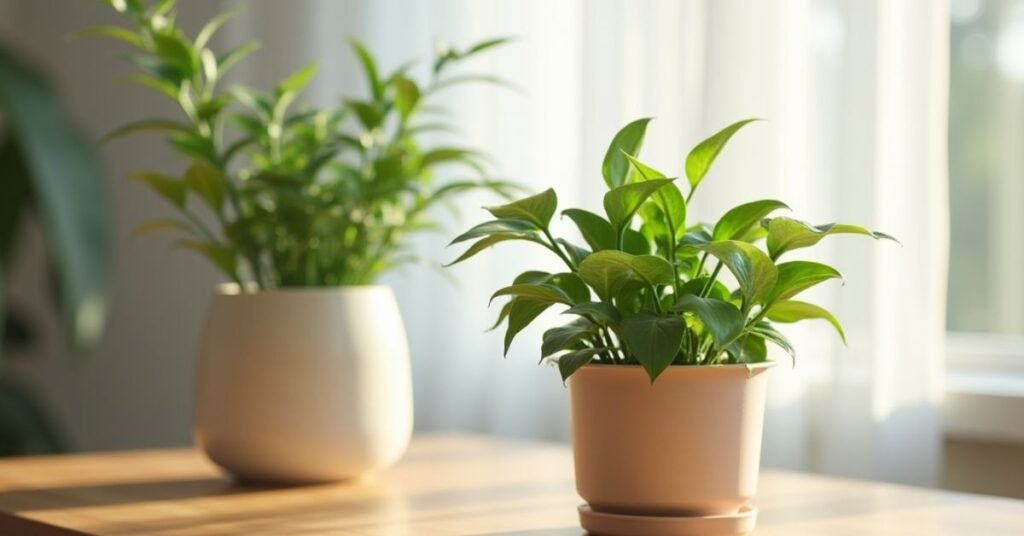
Choosing between these two plants can be tricky because they look very similar at first glance. The classic Bridal Veil (Gibasis pellucida) is known for its tiny, pointed green leaves and thin, wiry stems. It grows very fast and creates a massive, misty cloud of white flowers when it is happy. It is the perfect choice if you want a large, flowing hanging basket.
The Tahitian Bridal Veil (Gibasis geniculata) is a close relative but has a slightly different look. Its leaves are usually a bit smaller and more rounded than the standard variety. Many people find the Tahitian type to be a little more compact and “stiff,” while the classic Bridal Veil is more delicate and airy. Both are easy to grow, so you can’t really go wrong with either one.
To help you tell them apart, here is a quick comparison:
| Feature | Bridal Veil (G. pellucida) | Tahitian Bridal Veil (G. geniculata) |
| Leaf Shape | Pointed and lance-like | Slightly more rounded |
| Growth Habit | Very long, cascading vines | More compact and bushy |
| Flower Color | Tiny, pure white | Tiny, pure white |
| Leaf Color | Bright green with purple undersides | Darker green, often deep purple below |
| Stem Feel | Very thin and hair-like | Slightly thicker and sturdier |
| Best Use | Large hanging baskets | Small pots or tabletop displays |
| Growth Speed | Fast-growing | Moderate to fast-growing |
Is the Plant Safe for Pets?
One of the best things about the Bridal Veil plant is that it is non-toxic. This means it is generally safe to have around your cats and dogs. You don’t have to worry if your curious pet takes a small nibble of a trailing vine.”Pet-friendly” homes would benefit from this option.
Even though it is safe, it is still a good idea to hang it up high. Cats especially love to swat at the dangling stems because they look like toys. Eating too much of any plant can sometimes give a pet a mild tummy ache. Keeping it out of reach helps protect both your furry friends and your beautiful plant.
Indoor vs Outdoor Growing
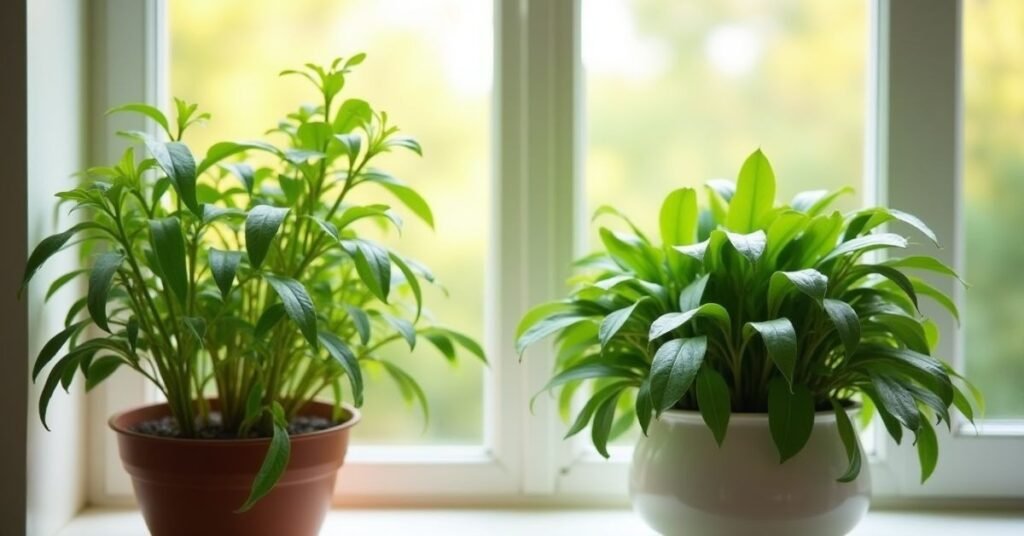
The Bridal Veil plant is most famous as an indoor houseplant. Inside, it stays protected from harsh winds and extreme temperatures. It loves the steady warmth of a home and looks beautiful hanging near a bright window. Because you can control the light and water indoors, the plant usually stays lush and green all year long.
However, you can also grow this plant outdoors if you live in a warm climate. It makes a wonderful “spiller” in mixed patio containers or hanging baskets on a porch. Just be sure to keep it in a shaded or filtered spot, as the hot sun can quickly wilt its thin leaves. If you live in a place with cold winters, remember to bring your plant back inside before the first frost hits.
Bridal Veil Plant Care Tips
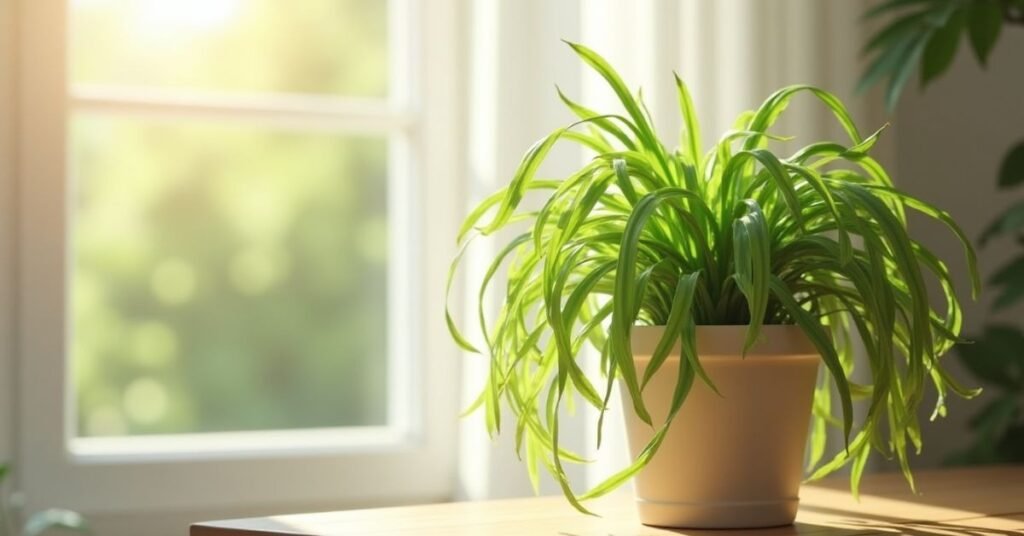
Keeping your Bridal Veil plant happy is all about small, daily habits. These plants don’t need much, but they do appreciate a stable environment. Try to keep them away from cold drafts or hot air vents. A steady temperature helps the plant produce those famous white flowers more often. If you notice the plant getting too long, don’t be afraid to give it a quick trim.
Pruning is actually one of the best ways to keep the plant looking thick and healthy. When you snip off the ends of the vines, it encourages new growth near the top. This prevents the “bald” look that some hanging plants get over time. With just a little bit of love, your Bridal Veil will grow into a stunning, misty cloud of green and white.
Follow these simple tips for the best results:
- Rotation: Turn the pot every week so all sides get equal sunlight.
- Cleaning: Gently mist the leaves to wash away dust and keep the pores open.
- Pruning: Pinch back long stems to help the plant grow fuller.
- Repotting: Move the plant to a slightly larger pot every two years to give the roots more room.
Conclusion
Caring for a Bridal Veil plant is a rewarding experience that doesn’t require much effort. By focusing on bright light and steady watering, you can enjoy its beautiful, flowing vines for a long time. It is a tough, pet-friendly plant that adds a touch of natural elegance to any room. Whether you are a beginner or a pro, this plant is a joyful addition to your collection.
Remember that plants are living things and might need small adjustments as the seasons change. Don’t be afraid to trim a few stems or move it to a brighter spot if it looks tired. With just a little bit of attention, your Bridal Veil will stay lush, green, and full of life. It truly is one of the most charming houseplants you can grow.
FAQs
1. How often should I water my Bridal Veil plant?
When the surface of the soil on top of your plant feels dry to the touch, it is time to water it. This usually happens once or twice a week depending on the temperature in your home.
2. Why are the leaves on my plant turning brown?
Brown tips usually mean the air is too dry or the soil is getting too thirsty. Try misting the leaves with water or moving the plant away from a heater.
3. Does the Bridal Veil plant need a lot of sunlight?
It loves bright, indirect light to stay thick and produce flowers. Avoid direct afternoon sun, as it can burn the delicate leaves.
4. Can I grow a new plant from a cutting?
Yes, simply snip a healthy stem and place it in a jar of water or moist soil. It grows roots very quickly and will become a new plant in a few weeks.
5. Is the Bridal Veil plant safe for my cat or dog?
Yes, this plant is non-toxic and safe for pets. However, it is still best to hang it high so your pets don’t pull on the trailing vines.

Jack Rivers is the founder of Plantsopedia, dedicated to making plant care simple, science-backed, and accessible for everyone. With a deep interest in botanical care and plant psychology, he specializes in rare tropical species and organic growth techniques, helping enthusiasts understand the soil, light, and biology behind every thriving plant. When he’s not experimenting with new propagation methods, Jack is busy turning complex horticultural science into practical, everyday advice for home gardeners