Introduction
The powder puff plant (Calliandra haematocephala) is a tropical evergreen shrub famous for its unique flowers. These eye-catching blooms look exactly like soft, fluffy makeup puffs made of bright red or pink silk threads. Gardeners love this plant because it grows quickly, stays green all year, and attracts hummingbirds and butterflies to the garden.
Imagine walking into your backyard and finding vibrant, glowing crimson puffs bursting from lush green branches. This plant instantly turns any boring garden corner or boring indoor space into a tropical paradise. It offers an easy way to add dramatic color and an exotic feel to your home without requiring expert gardening skills.
To keep this tropical beauty thriving, you just need to master a few basic care steps. Providing the right balance of bright light, proper watering, and well-draining soil ensures continuous blooming. This guide breaks down the essential maintenance tips you need to keep your plant healthy, vibrant, and full of stunning blossoms.
Powder Puff Plant Benefits
The powder puff plant brings incredible beauty to your home with its bright, fluffy flowers. These unique blossoms act like a natural magnet for wildlife, quickly drawing butterflies, bees, and hummingbirds to your yard. By planting one, you create a lively backyard habitat while helping local pollinators thrive. The dense, green foliage also works great as a natural privacy screen or a stunning focal point in your garden.
Beyond its outdoor perks, this plant significantly boosts your overall well-being. Looking at vibrant flowers and lush greenery reduces stress levels and creates a peaceful, calming environment. If you grow it indoors, the plant helps clean your indoor air by filtering out common household toxins. It offers an easy, low-maintenance way to improve both your mood and your physical living space.
Here are the key benefits you get from growing this tropical shrub:
- Attracts pollinators: Bright red and pink flowers bring butterflies, bees, and hummingbirds directly to your garden.
- Boosts mood: Lush green leaves and unique blossoms lower stress and create a relaxing atmosphere.
- Purifies air: Indoor plants filter out common household toxins and improve daily air quality.
- Creates privacy: Thick, fast-growing branches form an excellent natural hedge for your yard.
Best Light for Powder Puff Plant
The powder puff plant absolutely loves the sun and needs plenty of bright light to thrive. You should place your plant in a spot where it receives at least six hours of direct sunlight every single day. Full sun fuels the plant, giving it the necessary energy to produce those iconic, fluffy red blossoms. If you grow it indoors, a sunny south-facing or west-facing window provides the perfect setup for healthy growth.
While this shrub craves sunshine, intense afternoon heat can sometimes scorch the delicate leaves. In extremely hot climates, you should provide some light afternoon shade to protect the foliage from burning. The plant can tolerate partial shade, but too much darkness will cause fewer flowers and weak, leggy branches. Striking the right balance with abundant bright light ensures a bushy plant that blooms beautifully all year long.
Soil Needs for Powder Puff Plant
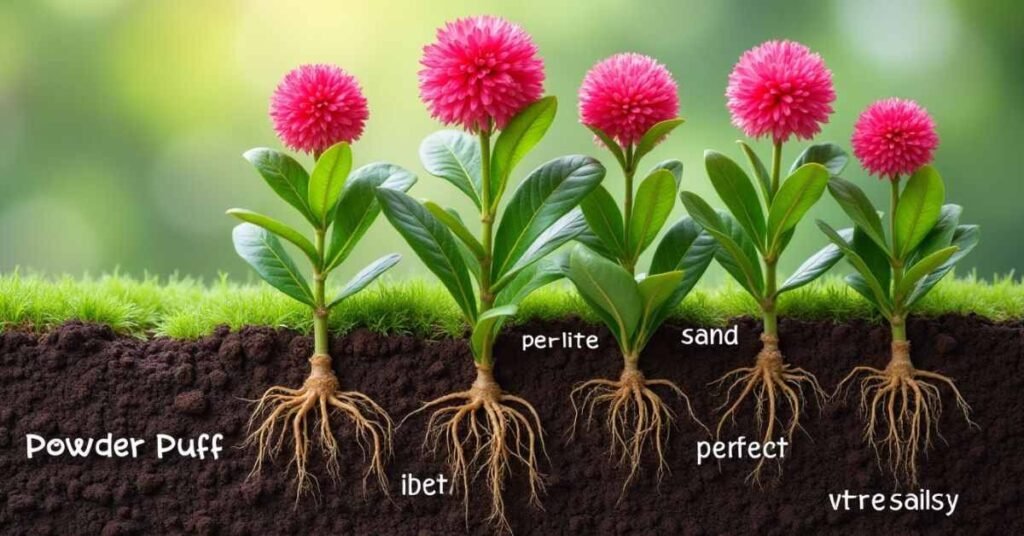
The powder puff plant requires well-draining soil to keep its root system healthy and strong. You should use a fertile, loamy potting mix that retains a little moisture but lets excess water flow out freely. Soggy soil quickly suffocates the roots and leads to destructive root rot. Mixing standard potting soil with generous amounts of perlite or coarse sand creates the perfect drainage system.
This tropical shrub prefers a soil pH that ranges from slightly acidic to neutral. You can enrich the ground by mixing in organic compost to provide a steady supply of natural nutrients. If your garden soil contains heavy clay, you should grow the plant in raised beds or containers instead. Choosing the right soil structure gives your plant a solid foundation for rapid growth and spectacular blooms.
Watering a Powder Puff Plant
You should water your powder puff plant regularly to keep the soil consistently moist but never soggy. During the hot spring and summer months, the plant drinks a lot of water to fuel its rapid growth. You can check the soil with your finger and water deeply whenever the top inch feels dry. Allowing the soil to dry out completely will cause the leaves to turn yellow and drop off early.
When winter arrives, the plant slows down its growth and requires significantly less water. You should reduce your watering schedule during these cooler months to prevent water from pooling around the roots. Always pour water directly onto the soil at the base of the plant rather than wetting the fluffy flowers. Proper watering habits keep the roots healthy and ensure a steady supply of beautiful, vibrant blooms.
Powder Puff Plant Temperature Range
The powder puff plant loves warm tropical weather and thrives best in temperatures between 65°F and 85°F (18°C to 29°C). Warm daytime temperatures give the shrub the energy it needs to grow quickly and produce beautiful flowers. If you live in an area with hot summers, the plant will easily handle the heat as long as you water it well. When the weather stays consistently warm, you can expect stunning, fluffy blooms for most of the year.
This plant does not tolerate cold weather well and suffers damage when temperatures drop below 50°F (10°C). Freezing temperatures and frost will quickly kill the leaves and branches of this tropical shrub. If you experience cold winters, you should grow your plant in a container so you can bring it indoors before the first frost. Keeping the plant in a warm, draft-free room during the winter months protects it from freezing temperatures and ensures its survival.
How to Prune a Powder Puff Plant
You should prune your powder puff plant in the early spring to keep it looking neat and healthy. Trimming the branches at the start of the growing season encourages the plant to sprout fresh, bushy new growth. You should use sharp, clean bypass pruners to make clean cuts just above a leaf node or bud. Removing old, leggy stems allows the plant to focus its energy on producing tons of vibrant new flowers.
Regular maintenance pruning during the year also protects the shrub from pests and diseases. You should check the plant often and cut away any dead, broken, or yellowing branches right away. To manage its size, you can safely cut your plant back by one third if it grows too large for its space. Proper trimming shapes the canopy beautifully and lets air and sunlight reach the inner branches.
Follow these simple steps to prune your plant successfully:
- Clean your tools: Wipe your pruners with rubbing alcohol to prevent spreading plant diseases.
- Remove dead wood: Cut away all dry, brittle, orShape the shrub: Trim back long, wild stems to maintain a compact and attractive shape.
- Cut at an angle: Make your cuts at a 45-degree angle to help water slide off the stem and prevent rot.
Common Powder Puff Plant Problems
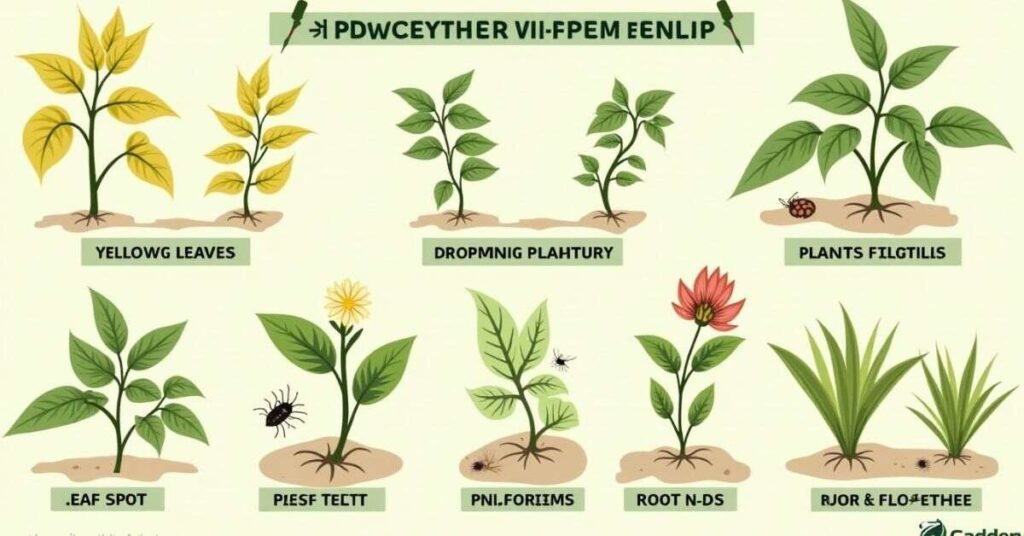
The powder puff plant faces a few common issues that can damage its health and appearance. Sap-sucking pests like aphids, spider mites, and mealybugs frequently attack the tender new stems and lush green leaves. These tiny insects drain the plant’s energy, causing the foliage to curl, turn yellow, or look sticky. Catching these pests early allows you to wipe them away easily with a damp c diseased branches down to the healthy wood.
loth or natural insecticidal soap.
Improper watering and poor placement also cause serious environmental stress for this tropical shrub. Giving the plant too much water or using heavy soil quickly triggers destructive root rot. On the other hand, extreme drought or cold drafts will make the leaves drop off the branches overnight. Paying close attention to changes in the leaves helps you adjust your care routine before the plant suffers permanent damage.
The table below outlines the most common problems, their main causes, and the exact steps you need to take to fix them:
| Problem | Main Cause | How to Fix It |
| Yellowing Leaves | Overwatering or poor soil drainage | Reduce watering and move the plant to a well-draining soil mix. |
| Dropping Leaves | Cold drafts, frost, or severe underwatering | Move the plant to a warmer spot and water whenever the top inch of soil feels dry. |
| Sticky Residue on Leaves | Aphids or mealybugs feeding on sap | Wash the foliage with warm soapy water or spray it with organic neem oil. |
| Fine Webbing on Stems | Spider mites thriving in dry air | Wipe the plant down, increase the local humidity, and spray with miticide. |
| Few or No Flowers | Not enough sunlight or too much shade | Move the plant to a brighter location that gets six hours of direct sun daily. |
| Soft, Mushy Stems | Advanced root rot from standing water | Cut away the rotten roots, treat with fungicide, and repot in fresh, dry soil. |
| Pale or Bleached Leaves | Sunburn from intense, scorching afternoon sun | Move the plant slightly away from harsh windows in the afternoon or provide light afternoon shade. |
Yellow Leaves on Powder Puff Plant
Yellow leaves on your powder puff plant usually signal that the roots are getting too much water. When you water the plant too often or use heavy soil, water pools at the bottom of the pot and drowns the root system. Drowned roots cannot absorb oxygen or nutrients, which quickly turns the vibrant green leaves a pale yellow color. You should always let the top inch of soil dry out completely before you grab the watering can again.
Nutrient deficiencies and lack of sunlight can also cause the foliage to lose its bright green color. If you do not feed your plant during the active spring growing season, the soil runs out of the essential minerals that keep leaves healthy. Moving your plant to a darker corner will also trigger yellowing because the leaves cannot make enough food through photosynthesis. Checking the soil moisture and providing bright light will help your plant regain its beautiful green color.
Why Powder Puff Plant Stops Blooming
A lack of sunlight stands as the most common reason your powder puff plant stops blooming. This tropical shrub requires at least six hours of direct sun daily to generate enough energy for its fluffy flowers. When you place it in too much shade, the plant channels its energy into stretching its branches toward the light instead of growing buds. Chilly winter weather and cold indoor drafts also shock the plant, forcing it to drop its current blossoms and stop producing new ones entirely.
Incorrect pruning habits and poor feeding routines also halt the production of those iconic red puffs. If you trim the branches too late in the spring, you accidentally cut away the fresh wood where the flower buds want to form. High-nitrogen fertilizers create a similar problem by forcing the plant to grow massive green leaves while completely ignoring flower development. Balancing your watering routine and switching to a phosphorus-rich fertilizer will quickly encourage your plant to start blooming beautifully again.
Growing Powder Puff Plant Indoors
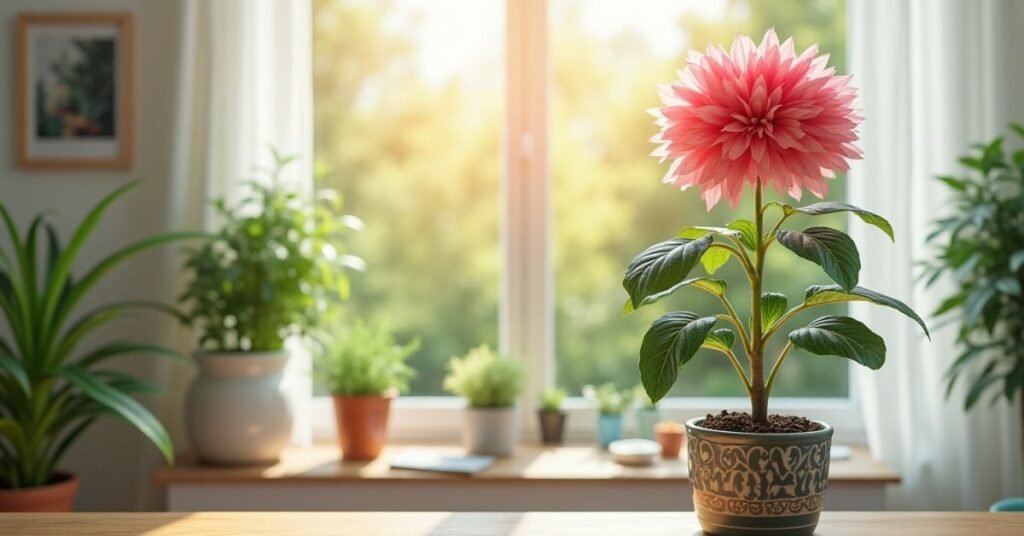
You can easily grow a powder puff plant indoors if you place it in the right spot. This tropical shrub needs tons of light, so you should set your container near a bright south-facing or west-facing window. Indoor air can get very dry, especially during the winter when home heating systems run constantly. You should boost the humidity around your plant by using a small room humidifier or placing the pot on a tray filled with wet pebbles.
Indoor container plants require careful watering because pots hold onto moisture longer than garden soil does. You must use a pot with large drainage holes so excess water can escape freely after every watering session. Keeping the indoor temperature above 65°F (18°C) ensures your plant stays warm and comfortable throughout the year. Protecting the branches from cold window drafts and air conditioning vents keeps the foliage healthy and encourages regular, beautiful blooms.
Powder Puff Plant Uses in Landscaping
The powder puff plant makes a fantastic choice for adding structure and vibrant color to your outdoor garden design. Landscape designers frequently use its dense branches to grow thick privacy hedges that block out nosy neighbors and harsh winds. You can plant multiple shrubs along your property line or next to a brick wall to create a beautiful, soft green boundary line. The constant presence of bright crimson flowers against dark green leaves instantly gives your backyard a relaxed, resort-like feel.
This versatile shrub also works wonderfully as a standalone accent piece or specimen plant in smaller yards. You can easily train its flexible main stems to grow against a flat trellis, an outdoor fence, or a sunny porch railing. Planting one right outside a large living room window allows you to watch local hummingbirds and butterflies visit the blossoms all day long. Its rapid growth rate and stunning visual texture make it a popular favorite for creating eye-catching tropical landscapes.
Here are the most popular ways you can use this tropical shrub in your yard:
- Living privacy screens: Plant several shrubs close together to block unwanted views with thick, beautiful foliage.
- Wall and fence borders: Grow the plant against bare walls or fences to soften hard structures with colorful flowers.
- Stunning focal points: Place a single, well-pruned shrub in the middle of a garden bed to draw the eye instantly.
- Espalier training: Guide the branches to grow flat against a wooden trellis or a sunny patio structure.
Read More Information | https://plantsopedia.com/eucalyptus-plant-benefits-in-room/
Powder Puff Plant Care Mistakes to Avoid
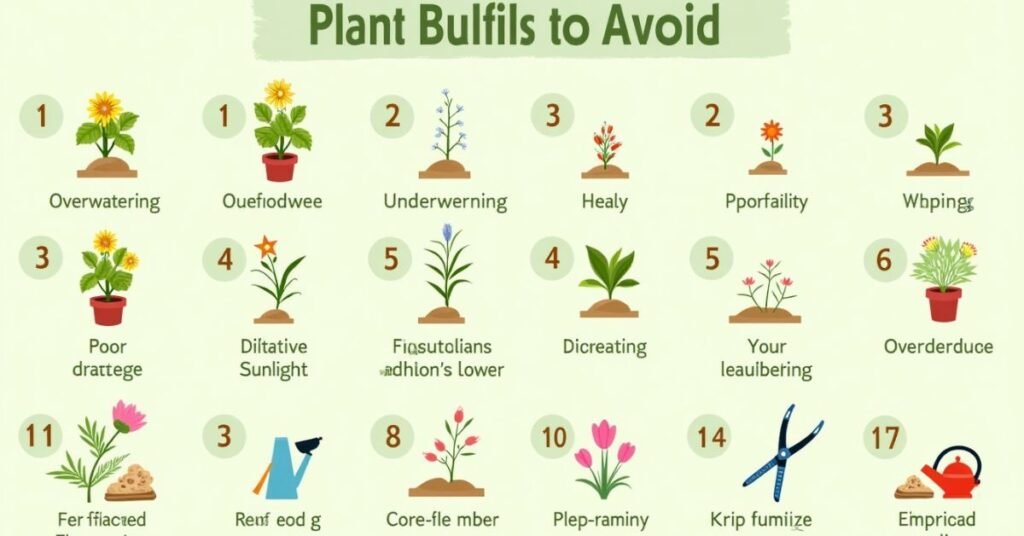
Many gardeners accidentally hurt their powder puff plant by watering it too much or using the wrong soil mix. Pouring water onto the plant every single day drowns the roots and triggers destructive root rot. You must avoid heavy garden soils that trap moisture and keep the root system soaking wet for days. Another major mistake involves letting the plant sit in deep shade, which completely stops the production of those beautiful, fluffy blossoms.
You should also watch out for temperature mistakes and bad trimming habits that stall your plant’s growth. Leaving this tropical shrub outside during a freezing winter night will quickly kill the leaves and branches. Trimming the stems too late in the summer also ruins your chances of seeing flowers because you accidentally cut off the blooming wood. Avoiding these common errors ensures a healthy, strong plant that displays vibrant red color all year long.
Make sure you avoid these critical care mistakes when growing your shrub:
- Overwatering the roots: Do not water the plant when the soil still feels damp, or you will cause root rot.
- Choosing dark locations: Avoid placing the pot in dark rooms or shady corners that prevent flower buds from forming.
- During the winter, keep the plant away from freezing temperatures, frost, or chilly drafts.
- Using wrong fertilizers: Stay away from high-nitrogen fertilizers that produce massive leaves but zero fluffy flowers.
- Trimming at the wrong time: Do not prune your plant late in the season, or you will remove the fresh wood that holds the flower buds.
FAQs
Is the powder puff plant toxic to pets?
No, the powder puff plant is non-toxic to dogs, cats, and horses. You can safely grow this tropical shrub inside your home or around your backyard.
When should I fertilize my powder puff plant?
During the active spring and summer growing season, you should feed the plant once a month. Use a balanced, water-soluble fertilizer or a phosphorus-rich mix to encourage heavy blooming.
Can I grow a powder puff plant from cuttings?
Yes, you can easily propagate this plant by taking stem cuttings in the late spring or early summer. Dip the cut end in rooting hormone and place it in moist, well-draining soil until roots develop.
Why are the leaves on my powder puff plant closing?
The leaves naturally fold up at night or during heavy rainstorms to protect themselves and conserve moisture. They will open back up automatically as soon as daylight or bright sunshine returns.
How fast does a powder puff plant grow?
This tropical shrub grows very quickly and can add several feet of new growth in a single year. Regular spring pruning helps you control its rapid size and maintain a beautiful shape.
Conclusion
Caring for a powder puff plant is a rewarding experience that brings vibrant tropical beauty right into your home or garden. By mastering the basics of bright sunlight, well-draining soil, and consistent watering, you ensure a healthy lifestyle for this unique shrub. Avoiding common mistakes like overwatering and cold exposure keeps the foliage lush and the branches strong. With just a little bit of regular attention, you can easily maintain a stunning plant that catches everyone’s eye.
Ultimately, those iconic, fluffy red blossoms make every bit of effort completely worth it. Your plant will reward you with continuous color and a lively backyard filled with butterflies and hummingbirds. Whether you grow it as a grand outdoor hedge or a cozy indoor accent piece, this shrub brings pure joy to any space. Grab your watering can, set your plant in a sunny spot, and enjoy the wonderful magic of the powder puff plant.

Jack Rivers is the founder of Plantsopedia, dedicated to making plant care simple, science-backed, and accessible for everyone. With a deep interest in botanical care and plant psychology, he specializes in rare tropical species and organic growth techniques, helping enthusiasts understand the soil, light, and biology behind every thriving plant. When he’s not experimenting with new propagation methods, Jack is busy turning complex horticultural science into practical, everyday advice for home gardeners