Introduction
It is a beautiful and useful plant. People love it for its bright red flowers and strong health benefits. Many people also call the jamaica plant hibiscus. It grows well in warm places and needs simple care. You can find this plant in many homes and gardens.
The plant gives flowers that people use to make tea, drinks, and food. The drink made from this plant tastes sour and fresh. Many families enjoy it in summer. The plant also helps the body stay healthy.
In this guide, you will learn everything about the plant. You will learn how it grows, how to use it, and how to take care of it. This article uses simple words so everyone can understand it easily.
What Is Jamaica Plant and Why People Love It
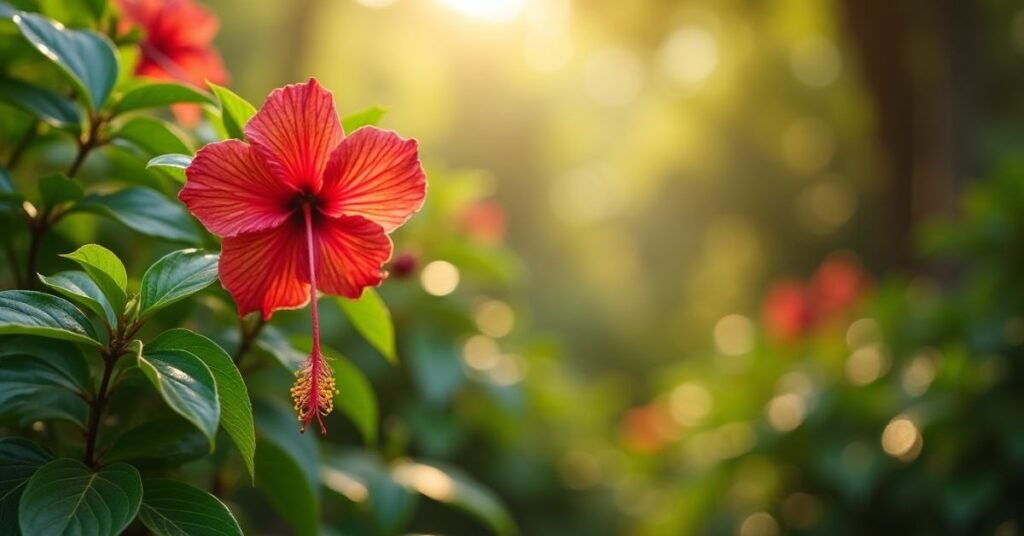
The jamaica plant is a type of hibiscus plant. Its scientific name is Hibiscus sabdariffa. This plant grows in warm regions like Africa, Asia, and the Caribbean. It produces bright red petals that look very attractive.
People love the plant because it looks beautiful and gives many benefits. The flowers of the plant are not just for decoration. People dry them and use them in drinks and food. The taste feels sour, like lemon. Many people enjoy it as a cold drink.
The plant also supports good health. It helps control blood pressure and improves digestion. People also use it to stay hydrated during hot days. The plant grows fast and does not need much care.
Because of these reasons, many people choose the plant for their gardens. It adds beauty and also gives useful flowers for daily use.
Types of Jamaica Plant You Should Know
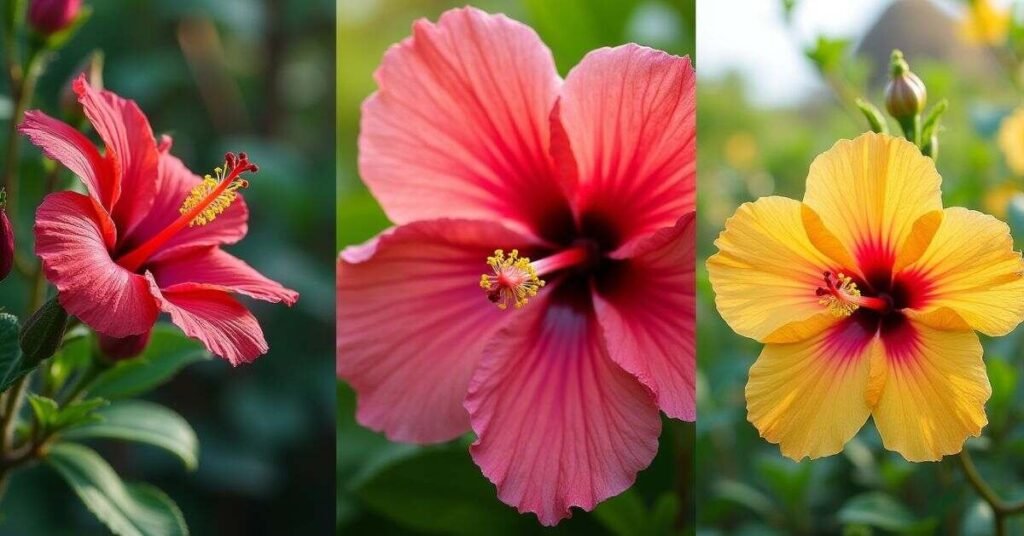
The jamaica plant comes in a few types, but most people know the red variety. Each type looks slightly different but offers similar benefits. Some types grow taller, while others stay small.
The most common plant has deep red flowers. People use this type to make tea and drinks. Another type has lighter red or pink flowers. Some plants also produce green stems instead of red.
All types of plant grow best in warm climates. They need sunlight and enough space to grow. Some types grow faster than others, but they all need basic care.
Here is a simple table to help you understand the main types:
| Type of Jamaica Plant | Color | Common Use | Growth Size |
| Red Jamaica Plant | Dark Red | Tea, drinks | Medium |
| Pink Jamaica Plant | Light Pink | Decoration | Small |
| Green Stem Variety | Green | Cooking | Large |
People choose the type based on their needs. Some want it for drinks, while others grow it for beauty. The plant always adds value to your garden.
Health Benefits of Jamaica Plant for Daily Life
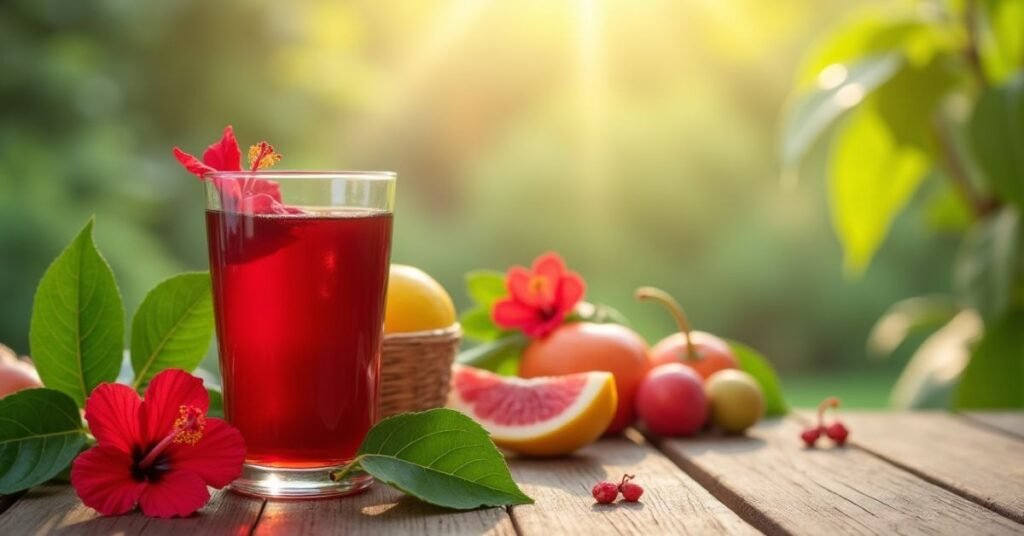
The jamaica plant offers many health benefits. People use it in drinks because it supports the body in many ways. It contains vitamins and natural compounds that help keep the body strong.
The plant helps control blood pressure. Many people drink hibiscus tea daily for this reason. It also helps improve digestion. If you feel heavy after eating, this plant can help.
The plant also supports the immune system. It contains vitamin C, which helps fight illness. Many people drink it during cold seasons. It also helps cool the body during hot weather.
Another benefit of the plant is that it helps with weight control. It contains very few calories. People who want a healthy drink choose it instead of sugary drinks.
Because of these benefits, many people use the plant in daily life. It is a natural and simple way to stay healthy.
How to Grow Jamaica Plant at Home Easily
You can grow the jamaica plant at home without much effort. It grows well in warm climates and needs basic care. You can plant it in your garden or in pots.
Start by choosing good seeds. Plant them in soil that drains water well. The plant does not like too much water. Water the plant regularly but do not overwater it.
Place the plant in a sunny spot. It needs sunlight to grow strong. Try to give it at least six hours of sunlight every day. The plant will grow faster with enough light.
The jamaica plant also needs space. It can grow quite tall, so do not plant it too close to other plants. Trim the plant if it grows too big. This helps it stay healthy.
With simple care, the plant will grow well. Soon, you will see beautiful red flowers. You can then use them for tea and other uses.
Uses of Jamaica Plant in Food and Drinks
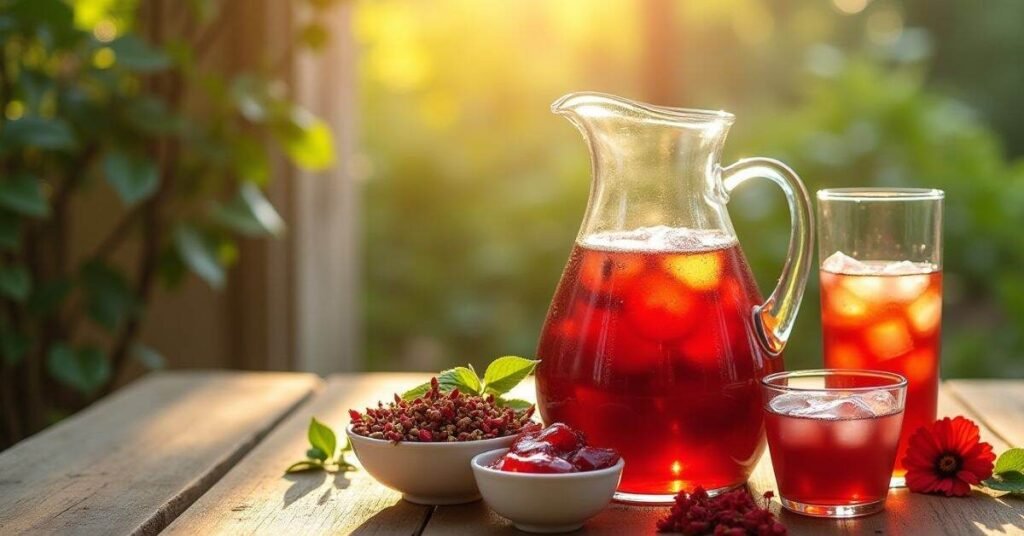
The jamaica plant plays a big role in food and drinks. People use its dried flowers to make tasty beverages. The most popular drink is hibiscus tea. It has a sour and refreshing taste.
People also use the jamaica plant in juices and cold drinks. In many countries, people serve it chilled with sugar. It becomes a perfect summer drink. Some people also mix it with other fruits for better taste.
The jamaica plant also works well in cooking. People add it to sauces and jams. It gives a unique flavor and bright color. Some people even use it in desserts.
Here is a simple table showing its uses:
| Use Type | Example | Taste |
| Drink | Hibiscus Tea | Sour |
| Juice | Cold Jamaica Drink | Refreshing |
| Food | Jam and Sauce | Tangy |
The jamaica plant gives both taste and color. It makes food more exciting and healthy.
Caring Tips for Healthy Jamaica Plant Growth
The jamaica plant stays healthy with proper care. You do not need expert skills to take care of it. Just follow simple steps.
Water the plant regularly but do not flood it. Too much water can damage the roots. Always check the soil before watering.
Give enough sunlight to the jaaica plant. Without sunlight, it will not grow well. Place it in an open area where it can get light easily.
Use good soil for the plant. Soil should allow water to pass easily. You can also add compost to improve growth. This gives nutrients to the plant.
Protect the plant from pests. Check leaves often. If you see insects, clean the plant gently. You can use natural sprays to keep pests away.
With proper care, the plant will grow strong and healthy. It will give you beautiful flowers for many uses.
Read More Information | https://plantsopedia.com/chaparral-plants/
Common Problems in Jamaica Plant and Easy Solutions
The jamaica plant may face some common problems. You can solve them easily if you act early.
Sometimes, the leaves turn yellow. This happens when the plant gets too much water. Reduce watering to fix this issue.
Pests can also attack the plant. Small insects may damage leaves. Clean the leaves and use safe sprays. This will protect the plant.
Another problem is slow growth. This happens when the plant does not get enough sunlight. Move it to a brighter place.
Here is a quick table for problems and solutions:
| Problem | Cause | Solution |
| Yellow Leaves | Too much water | Reduce watering |
| Pests | Insects | Clean and spray |
| Slow Growth | Less sunlight | Increase light |
You can keep your jamaica plant healthy by checking it often. Quick action can save the plant from damage.
FAQst
Q1. What does jamaica plant taste like?
The plant has a sour and refreshing taste, similar to lemon or cranberry.
Q2. Is jamaica plant the same as hibiscus?
Yes, the plant is a type of hibiscus known as Hibiscus sabdariffa.
Q3. Can jamaica plant grow in pots?
Yes, you can grow the jamaica plant in pots if you give it enough sunlight and space.
Q4. When should I harvest jamaica plant flowers?
You should harvest plant flowers when they turn deep red and feel thick.
Q5. Does jamaica plant need a lot of water?
No, the plant needs moderate water. Too much water can harm the roots.
Conclusion
The jamaica plant is a simple and useful plant. It gives beauty and health at the same time. You can grow it easily at home with basic care. It does not need special skills or tools. Its bright red flowers make your garden look fresh and lively. You can also use it to make tasty drinks and food. This makes the plant a great choice for everyone.
The jamaica plant also helps you live a healthy life. It supports your body in many ways and keeps you refreshed. You can enjoy it daily without much effort. If you give it sunlight, water, and care, it will grow strong. This plant gives value in many ways. You can enjoy both its beauty and benefits every day.

Jack Rivers is the founder of Plantsopedia, dedicated to making plant care simple, science-backed, and accessible for everyone. With a deep interest in botanical care and plant psychology, he specializes in rare tropical species and organic growth techniques, helping enthusiasts understand the soil, light, and biology behind every thriving plant. When he’s not experimenting with new propagation methods, Jack is busy turning complex horticultural science into practical, everyday advice for home gardeners