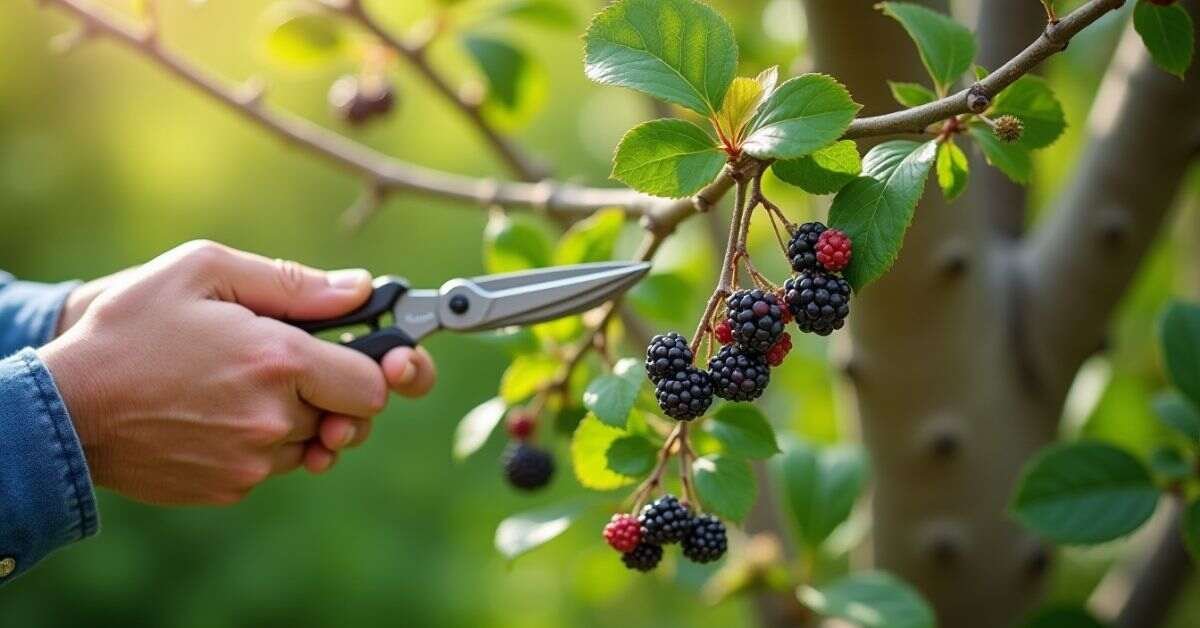
Introduction
Growing saskatoon berry plant adds a beautiful and productive element to any garden. These hardy shrubs produce sweet, almond-flavored fruit that looks very similar to blueberries. While they often grow wild across the prairies, many people now cultivate them at home for their impressive resilience and nutritious harvests.
Do you want to harvest buckets of juicy berries instead of just a handful each summer? Many gardeners overlook one simple step that makes the biggest difference in their crop size. Without the right care, your bush might focus all its energy on leaves rather than the sweet fruit you actually want to eat.
Effective pruning creates the perfect environment for a massive fruit yield by opening up the plant to more sunlight and air. Regular maintenance prevents the branches from becoming overcrowded and keeps the shrub healthy for years. Following a few specific Saskatoon berry plant pruning tips for bigger fruit yield ensures your harvest remains consistent and delicious every season.
Saskatoon Berry Plant Overview and Key Facts
Saskatoon berries are hardy shrubs that thrive in various climates and soil types. These plants belong to the rose family and produce small, purple fruits that look like blueberries. People love them because they survive cold winters and resist many common garden pests. You often find them growing in the wild, but they also make excellent additions to home landscapes.
Each berry packs a punch of sweet, nutty flavor and essential nutrients like fiber and antioxidants. The shrubs grow upright and produce beautiful white flowers during the spring months. These plants provide a reliable harvest every year once they establish their root systems. They offer both delicious food for your kitchen and a lovely visual for your backyard garden.
How to Grow Saskatoon Berry Plant in Your Garden
Start by choosing a sunny spot in your yard with well-draining soil. These shrubs love the sun and need it to produce the sweetest fruit. Dig a hole twice as wide as the root ball and set the plant at the same depth it grew in its pot. Fill the hole with soil and press down firmly to remove air pockets. Water the new plant immediately to help the roots settle into their new home.
First growing season, water the soil but don’t let it become soggy. Adding a layer of mulch around the base helps retain moisture and keeps weeds away. You only need a little patience while the shrub matures and begins to produce fruit. Following these simple steps ensures your plant stays healthy and strong for a long time.
- Select a Location: Find a patch of ground that receives full sunlight for at least six hours a day.
- Prepare the Soil: Ensure the ground drains well so the roots do not sit in water.
- Planting: Place the shrub in the hole and backfill with native soil.
- Initial Care: Give the plant plenty of water and apply mulch to protect the base.
- Maintenance: Prune away dead wood in early spring to encourage fresh growth.
Best Soil for Saskatoon Berry Plant Growth
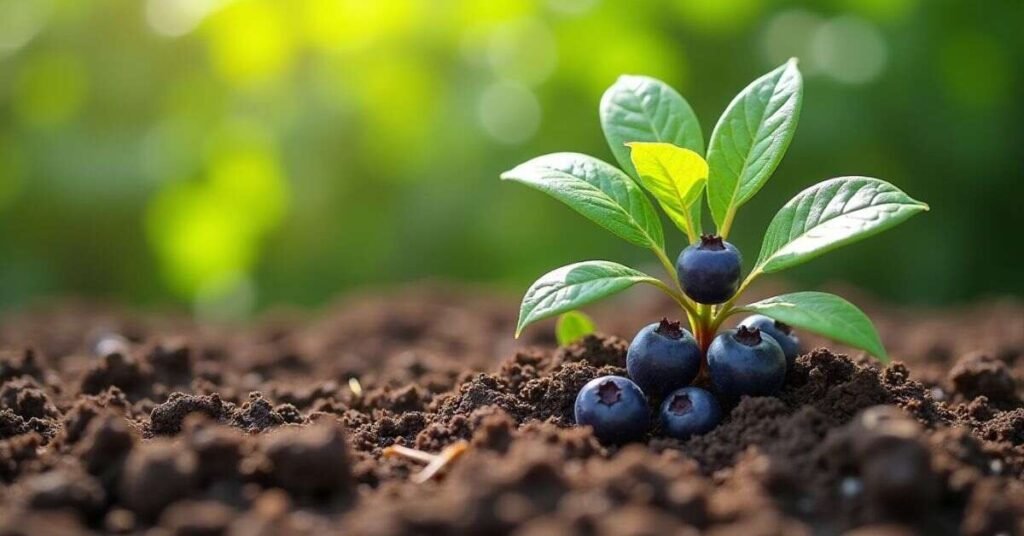
Saskatoon berries grow best in soil that drains water quickly and easily. They prefer a sandy loam texture that allows roots to breathe and spread without getting stuck in heavy mud. While these plants are very tough, they struggle if their roots sit in puddles for too long. Checking your garden drainage before planting helps your shrub get the best possible start.
The acidity of your soil also plays a big role in how well the plant absorbs nutrients. These shrubs like a slightly acidic to neutral environment to stay vibrant and green. You can improve your garden soil by adding organic compost or aged manure before you dig your planting hole. Healthy soil leads to a much bigger harvest of sweet berries later in the season.
- Drainage: Use loose, well-draining soil to prevent root rot.
- Soil Type: Aim for a sandy loam or silty texture for the best results.
- pH Level: Keep the soil between 6.0 and 7.0 for optimal nutrient intake.
- Organic Matter: Mix in compost to provide a steady supply of natural food.
- Moisture: Ensure the ground stays damp but never remains completely soaked.
Watering Needs of Saskatoon Berry Plant
Saskatoon berry plants need regular watering during their first two years in the ground. Young roots require consistent moisture to grow deep and strong into the soil. You should check the ground often and water whenever the top inch feels dry to the touch. Providing a deep soak once a week usually keeps a developing shrub very happy and healthy.
Older plants handle dry spells much better than young ones because of their established roots. However, you must provide extra water during the hot summer weeks when the fruit begins to ripen. Proper hydration ensures the berries stay juicy and prevents them from shriveling up on the branch. Adding a layer of wood chips around the base helps keep the water in the ground longer.
Sunlight Requirements for Saskatoon Berry Plant

Saskatoon berry plants love basking in the bright sun all day long. Direct sunlight provides the energy these shrubs need to produce a heavy crop of sweet fruit. You should aim for a spot that gets at least six to eight hours of light every day. While they can grow in partial shade, you will likely see fewer berries and slower growth.
The afternoon sun helps dry the leaves quickly after a rain shower or morning dew. This natural drying process keeps the plant healthy and prevents many common leaf diseases. Proper light exposure also brings out the best flavors and deep purple colors in the ripening berries. Choosing the brightest spot in your garden makes a huge difference in your final harvest.
- It is recommended for fruit to be grown in full sun for at least six hours per day.
- Partial Shade: The plant survives in shade but produces significantly fewer berries.
- Morning Light: Early sun helps evaporate moisture and keeps the foliage dry.
- Fruit Quality: Higher light levels lead to sweeter and more nutritious fruit.
- Spacing: Space your plants properly so they do not shade each other out.
How to Plant Saskatoon Berry Plant Step by Step
You should start by digging a hole that is twice as wide as the root ball of your plant. This extra space allows the young roots to spread out easily into the loose soil. Place the shrub into the hole so it sits at the same depth as it did in its original container. Burying the stem too deep can cause rot while planting it too shallow might dry out the roots.
Firmly pack the soil around the base of the plant to remove any large air pockets. Give the area a generous amount of water immediately after you finish planting to settle everything into place. A thick layer of mulch around the shrub helps keep the soil moist and prevents weeds from stealing nutrients. Following these simple steps gives your new Saskatoon berry plant the best chance for a healthy life.
- Dig the Hole: Create a space twice as wide as the roots and just as deep.
- Set the Plant: Place the shrub in the center of the hole at the correct depth.
- Refill the Soil: Pack the dirt back into the hole and press down gently with your hands.
- Water Deeply: Soak the ground thoroughly to hydrate the roots and settle the soil.
- Add Mulch: Spread wood chips or straw around the base to protect the root zone.
Saskatoon Berry Plant Pruning Tips for Better Yield
Pruning your Saskatoon berry plant keeps it productive and full of life. You should remove old or broken branches in the early spring before new leaves appear. This process opens up the center of the shrub so more sunlight reaches the inner stems. Better light and airflow help the plant grow larger and sweeter berries for your harvest.
Regular trimming also prevents the bush from becoming too tall or tangled. You want to encourage new growth because younger branches produce the best fruit. Cutting back the oldest wood every year keeps the plant’s energy focused on berry production. A well-maintained shrub stays healthy and resists diseases much better than an overgrown one.
- Prune Early: Trim your plants in late winter or early spring before the buds open.
- Remove Dead Wood: Always cut away branches that look dry, brittle, or damaged.
- Thin the Center: Take out crowded stems to allow air to flow through the middle.
- Target Old Branches: Cut back stems that are more than six years old to make room for new ones.
- Control Height: Keep the shrub at a manageable height to make picking the fruit much easier.
Common Problems in Saskatoon Berry Plant and Solutions
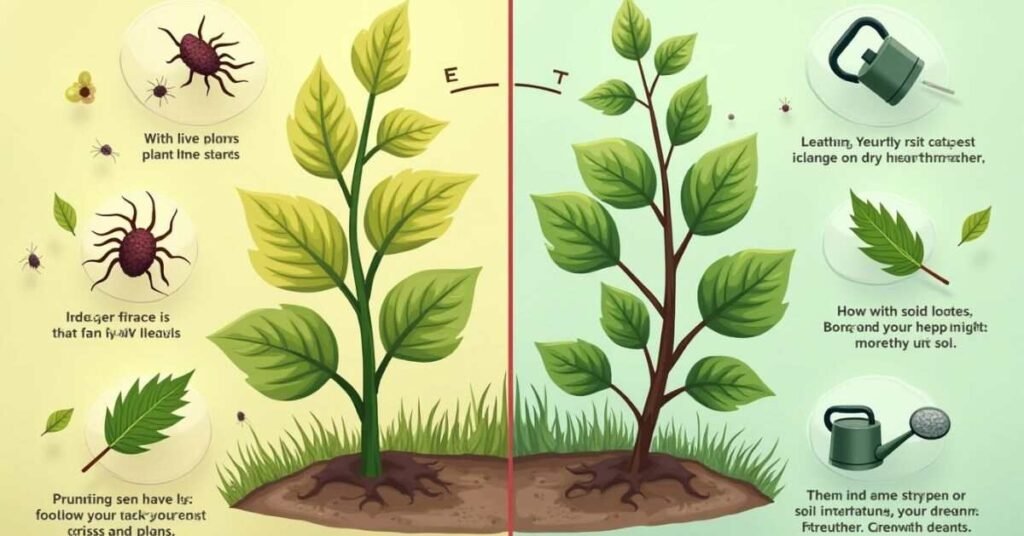
Saskatoon berry plants sometimes face challenges from pests and diseases. You might notice spots on the leaves or fruit that looks shriveled and dry. These issues often happen when the weather stays very damp for a long time. Keeping a close eye on your plants helps you catch these problems before they spread to the whole bush.
Most garden issues have simple solutions that keep your plants healthy. Good airflow and proper spacing prevent many fungal diseases from ever starting. You can also pick off damaged leaves or use organic sprays to protect your harvest. Regular care ensures your shrub stays strong enough to fight off most common garden visitors.
| Problem | Symptoms | Simple Solution |
| Saskatoon Sawfly | Small holes in the leaves or damaged fruit. | Hand-pick the pests or use a gentle organic soap spray. |
| Powdery Mildew | White, flour-like coating on leaves and stems. | Improve airflow by pruning and avoid watering the leaves. |
| Entomosporium Leaf Spot | Small reddish-brown spots on leaves and berries. | Rake up fallen leaves in autumn and prune dead wood. |
| Birds | Berries disappear quickly as they ripen. | Cover your shrubs with garden netting during harvest time. |
| Brown Rot | Fruit turns soft, brown, and fuzzy. | Remove infected berries immediately and keep the area clean. |
| Rust | Yellow or orange spots appearing on the foliage. | Plant resistant varieties and keep plants away from juniper trees. |
| Aphids | Curled leaves and sticky residue on the stems. | Blast them off with a sharp stream of water from a hose. |
| Root Rot | Leaves turn yellow and the plant wilts. | Only plant in spots where the water drains away quickly. |
How to Harvest Saskatoon Berry Plant Berries
You know your berries are ready when they turn a deep purple or near-black color. These fruits do not ripen all at the same time on a single branch. You should check your shrub every few days during the mid-summer harvest window. Gently squeeze a berry to ensure it feels soft and yields slightly to your touch.
The best time to pick is during the cool morning hours before the sun gets too hot. Cooling the fruit quickly after picking helps it stay fresh and delicious for much longer. Use a shallow container so the weight of the top berries does not crush the ones at the bottom. A careful harvest ensures you enjoy every single sweet bit of your hard work.
- Check the Color: Look for berries that have changed from red to a very dark purple.
- Test for Ripeness: Pull gently on the fruit to see if it pops off the stem easily.
- Pick by Hand: Roll the ripe berries into your palm using your thumb.
- Sort Your Harvest: Remove any leaves, twigs, or green berries from your bucket.
- Store Properly: Place the berries in the refrigerator immediately to keep them firm and sweet.
Read More Information | https://plantsopedia.com/cat-safe-plants-guide-indoor-outdoor-and-tall-varieties/
Benefits and Uses of Saskatoon Berry Plant Fruits
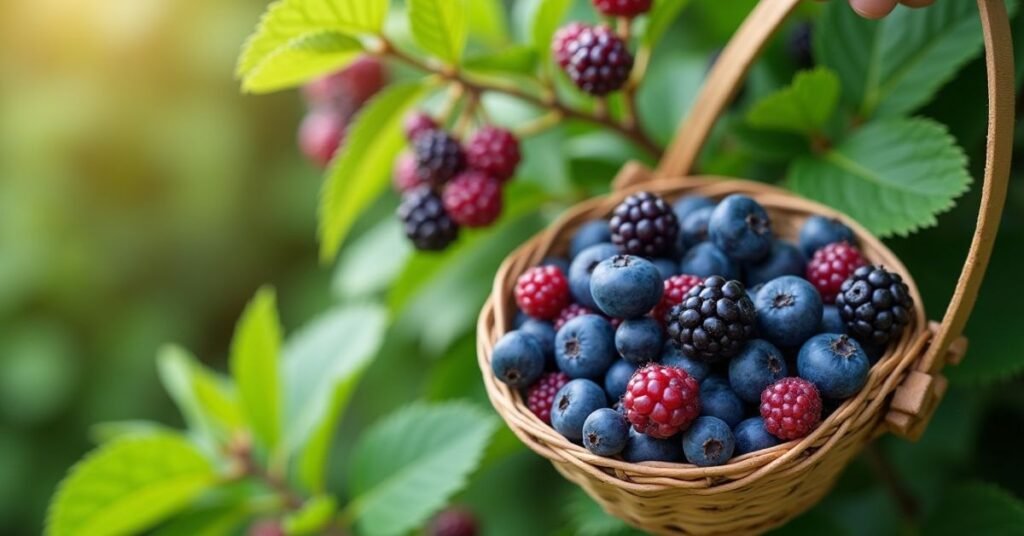
Saskatoon berries are famous for being incredibly healthy and full of nutrients. These little fruits contain high levels of antioxidants, fiber, and essential vitamins like Vitamin C. Eating them regularly helps support your immune system and keeps your body feeling strong. Many people consider them a local superfood because they offer so much goodness in such a small package.
You can use these sweet berries in many different ways in your kitchen. They taste amazing when eaten fresh right off the bush or mixed into a bowl of yogurt. Many gardeners love baking them into pies, muffins, and tarts because their almond-like flavor intensifies when heated. You can also turn a large harvest into delicious jams or freeze them to enjoy during the cold winter months.
FAQs
Q1. What is a saskatoon berry plant?
A saskatoon berry plant is a hardy shrub that produces sweet, blueberry-like fruits rich in nutrients.
Q2. How long does a saskatoon berry plant take to produce fruit?
It usually starts producing berries within 2–3 years after planting.
Q3. Does a saskatoon berry plant need full sun?
Full sun is ideal, but partial shade is acceptable as well.
Q4. Can I grow a saskatoon berry plant in pots?
Yes, you can grow it in large containers with well-draining soil and proper sunlight.
Q5. How do you care for a saskatoon berry plant?
You should water it regularly, prune it yearly, and protect it from pests for healthy growth.
Conclusion
Growing Saskatoon berries is a rewarding experience for any gardener. These tough plants provide beautiful flowers in the spring and delicious fruit in the summer. By following simple care steps like proper watering and pruning, you ensure your shrub stays healthy for many years. You will love the satisfaction of picking fresh, sweet berries right from your own backyard.
Adding this plant to your landscape offers both beauty and a steady supply of nutritious food. It fits perfectly into many garden styles and requires very little effort once it settles in. Start your planting journey today and enjoy the natural flavors of these wonderful berries. Your garden will thrive with such a resilient and productive addition to the soil.

Jack Rivers is the founder of Plantsopedia, dedicated to making plant care simple, science-backed, and accessible for everyone. With a deep interest in botanical care and plant psychology, he specializes in rare tropical species and organic growth techniques, helping enthusiasts understand the soil, light, and biology behind every thriving plant. When he’s not experimenting with new propagation methods, Jack is busy turning complex horticultural science into practical, everyday advice for home gardeners