Introduction
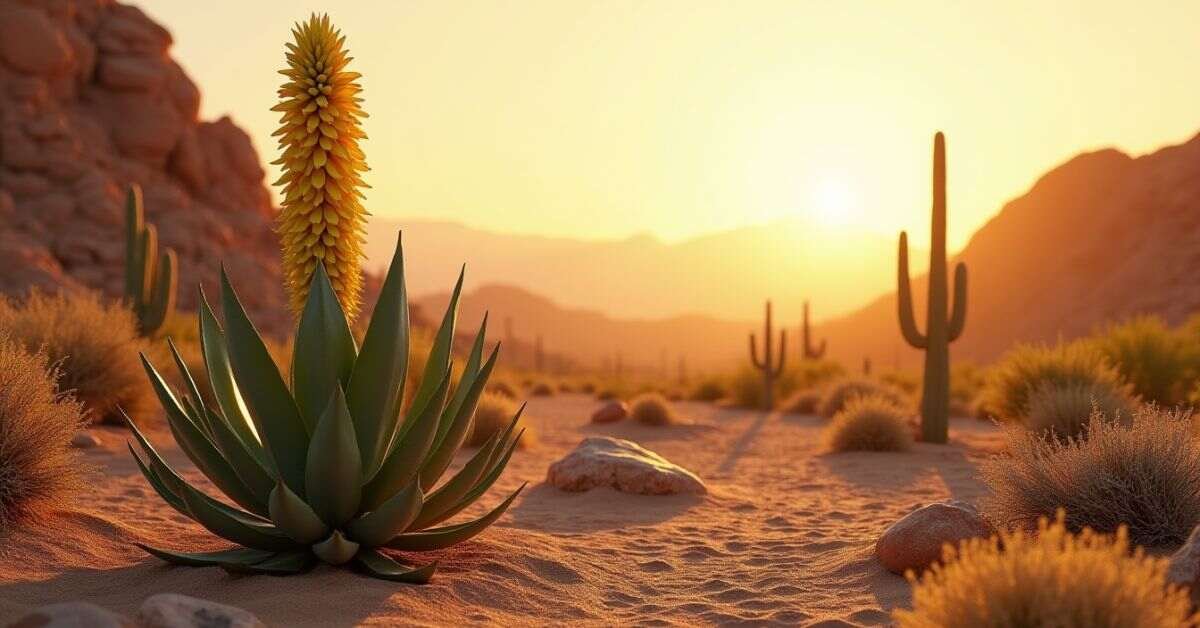
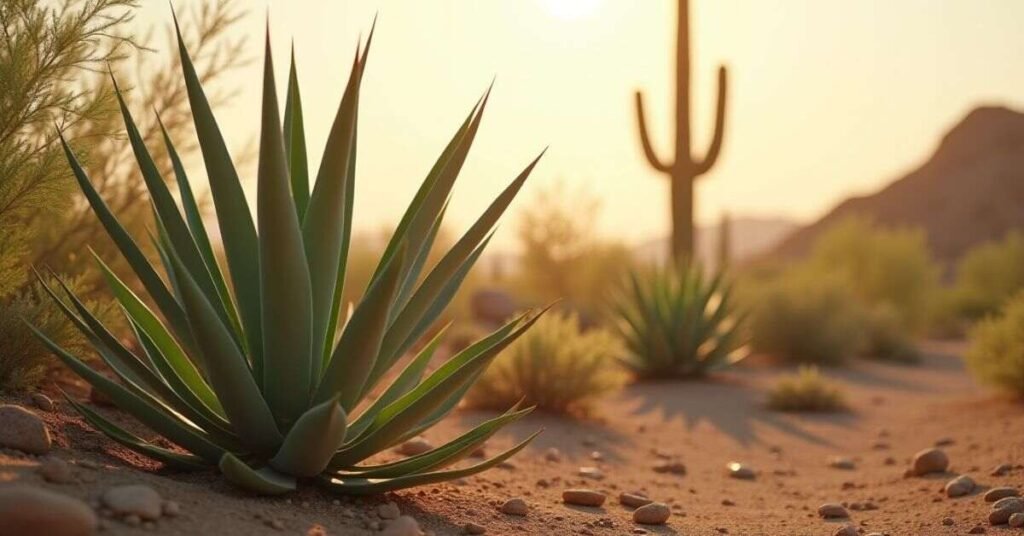
The Agave plant bloom is a hardy succulent known for its thick, fleshy leaves and sharp spines. Most people recognize it as a low-growing desert plant that stays the same size for years. It belongs to the Asparagus family and thrives in hot, dry climates where other plants struggle to survive.
Imagine waiting decades for a single, spectacular moment. The Agave is often called the “Century Plant” because it grows for a lifetime before finally producing a massive flower stalk. This towering bloom is a sight to behold, but it comes with a bittersweet twist: for many species, this final burst of beauty marks the end of the plant’s life.
These desert giants have evolved incredible ways to reproduce and survive. From their unique relationship with nectar-drinking bats to the way they store energy for years, there is much to discover. Understanding how and why they bloom reveals the true resilience of nature’s most patient survivors.
Agave Plant Bloom| What It Really Means
An Agave bloom is much more than just a pretty flower. It is the plant’s final act of life. This process is called being monocarpic, which means the plant flowers only once and then dies. After spending years storing up energy, the Agave puts everything it has into growing one giant stalk. It is a dramatic “grand finale” that ensures the next generation can begin.
The blooming process is also a massive win for the local ecosystem. The tall stalks produce huge amounts of nectar that feed birds, bees, and even bats. While the parent plant eventually fades away, it often leaves behind “pups” or seeds. This cycle keeps the desert vibrant and full of life. It’s a beautiful reminder that in nature, an end is often just a new beginning.
Why Agave Plant Bloom Happens Once in Life
Most Agave plants follow a unique life path called monocarpism. This means the plant focuses all its energy on a single reproductive event. For years, the succulent gathers nutrients and water in its thick leaves. It waits for the perfect moment to send up a massive flower stalk. Once the seeds develop, the mother plant has no energy left to sustain itself.
The plant essentially trades its life for the survival of its offspring. This strategy ensures that the seeds have the best possible start with a huge burst of nectar and pollen. It is a selfless act of nature that guarantees the species continues. Here are a few key reasons why this happens:
- Energy Storage: The plant spends 10 to 30 years saving up sugars for one big growth spurt.
- Massive Effort: The flower stalk can grow several inches in a single day, which exhausts the plant.
- Seed Success: Producing thousands of seeds at once increases the chances that some will survive the harsh desert.
- Future Generations: While the main plant dies, it often leaves small “pups” at the base to grow in its place.
Agave Plant Bloom Stages Explained Simply
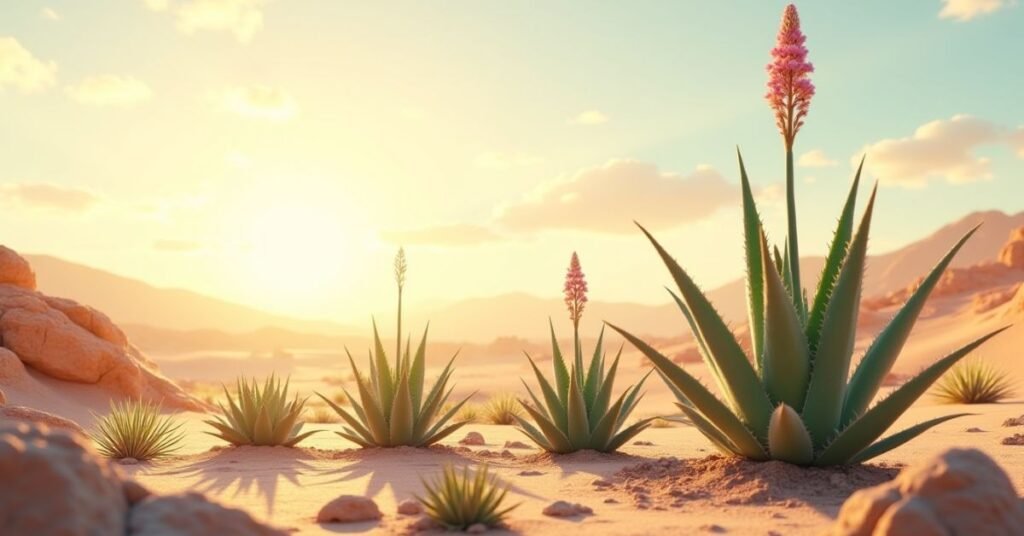
The Agave bloom doesn’t happen overnight. It starts with a sudden change in the center of the plant. A thick stalk begins to shoot upward very quickly. This stalk looks like a giant piece of asparagus. As it grows taller, branches form at the top to hold the flower buds.
Once the flowers open, the desert comes alive with pollinators. Bees and birds visit during the day, while bats arrive at night. After the flowers fade, the plant produces seeds or tiny plantlets. The main plant then begins to wither as its work is done. It is a slow but steady transformation that marks the plant’s final chapter.
| Stage | What Happens | Signs to Look For |
| Vegetative Growth | The plant grows leaves and stores energy. | Thick, green leaves in a rosette shape. |
| Bolting | A flower stalk emerges from the center. | A fast-growing “pole” rising from the middle. |
| Branching | The stalk reaches its full height and grows arms. | Horizontal branches appearing near the top. |
| Flowering | Hundreds of small flowers open up. | Bright yellow or green blooms and lots of insects. |
| Pollination | Creatures move pollen between flowers. | Seeing birds, bees, or bats visiting the stalk. |
| Seeding | Flowers turn into seed pods or “pups.” | Green pods forming where the flowers were. |
| Senescence | The mother plant turns brown and dries out. | Leaves becoming limp and losing their color. |
| New Life | Seeds drop or pups grow at the base. | Tiny new Agave plants appearing on the ground. |
What Happens After Agave Plant Bloom
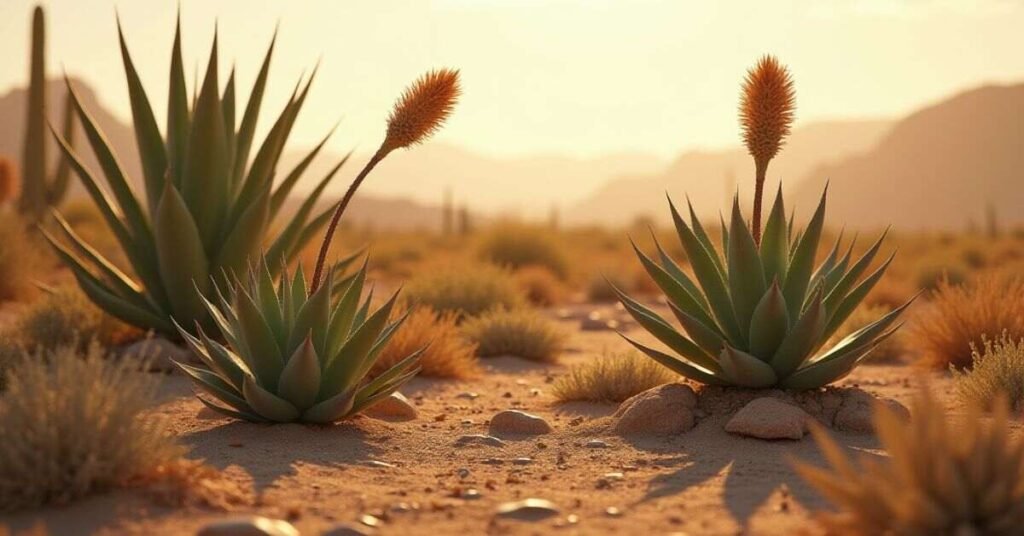
After the flowers fade, the Agave plant begins a slow decline. It has used every bit of its stored water and sugar to create the massive bloom. The once-stiff leaves start to soften and turn brown. Eventually, the entire plant dries out and collapses onto the desert floor. This process can take several months as the plant quietly returns its nutrients to the soil.
Even though the main plant dies, its legacy continues in two ways. First, the flower stalk drops thousands of seeds into the wind. Second, most Agaves grow “pups” or clones at their base before they go. These small offsets use the old plant as a shield while they take root. Soon, a new generation of Agaves grows in the exact same spot.
Is Agave Plant Bloom the Death Stage?
Yes, the bloom is the final stage of the Agave’s life. Scientists call this being monocarpic. The plant spends its whole life preparing for this one moment. It puts all its water and sugar into the tall flower stalk. Once the flowers turn to seeds, the mother plant has nothing left. It slowly withers and dies because its life mission is complete.
However, death for an Agave is not a sad ending. It is a necessary step to create new life. While the main plant fades, it leaves behind seeds and small “pups” at its base. These young plants carry on the cycle. The death of the old plant actually clears space and provides nutrients for the new ones. It is a perfect circle of life in the desert.
Agave Plant Bloom Time and Growth Speed
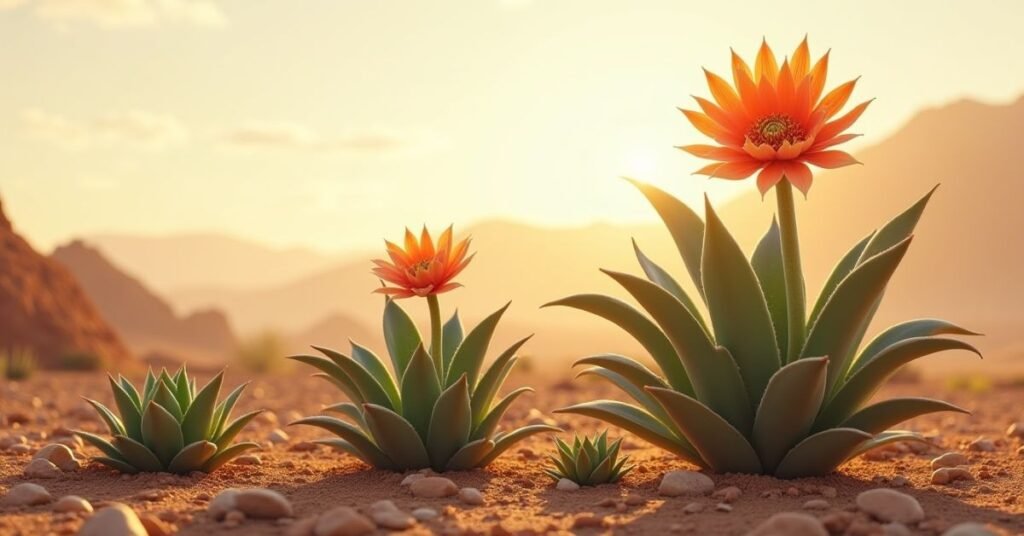
The timing of an Agave bloom is a game of patience. Most species stay in their leafy stage for 10 to 30 years. Some people wait even longer to see a flower appear. The plant waits until it has enough stored energy and the weather conditions are just right. Because it takes so long, many call it a once-in-a-lifetime event for the gardener.
Once the blooming starts, the speed is truly amazing. The flower stalk can grow several inches in just 24 hours. It shoots up like a rocket toward the sky. This rapid growth requires a massive amount of water and sugar from the leaves. Here are some quick facts about how fast these desert giants move:
- Waiting Period: Most Agaves take 10 to 30 years to reach maturity.
- Daily Growth: A blooming stalk can grow 3 to 6 inches in a single day.
- Stalk Height: Some stalks reach 20 to 30 feet tall in only a few weeks.
- Final Phase: The entire blooming process usually lasts for a few months before the plant dies.
How to Care After Plants
Once your Agave finishes blooming, your main job is to manage the transition. The mother plant will slowly turn brown and dry out. This is a natural process, so do not try to save it with extra water. Instead, focus on the small “pups” or offsets growing at the base. These tiny clones are the future of your garden and need a little space to thrive.
Eventually, the tall flower stalk may become a safety hazard. It can get very heavy and might fall over in high winds. Removing the stalk and the dead mother plant clears the way for new growth. Follow these steps to handle the post-bloom phase safely:
- Watch the Stalk: Wait until the flowers have completely dried up before taking action.
- Cut the Stalk: Use a sharp saw to carefully cut the tall stalk near the base.
- Remove the Parent: Once the mother plant is fully brown and dry, dig it out of the ground.
- Save the Pups: Gently separate the small baby plants from the old roots.
- Replant: Place the healthy pups in well-draining soil to start the cycle again.
- Clean the Area: Remove any dried debris to prevent pests from hiding in the garden.
Can You Stop Agave Plant Bloom? Truth Explained
Many gardeners wonder if they can save their plant by cutting the flower stalk. The short answer is no. Once the Agave decides to bloom, the internal chemical changes have already started. The plant has already shifted all its energy away from the leaves and toward the center. Even if you chop off the stalk early, the mother plant will still finish its life cycle and fade away.
Cutting the stalk might keep the plant looking neat for a little longer, but it won’t stop the inevitable. The “death bloom” is a programmed part of the plant’s DNA. Instead of fighting the process, it is better to enjoy the rare show. This final stage is the Agave’s greatest achievement. Accepting the bloom allows you to appreciate the natural beauty and prepare for the new pups that will soon follow.
Agave Plant Bloom and Pup Growth (New Plants)
The death of an Agave plant is not the end of its story. As the mother plant prepares to bloom, it often grows small clones called “pups.” These tiny plants appear around the base of the parent or even on the flower stalk itself. They stay attached to the mother’s root system to get a strong start. Once the main plant withers, these pups are ready to take over the space and continue the legacy.
Growing new Agaves from pups is much faster than starting from seeds. These little offsets already have their own small roots and leaves. You can leave them where they are or move them to a new spot in your garden. This natural cycle ensures that your garden stays green even after a big bloom. Here is how these new plants develop:
- Base Pups: These grow from the underground roots near the main stem.
- Bulbils: Some Agaves grow tiny baby plants directly on the tall flower branches.
- Root Support: The mother plant shares its last bits of water and nutrients with the pups.
- Easy Replanting: You can gently twist a pup off and plant it in sandy soil to grow a brand-new Agave.
- Fast Maturity: Pups usually grow much quicker than plants grown from tiny seeds.
Interesting Facts About Agave Plant Bloom Cycle
The Agave plant has one of the most patient life cycles in the world. Many people call it the “Century Plant” because they think it lives for a hundred years before blooming. While it actually takes closer to 10 to 30 years, the wait is still incredibly long. During this time, the plant stays very quiet and stores every bit of energy it can. This long build-up makes the final explosion of flowers feel like a true desert miracle.
Another amazing fact is the plant’s special relationship with the night sky. Many Agave flowers open only at night and smell like rotting fruit. This scent attracts long-nosed bats that fly across the desert to drink the nectar. These bats get covered in pollen and carry it to other Agave plants miles away. It is a perfect partnership that has existed for thousands of years. Without these nighttime visitors, the Agave bloom cycle would struggle to survive.
Conclusion
Watching an Agave bloom is a rare and special event. It represents years of patience and survival in a tough environment. While the plant’s life ends after the flowers fade, the beauty it leaves behind is worth the wait. This final act shows the incredible strength and focus of nature.
The end of one Agave is always the beginning of something new. Between the thousands of seeds and the small pups at the base, life continues quickly. Your garden stays vibrant as the next generation takes root. Appreciate the grand finale for the masterpiece it is, and get ready for the new growth to come.
FAQs
Q1. How long does an Agave plant live before it finally blooms?
Most Agave species live for 10 to 30 years before they are ready to flower.
Q2. Will my Agave plant definitely die after it finishes blooming?
Yes, most Agaves are monocarpic, meaning they die once their flowering cycle is complete.
Q3. Can I save the mother plant by cutting off the tall flower stalk?
No, cutting the stalk will not stop the plant from dying because the internal blooming process has already started.
Q4. What should I do with the small “pups” growing at the base?
You can leave them to grow in place or gently replant them to start new Agave plants.
Q5. Do all Agave flowers smell like sweet perfume?
No, some flowers have a musky or fruity scent specifically to attract bats and other nighttime pollinators.

Jack Rivers is the founder of Plantsopedia, dedicated to making plant care simple, science-backed, and accessible for everyone. With a deep interest in botanical care and plant psychology, he specializes in rare tropical species and organic growth techniques, helping enthusiasts understand the soil, light, and biology behind every thriving plant. When he’s not experimenting with new propagation methods, Jack is busy turning complex horticultural science into practical, everyday advice for home gardeners