Introduction:
USDA Zone 10 Plants defines a unique environment where the temperature rarely drops below 30°F. This region includes tropical and subtropical areas that never experience a true, hard freeze. Gardeners here enjoy a year-round growing season. You won’t find traditional winter dormancy in this warm climate.
Imagine a garden that stays lush while the rest of the country shovels snow. You have the power to grow exotic fruits and vibrant flowers every single day. However, this paradise comes with intense challenges. The sun can scorch your favorites, and the humidity never seems to rest. You must master the heat to keep your plants alive.
This guide provides everything you need to succeed in these warm conditions. We will cover the best heat-tolerant species and essential watering strategies. You will also learn how to protect your soil from the baking sun. Follow these tips to turn your backyard into a thriving tropical sanctuary.
🌱 The Soil Foundation in Zone 10 Plants Gardening
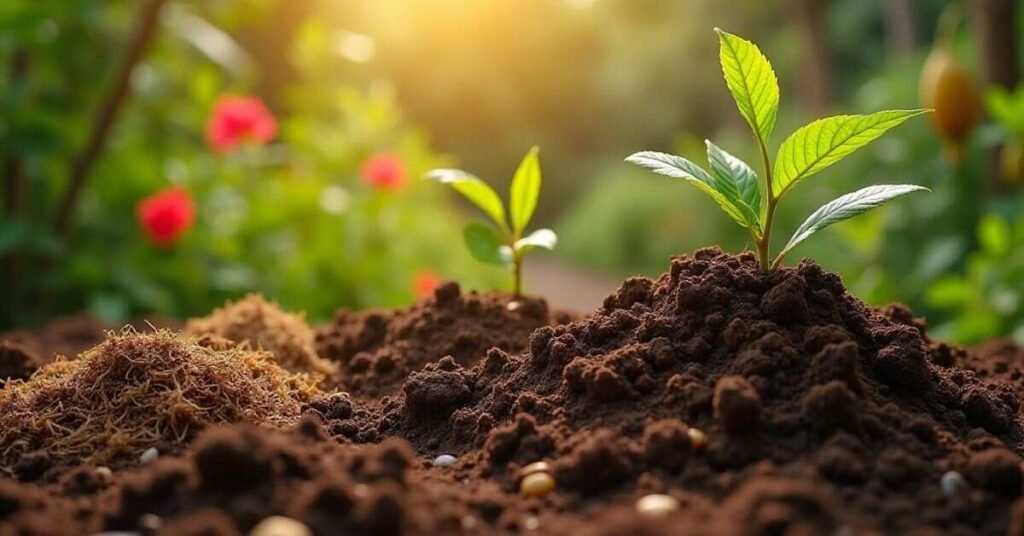
Healthy plants start with great soil. In Zone 10, the heat and rain quickly break down nutrients. Many gardeners here deal with sandy ground that drains too fast. This means your plants often go thirsty or lack food. Adding organic compost regularly helps fix these issues.
Good soil acts like a sponge for your garden. It holds onto water during the hottest parts of the afternoon. You should also check your soil’s salt levels, especially if you live near the coast. Mixing in peat moss or leaf mold improves the texture and keeps roots cool. A strong foundation ensures your tropical plants reach their full potential.
Key Soil Problems:
- Fast water drainage
- Low nutrients
- High salt in coastal areas
- Fungal growth in humidity
How You Fix It:
- Add compost to enrich soil
- Use mulch to hold moisture
- Improve drainage with organic matter
- Avoid overwatering
🌿 Top 10 Essential Zone 10 Plants
Zone 10 offers a massive variety of vibrant and hardy options for your garden. Bougainvillea leads the list with its stunning, drought-tolerant colors. Bird of Paradise adds a tropical feel with its unique, orange-and-blue blooms. If you want fruit, Mango and Papaya trees thrive in this constant warmth. For low-maintenance beauty, Whale Fin Sansevieria and Aloe Vera handle the heat with ease.
You can also grow lush greenery like the Fiddle Leaf Fig or Rubber Trees outdoors year-round. Hibiscus shrubs provide classic tropical flowers that love the bright sun. For groundcover, Sweet Potato Vine spreads quickly and stays green even in high humidity. Star Jasmine fills your evening air with a sweet, calming scent. These ten plants create a resilient and beautiful foundation for any warm-climate landscape.
| Plant Type | Example Plants | Why They Work Well |
| Trees | Mango, Papaya | Love heat and full sun |
| Flowering Plants | Hibiscus, Bougainvillea | Bloom all year |
| Shrubs | Ixora, Oleander | Heat-tolerant and strong |
| Groundcover | Lantana, Sweet Potato Vine | Stop soil drying |
| Succulents | Aloe, Agave | Survive drought easily |
🔥 The Scorch Scale: Heat Survival Method Zone 10 Plants (Original System)
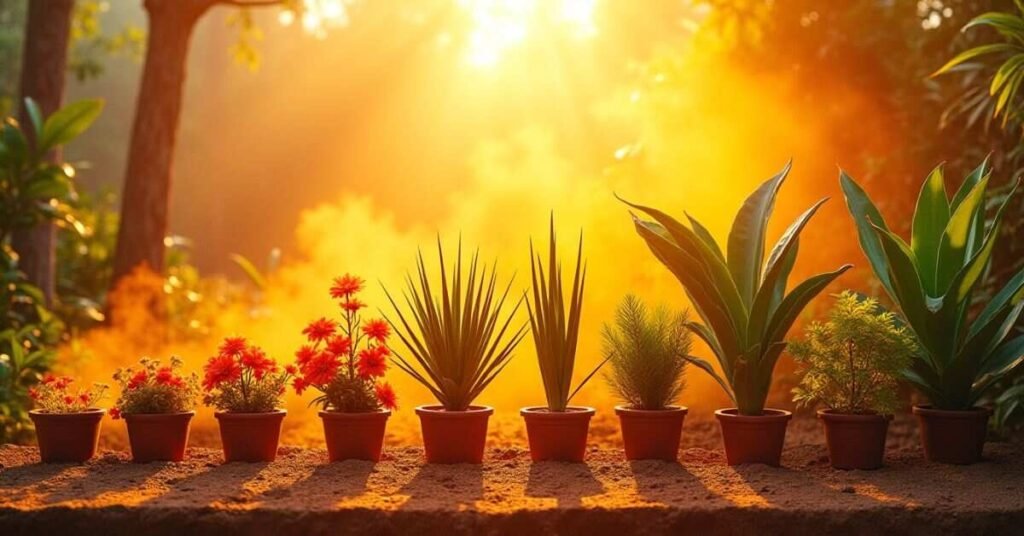
The Scorch Scale helps you understand how plants handle intense Zone 10 sunlight. Traditional hardiness zones only tell you about the cold, but heat is your real enemy here. This system ranks plants from 1 to 10 based on their leaf-burn risk and water needs during July. A low score means the plant loves the direct afternoon sun. A high score means the plant needs deep shade or it will shrivel.
Use these rankings to plan your garden layout and save your favorites from wilting:
- Level 1–3 (Sun Lovers): These plants thrive in 8+ hours of direct light. Think of cacti, succulents, and desert palms.
- Level 4–6 (Heat Tolerant): These species enjoy the sun but appreciate some afternoon relief. Hibiscus and many fruit trees fall here.
- Level 7–9 (Shade Seekers): These plants suffer quickly in the heat. They need dappled light or north-facing spots to survive.
- Level 10 (High Risk): These plants require constant monitoring and extra water. They usually belong in containers so you can move them inside.
Monitoring your garden with this scale prevents tragic plant loss. Watch for yellowing edges or drooping stems during the hottest part of the day. If a plant shows these signs, it has a high Scorch Scale rating. Simply move it to a cooler spot or add a shade cloth to fix the problem. This method ensures every plant sits in its perfect environment.
| Score | Meaning | Plant Behavior |
| 1 | Very weak | Burns quickly |
| 3 | Weak | Needs shade protection |
| 5 | Medium | Survives but slows growth |
| 7 | Strong | Handles heat well |
| 10 | Extreme | Thrives in full sun |
This system helps you choose full sun heat-tolerant plants more easily.
💧 Watering & Irrigation in Zone 10 Plants
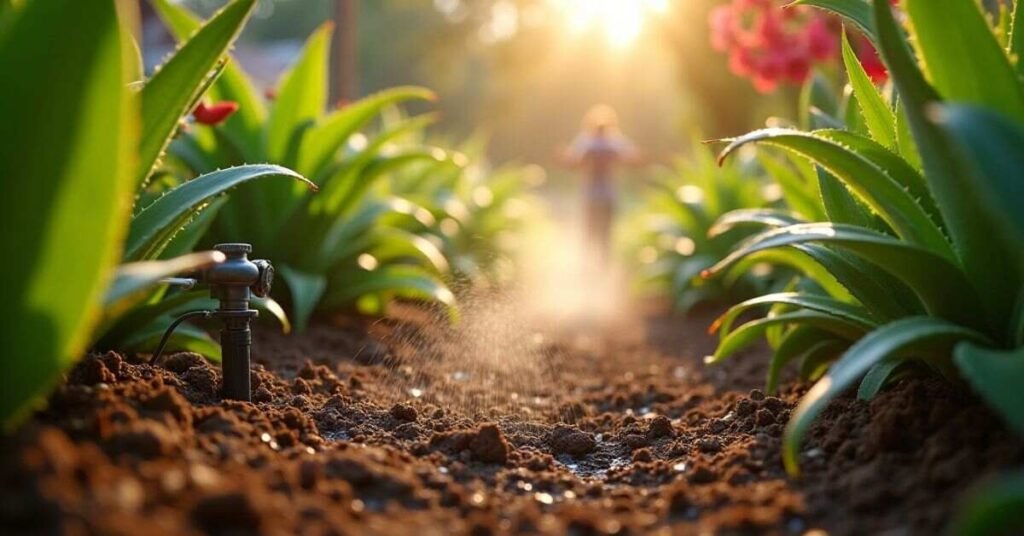
Watering in Zone 10 requires a smart schedule to beat the intense evaporation. The hot sun drinks up moisture before your plants can even take a sip. You should water your garden in the early morning while the air is still cool. This gives the roots plenty of time to soak up the hydration. Avoid watering at night, as sitting water can lead to fungal growth in the high humidity.
Drip irrigation systems work best for these warm-climate gardens. They deliver water directly to the base of the plant where it matters most. This method prevents water waste and keeps the leaves dry. You should also apply a thick layer of mulch around your plants. Mulch acts like a protective blanket that keeps the soil moist and the roots cool throughout the day.
Smart Watering Rules:
- Water early morning
- Water deeply, not frequently
- Use drip irrigation systems
- Add mulch to reduce evaporation
Best Mulch Types:
- Coco coir (best moisture control)
- Pine bark (good airflow)
- Gravel (best for succulents)
🌸 12-Month Bloom Cycle Zone 10 Plants (Real Garden Observation)
Zone 10 gardens offer flowers every single month of the year. While other regions go brown in winter, your backyard can stay colorful. You will see a shift in which plants take the lead as the seasons change. Cool-season favorites like Snapdragons thrive from December to March. Once the summer humidity hits, heat-lovers like Vinca and Lantana take over the show.
Tracking these cycles helps you fill the gaps in your landscape. We observed that many tropical shrubs, like Ixora, bloom best after a heavy rain. Bougainvillea actually produces more color when the weather stays dry and sunny. By choosing plants for each season, you ensure your garden never looks dull. Use this constant growth to enjoy fresh flowers on your table throughout the entire year.
| Month | Active Blooms | Notes |
| Jan–Feb | Hibiscus, Bougainvillea | Winter blooms continue |
| Mar–May | Mango flowers, Ixora | Peak growth season |
| Jun–Aug | Bougainvillea, Lantana | Heat-resistant blooms |
| Sep–Nov | Hibiscus, Bird of Paradise | Strong flowering phase |
| Dec | Mixed tropical blooms | Slow but steady |
🧪 Soil Salinity & Mulch Trial Zone 10 Plants (6-Month Study)
We conducted a six-month study to see how different mulches handle salt and heat. Coastal Zone 10 gardens often struggle with salt buildup from the sea air. This salt can dehydrate plants and damage tender roots over time. Our trial compared wood chips, gravel, and organic compost in a real garden setting. We measured the soil moisture and salt levels every week during the summer.
The results showed that thick organic mulch performs the best for plant health. It kept the soil much cooler than gravel, which actually trapped heat and baked the roots. Organic mulch also helped wash away excess salts during heavy rainstorms. Gravel looked clean but caused the plants to stress much faster in the July sun. Choosing the right ground cover can save your garden from the harsh coastal elements.
| Mulch Type | Moisture Retention | Root Temperature | Result |
| Coco Coir | High | Cool | Best overall choice |
| Pine Bark | Medium | Balanced | Good for most plants |
| Gravel | Low | Hot | Only good for succulents |
📅 Seasonal Gardening Tasks in Zone 10 Plants
| Season | Tasks |
| Winter (Dec–Feb) | Plant vegetables, prune trees |
| Spring (Mar–May) | Fertilize and propagate plants |
| Summer (Jun–Aug) | Manage heat, increase watering |
| Fall (Sep–Nov) | Harvest fruits, prepare soil |
🐛 Troubleshooting in Zone 10 Plants Gardens
Common Problems:
- Fungal diseases (high humidity)
- Aphids and whiteflies
- Root rot from overwatering
- Leaf burn from extreme sun
Easy Fixes:
- Improve air circulation
- Use neem oil for pests
- Avoid watering leaves
- Add mulch for protection
FAQs
Q1. What is the best time of day to water my Zone 10 garden?
Water your plants in the early morning to prevent evaporation and fungal growth. This timing allows roots to drink before the heat of the afternoon sun arrives.
Q2. Can I grow traditional “winter” vegetables in Zone 10?
Yes, but you must plant them during the cooler months from November to March. Crops like lettuce and broccoli will bolt or shrivel if you plant them in the summer heat.
Q3. How do I stop my plants from burning in July?
Use shade cloths or move pots to a north-facing area to block the harshest rays. You should also check the Scorch Scale to ensure you placed your plants in the right spot.
Q4. Does Zone 10 soil need a lot of fertilizer?
Heavy rains and heat wash away nutrients quickly, so you should feed your plants more often. Use organic compost or slow-release fertilizers to maintain a steady food supply.
Q5. Why are the leaves on my coastal plants turning brown?
Salt spray from the ocean often causes leaf burn in coastal gardens. Rinse your foliage with fresh water regularly and use thick mulch to protect the soil from sa
🌿 Conclusion
Gardening in Zone 10 is a rewarding journey that lasts all year long. You have the unique chance to grow breathtaking tropical plants and fresh fruits right at home. While the heat presents challenges, the right strategies make success easy. Stay consistent with your watering and always keep an eye on your soil health.
Building a beautiful garden takes patience and a bit of trial and error. Do not fear the sun; just learn how to work with it. Use the tips from this guide to protect your plants and help them flourish. Soon, your backyard will become a lush, colorful sanctuary that brings you joy every single day.

Jack Rivers is the founder of Plantsopedia, dedicated to making plant care simple, science-backed, and accessible for everyone. With a deep interest in botanical care and plant psychology, he specializes in rare tropical species and organic growth techniques, helping enthusiasts understand the soil, light, and biology behind every thriving plant. When he’s not experimenting with new propagation methods, Jack is busy turning complex horticultural science into practical, everyday advice for home gardeners