Introduction
Many gardeners face a common problem when deer enter gardens and eat plants, flowers, and vegetables. This issue grows in areas near forests or open land. People often use fences or sprays, but nature also gives a better solution. Deer deterrent plants help protect gardens in a natural way. These plants release strong smells or have rough textures that deer avoid. They create a safe barrier without harming animals.
Gardeners use these plants to build a smart defense system around their gardens. These plants also add beauty, color, and variety to outdoor spaces. You do not need harmful chemicals or expensive tools. You only need the right plant selection and proper placement. When you use deer deterrent plants, you create a balanced garden where nature stays in harmony. These plants support flowers, vegetables, and herbs while keeping deer away in a safe and eco-friendly way.
What Are Deer Deterrent Plants and How They Work
Deer deterrent plants are special plants that naturally keep deer away from gardens. They work through smell, taste, or texture. Deer have a strong sense of smell, so they avoid plants with strong or bitter scents. Some plants also feel rough or fuzzy, which makes them unappealing to deer.
These plants do not harm deer. They simply make the garden less attractive for feeding. Many gardeners use them as a natural fence. They place them around garden edges or mix them with other plants. This strategy confuses deer and reduces damage.
The effectiveness of deer deterrent plants depends on garden design and plant placement. When you combine different types of these plants, you create a stronger barrier. You also reduce the chance of deer finding soft and tasty plants inside your garden. This natural method helps maintain a clean, green, and protected garden space without stress or extra cost.
Importance of Deer Deterrent Plants in Garden Protection

Using deer deterrent plants plays a very important role in garden protection. Deer can destroy plants in a single night, especially during food shortages. This creates frustration for gardeners who spend time and effort growing plants.
These plants reduce the need for chemical sprays or physical fences. They also support a more natural gardening system. When you plant deterrent plants, you build a living barrier that grows stronger over time.
Another major benefit is environmental safety. These plants support pollinators like bees and butterflies while keeping deer away. They also improve soil quality and garden structure. You get both beauty and protection in one solution.
Many gardeners prefer this method because it is long-lasting and cost-effective. Once established, deer deterrent plants continue to protect the garden year after year. They also blend well with flowers and vegetables, making your garden both safe and visually appealing.
Best Deterrent Plants for Home Gardens
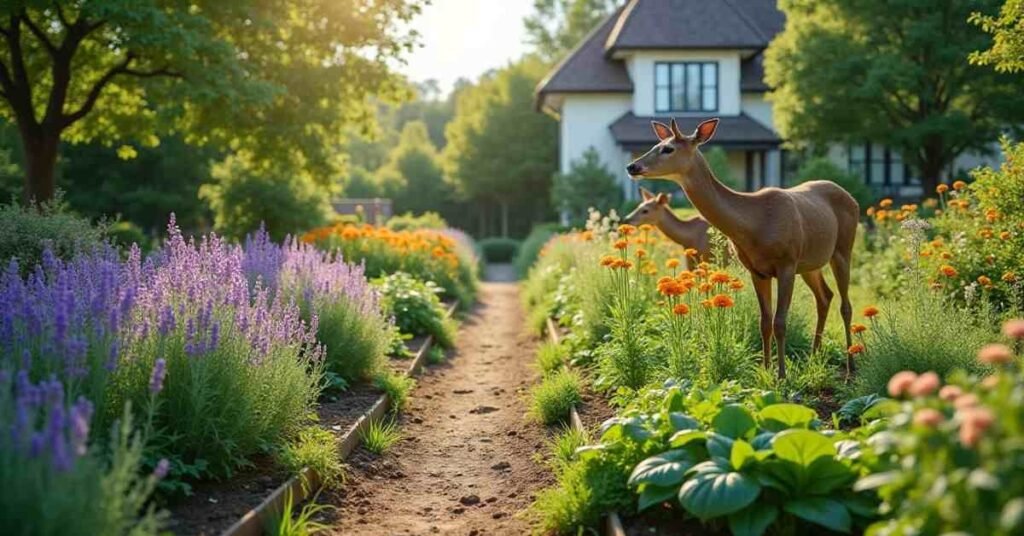
Many plants work well as natural protectors against deer. Some of the most effective deterrent plants include lavender, rosemary, sage, mint, and marigold. These plants release strong scents that deer avoid.
Lavender adds fragrance and purple beauty to gardens. Rosemary grows as a strong herb and protects nearby plants. Sage offers both culinary use and garden protection. Mint spreads quickly and creates a strong smell barrier. Marigold adds bright color while keeping deer away.
| Plant Name | Main Benefit | Garden Use |
| Lavender | Strong fragrance | Borders and flower beds |
| Rosemary | Woody scent | Herb gardens |
| Sage | Bitter smell | Vegetable protection |
| Mint | Fast spreading aroma | Garden edges |
| Marigold | Bright color + scent | Mixed flower beds |
These deterrent plants work best when planted together. You can create layers around your garden to block deer movement. This combination increases protection and improves garden beauty at the same time.
How Deer Deterrent Plants Protect Vegetables and Flowers
Vegetable gardens often suffer the most damage from deer. They love soft leaves and fresh growth. You can protect these areas using deer deterrent plants placed around or between crops.
Strong-smelling herbs like rosemary and sage act as a natural shield. Deer avoid crossing these scent barriers. Flowers like marigold also protect nearby vegetables by confusing deer with their smell and color.
You can also mix deterrent plants inside vegetable beds. This strategy hides the taste and smell of vegetables. It makes the garden less attractive to deer. Over time, deer learn to avoid these areas completely.
Flower gardens also benefit from this protection. Roses, tulips, and lilies often attract deer, but surrounding them with deterrent plants reduces risk. This method keeps your garden colorful, fresh, and safe without using fences or chemicals.
Combining Deer Deterrent Plants with Garden Design
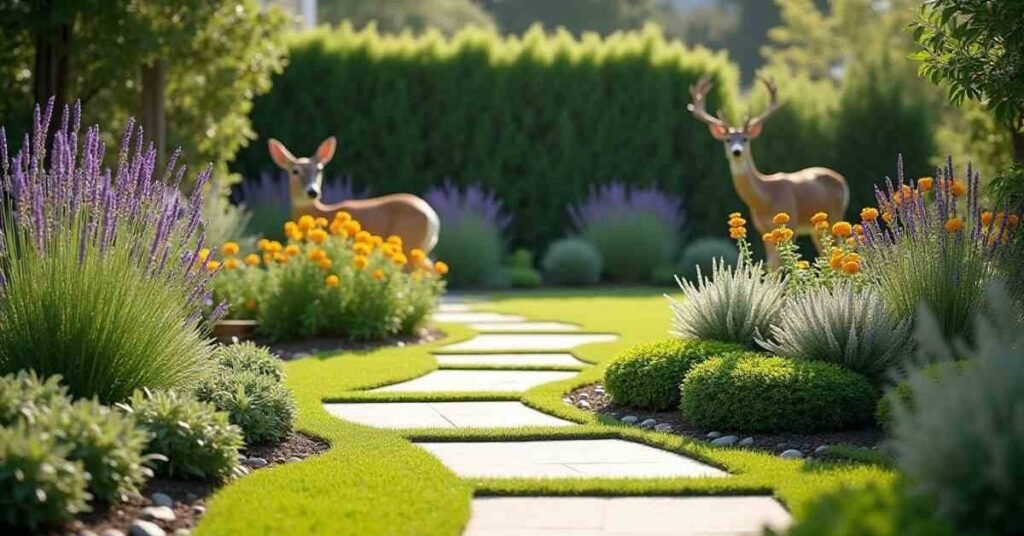
Garden design plays a big role in how well deer deterrent plants work. You can use these plants as decorative borders or natural fences. This method improves both beauty and protection.
Designers often place tall deterrent plants at the back and shorter ones in front. This creates layers that block deer visibility and access. You can also mix flowers and herbs to create a colorful and functional garden.
When you plan your garden with deterrent plants, you improve balance between beauty and safety. These plants do not look like barriers, but they work like one. You can design pathways, borders, and sections using them.
This approach helps you enjoy a stylish garden without worrying about deer damage. It also increases the natural appeal of your outdoor space.
Planting and Care Tips for Deer Deterrent Plants
Proper care improves the power of deer deterrent plants in your garden. These plants grow best in healthy soil with proper sunlight. Most of them prefer full sun and well-drained soil.
You should water them regularly, especially during early growth stages. Once established, many of these plants become drought resistant. Pruning also helps maintain strong scent levels, which increases their effectiveness.
Place deterrent plants near garden edges, entry points, and around valuable plants. This placement creates a natural barrier. You should also mix different types of plants to improve protection strength.
Healthy soil supports strong growth, which increases scent and texture intensity. You can use organic compost to improve plant health. When you care for these plants properly, they continue to protect your garden for many seasons.
Seasonal Use of Deer Deterrent Plants for Better Results

Different seasons affect how deer behave in gardens. In colder months, deer search for food more aggressively. This is when deterrent plants become very important.
You should maintain strong-smelling plants throughout the year. In spring and summer, these plants grow quickly and strengthen your garden defense. In autumn, they help protect late crops and flowers.
Winter care becomes important because plant growth slows down. You should prune and maintain deer deterrent plants to keep their scent active. Even in cold weather, these plants continue to offer protection if properly cared for.
Seasonal planning helps you maintain a strong garden barrier all year. This ensures your garden stays safe in every season without extra effort or cost.
Read More Information | https://plantsopedia.com/green-island-ficus/
Common Mistakes to Avoid with Deer Deterrent Plants
Many gardeners make mistakes that reduce the power of deterrent plants. One common mistake is planting only one type of plant. This weakens protection and allows deer to find gaps.
Another mistake is poor placement. If you do not place these plants around entry points, deer can easily enter your garden. Some gardeners also forget regular care, which reduces scent strength and plant health.
Overcrowding plants can also reduce effectiveness. Each plant needs space to grow strong and release scent properly. You should also avoid mixing weak and strong deterrent plants without planning.
When you avoid these mistakes, deterrent plants work more effectively. Your garden stays protected, healthy, and visually balanced throughout the year.
Conclusion
Deer deterrent plants offer a natural, safe, and beautiful way to protect gardens. They work without chemicals or fences and support healthy plant growth. These plants create a living barrier that keeps deer away while improving garden design.
When you choose the right mix of plants and care for them properly, you build a strong defense system. This method protects vegetables, flowers, and herbs in all seasons. It also improves garden beauty and supports eco-friendly living.
A well-planned garden with deer deterrent plants stays safe, colorful, and productive. You gain both protection and natural beauty in one simple solution.
FAQs
What are deer deterrent plants used for?
They protect gardens by keeping deer away using smell, taste, or texture.
Do deer deterrent plants really work?
Yes, they reduce deer visits when you plant them in proper combinations and locations.
Can I mix deer deterrent plants with vegetables?
Yes, you can mix them to protect vegetables and confuse deer.
Which deer deterrent plants grow fastest?
Mint and marigold grow quickly and provide fast protection.
Do deer deterrent plants need special care?
No, most of them need simple care like watering, sunlight, and pruning.

Jack Rivers is the founder of Plantsopedia, dedicated to making plant care simple, science-backed, and accessible for everyone. With a deep interest in botanical care and plant psychology, he specializes in rare tropical species and organic growth techniques, helping enthusiasts understand the soil, light, and biology behind every thriving plant. When he’s not experimenting with new propagation methods, Jack is busy turning complex horticultural science into practical, everyday advice for home gardeners