Introduction
The Gopher Plant, or Euphorbia rigida, is a hardy succulent with unique pointed leaves and bright yellow flowers. Many gardeners choose this plant because it survives harsh conditions and resists heat. It belongs to the spurge family and stays green throughout most of the year.
While this plant is tough, you might notice it looking a bit sad or wilting unexpectedly. Is your Gopher Plant turning yellow or losing its shape? Do not worry, because most of these issues are easy to fix with a few simple changes.
This guide explores common Gopher Plant problems like root rot and sap irritation. You will find practical tips to keep your plant healthy and thriving. Following these easy solutions helps you enjoy a beautiful garden without the stress of failing plants.
What Is Gopher Plant? Complete Overview
The Gopher Plant, also known as Euphorbia rigida, is a tough succulent that lives for many years. It features silver-blue leaves that spiral around thick stems, creating a striking geometric look. In early spring, the plant produces clusters of bright chartreuse flowers that catch everyone’s eye.
This plant gets its name from the belief that its toxic sap keeps gophers away from gardens. It thrives in sunny spots and needs very little water once it establishes its roots. Many people love it because it tolerates heat well and stays green even during dry summer months.
Gopher Plant Types and Scientific Names
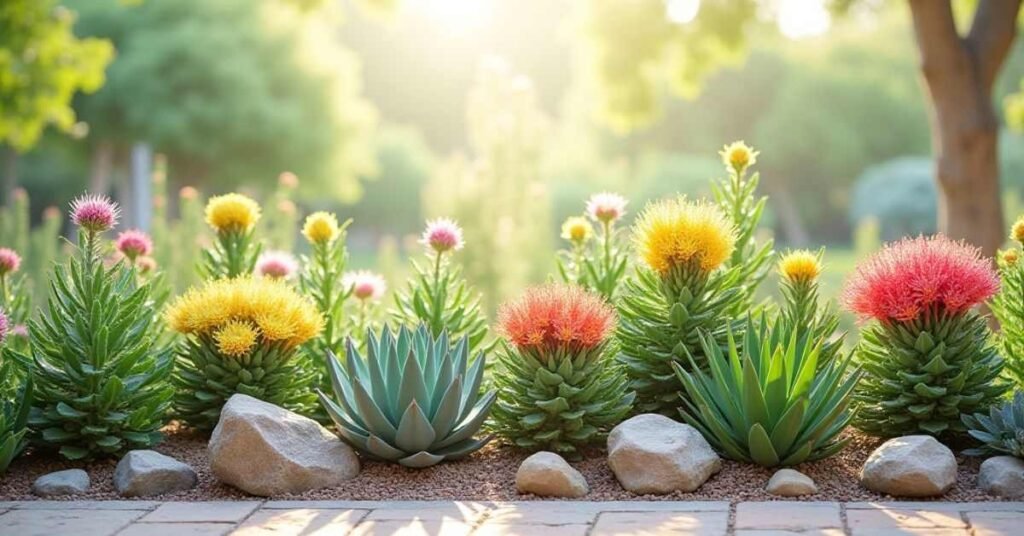
Gardeners often use the name Gopher Plant for a few different species in the Euphorbia family. These plants share similar traits like milky sap and hardy growth habits. Knowing the specific name helps you provide the right care for your variety.
While many people search for the classic upright version, you might encounter these specific types in nurseries or landscapes:
- Silver Spurge (Euphorbia rigida): This is the most common Gopher Plant. It has stiff, pointed leaves and bright yellow-green flowers.
- Caper Spurge (Euphorbia lathyris): People call this the “Mole Plant.” It grows tall with leaves that form a distinct cross shape.
- Mediterranean Spurge (Euphorbia characias): This relative grows into a large shrub with massive flower heads.
These varieties all belong to the same botanical group. They handle drought well and bring a unique, architectural look to your garden beds.
How to Grow Gopher Plant at Home
Growing a Gopher Plant at home starts with finding the sunniest spot in your garden. This plant loves soaking up rays and needs at least six hours of light every day. You should use well-draining soil to prevent the roots from sitting in water. If your garden has heavy clay, add some sand or gravel to help the water flow through.
Once you plant your Gopher Plant, leave it alone and let it settle in. You only need to water it when the soil feels completely dry to the touch. These plants handle heat very well, so they do not require much attention during the summer. Avoid using too much fertilizer, as this hardy succulent thrives in even the poorest soil conditions.
Best Soil for Gopher Plant Growth
Gopher Plants need soil that drains water quickly and stays airy. These succulents hate “wet feet,” so you must avoid heavy soils like thick clay that hold onto moisture. A gritty mix allows the roots to breathe and prevents them from rotting after a rainstorm. If you plant them in containers, pick a pot with large holes at the bottom to let excess water escape.
You can create the perfect environment by mixing different materials into your garden bed. Aim for a sandy or rocky texture that mimics their natural desert home. Consider these soil tips for the best results:
- Add coarse sand: This opens up the soil structure and speeds up drainage.
- Use pumice or perlite: These lightweight rocks create air pockets for healthy roots.
- Avoid heavy compost: Too much organic matter holds water and might hurt the plant.
- Try cactus mix: Pre-made succulent soil works great for indoor or outdoor pots.
Watering and Sunlight Needs Explained
Gopher Plants crave intense sunlight to maintain their beautiful silver color and sturdy shape. You should place them in a spot that receives full sun for most of the day. Without enough light, the stems grow weak and stretch toward the nearest light source. These plants thrive in the heat and never shy away from a bright, sunny afternoon.
Watering requires a “less is more” approach because these succulents store moisture in their thick stems. You only need to water the plant when the soil feels bone-dry several inches down. Overwatering remains the biggest threat to their health, so always check the moisture level before reaching for the hose. Keep these specific needs in mind:
- Provide full sun: Aim for six to eight hours of direct sunlight daily.
- Wait for dry soil: Let the ground dry out completely between watering sessions.
- Water the base: Apply water directly to the soil rather than splashing the leaves.
- Reduce water in winter: Give the plant even less moisture during the colder, dormant months.
Gopher Plant Care Guide for Healthy Growth
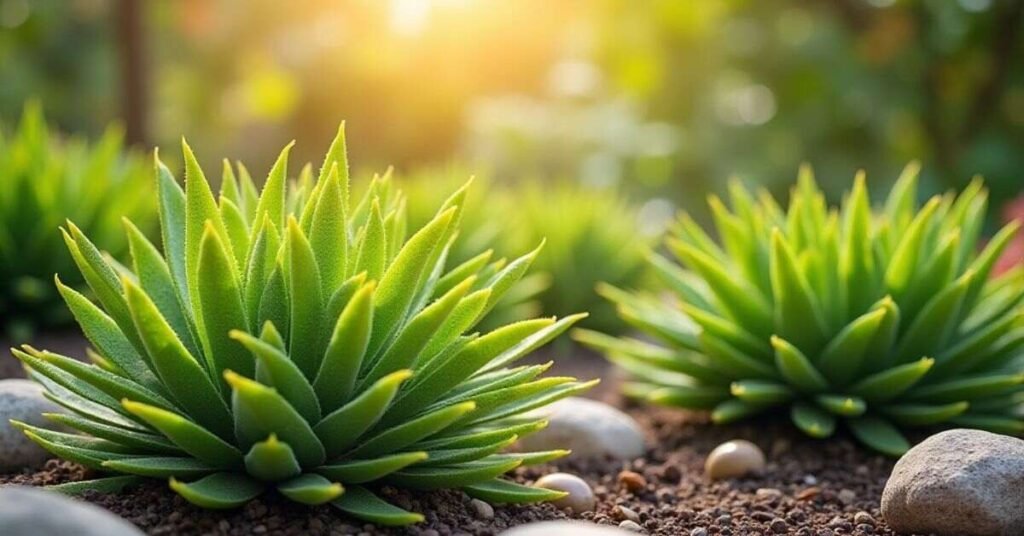
Taking care of a Gopher Plant requires very little effort if you set it up correctly from the start. You must place the plant in a sunny location and use soil that lets water pass through quickly. Regular pruning helps maintain a neat shape and encourages new growth for the following season. Always wear gloves when handling the plant to protect your skin from its milky, irritating sap.
Consistent care ensures your plant stays vibrant and resists common pests. You should monitor the leaves for any changes in color, as yellowing often signals too much water. Removing old flower stalks after they fade keeps the plant looking tidy and prevents unwanted seeds from spreading. Follow this detailed guide to keep your Gopher Plant in peak condition throughout the year.
| Care Category | Action Required | Frequency |
| Light | Provide full, direct sunlight | 6–8 hours daily |
| Watering | Soak the soil only when completely dry | Every 2–3 weeks |
| Soil Type | Use sandy or rocky succulent mix | At planting |
| Pruning | Cut back spent flower stems to the base | Late spring/Summer |
| Safety | Wear thick gloves and long sleeves | Every time you touch it |
| Fertilizer | Apply a weak, balanced liquid feed | Once in early spring |
| Temperature | Keep in warm, dry environments | Year-round |
| Pest Check | Inspect for aphids or mealybugs | Once a month |
| Drainage | Ensure pots have large exit holes | Check during watering |
Fertilizer Tips for Strong Growth
Gopher Plants actually prefer poor soil and do not need much help to grow. Giving them too much fertilizer can cause the stems to grow too fast and become floppy. You should only feed your plant once a year during the early spring when you see new growth starting. A light touch ensures the plant stays compact and maintains its beautiful, natural shape.
If you decide to use fertilizer, choose a balanced formula or one made specifically for cacti and succulents. Always dilute the liquid to half the strength recommended on the bottle to avoid burning the roots. You should apply the mixture to damp soil rather than dry ground to protect the plant. Most of the time, a fresh layer of gravel mulch provides enough minerals for the plant to thrive without any extra chemicals.
Seasonal Care and Maintenance Guide
Your Gopher Plant changes its needs as the seasons shift throughout the year. During the spring and summer, the plant focuses on blooming and growing new stems. You should cut back the flower stalks once they turn brown to keep the plant looking tidy. In the winter, the plant rests and needs almost no water at all. Protecting it from heavy rain during the cold months prevents the roots from rotting while the plant is dormant.
Regular maintenance keeps your garden safe and your plants healthy. You should always keep an eye on the weather forecast to prepare for extreme changes. Simple tasks like clearing away dead leaves around the base prevent pests from moving in. Use these seasonal tips to stay ahead of your plant’s needs:
- Spring: Prune away old flowers to make room for fresh growth.
- Summer: Check the soil deeply before adding any water during heatwaves.
- Fall: Remove any fallen debris from other trees that might trap moisture.
- Winter: Stop watering almost entirely and protect the plant from frost if necessary.
Benefits of Gopher Plant in Gardens
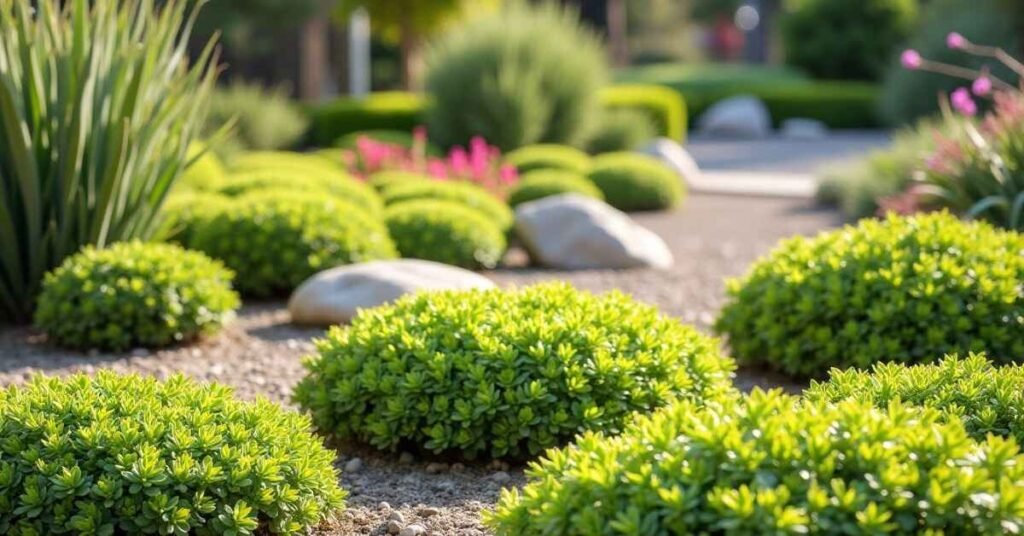
Gopher Plants offer many advantages for people who want a beautiful but easy garden. They act as a natural shield against pests because their sap tastes bitter and keeps hungry animals away. These plants also survive long periods without rain, making them perfect for dry climates or busy gardeners. You can enjoy their bright green color all year long with almost no work on your part.
Adding this succulent to your landscape brings a modern and architectural look to your outdoor space. Its unique spiral leaves and vibrant spring flowers create a stunning focal point in rocky garden beds. Because they grow well in poor soil, they help fill difficult spots where other flowers might fail. They also attract beneficial pollinators like bees and butterflies to your yard during the blooming season.
Is Gopher Plant Toxic or Safe?
The Gopher Plant contains a milky white sap that is toxic to both people and pets. This sticky liquid can cause painful rashes or blisters if it touches your bare skin. You must keep children and curious animals away from the plant to prevent them from touching or eating the stems. If you decide to grow this succulent, place it in a spot where people will not accidentally brush against it.
Safety should always come first when you maintain your Gopher Plant in the garden. You should wear thick gloves and long sleeves every time you prune the stems or move the pot. If the sap gets on your skin, wash the area immediately with plenty of soap and cool water. Always wash your gardening tools after use to remove any leftover residue that might cause irritation later.
Gopher Plant Uses in Landscaping

Gopher Plants work perfectly for homeowners who want a modern and clean look in their yards. Many designers use them in rock gardens because the blue-green leaves contrast beautifully with gray or red stones. These plants stay low to the ground and spread out, which helps them fill empty spaces quickly. They provide a unique structure that makes any garden bed look more professional and planned.
You can use these hardy succulents in several different ways to improve your outdoor space. They handle tough spots where other plants usually struggle to survive. Consider these popular landscaping ideas:
- Create garden borders: Plant them along walkways to define the edges of your path.
- Fill rock gardens: Place them among large boulders for a natural, desert-inspired style.
- Use in containers: Grow them in tall pots to highlight their interesting spiral stems.
- Plant on slopes: Use their roots to help hold soil in place on hills or banks.
- Design for drought: Combine them with other water-wise plants to save on your utility bills.
Read More Information | https://plantsopedia.com/round-leaf-plant/
Common Problems in Gopher Plant and Fixes
Even though Gopher Plants are tough, they sometimes run into health issues. The most common problem happens when the plant gets too much water, which causes the roots to turn mushy and rot. You might also notice the stems drooping or the leaves turning a sickly yellow color. Most of these problems come from the environment rather than pests, so changing your care routine usually fixes the issue quickly.
You should inspect your plant regularly to catch problems before they get worse. If you see white fuzzy spots or tiny bugs, you likely have a pest infestation that needs immediate attention. Moving the plant to a sunnier spot or improving the soil drainage can solve many growth issues. Use the table below to identify what is wrong with your plant and find the right solution to bring it back to health.
| Problem | Symptoms | Easy Solution |
| Root Rot | Mushy stems and black roots | Stop watering and let the soil dry completely. |
| Yellow Leaves | Leaves lose green color and soften | Reduce watering frequency and improve drainage. |
| Leggy Stems | Stems stretch and look thin | Move the plant to a spot with more direct sunlight. |
| Sap Irritation | Redness or itching on your skin | Always wear gloves and wash skin with soap and water. |
| Aphids | Small green or black bugs on stems | Spray the plant with a firm stream of water or neem oil. |
| Mealybugs | White, cotton-like spots on leaves | Wipe the affected areas with a cotton swab dipped in alcohol. |
| Sunburn | Brown or bleached patches on leaves | Provide light shade during the hottest afternoon hours. |
| Stunted Growth | Plant stops growing in spring | Check for cramped roots and move to a larger pot if needed. |
| Wilting | Leaves look wrinkled and dry | Give the plant a deep drink if the soil is bone-dry. |
FAQs
Q1. What is a gopher plant?
Gopher plant is a drought-tolerant ornamental plant (Euphorbia species) known for its unique shape and ability to repel gophers from gardens.
Q2. Does gopher plant really repel gophers?
Yes, many gardeners use it because its milky sap and smell help discourage gophers and other digging pests.
Q3. How do you care for a gopher plant?
It needs full sunlight, well-drained soil, and very little water to grow healthy and strong.
Q4. Is gopher plant safe for pets and humans?
No, its sap can be irritating and mildly toxic, so handling with care is recommended.
Q5. Where can you plant a gopher plant?
It grows best in rock gardens, dry landscapes, and sunny outdoor areas with poor soil conditions.
Conclusion
Growing a Gopher Plant adds a unique and hardy touch to any garden space. You now know how to provide the right sunlight, soil, and water to keep it thriving. While the sap requires careful handling, the plant rewards your efforts with beautiful colors and very little stress.
Maintaining this succulent becomes second nature once you understand its basic needs. Stick to a simple routine and always prioritize safety by wearing your gloves. You can enjoy a vibrant, pest-resistant garden that looks great throughout every season of the year.

Jack Rivers is the founder of Plantsopedia, dedicated to making plant care simple, science-backed, and accessible for everyone. With a deep interest in botanical care and plant psychology, he specializes in rare tropical species and organic growth techniques, helping enthusiasts understand the soil, light, and biology behind every thriving plant. When he’s not experimenting with new propagation methods, Jack is busy turning complex horticultural science into practical, everyday advice for home gardeners