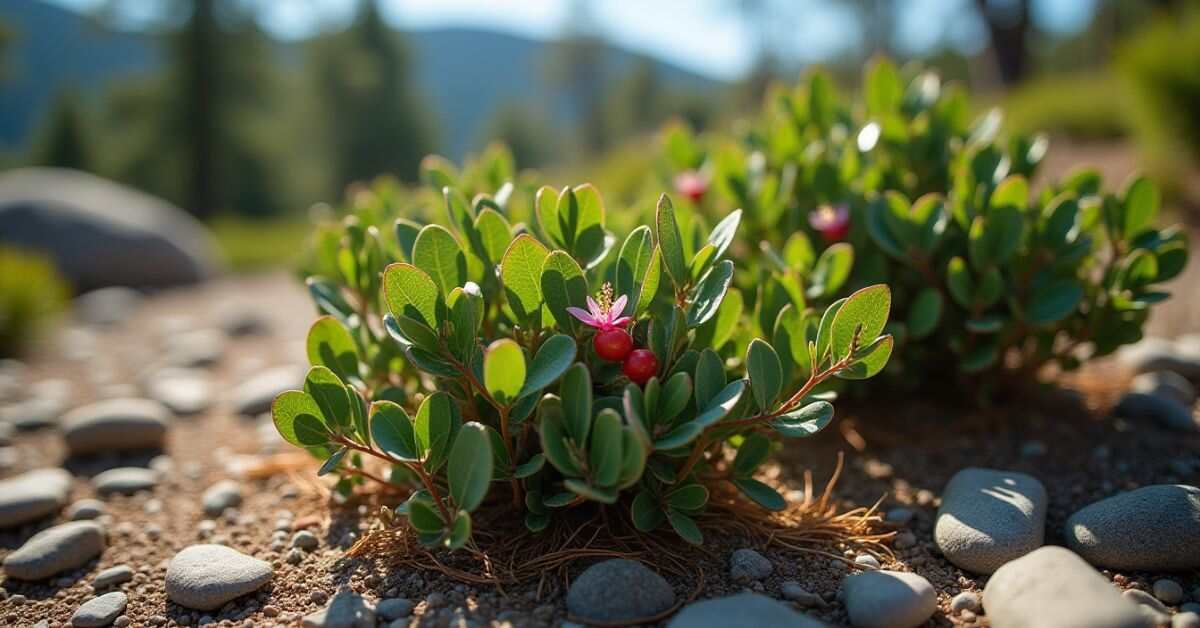
The kinnikinnick plant is a low-growing evergreen shrub. It spreads close to the ground and forms a green carpet. People also call it bearberry. It grows in cold and rocky areas and stays green all year. This plant also produces small red berries and tiny flowers.
The plant is very interesting because it grows where many plants cannot survive. It handles poor soil, cold weather, and dry conditions. Many gardeners love it because it does not need much care. It also makes empty garden spaces look fresh and green.
This plant works well as ground cover in gardens and landscapes. It helps control soil erosion and supports birds and insects. The plant grows slowly, but it becomes strong over time.It is a simple and helpful plant that makes gardening natural and easy.
What is Kinnikinnick Plant and Why It Matters
The kinnikinnick plant is a small, low-growing evergreen shrub that spreads across the ground like a soft green carpet. People also call it bearberry. It grows in cold regions and stays green all year. The plant has small leaves, red berries, and tiny pink flowers in spring. It looks simple, but it plays a strong role in nature.
The plant grows in forests, rocky hills, and sandy soils. It does not need much care, which makes it a great choice for gardens. Many gardeners use it as ground cover because it spreads slowly and covers empty spaces. It also helps stop soil erosion by holding the soil together with its roots.
The plant also supports wildlife. Birds eat its berries, and insects use its flowers. People value it for its beauty and easy growth. In landscaping, it adds green color where grass does not grow well. You can also use it in rock gardens or slopes. This plant stays strong even in tough weather, which makes it very useful for beginners.
Kinnikinnick Plant Features and Natural Growth
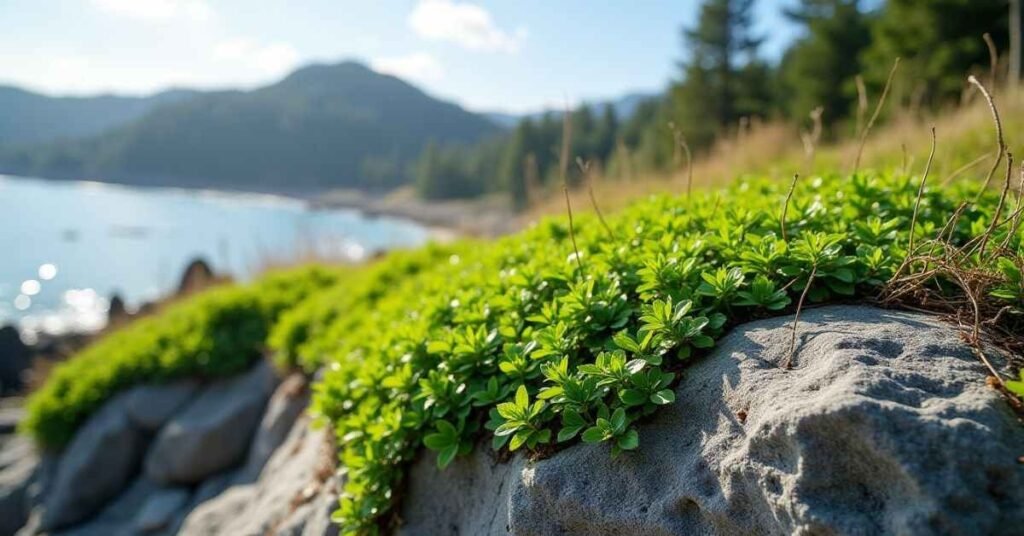
The kinnikinnick plant grows in a creeping style. Its branches spread close to the ground and form a thick mat over time. It usually grows only a few inches tall but can spread several feet wide. This makes it a perfect natural ground cover.
The leaves of the plant stay green in all seasons. They are small, shiny, and oval-shaped. In spring, the plant produces tiny pink or white bell-shaped flowers. After flowering, it grows bright red berries that last into winter.
This plant grows slowly but steadily. It prefers cool climates and does well in poor soil. It does not need rich nutrients to survive. Its can handle drought once it is fully grown. The plant grows best in open sunlight or light shade.
Because of its strong nature, it survives in rocky and sandy areas where many plants cannot grow. Gardeners love it because it fills empty spaces naturally. It also reduces weeds by covering the soil completely. The plant works like a natural green blanket in gardens and wild areas.
Kinnikinnick Plant Soil and Sun Requirements

The kinnikinnick plant grows best when you give it the right soil and sunlight. It prefers well-drained soil that does not stay wet for too long. Sandy or rocky soil works best for it. Heavy clay soil can harm its roots because it holds too much water.
The plant also loves sunlight. It grows best in full sun but can also survive in partial shade. If you plant it in too much shade, it may grow slowly and produce fewer flowers and berries.
Good air flow also helps the plant stay healthy. It does not like very humid or wet conditions for long periods. You should avoid overwatering because it can cause root rot.
Here is a simple table to understand its needs:
| Factor | Requirement for Kinnikinnick Plant |
| Soil Type | Sandy, rocky, well-drained |
| Sunlight | Full sun to partial shade |
| Water | Low to moderate |
| Climate | Cool to cold regions |
| Growth Speed | Slow but steady |
The plant grows better when you match these conditions. Once it settles, it becomes very strong and low-maintenance.
Kinnikinnick Plant Care and Maintenance Tips
The kinnikinnick plant needs very little care, which makes it perfect for beginners. Once you plant it in the right place, it grows on its own with minimal effort. However, a few simple steps help it grow healthier and stronger.
You should water the plant only when the soil feels dry. Do not keep the soil wet all the time. Overwatering can damage the roots. During the first year, water it regularly so it can settle well.
You can add a light layer of mulch around the plant. It helps the soil stay moist and prevents weeds from growing. But do not cover the plant completely with mulch.
Pruning is not always needed, but you can trim it lightly if it spreads too much. This helps keep its shape neat in gardens. The plant does not need heavy fertilizers. A small amount of organic compost once a year is enough.
If you follow these simple steps, the plant will stay green, healthy, and attractive for many years.
Kinnikinnick Plant Uses in Gardens and Nature
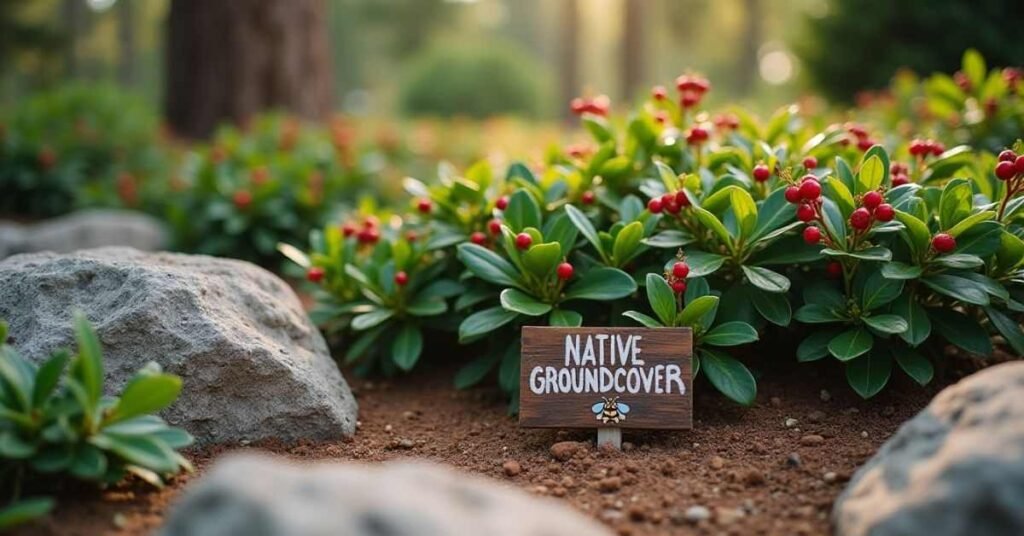
The kinnikinnick plant has many useful roles in both gardens and nature. Gardeners use it as ground cover because it spreads slowly and covers soil evenly. It works well on slopes, rocky areas, and dry spaces where grass does not grow well.
Many people use the plant in rock gardens. It adds green color and soft texture between stones. It also works well in borders and landscape edges.
In nature, the plant supports wildlife. Birds eat its berries, especially in winter when food is rare. Bees and insects visit its flowers in spring. This helps maintain a healthy ecosystem.
Some cultures also used the plant for traditional purposes. They used its leaves in herbal practices, but modern use focuses mainly on landscaping.
Here is a quick table of uses:
| Use Area | Purpose of Kinnikinnick Plant |
| Gardens | Ground cover, decoration |
| Slopes | Soil erosion control |
| Wildlife areas | Food for birds and insects |
| Rock gardens | Decorative green carpet |
The kinnikinnick plant adds both beauty and function wherever it grows.
Kinnikinnick Plant Problems and How to Fix Them
The kinnikinnick plant stays strong, but it can face a few problems if conditions are not right. One common issue is root rot. This happens when the soil stays too wet. You can fix it by improving drainage and reducing watering.
Another problem is poor growth in deep shade. If the plant does not get enough sunlight, it may look weak. You should move it to a brighter spot.
Pests do not usually attack the plant, but sometimes aphids or insects may appear. You can remove them with water spray or natural insect control.
Leaf browning can happen in very dry conditions. In this case, give the plant a bit more water, but do not overdo it.
Here is a simple problem guide:
| Problem | Cause | Solution |
| Root rot | Overwatering | Improve drainage |
| Weak growth | Low sunlight | Move to sunny area |
| Leaf browning | Dry soil | Water moderately |
| Pest attack | Insects | Use natural spray |
With proper care, the kinnikinnick plant quickly recovers and stays healthy.
Read More : https://plantsopedia.com/peperomia-plant-guide/
Kinnikinnick Plant Propagation and Growth Method
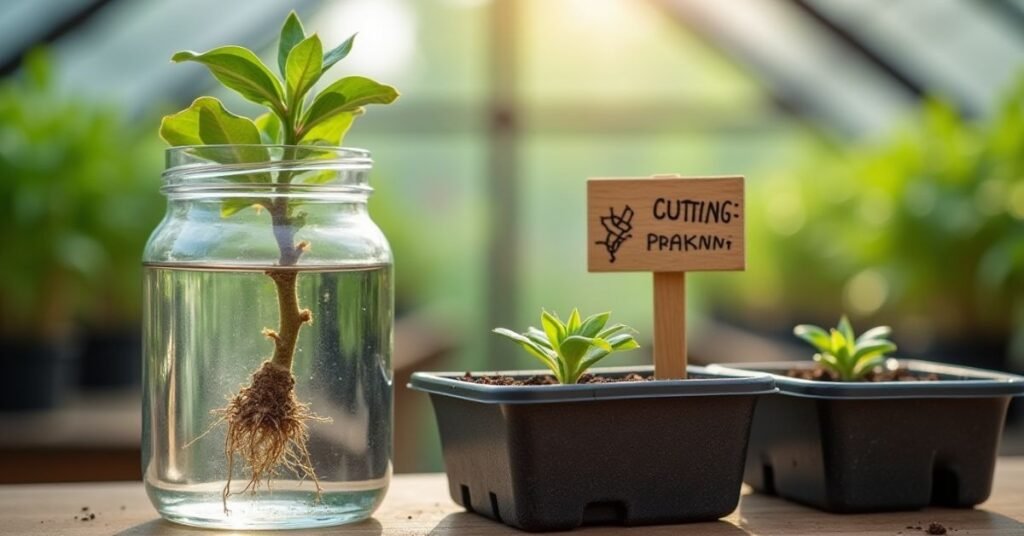
You can grow the kinnikinnick plant in two main ways: seeds and cuttings. Both methods work, but cuttings grow faster and easier.
For seeds, you need patience because they take time to germinate. You should plant them in sandy soil and keep them slightly moist. It may take weeks or months for new growth.
Cuttings give faster results. You take a healthy stem from an existing kinnikinnick plant and plant it in moist soil. Keep it in a shaded area until roots develop. After that, move it to a sunny spot.
The plant spreads naturally once it grows. Its branches touch the ground and form new roots. This helps it cover large areas over time.
The kinnikinnick plant grows slowly at first, but it becomes strong and wide after a few seasons. It does not need much attention during growth, which makes it very easy to maintain.
FAQs about Kinnikinnick Plant
What is the kinnikinnick plant used for?
The kinnikinnick plant works mainly as ground cover in gardens. It also helps prevent soil erosion and supports wildlife.
Does the kinnikinnick plant need full sun?
Yes, the kinnikinnick plant grows best in full sun, but it can also survive in partial shade.
How fast does the kinnikinnick plant grow?
The kinnikinnick plant grows slowly but spreads widely over time, forming a thick green carpet.
Can I grow kinnikinnick plant indoors?
No, the kinnikinnick plant grows best outdoors in natural sunlight and open space.
Is kinnikinnick plant hard to care for?
No, the kinnikinnick plant is very easy to care for and needs little maintenance once established.
Conclusion
The kinnikinnick plant is a simple and strong plant. It grows well in tough places where many plants fail. It does not need much care and still stays green all year. This makes it a great choice for any garden.
You can use the kinnikinnick plant to cover empty soil and make your garden look clean and natural. It also helps nature by supporting birds and insects. If you want an easy and low-care plant, this one is a smart choice.

Jack Rivers is the founder of Plantsopedia, dedicated to making plant care simple, science-backed, and accessible for everyone. With a deep interest in botanical care and plant psychology, he specializes in rare tropical species and organic growth techniques, helping enthusiasts understand the soil, light, and biology behind every thriving plant. When he’s not experimenting with new propagation methods, Jack is busy turning complex horticultural science into practical, everyday advice for home gardeners