Introduction
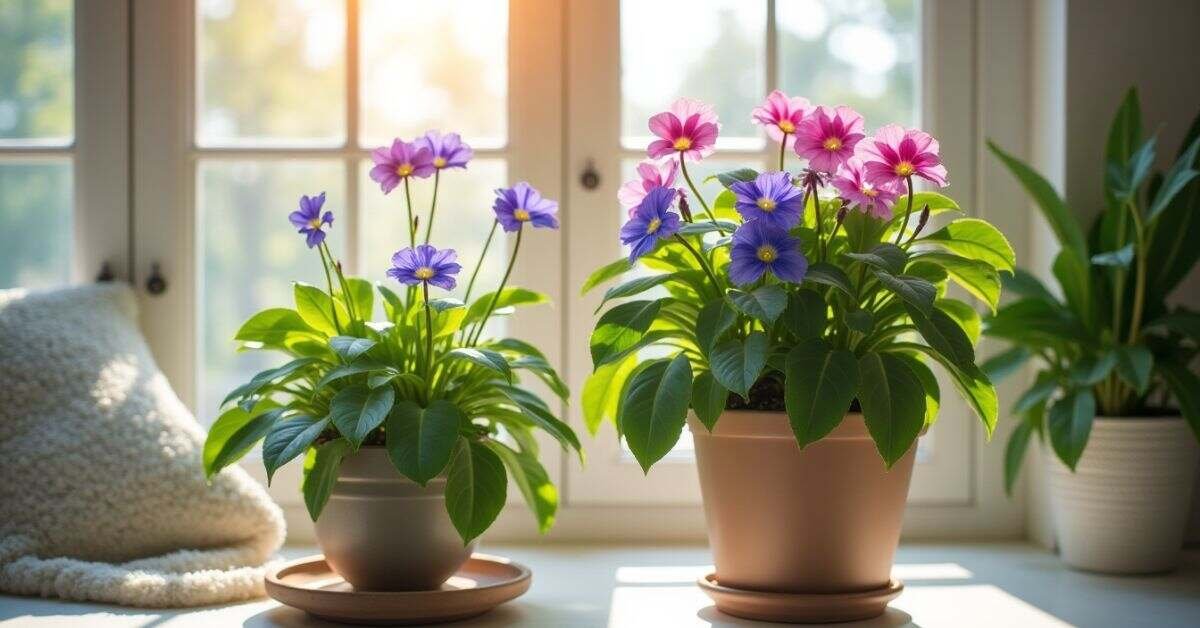
The Streptocarpus plant, also known as the Cape Primrose, is a beautiful flowering houseplant. It belongs to the Gesneriad family, which makes it a close relative of the African violet. This plant features soft, velvety green leaves and produces stunning, trumpet-shaped flowers. Many indoor gardeners love it because it blooms continuously for months and thrives easily on windowsills.
Do you want to fill your home with vibrant color without dealing with a dramatic, hard-to-care-for plant? Many indoor plants demand perfect humidity and constant attention, but the Cape Primrose breaks that rule. It rewards you with constant blooms even if you occasionally forget to water it. It acts as the perfect, low-maintenance roommate that brightens up any dull corner in your room.
Growing this plant offers several great advantages for your home. Our guide, “Streptocarpus Plant Benefits and Reasons to Grow It at Home,” explores exactly why you need one in your space. You will learn how this plant purifies your indoor air and boosts your daily mood. We also cover simple care tips to help your plant thrive and bloom all year long.
Streptocarpus Plant Overview
The Streptocarpus plant comes originally from the shaded hillsides of Southern Africa. Its name combines two Greek words that mean “twisted fruit,” which describes its unique, spiral-shaped seed pods. People often call it the Cape Primrose because its gorgeous blossoms resemble wild primroses. This compact plant fits perfectly on small tables, shelves, or bright kitchen windowsills.
You can easily identify this plant by its long, textured green leaves that grow in a rosette pattern. The trumpet-like flowers rise above the foliage on slender stems, displaying vibrant shades of purple, pink, blue, and white. It thrives in bright, indirect sunlight and prefers well-draining soil. With just a little basic care, this sturdy plant will reward you with continuous color from spring all the way through autumn.
Benefits of Growing a Streptocarpus Plant
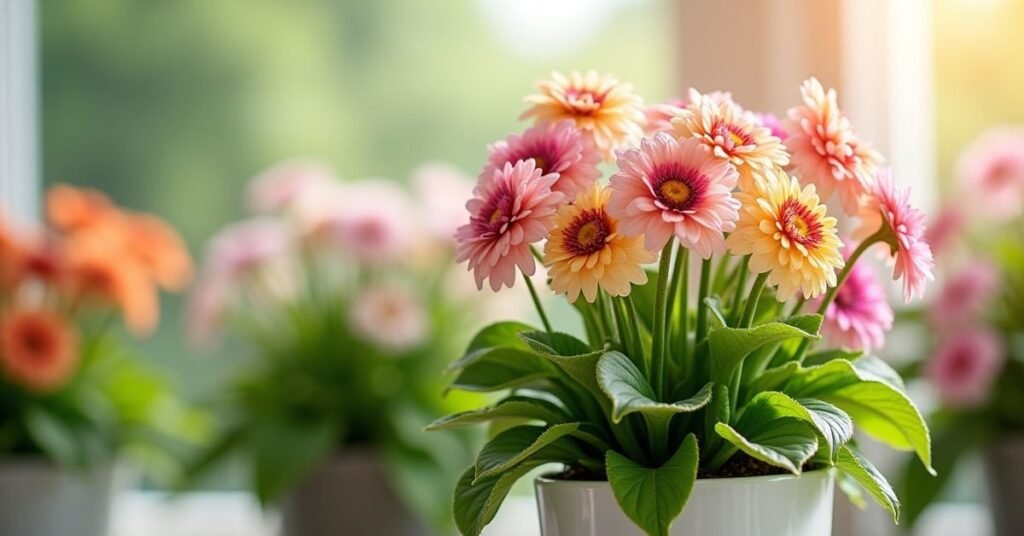
Growing a Streptocarpus plant brings immense joy and brightens up your indoor living space. This plant produces stunning, colorful flowers that bloom continuously from spring to autumn, giving you months of vibrant beauty. Because of its cheerful blossoms, it instantly lowers your daily stress levels. It also purifies your indoor air by absorbing everyday toxins and releasing fresh oxygen into your room.
This houseplant offers several unique advantages that make it a perfect choice for any home gardener:
- Low Maintenance: It tolerates occasional forgetful watering and bounces back quickly.
- Compact Size: The small root system means it fits easily on tight windowsills, small desks, and narrow shelves.
- Easy Propagation: You can grow brand-new plants quickly just by cutting a single leaf in half.
- Pet Friendly: It does not contain toxic chemicals, so it keeps your curious cats and dogs completely safe.
Best Light for a Streptocarpus Plant
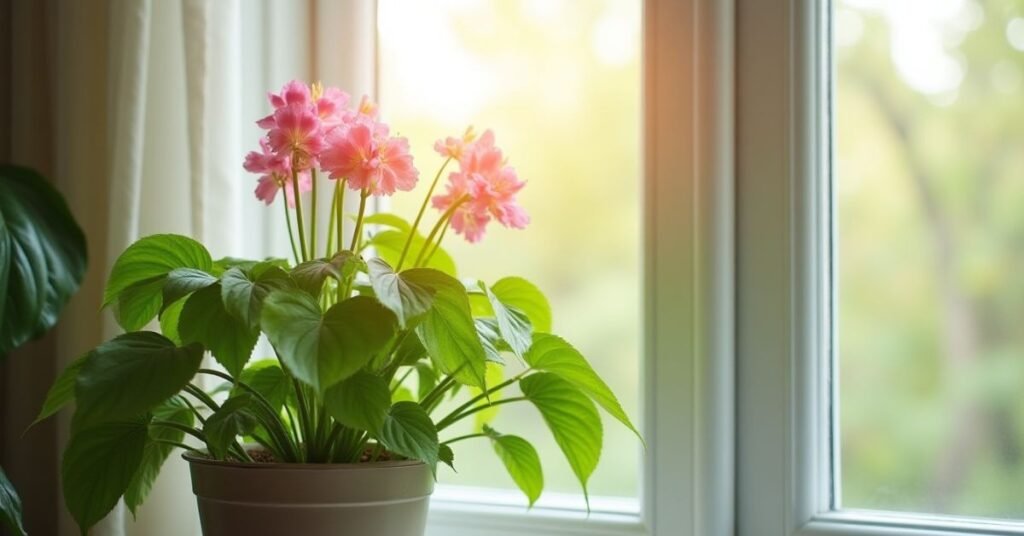
The Streptocarpus plant thrives best in bright, indirect sunlight. East- or west-facing windows offer the perfect lighting conditions for this beautiful houseplant. Direct, harsh afternoon sun will quickly scorch the soft, velvety leaves and bleach the vibrant colors of the flowers. If you only have a hot, south-facing window, simply place a sheer curtain between the plant and the glass to filter the intense rays.
You can easily read your plant’s body language to know if it receives the right amount of light. Pale, yellowish leaves and a lack of flowers mean the plant needs a brighter spot. On the other hand, dark brown patches on the foliage signal that the sun is burning your plant. During the dark winter months, you can use a simple LED grow light to keep your Cape Primrose happy and blooming.
Choosing the Right Indoor Location
Finding the perfect spot for your Streptocarpus plant ensures it grows strong and blooms constantly. These plants prefer stable indoor temperatures between 60°F and 75°F (15∘C to 24∘C). You must keep them away from cold drafts, blasting air conditioners, and hot heating vents, as sudden temperature shifts stress the plant. A room with consistent, moderate warmth makes your Cape Primrose feel right at home.
You should look for specific spots in your house that meet all of its comfort needs:
- Kitchen Windowsills: Bright kitchens often provide the gentle humidity and indirect light this plant loves.
- Bathroom Shelves: A well-lit bathroom offers excellent natural moisture, as long as the window does not get harsh, direct sun.
- Living Room Tables: A coffee table or side table placed a few feet away from a large window creates an ideal environment.
- Dedicated Plant Stands: Setting up a stand with a simple LED grow light allows you to grow this plant in any dark corner of your home.
The signs of too much or too little light
Your Streptocarpus plant clearly tells you when it dislikes its lighting conditions. If the plant receives too much direct sunlight, the leaves will develop crispy, brown scorch marks. The vibrant green foliage will turn a pale, washed-out yellow, and the delicate flowers will wither prematurely. You should immediately move your plant further away from the window if you notice these burning signs.
Conversely, too little light starves your plant and stops its growth. In dark corners, the leaves will grow unusually long, thin, and floppy as they stretch desperately toward the nearest light source. The plant will stop producing flower buds entirely, leaving you with nothing but dull, green foliage. If your Cape Primrose refuses to bloom, you should gradually move it to a brighter spot or place it under a small LED grow light.
Ideal Soil for a Streptocarpus Plant
The Streptocarpus plant requires a very lightweight, airy soil mix to grow healthy roots. Heavy, dense garden soil traps too much moisture and suffocates the root system, which quickly leads to root rot. You should choose a potting mix that drains water rapidly while holding just enough moisture to keep the plant hydrated. An ideal base contains a mix of peat moss or coco coir, which keeps the texture loose and fluffy.
To create the perfect home for your plant, you should mix in plenty of perlite or vermiculite. These gritty materials create tiny air pockets in the soil, allowing the roots to breathe freely. Many experienced growers use a standard African violet potting mix because it meets all of these drainage requirements. Regular repotting every spring refreshes the nutrients and keeps the soil structure from packing down too tightly.
Watering a Streptocarpus Plant Correctly
Proper watering makes or breaks the health of your Streptocarpus plant. This plant prefers a brief drying-out period between waterings rather than sitting in constantly soggy soil. Overwatering triggers root rot, which kills the plant faster than almost anything else. Always touch the top inch of the soil with your finger before you grab your watering can; if it feels damp, wait a few more days.
When you water the plant, always pour the water directly onto the soil and avoid wetting the velvety leaves. Cold water splashes can leave permanent, ugly spots on the foliage, so always use room-temperature water.
1
Check the soil
Prerequisite
1.Check the soil:Prerequisite.
Poke your finger one inch deep into the potting mix to ensure it feels completely dry.
2
Water the soil directly
Action
2.Water the soil directly:Action.
Pour room-temperature water onto the soil surface, keeping the fuzzy leaves completely dry.
3
Drain the excess water
Action
3.Drain the excess water:Action.
Let the water run out of the bottom drainage holes for a few minutes.
4
Empty the saucer
Critical Safety
4.Empty the saucer:Critical Safety.
Pour out any standing water from the saucer underneath the pot so the roots do not sit in puddles.
Temperature and Humidity Needs
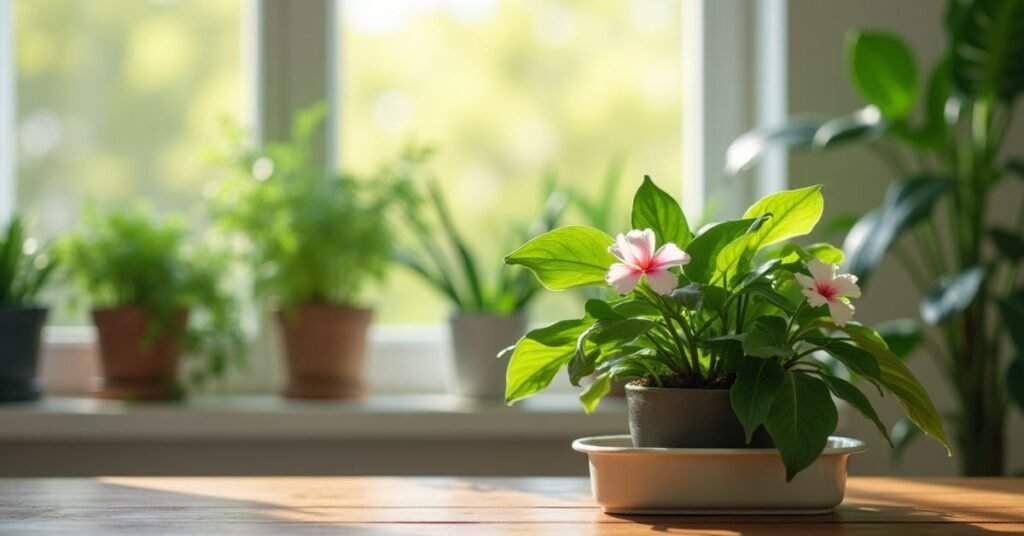
The Streptocarpus plant enjoys comfortable, moderate temperatures that mirror the inside of a typical home. It grows best when daytime temperatures stay between 60°F and 75°F ($15^\circ\text{C}$ to $24^\circ\text{C}$). Cold winter drafts below 50°F ($10^\circ\text{C}$) will stop its growth entirely and damage the delicate leaves. You must keep your plant away from freezing windowsills and hot radiators to protect it from sudden, stressful temperature shifts.
Household humidity levels of average to moderate are also ideal for this plant. It loves a humidity range between 40% and 60%, which helps keep its leaves plump and healthy. If your home has very dry winter air, you can place the pot on a tray filled with pebbles and water. The evaporating water creates a pleasant microclimate around your plant without making the soil soggy.
The table below outlines the exact environmental conditions your Cape Primrose needs to stay healthy throughout the year:
| Condition | Ideal Range | Too Low (Signs & Effects) | Too High (Signs & Effects) |
| Daytime Temperature | 60°F – 75°F ($15^\circ\text{C}$ – $24^\circ\text{C}$) | Plant stops growing, leaves shrivel and drop. | Flowers fade fast, plant wilts despite wet soil. |
| Nighttime Temperature | 55°F – 65°F ($13^\circ\text{C}$ – $18^\circ\text{C}$) | Frost damage occurs, stems turn mushy and black. | Plant stretches out, stems become weak and leggy. |
| Humidity Level | 40% – 60% | Leaf tips turn brown and crispy, flower buds dry up. | Powdery mildew develops, fuzzy leaves rot easily. |
| Air Circulation | Gentle, indirect breeze | Stagnant air encourages pests and fungal diseases. | Strong drafts dry out the soil and tear the leaves. |
How to Fertilize a Streptocarpus Plant
Feeding your Streptocarpus plant gives it the energy to produce continuous, beautiful blooms. This plant needs regular nutrients during its active growing season, which lasts from early spring to late autumn. However, it possesses very sensitive roots that burn easily if you give them too much food. You should always water your plant with plain water first before applying fertilizer, as adding food to dry soil can damage the root system.
You will achieve the best results by using a weak, consistent feeding routine throughout the warmer months. Here are the best practices for fertilizing your Cape Primrose:
- Use the Right Mix: Choose a high-potassium fertilizer or a standard African violet food to encourage heavy flowering.
- Dilute the Strength: Mix the fertilizer at half or even one-quarter of the strength that the package recommends.
- Feed Regularly: Apply this weak solution every two weeks while the plant actively grows.
- Stop in Winter: Pause all fertilizing during the dark winter months when the plant rests and slows its growth.
How to Propagate a Streptocarpus Plant
Propagating a Streptocarpus plant is a fun, easy process that yields many new plants for free. You only need a single, healthy mature leaf to start the entire cloning journey. Most growers use the popular “leaf cutting” method during the active spring growing season. You cut a leaf into sections, place them in moist soil, and wait for tiny baby plants to sprout from the veins.
To start, you cut a strong leaf from the mother plant using a clean, sharp knife. Next, you slice the leaf horizontally into two-inch pieces or cut out the thick central vein entirely. You insert the cut edges about half an inch deep into a light mix of moist peat and perlite. Finally, you cover the pot with a clear plastic bag to trap moisture and place it in bright, indirect light. Tiny green plantlets will appear along the soil line in about four to six weeks.
Read More Information | https://plantsopedia.com/red-flower-plant/
Common Streptocarpus Plant Problems
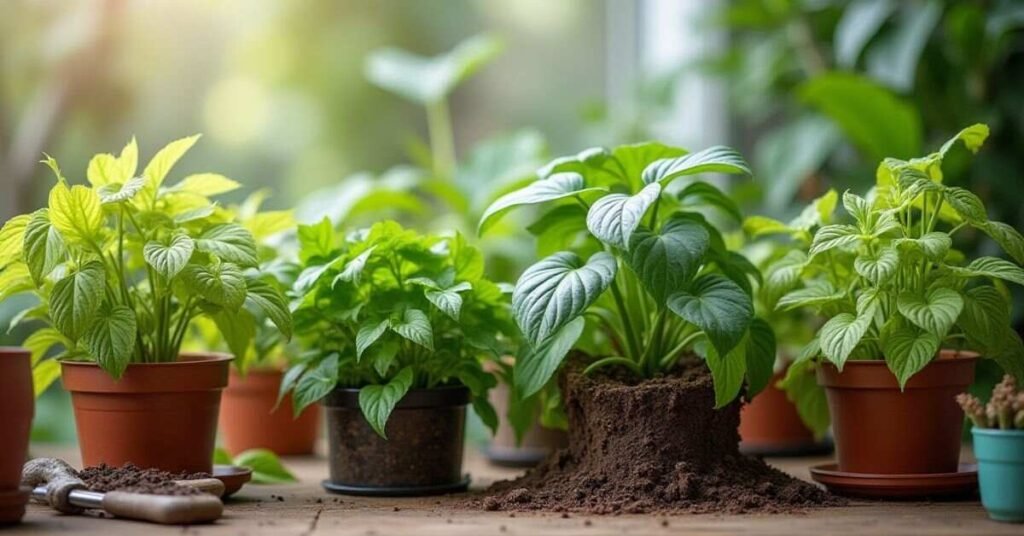
Streptocarpus plants usually remain quite hardy, but improper care or pests can cause noticeable problems. Most household plant issues stem from overwatering, poor air circulation, or tiny invading insects. You must watch your plant closely every week so you can catch these warning signs early. Spotting a symptom quickly allows you to save your beautiful plant before permanent damage occurs.
Common indoor pests like aphids, mealybugs, and spider mites love to target the soft, velvety leaves. Fungal diseases like powdery mildew can also attack the foliage if you leave the leaves wet or place the pot in a stagnant room. The table below outlines the most common problems that affect Streptocarpus plants, explains their likely causes, and provides practical solutions to help restore healthy growth and flowering.
| Problem & Symptom | Primary Cause | How to Fix It |
| Limp, mushy leaves and stems | Overwatering and root rot | Stop watering immediately, repot the plant in fresh, dry soil, and trim away any black, rotten roots. |
| White, powdery dust on leaves | Powdery mildew fungus | Move the plant to a room with better airflow and treat the foliage with a safe organic fungicide. |
| Sticky, white cotton-like fluff | Mealybug infestation | Wipe the insects off using a cotton swab dipped in rubbing alcohol, then spray the plant with neem oil. |
| Fine webbing and yellow leaves | Spider mite infestation | Isolate your plant, rinse the leaves gently with room-temperature water, and apply an insecticidal soap. |
| Brown, crispy leaf tips | Low humidity or dry soil | Place a tray filled with pebbles and water beneath the pot to increase humidity, and maintain a regular watering schedule to keep the plant healthy. |
| Lack of flowers despite healthy leaves | Too little sunlight or low nutrients | Move the pot to a brighter window with indirect sun and apply a weak African violet fertilizer. |
Growing a Streptocarpus Plant Indoors
Growing a Streptocarpus plant indoors brings the vibrant beauty of nature right into your living space. This delightful houseplant adjusts wonderfully to indoor environments, which makes it an excellent choice for modern homes. It fits neatly onto compact surfaces like desks, side tables, and small windowsills because it maintains a compact size. Its long blooming season means you get to enjoy cheerful, bright flowers inside your home for most of the year.
You will find that managing this plant takes very little effort once you establish a simple routine. It grows best when you give it bright, indirect light, use a well-draining soil mix, and water it with room-temperature water. Indoor conditions naturally protect the delicate blossoms from harsh outdoor weather, heavy rains, and strong winds. With just a minimal amount of attention, your Cape Primrose will reward you with a stunning, colorful indoor display.
FAQs
Q1: How long do Streptocarpus flowers last? Individual blossoms usually last for two to three weeks. The entire plant will produce new flowers continuously for up to ten months every year.
Q2: Can I grow Streptocarpus outside? You can place them outside in a shaded spot during warm summer months. However, you must bring them indoors before the temperature drops below 50°F (10∘C).
Q3: Why are my Streptocarpus leaves turning yellow? Too much direct sunlight or overwatering usually causes yellowing leaves. Check the soil moisture and move your plant away from harsh, direct sun.
Q4: How often should I repot my Cape Primrose? You should repot the plant once every spring into a slightly larger container. Fresh, loose soil gives the roots room to breathe and provides new nutrients.
Q5: Is the Streptocarpus plant toxic to cats and dogs? No, this plant contains no toxic chemicals or poisons. It is completely safe for your curious household pets.
Conclusion
The Streptocarpus plant makes a wonderful addition to any indoor garden. Its vibrant, eye-catching blooms and easy-care nature add beauty and lasting enjoyment to any indoor space. You do not need extensive gardening experience to keep this resilient houseplant healthy, thriving, and full of blooms. By providing it with bright indirect light and watering it correctly, you ensure a spectacular display of color for months on end.
Bringing a Cape Primrose into your home will instantly boost your mood and refresh your indoor air. It offers the perfect mix of beauty, simplicity, and safety for your household pets. Go ahead and place one on a bright windowsill or your favorite side table today. You will quickly realize that this charming plant rewards your minimal effort with a massive amount of natural beauty.

Jack Rivers is the founder of Plantsopedia, dedicated to making plant care simple, science-backed, and accessible for everyone. With a deep interest in botanical care and plant psychology, he specializes in rare tropical species and organic growth techniques, helping enthusiasts understand the soil, light, and biology behind every thriving plant. When he’s not experimenting with new propagation methods, Jack is busy turning complex horticultural science into practical, everyday advice for home gardeners