Introduction
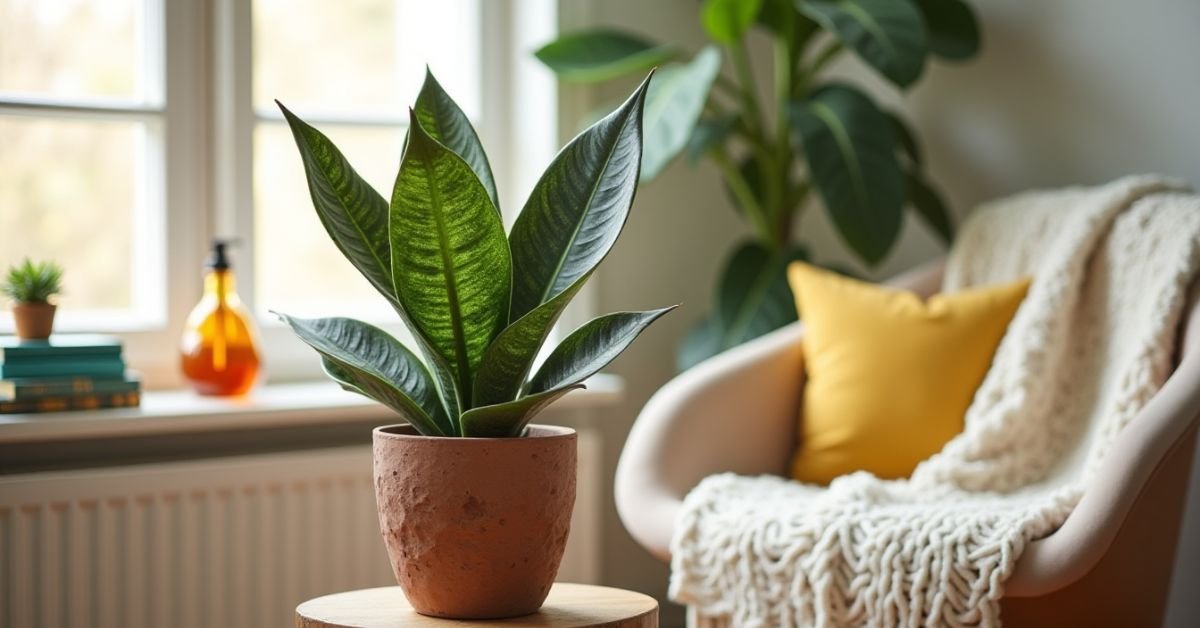
The Whale Fin plant is a unique succulent with massive, paddle-shaped leaves. Most people know it as a member of the Snake Plant family. It grows slowly but makes a huge impact with its wide, mottled green foliage.
Do you want a statement piece that survives almost anywhere? This plant thrives on neglect and adds a sculptural feel to any room. It turns a boring corner into a stylish focal point without requiring much work from you.
This guide explores why this plant is a must-have for your indoor garden. You will learn about its air-purifying powers and its hardy nature. We will also look at how it fits perfectly into modern home decor.
What Is a Whale Fin Plant?
The Whale Fin plant is a famous member of the Sansevieria family. It gets its name from its large, thick leaf that looks like a whale’s tail. Unlike other snake plants, this variety usually grows just one or two massive leaves at a time. It stands out because of its unique shape and beautiful dark green patterns.
This plant is a favorite for people who want a bold look without a lot of work. It grows very slowly and stays the same size for a long time. Because it is so tough, it survives in low light and doesn’t need much water. It adds a natural, artistic touch to any shelf or desk in your home.
Whale Fin Plant Benefits for Your Home
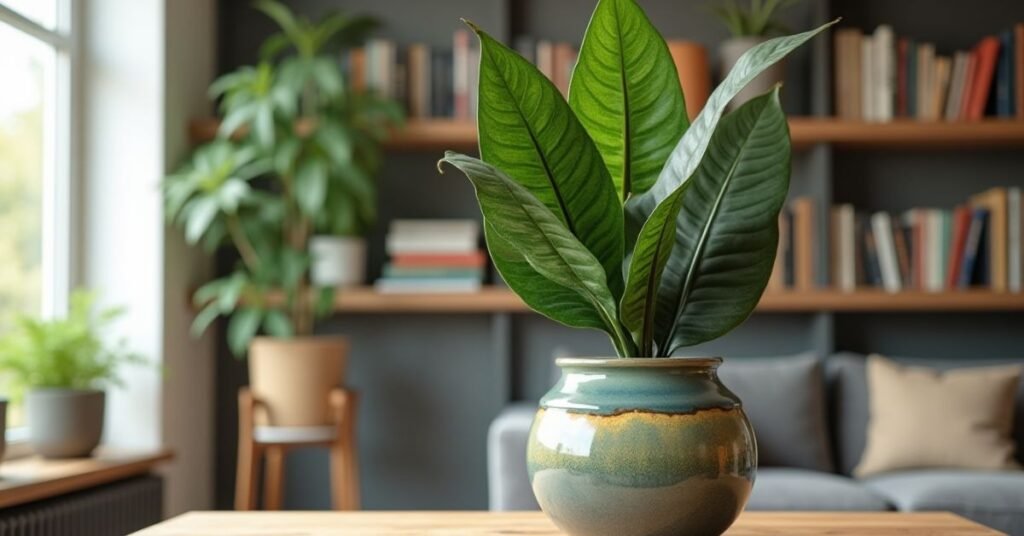
The Whale Fin plant does more than just look pretty on a shelf. It acts as a natural air filter for your living space. This plant breathes in toxins and releases fresh oxygen throughout the day and night. Because it is so hardy, it keeps working even if you forget to water it for a few weeks.
This plant also makes your home feel more peaceful and stylish. Its massive, upright leaf creates a bold look that mimics modern art. You don’t need a collection of small plants when one Whale Fin makes such a big statement. It brings a calm, natural energy to any room with very little effort.
- Cleans the air: It removes common household toxins.
- Low maintenance: This plant thrives on neglect and needs little water.
- Unique style: The wide leaf creates an instant focal point.
- Tough nature: It handles low light and different temperatures well.
How You Care for a Whale Fin Plant Easily
Caring for this plant takes very little time or effort. You only need to water it when the soil feels completely dry. Place your plant in a spot with bright, indirect sunlight to keep the leaf healthy. It handles low light well, but it grows better with a bit of sunshine.
Avoid overwatering your Whale Fin plant at all costs. Too much water causes the roots to rot and damages the large leaf. Use a pot with drainage holes and well-draining soil to keep the plant happy. This tough succulent thrives when you leave it alone and let it grow at its own pace.
Give the Right Light to Your Whale Fin Plant
Your Whale Fin plant loves bright, indirect light the most. This light helps the leaf maintain its beautiful patterns and strong shape. While it survives in darker corners, the plant grows much faster when it sits near a window. Just make sure the hot afternoon sun does not hit the leaf directly for too long.
Natural light keeps the plant vibrant and prevents the soil from staying too wet. If you notice the leaf turning yellow or pale, it might need a brighter spot. This plant is very flexible and adapts to most rooms in your home easily. It simply needs a steady source of light to stay healthy and strong.
- Bright, indirect light: This is the best choice for fast growth.
- Avoid direct sun: Harsh rays can burn and scar the large leaf.
- Low light tolerant: It survives in dim rooms but grows very slowly.
- Rotate the pot: Turn the plant occasionally so all sides get equal light.
Choose Best Soil for Whale Fin Plant Growth
A healthy Whale Fin plant needs the right soil to grow. This plant needs a mix that lets water flow through quickly. If the soil stays too wet, the roots will rot and the leaf will suffer. A gritty, loose texture allows the roots to breathe and stay strong.
You can easily find or make a great soil blend at home. Most people use a succulent or cactus mix because it drains so well. You can also add extra pumice or perlite to regular potting soil. This ensures that your plant never sits in a puddle of water after you give it a drink.
- Fast drainage: Use a mix that does not hold onto moisture for too long.
- Cactus or succulent soil: These pre-made blends work perfectly for this plant.
- Add perlite: This lightweight rock helps create air pockets in the dirt.
- Avoid heavy peat: Thick soils trap water and cause damage to the roots.
Common Whale Fin Plant Problems and Fixes
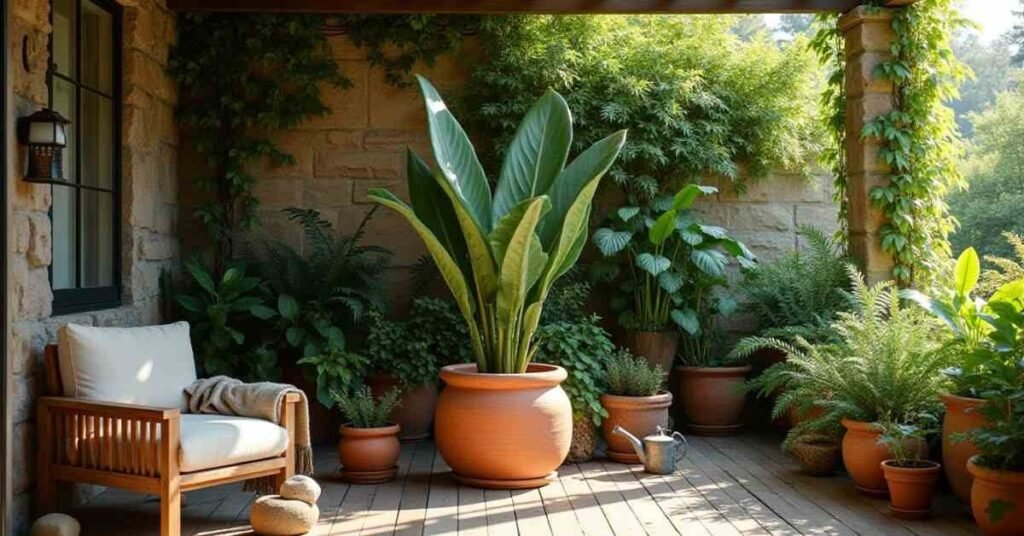
Most Whale Fin plant problems come from giving the plant too much love. If you see yellow or mushy leaves, you likely gave it too much water. Simply stop watering and let the soil dry out completely to save the plant. You can also move it to a brighter spot to help the moisture evaporate faster.
Brown spots on the leaf often mean the sun is too hot. Move your plant away from direct rays to stop the burning. If the leaf looks wrinkled or thin, the plant feels thirsty and needs a deep drink. Most issues disappear quickly once you adjust your care routine and leave the plant alone.
| Problem | Cause | Simple Fix |
| Yellowing Leaves | Too much water | Let the soil dry and water less often. |
| Soft or Mushy Base | Root rot | Remove from wet soil and trim rotten roots. |
| Brown Leaf Tips | Low humidity or tap water | Use filtered water or mist the air nearby. |
| White or Tan Patches | Sunburn | Move the plant away from direct sunlight. |
| Wrinkled Leaf | Dehydration | Give the plant a thorough watering. |
| Slow or No Growth | Not enough light | Move the pot closer to a bright window. |
| Dusty Foliage | Clogged pores | Wipe the leaf gently with a damp cloth. |
| Leaning Leaf | Searching for light | Rotate the pot or move to a brighter spot. |
How You Propagate a Whale Fin Plant at Home
Propagating a Whale Fin plant is a slow but rewarding process. Most people wait for the mother plant to grow a “pup,” which is a baby plant that pops up from the soil. You simply wait for the baby to grow a few inches tall before you separate it. This method keeps the unique patterns of the leaf exactly like the parent.
You can also grow a new plant using a leaf cutting, though this takes much longer. You cut a healthy leaf into sections and place them in water or well-draining soil. Eventually, tiny roots and a new sprout will appear from the base of the cutting. Patience is key because this plant takes its time to develop new life.
- Division: Separate the baby pup from the main root system with a clean knife.
- Leaf Cuttings: Cut a piece of the leaf and let the edge dry for a few days before planting.
- Water Method: Place a cutting in a jar of water and change the water every week.
- Soil Method: Put a dry cutting directly into cactus soil and wait for roots to form.
Whale Fin Plant Size, Growth, and Lifespan
The Whale Fin plant grows quite large compared to its relatives. A single leaf often reaches lengths of two to three feet. Because it has such a wide shape, it looks much bigger than a standard snake plant. It usually stays compact in width but makes a massive vertical statement in your home.
This plant lives for many decades with the right care. It grows very slowly and may only produce one new leaf every year or two. You will enjoy its beauty for a long time because it is so resilient. Many people keep these plants as lifelong companions in their indoor gardens.
Whale Fin Plant vs Snake Plant
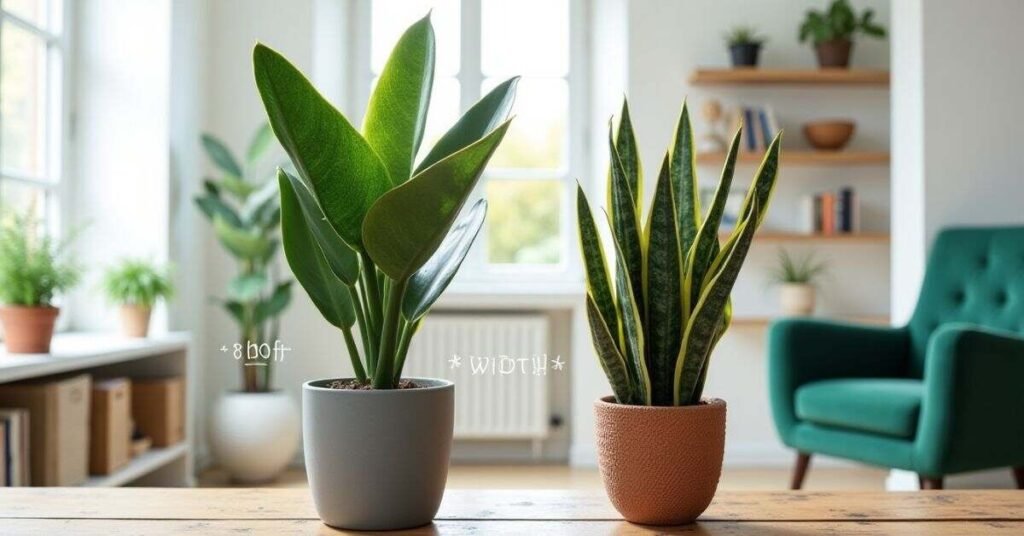
The Whale Fin plant and the common Snake Plant belong to the same family. They both share a tough nature and need very little water to survive. The main difference lies in their appearance and how they grow. A standard Snake Plant grows many thin leaves in a cluster, while the Whale Fin usually shows off one or two massive, wide leaves.
Choosing between them depends on the look you want for your room. The Snake Plant fills up a corner with tall, grassy foliage. The Whale Fin acts more like a piece of living sculpture because of its unique shape. Both plants clean the air and handle low light, so you cannot make a wrong choice for your home.
| Feature | Whale Fin Plant | Standard Snake Plant |
| Leaf Shape | Very wide and paddle-like | Long, thin, and sword-shaped |
| Growth Habit | Usually grows 1–2 leaves | Grows in thick clusters |
| Growth Speed | Extremely slow | Moderate to slow |
| Maximum Height | Up to 3 feet | Up to 4 feet or more |
| Visual Impact | Bold, sculptural statement | Vertical, filling effect |
| Water Needs | Very low | Very low |
| Light Needs | Flexible (Prefers indirect) | Flexible (Prefers indirect) |
| Care Level | Very easy | Very easy |
Where You Place Your Whale Fin Plant Indoors
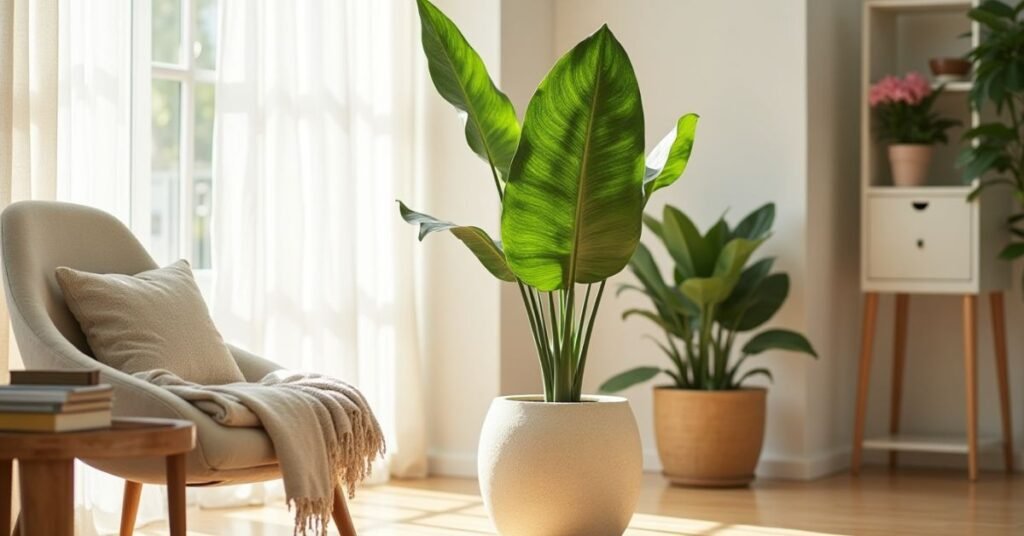
The right spot makes your Whale Fin plant look like a piece of art. Most people place this plant on a sturdy side table or a wide shelf. Since the leaf grows quite large, it needs a stable surface that can handle its weight. Choose a location where people can see the beautiful patterns on the foliage clearly.
You should also think about the temperature and airflow in your chosen room. This plant likes steady conditions and hates cold drafts or hot heaters. A bedroom or a living room usually provides the perfect environment for it to stay happy. Keep it away from busy hallways where people might accidentally bump into the leaf.
- Near a window: Pick a spot with bright, filtered light for the best health.
- On a pedestal: Elevate the plant to show off its unique, sculptural shape.
- In the bedroom: Enjoy fresh air while you sleep thanks to its oxygen production.
- Away from vents: Avoid placing it directly in front of air conditioners or radiators.
- In a corner: Fill an empty space with one bold, green statement leaf.
Quick Plant Care Tips for Beginners
Starting your journey with a Whale Fin plant is very easy. The most important rule is to avoid overwatering your new friend. This plant stores plenty of water in its thick leaf, so it survives long dry spells. Always check the soil with your finger to make sure it is dry before you add more water.
You should also find a consistent spot for your plant and let it settle in. It does not like being moved around too often. Give it some light, keep it warm, and let it grow at its own slow pace. If you follow these simple steps, your plant will stay healthy and beautiful for years to come.
- Check the soil: Only water when the dirt feels bone-dry to the touch.
- Use drainage: Make sure your pot has a hole at the bottom for extra water.
- Wipe the leaf: Keep the foliage clean with a damp cloth so it can breathe.
- Be patient: Do not worry if you do not see new growth for many months.
- Keep it warm: Protect your plant from cold windows during the winter time.
Conclusion
The Whale Fin plant is a perfect choice for any indoor space. It combines a bold, artistic look with a very tough nature. You get to enjoy a stunning natural focal point without spending hours on maintenance. This plant truly proves that you do not need a green thumb to have a beautiful home.
Start your plant journey today by adding this unique succulent to your collection. It will clean your air and brighten your rooms for many years. Give it a little light, very little water, and plenty of space to shine. You will love how this simple leaf transforms your living environment into something amazing.
FAQs
Q1. How often should I water my Whale Fin plant?
Water your plant only when the soil feels completely dry. Usually, this means watering once every two to four weeks depending on the season.
Q2. How fast does the Whale Fin plant grow?
No, this plant grows very slowly compared to other indoor plants. You might only see one new leaf grow every year or two.
Q3. Can this plant live in a room with no windows?
It survives in low light, but it still needs some source of light to stay healthy. Use an LED grow light if your room has no natural windows.
Q4. Is the Whale Fin plant safe for cats and dogs?
Like most snake plants, the Whale Fin is toxic if your pets chew on it. Keep the pot on a high shelf or in a spot where pets cannot reach it.
Q5. Why is my Whale Fin leaf leaning to one side?
The leaf usually leans because it is reaching for a nearby light source. Rotate your pot every week to help the plant stay upright and balanced.

Jack Rivers is the founder of Plantsopedia, dedicated to making plant care simple, science-backed, and accessible for everyone. With a deep interest in botanical care and plant psychology, he specializes in rare tropical species and organic growth techniques, helping enthusiasts understand the soil, light, and biology behind every thriving plant. When he’s not experimenting with new propagation methods, Jack is busy turning complex horticultural science into practical, everyday advice for home gardeners