
Introduction
Purple plant decorating is the art of using lavender, violet, and deep plum foliage to beautify your living space. It involves picking plants with colorful leaves or flowers to add a splash of royalty to your rooms and gardens. Instead of sticking to basic green, these plants bring a unique and sophisticated look to any setting.
Are you tired of the same old look in your backyard or living room? Adding a pop of purple is the easiest way to make your home stand out and feel more luxurious. Whether it’s a tiny pot on a shelf or a large bush on the patio, these vibrant colors can instantly lift your mood and impress your guests.
In this guide, we will explore the best purple species for both indoor and outdoor environments. You will learn how to pair these bold colors with your existing furniture and how to keep them healthy year-round. From dark “Black Magic” petals to bright lilac blooms, there is a perfect shade for every home.
Purple Plant Care Tips
Purple plants need the right amount of light to keep their vibrant colors. Most of these plants love bright, indirect sunlight to stay bold and beautiful. If they sit in the dark for too long, their deep purple leaves might start to turn green. Place them near a sunny window or a bright spot on your patio for the best results.
Watering is also very important to keep your plants healthy and happy. You should always check the soil with your finger before adding more water. If the top inch of soil feels dry, it is time to give them a drink. Make sure your pots have small holes at the bottom so the extra water can drain out easily.
Top 10 Purple Plants
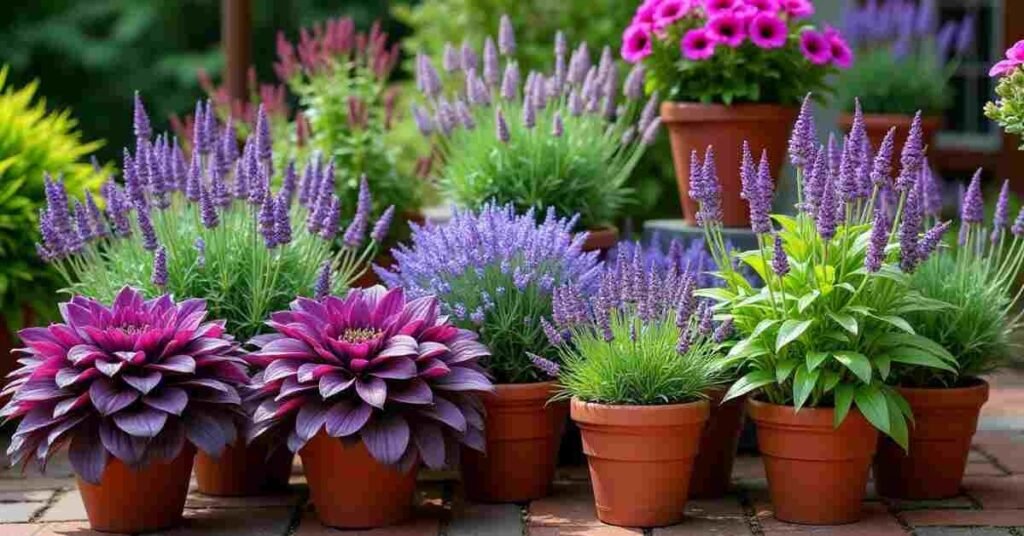
Finding the right purple plants can completely change the look of your home. Some plants have dark, moody leaves, while others have bright and cheerful flowers. Whether you want a small plant for your desk or a big one for your patio, there are many beautiful options to choose from. These plants are easy to find and will make your space look very special.
You can mix different shades of purple to create a professional designer look. Some plants thrive in the sun, and others prefer the shade indoors. Here are some of the best purple plants to grow:
- Purple Heart: A hardy plant with long, fuzzy purple stems.
- Coleus: Known for its stunning leaf patterns and deep violet centers.
- Lavender: Gives you a lovely scent and beautiful light purple flowers.
- Petunias: Perfect for hanging baskets on a sunny porch or patio.
- Persian Shield: Has shiny, metallic purple leaves that look like art.
- Spiderwort: A fast-growing plant that looks great in small pots.
Purple Plant Varieties
There are many different types of purple plants you can grow at home. Some have solid purple leaves, while others have green leaves with purple stripes. You can choose small plants for your shelves or larger ones for your garden beds. Each variety has its own unique look that adds a touch of magic to your space.
When picking a variety, think about where you want to put it. Some plants like to stay inside in the shade, and others need the bright sun on a patio. Mixing these different types will make your home look like a professional garden. Here is a list of some popular varieties and where they grow best:
| Plant Name | Best Location | Main Feature |
| Purple Heart | Indoor / Outdoor | Deep purple stems and leaves |
| Persian Shield | Indoor / Bright Spot | Shiny, metallic purple foliage |
| Coleus | Shady Garden / Indoor | Mix of purple, pink, and green |
| Lavender | Outdoor / Full Sun | Fragrant light purple flowers |
| Petunias | Outdoor / Hanging Pots | Bright purple trumpet-shaped blooms |
| Purple Basil | Kitchen Window / Garden | Edible dark purple leaves |
| Spiderwort | Indoor / Low Light | Striped purple and green leaves |
| Ti Plant | Indoor / Bright Light | Long, tall purple and red leaves |
| Butterfly Bush | Outdoor / Garden | Large clusters of purple flowers |
| African Violet | Indoor / Window Sill | Fuzzy leaves with purple petals |
Indoor vs Outdoor Purple Plants
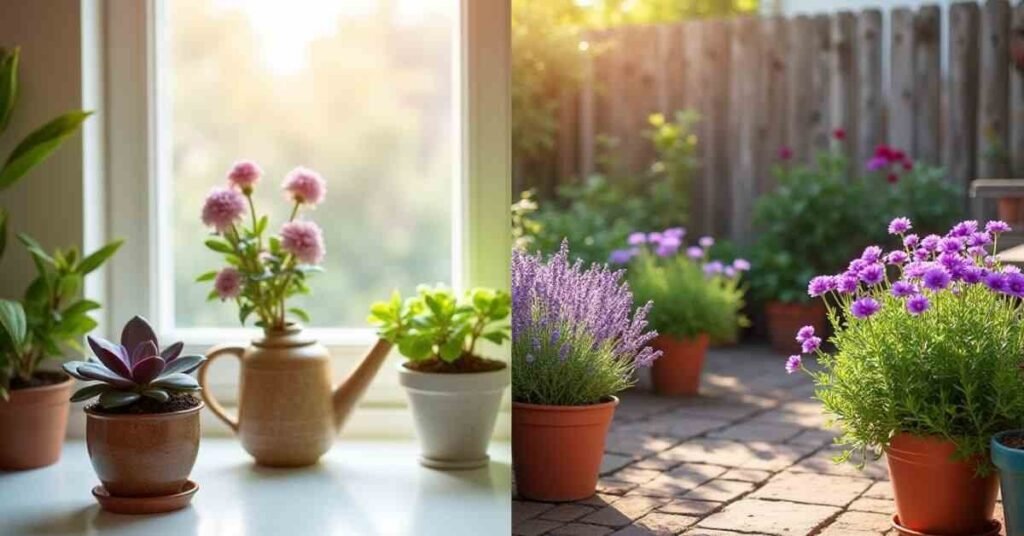
Choosing between indoor and outdoor purple plants depends on the light in your home. Indoor plants usually like indirect sunlight and steady temperatures to keep their deep colors. If you put them in a dark corner, their bright purple leaves might start to fade or turn green. It is best to keep them near a window where they can see the sky but not get too hot.
Outdoor purple plants are much tougher and love the fresh air and bright sun. Many of these varieties produce beautiful purple flowers that attract butterflies and bees to your garden. These plants can handle the wind and changing weather much better than indoor types. Growing them on a patio or in a garden bed gives your home a high-end, colorful look from the street.
| Feature | Indoor Purple Plants | Outdoor Purple Plants |
| Light Needs | Bright, indirect light | Full sun to partial shade |
| Temperature | Prefers warm, steady air | Can handle heat and wind |
| Watering | Needs less frequent water | Dries out faster in the sun |
| Common Types | Persian Shield, Spiderwort | Lavender, Petunias |
| Growth Size | Usually stays small and neat | Can grow into large bushes |
| Main Goal | Decorating shelves and desks | Brightening up patios and yards |
| Care Level | Easy to watch every day | Needs more water on hot days |
| Potting | Needs good drainage holes | Works well in large ground beds |
Purple Plant Problems & Fixes
Sometimes your purple plants might start to look a little sad or lose their color. One common problem is when the deep purple leaves begin to turn green. This usually happens because the plant is not getting enough bright light. To fix this, simply move your plant to a sunnier spot near a window or on your patio. Soon, the beautiful purple color should start to come back to the new leaves.
Another issue is when the leaves turn brown and crispy at the edges. This often means your plant is too thirsty or the air is very dry. You can fix this by checking the soil more often and giving it a good drink when it feels dry. If the plant is inside, you can also mist the leaves with a little water to keep them happy. Regular care will help your plants stay strong and vibrant all year long.
Decorating with Purple Plants
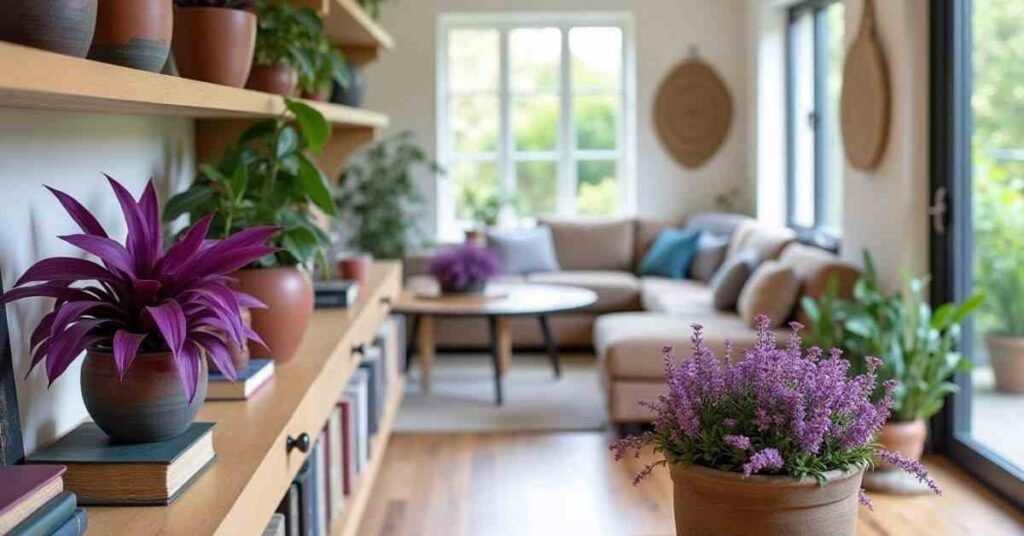
Decorating with purple plants is a great way to make your home look stylish and modern. You can place dark purple plants next to white or light-colored walls to make the colors pop. Small pots look wonderful on bookshelves, while larger plants can fill up empty corners in your living room. These plants add a touch of luxury and a peaceful feeling to any room.
On your patio, you can use purple flowers to create a bright and welcoming entrance. Mixing different shades like light lavender and deep plum makes your garden look professionally designed. You can also use colorful pots that match the purple leaves for an even better look. Here are some simple ways to decorate with them:
- Group them together: Put three different purple plants in one corner for a bold look.
- Use hanging baskets: Hang purple petunias or spiderwort from your porch ceiling.
- Brighten your desk: A small purple heart plant can make your workspace feel more creative.
- Mix with green: Place purple plants next to green ones to create a beautiful contrast.
- Table centerpieces: Use a small pot of purple basil or oxalis as a natural decoration for your dining table.
Seasonal Purple Plant Guide
Different purple plants grow best at different times of the year. Some love the warm summer sun, while others prefer the cool air of spring or fall. It is important to know when to plant them so they stay healthy and keep their bright colors. Choosing the right plant for each season will keep your home and patio looking beautiful all year long.
In the winter, most purple plants need to stay indoors where it is warm. You can move them back outside once the weather gets better in the spring. During the hot summer months, some plants might need more water to stay hydrated. Following a seasonal plan helps you enjoy a colorful garden without any stress.
| Season | Best Purple Plants | Main Benefit |
| Spring | Crocus, Pansies | First bright colors after winter |
| Spring | Lilacs | Very sweet smell in the garden |
| Summer | Purple Petunias | Blooms all summer in the sun |
| Summer | Lavender | Loves the heat and keeps bees happy |
| Summer | Purple Basil | Great for cooking and smells fresh |
| Fall | Purple Mums | Stays colorful when other plants fade |
| Fall | Ornamental Cabbage | Very hardy and loves the cool air |
| Winter | African Violets | Blooms indoors during the cold |
| Winter | Purple Oxalis | Grows well inside on a sunny shelf |
| Winter | Wandering Jew | Easy to keep as a houseplant |
Purple vs Green Plants
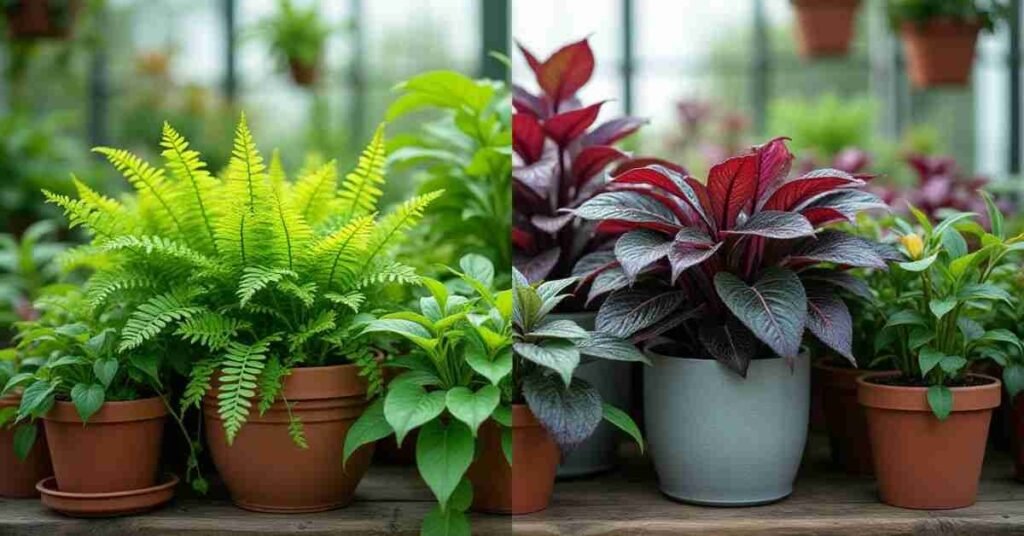
Green plants are the most common type you will see in any home or garden. They get their bright color from chlorophyll, which helps them turn sunlight into food. Most people start with green plants because they look natural and fresh in any room. They are a great base for your collection and make your space feel very calm.
Purple plants are special because they have extra pigments that hide the green color. These plants are perfect if you want to add a bold and artistic look to your decor. While green plants blend in, purple ones stand out and grab everyone’s attention. They bring a sense of luxury and mystery that regular green leaves cannot provide.
The best way to decorate is to use both purple and green plants together. The deep violet and plum colors look amazing when placed next to bright green foliage. This contrast makes your garden or patio look much more professional and interesting. Mixing these two colors is a simple trick to make your plant collection look like a work of art.
Easy Purple Plants for Beginners
Starting a garden with purple plants is very easy and fun. You do not need to be an expert to grow these beautiful varieties. Many purple plants are very tough and can handle a little bit of neglect. They are perfect for anyone who is just starting their plant journey at home or on a patio.
Most beginner-friendly plants only need a little water and some bright light to stay healthy. You can keep them in small pots on your desk or in larger containers outside. These plants grow quickly and will show off their bright colors in just a few weeks. Here are some of the best purple plants for beginners:
- Purple Heart: This plant is very hard to kill and grows long, trailing stems.
- Spiderwort: It has beautiful striped leaves and grows well in almost any light.
- Purple Basil: A great herb that smells amazing and looks beautiful in the kitchen.
- Coleus: This plant has very bright purple patterns and loves to grow in the shade.
- Petunias: These are perfect for beginner gardeners because they bloom all summer long.
Buy Purple Plants Online
Buying purple plants online is a very easy way to grow your collection. You can browse many different types from the comfort of your own home. Most online shops show clear photos so you can pick the exact shade of purple you like. Once you order, the plants are carefully packed in boxes and delivered right to your front door.
When you shop online, it is important to read the descriptions and reviews. Look for stores that offer a health guarantee to make sure your plants arrive fresh and strong. Check if the plant is meant for indoors or outdoors before you hit the buy button. Shopping this way gives you access to rare purple varieties that your local store might not have in stock.
Conclusion
Adding purple plants is a simple way to make your home and patio look beautiful. These colorful plants bring a touch of luxury and personality to any space. Whether you keep them inside or outside, they are easy to love and care for. With just a little light and water, your space will feel much more vibrant and welcoming.
Now is the perfect time to start your own purple garden. You can try mixing different shades and leaf patterns to find the look you love most. It is fun to watch these unique plants grow and change throughout the seasons. Grab a new plant today and enjoy the splash of color it brings to your life.
FAQs
1. Which purple plant is the easiest for beginners?
The Purple Heart is a great choice because it is very tough. It can survive even if you forget to water it for a few days.
2. Can purple plants grow in the shade?
Yes, some varieties like Coleus and certain Spiderworts love the shade. However, they still need some indirect light to keep their leaves from turning green.
3. Why are my purple leaves turning green?
This usually happens because the plant is not getting enough sunlight. Move it to a brighter spot to help the purple color come back.
4. How often should I water my purple plants?
You should water them when the top inch of soil feels dry to the touch. Most purple plants prefer to stay moist but not soaking wet.
5. Are there purple plants I can grow for cooking?
Yes, Purple Basil is a beautiful and tasty herb you can grow easily. It looks great in a pot and adds a unique color to your meals.

Jack Rivers is the founder of Plantsopedia, dedicated to making plant care simple, science-backed, and accessible for everyone. With a deep interest in botanical care and plant psychology, he specializes in rare tropical species and organic growth techniques, helping enthusiasts understand the soil, light, and biology behind every thriving plant. When he’s not experimenting with new propagation methods, Jack is busy turning complex horticultural science into practical, everyday advice for home gardeners