The peperomia plant is a popular indoor plant known for its compact size, attractive leaves, and easy care nature. It naturally grows in tropical environments where light is filtered through trees, making it perfectly suited for indoor spaces. This plant brings a calm and refreshing feel to any room without requiring complex maintenance.
The peperomia plant is widely appreciated because it adapts well to different home environments. It stays small, grows slowly, and maintains its beauty with minimal effort. This makes it an ideal choice for beginners, office spaces, and modern homes where simple greenery is preferred.
Peperomia Plant Meaning and Overview
The peperomia plant belongs to a large tropical plant family known for its variety in leaf shapes and textures. It is naturally adapted to survive in shaded, humid environments, which is why it performs well indoors with indirect light.
Unlike large decorative plants, the peperomia plant remains compact throughout its life. Its slow growth pattern allows it to stay manageable in small pots, making it perfect for desks, shelves, and apartments.
Why People Love Peperomia Plants
The peperomia plant is popular because it fits easily into modern lifestyles. It does not require frequent watering or complex care routines, making it ideal for people with busy schedules.
The peperomia plant also adds natural beauty without overwhelming indoor spaces. Its unique leaf patterns and textures make it visually appealing in both home and office environments
To expand your knowledge and explore comprehensive care guides tailored to your needs, visit our website for all the information you require.
Read: Plantsopedia.com
How Often Should a Peperomia Be Watered?

A peperomia plant should be watered only when its soil becomes dry. It does not need frequent watering because it naturally stores moisture in its thick leaves.
In most indoor environments, this usually means watering about every 7 to 10 days. However, the exact timing depends on light, temperature, and humidity levels in your home. Warmer rooms may dry the soil faster, while cooler spaces slow it down.
The best way to decide is to check the soil instead of following a strict schedule. IWater your plant immediately if the top layer of soil feels dry to the touch. If it still feels slightly moist, wait a little longer.
Overwatering should be avoided because it can quickly lead to root rot and weak growth. A slightly dry soil is always safer than constantly wet soil for a peperomia plant.
Peperomia Plant Types Explained
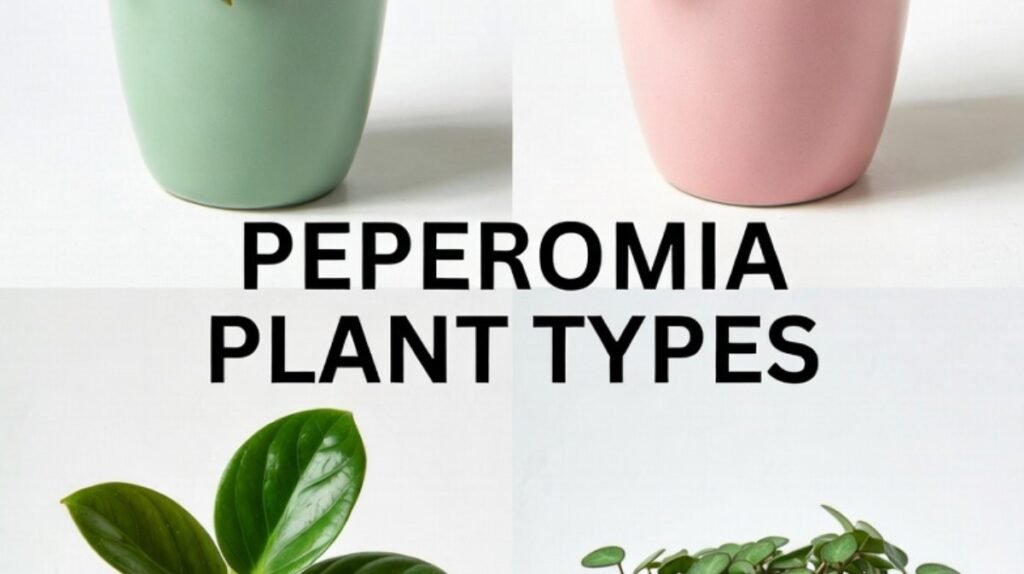
The peperomia plant includes many different varieties, each with unique leaf designs, colors, and growth habits. These variations developed naturally in tropical regions where different species adapted to different light and moisture levels.
The peperomia plant types remain small and easy to manage, but each offers a distinct look. Some are bold and striped, some have deep textures, while others grow in trailing patterns that enhance decorative setups.
Peperomia Plant Types Comparison Table
| Type | Appearance | Growth Style | Best Use |
| Watermelon Peperomia | Silver-green striped leaves | Compact growth | Table décor |
| Ripple Peperomia | Deep textured leaves | Bushy growth | Desk plant |
| Baby Rubber Plant | Thick glossy leaves | Upright growth | Office décor |
| String of Turtles | Small round patterned leaves | Trailing growth | Hanging baskets |
This table makes it easier to understand the differences between peperomia plant types and choose the right one for your space.
Watermelon Peperomia
The Watermelon Peperomia is one of the most attractive peperomia plant types. Its leaves feature silver and green patterns that resemble watermelon skin, making it highly decorative.
This peperomia plant grows slowly and remains compact. It prefers bright indirect light and light watering, making it ideal for shelves, tables, and small decorative spaces.
Ripple Peperomia
The Ripple Peperomia is a textured peperomia plant with wrinkled, heart-shaped leaves. Its unique surface gives it a soft and artistic appearance that stands out indoors.
This peperomia plant grows best in indirect light and slightly moist soil. It stays small and fits easily in compact spaces like desks or bedside tables.
Baby Rubber Plant
The Baby Rubber Plant is a glossy plant with thick, smooth leaves that give it a clean and modern look suitable for homes and offices.
This peperomia plant is very easy to maintain. It adapts to different lighting conditions and requires minimal watering, making it perfect for beginners.
Trailing Peperomia (String of Turtles)
Trailing this plant grow downward instead of upright. The String of Turtles is a popular example with small patterned leaves that create a cascading effect.
This plant is ideal for hanging pots and shelves. It adds natural movement and visual depth to indoor spaces.
Peperomia Plant Benefits
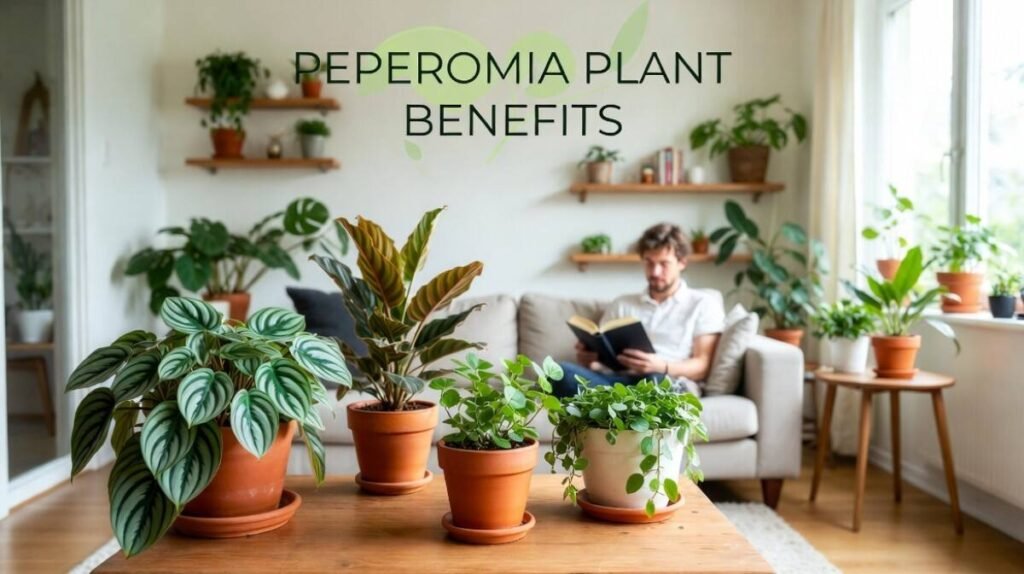
The plant improves indoor environments by adding greenery and a calming natural effect. It is often chosen for its low-maintenance nature and long-lasting decorative appeal.
It also fits well in small spaces like apartments and offices. The plant enhances mood by creating a fresh, natural indoor atmosphere without taking up much space.
Simple Care and Growth Requirements
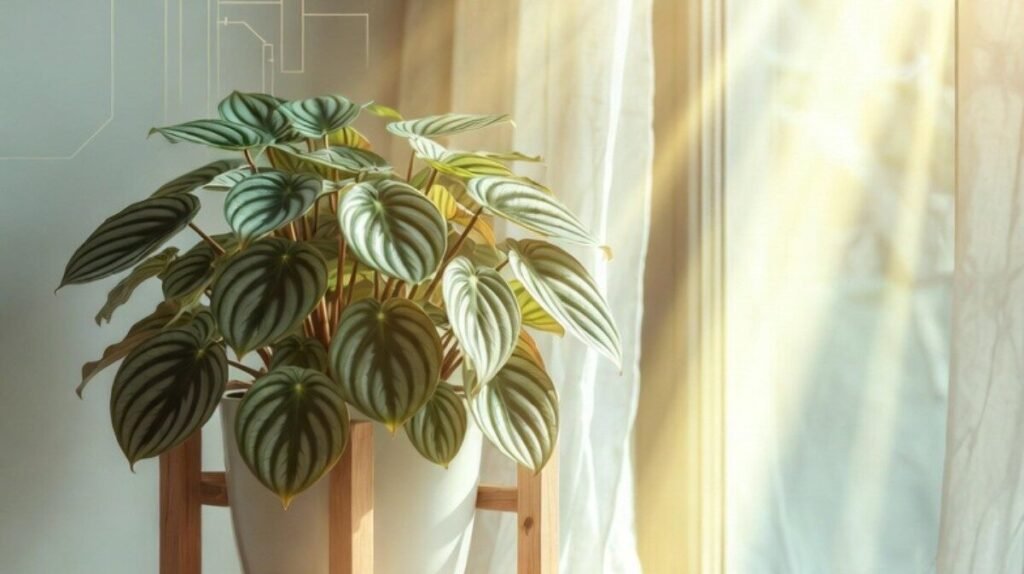
The peperomia plant grows best in bright but indirect sunlight. Direct sunlight should be avoided because it can damage the leaves. Balanced lighting helps the plant keep its healthy color and soft texture.
The peperomia plant requires watering only when the soil becomes dry. You should avoid overwatering your plants to prevent root rot.Consistent but light watering keeps the plant stable and strong over time.
3 Essential Care Tips
- The plant thrives when placed in a spot with filtered or indirect light, such as near a window with curtains. This prevents leaf burn and keeps its texture vibrant.
- The plant prefers well-draining soil, so using a loose potting mix helps excess water escape easily. This reduces the risk of root problems and supports steady growth.
- The peperomia plant benefits from occasional leaf cleaning, as dust can block light absorption. Gently wiping leaves keeps them fresh, shiny, and healthy-looking.
Conclusion
The peperomia plant is a perfect indoor plant that combines beauty, simplicity, and variety. Its different types offer options for every interior style, from modern to natural spaces.
It remains one of the easiest plants to maintain and is highly suitable for beginners. With basic care, the peperomia plant brings long-lasting greenery, freshness, and calmness into any indoor environment
FAQs
1. What is a peperomia plant?
The peperomia plant is a small indoor houseplant known for its thick leaves and easy care. It grows well in indirect light and is perfect for beginners who want low-maintenance greenery at home or office.
2. How often should you water a peperomia plant?
The peperomia plant should be watered only when the soil feels dry. Overwatering can damage its roots quickly. In most homes, watering once every 7–10 days is usually enough depending on humidity.
3. Is peperomia a good indoor plant?
Yes, the peperomia plant is a highly suitable indoor plant that thrives easily in home environments. It stays compact, adapts to indoor lighting, and does not need frequent care. This makes it ideal for bedrooms, desks, and small apartments.
4. What are the main peperomia plant types?
The peperomia plant includes many types such as Watermelon Peperomia, Ripple Peperomia, Baby Rubber Plant, and String of Turtles. Each type has a unique leaf shape and growth style.
5. Does peperomia need direct sunlight?
No, the peperomia plant does not need direct sunlight. It grows best in bright but indirect light. Direct sun can burn its leaves and reduce its natural colour and texture.

Jack Rivers is the founder of Plantsopedia, dedicated to making plant care simple, science-backed, and accessible for everyone. With a deep interest in botanical care and plant psychology, he specializes in rare tropical species and organic growth techniques, helping enthusiasts understand the soil, light, and biology behind every thriving plant. When he’s not experimenting with new propagation methods, Jack is busy turning complex horticultural science into practical, everyday advice for home gardeners