Introduction
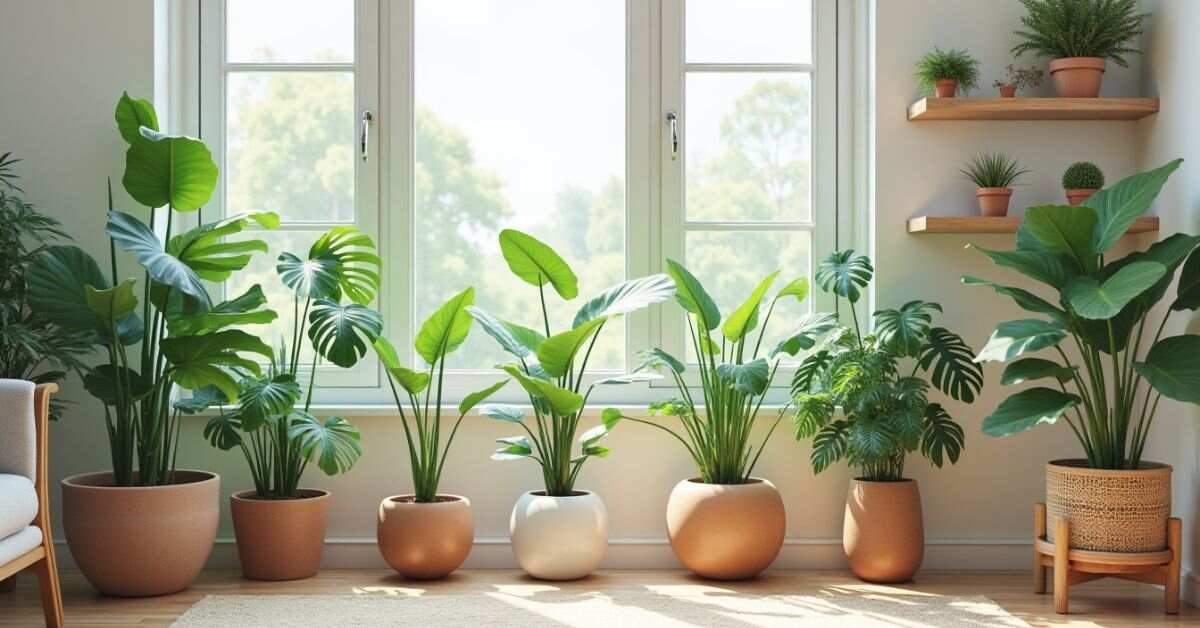
An aroid plant belong to the Araceae family of plants. You identify them by their unique flowering parts, which consist of a spike called a spadix and a leaf-like bract called a spathe. These plants usually grow in tropical environments under the forest canopy. Many popular houseplants like Monsteras and Philodendrons fall into this group.
Do you want a lush, jungle vibe without the constant stress of difficult plant care? Most people assume exotic plants require expert skills and expensive greenhouses. Fortunately, aroids offer the perfect solution for busy plant lovers. They bring dramatic foliage and stunning textures into your home with very little effort.
You can grow many different types of aroids right on your windowsill. These plants adapt well to low light and typical indoor temperatures. This guide covers the best varieties for beginners, including hardy Pothos and elegant Peace Lilies. You will learn which species thrive in your space and how to keep them happy.
What Is an Aroid Plant and Why It Is So Popular
Aroids are members of the Araceae plant family. You recognize them by their unique flower structure, which features a central spike called a spadix surrounded by a curved leaf called a spathe. In the wild, these plants often climb trees or spread across the tropical forest floor. They come in many shapes, from the massive leaves of an Elephant Ear to the trailing vines of a Pothos.
These plants dominate the indoor gardening world because they tolerate low light and irregular watering. They grow quickly and transform a boring room into a lush, green sanctuary. Collectors love them for their diverse patterns, holes, and textures. You can easily find a variety that fits your lifestyle and home decor.
Aroid Plant Family Overview and Key Features
The aroid family includes over 3,000 different species. You mostly find them in tropical regions where they thrive in warm, humid air. These plants produce a specific type of flower called an inflorescence. This consists of a fleshy spike and a colorful, leaf-like hood.
Aroids share several interesting traits that make them stand out from other plant groups. They often change their leaf shape as they grow older. Many species also contain tiny crystals that protect them from hungry animals. You will notice the following key features:
- Diverse Leaves: They grow foliage in shapes like hearts, arrows, or shields.
- Aerial Roots: Many types grow roots from their stems to climb trees.
- Easy Care: They store water well and handle indoor environments easily.
- Unique Flowers: They grow a distinct spadix and spathe instead of traditional petals.
Why Aroid Plants Grow Easily Indoors
Aroids naturally grow on the shady floor of tropical rainforests. This means they already prefer the indirect light found inside most homes. They do not need harsh, direct sunlight to stay healthy and green. Your living room mimics their natural habitat perfectly.
These plants also handle dry indoor air better than many other tropical species. They possess thick stems and waxy leaves that help them hold onto moisture. You can skip a watering session occasionally without hurting the plant. Their tough nature makes them the perfect choice for busy people or beginners.
Best Aroid Plant Types for Home and Indoor Gardens
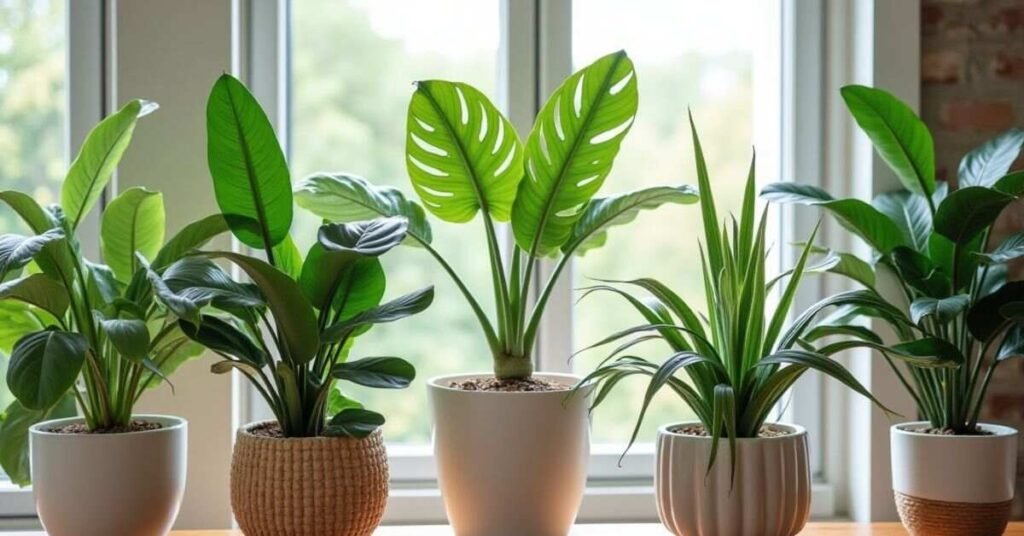
Many aroid varieties thrive inside your home with very little maintenance. You can choose trailing vines to hang from shelves or upright plants to fill empty corners. These plants offer a wide range of colors, from deep forest green to bright neon yellow. They stay vibrant all year round and add life to any room.
Beginners often start with the most resilient species because they survive almost any environment. You can find these plants at most local shops or garden centers. They grow steadily and rarely suffer from pests or diseases. Consider adding these popular types to your collection:
- Pothos: These vines grow incredibly fast and tolerate very low light.
- Monstera Deliciosa: This plant develops iconic holes in its leaves as it matures.
- Heartleaf Philodendron: This classic choice features beautiful, heart-shaped foliage.
- ZZ Plant: It survives for weeks without water and handles dark corners perfectly.
- Peace Lily: This elegant aroid produces white flowers and signals you when it needs water.
Popular Aroid Plant Varieties You Can Grow Easily
You can find a perfect aroid for any spot in your house. Some varieties love to climb moss poles, while others prefer to trail down from a high shelf. These plants come in many sizes, so they fit on small desks or large floor spaces. They usually grow quite fast and show off new leaves throughout the year.
The most popular types survive even if you forget about them for a few days. They handle the typical temperatures inside a home without any trouble. Most people love them because they look exotic but act like hardy weeds. Check out these fan-favorite varieties for your indoor garden:
- Aglaonema (Chinese Evergreen): This plant features stunning silver or pink patterns on its leaves.
- Syngonium (Arrowhead Plant): It starts as a bushy plant and eventually turns into a lovely vine.
- Scindapsus Pictus (Satin Pothos): You will love the matte green leaves with shimmering silver spots.
- Alocasia Polly: This variety offers dark, glossy leaves with thick white veins for a dramatic look.
- Philodendron Brasil: This fast grower adds a splash of lime green to your plant shelf.
Rare Aroid Plant Types for Plant Collectors
Serious collectors often hunt for aroids with unusual colors or rare patterns. These plants usually cost more because they grow slowly or appear less often in shops. You might find leaves with white splashes, deep purple tones, or velvet textures. Owning one feels like keeping a living piece of art in your home.
Rare aroids often require a bit more attention to humidity and light than common types. They reward your extra care with breathtaking beauty that stands out in any collection. Many enthusiasts trade cuttings of these special plants to grow their hobby. Look for these highly prized varieties if you want something unique:
- Philodendron Pink Princess: This famous plant features dark leaves with bright pink splashes.
- Monstera Albo: You will see stunning white patches across its large, split leaves.
- Anthurium Crystallinum: It grows huge, velvety heart-shaped leaves with shimmering silver veins.
- Alocasia Azlanii: This rare gem shows off waxy, dark foliage with a mysterious purple glow.
- Philodendron Spiritus Sancti: Collectors value this extremely rare plant for its long, sword-like leaves.
How to Care for Aroid Plant for Fast Growth
You can speed up growth by providing plenty of bright, indirect sunlight. Place your plants near a window where they get filtered light throughout the day. Use a chunky soil mix that drains quickly to keep the roots healthy and oxygenated. Regular feeding with a balanced liquid fertilizer during the spring and summer also fuels new leaves.
High humidity makes aroids grow much faster and produce larger foliage. You can mist your plants or use a small humidifier to mimic a tropical environment. Keep the soil moist but never soggy to avoid root rot issues. Wiping the leaves with a damp cloth helps the plant breathe and soak up more light for energy.
Light and Water Needs for Aroid Plant Health
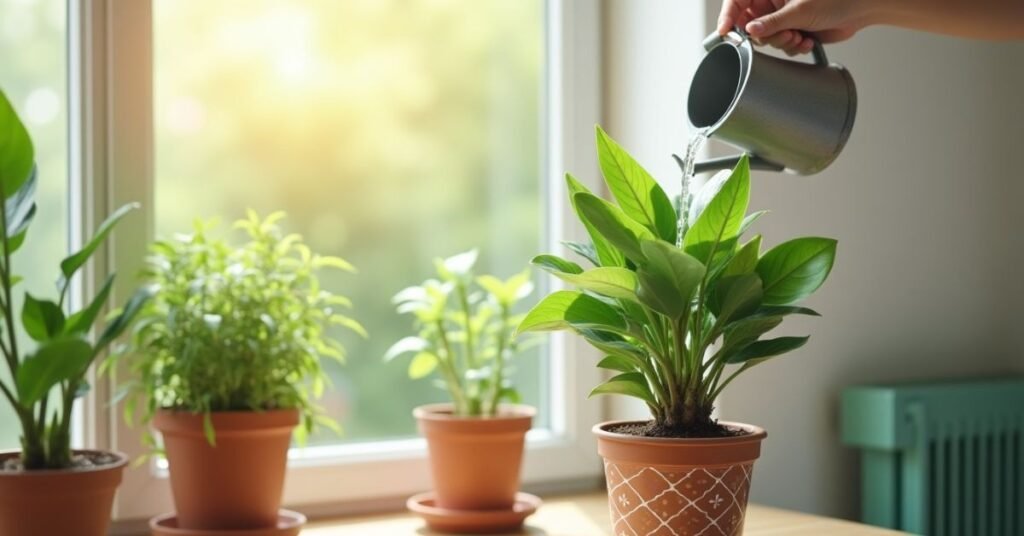
Aroids thrive when they receive bright, indirect sunlight for several hours each day. Direct sun can scorch their delicate leaves, while too little light slows down their growth. You should place them near a window with a sheer curtain to create the perfect balance. If your room stays dark, a simple LED grow light works wonders.
Proper watering keeps your aroids happy and prevents common problems like yellow leaves. You should let the top inch of soil dry out before you add more water. These plants hate sitting in soggy dirt, so always use a pot with drainage holes. Pour water until it runs out the bottom to ensure the roots get a good drink.
| Plant Type | Light Requirement | Watering Frequency | Soil Preference |
| Pothos | Low to Bright Indirect | Every 7–10 days | Standard Potting Mix |
| Monstera | Bright Indirect | Every 1–2 weeks | Chunky Aroid Mix |
| Philodendron | Moderate to Bright | When top soil is dry | Well-draining Mix |
| ZZ Plant | Low to Moderate | Every 3–4 weeks | Sandy/Well-draining |
| Peace Lily | Low to Moderate | Every 5–7 days | Moist but not soggy |
| Alocasia | Bright Indirect | Every 7 days | Airy and Moist |
| Aglaonema | Low to Moderate | Every 10–14 days | Standard Potting Mix |
| Anthurium | Bright Indirect | Every 7–10 days | Orchid Bark and Peat |
Best Soil Mix for Strong Aroid Plant Roots
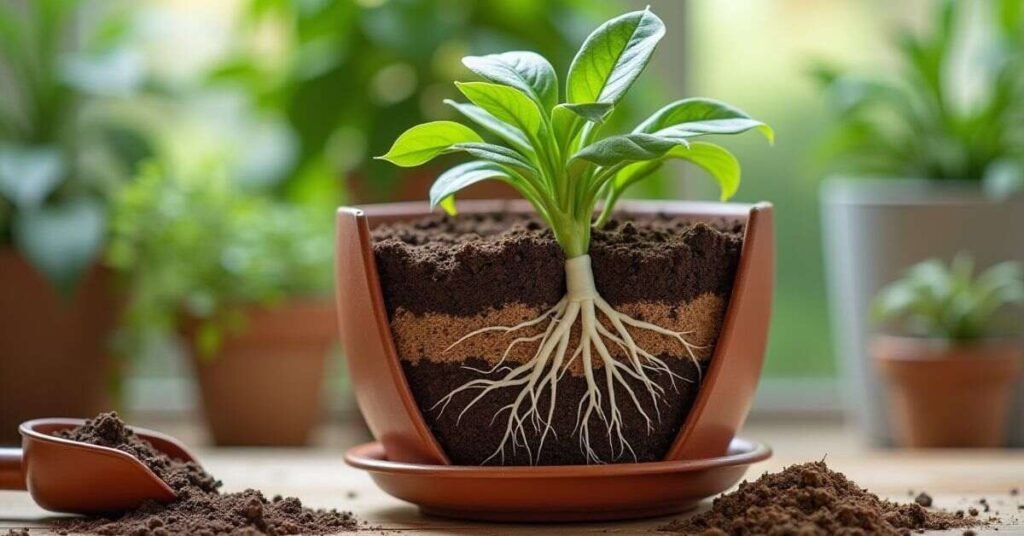
Aroid roots need plenty of oxygen to stay healthy and grow deep. Regular potting soil often stays too wet and packs down too tightly for these plants. You should create a mix that feels chunky and light. This allows water to flow through quickly while leaving tiny air pockets for the roots to breathe.
You can easily mix your own “aroid substrate” at home using a few simple ingredients. This custom blend prevents root rot and encourages the plant to produce much larger leaves. A good mix balances moisture retention with excellent drainage. Try combining these items for the best results:
- Orchid Bark: This adds large chunks to create essential air spaces.
- Perlite or Pumice: these white stones help water drain away fast.
- Horticultural Charcoal: It keeps the soil fresh and removes impurities.
- Coconut Coir or Peat Moss: This part holds onto just enough moisture for the plant.
- Worm Castings: These provide a gentle, natural boost of nutrients.
Aroid Plant Problems and Easy Fix Solutions
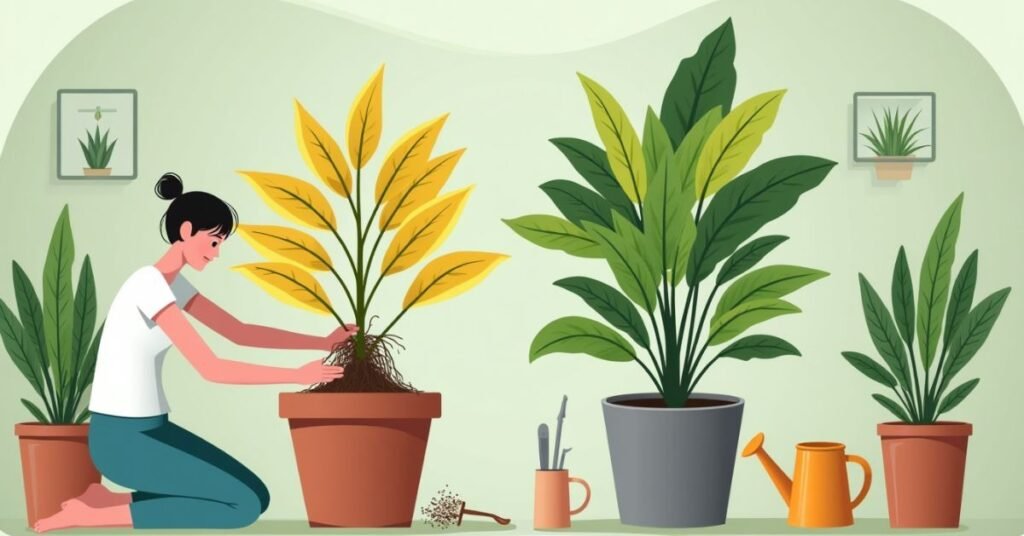
Even hardy aroids face occasional health issues inside your home. You will usually notice problems through changes in the leaves or stems. Most of these struggles come from simple mistakes like overwatering or poor lighting. If you catch these signs early, you can easily save your plant and help it bounce back.
You can fix most aroid troubles by adjusting your care routine. Always check the soil moisture and look under the leaves for any unwelcome guests. Moving your plant to a better spot often solves growth issues within a few weeks. Keep an eye out for these common signs and use these quick fixes:
- Yellow Leaves: This usually means you are watering too often. Let the soil dry out more before the next drink.
- Brown, Crispy Edges: Your air is likely too dry. Move the plant away from heaters or use a humidifier.
- Drooping Stems: The plant is probably thirsty. Give it a thorough soak until water drains from the bottom.
- Small, Pale Leaves: Your aroid needs more light. Move it closer to a window with bright, indirect sun.
- Sticky Residue or Webs: These signal pests like spider mites or mealybugs. Wipe the leaves with soapy water or neem oil.
Why Aroid Plant Leaves Turn Yellow or Brown
Yellow leaves often signal that you are giving your plant too much water. When the soil stays soggy for too long, the roots cannot breathe and begin to struggle. This stress shows up first as a fading green color that eventually turns bright yellow. Sometimes, a lack of nutrients or very low light can also cause the older leaves to lose their color.
Brown leaves usually point to a problem with moisture or humidity. If the edges feel crispy and dry, your indoor air is likely too parched for a tropical plant. Dark, mushy brown spots can indicate a more serious issue like root rot from overwatering. Occasionally, direct hot sunlight will scorch the foliage and leave behind unsightly brown burn marks.
Read More Information|https://plantsopedia.com/snake-plant-care-made-easy/
How to Fix Root Rot in Aroid Plant Quickly
You must act fast when you notice mushy stems or a foul smell coming from the soil. Start by gently removing the plant from its pot and shaking off the old dirt. Rinse the roots under lukewarm water to see the damage clearly. Healthy roots feel firm and look white or tan, while rotted roots look black and feel slimy.
Use a clean pair of scissors to snip away every bit of the dark, mushy root material. Dip the remaining healthy roots in a mix of water and a little hydrogen peroxide to kill any lingering fungus. Replant your aroid in a fresh, chunky soil mix and a clean pot with plenty of drainage. Hold off on watering for a few days to let the roots heal and settle into their new home.
FAQs
Q1. What is an aroid plant?
An aroid plant belongs to the Araceae family and grows mostly as indoor or tropical plants with attractive leaves.
Q2. Do aroid plants need direct sunlight?
Aroid plants grow best in bright, indirect light and get damaged in harsh direct sunlight.
Q3. How often should I water an aroid plant?
You should water an aroid plant when the top soil feels dry, usually once or twice a week.
Q4. What soil works best for aroid plants?
Aroid plants grow well in airy, well-draining soil mixed with perlite, bark, and peat.
Q5. Why are my aroid plant leaves turning yellow?
Overwatering or poor drainage often causes yellow leaves in aroid plants.
Conclusion
Growing aroids brings a refreshing touch of the tropics into your daily life. You don’t need a green thumb or a fancy greenhouse to enjoy these stunning plants. Their tough nature and beautiful leaves make them the perfect companions for any indoor space. Once you start your collection, you will likely find yourself looking for more varieties to fill your home.
Take things one step at a time and watch how your plants respond to your care. Every new leaf is a small victory that makes your environment feel more alive. Don’t worry if you make a few mistakes along the way, as these plants are very forgiving. Enjoy the process of learning and let your indoor jungle grow alongside you.

Jack Rivers is the founder of Plantsopedia, dedicated to making plant care simple, science-backed, and accessible for everyone. With a deep interest in botanical care and plant psychology, he specializes in rare tropical species and organic growth techniques, helping enthusiasts understand the soil, light, and biology behind every thriving plant. When he’s not experimenting with new propagation methods, Jack is busy turning complex horticultural science into practical, everyday advice for home gardeners