Introduction
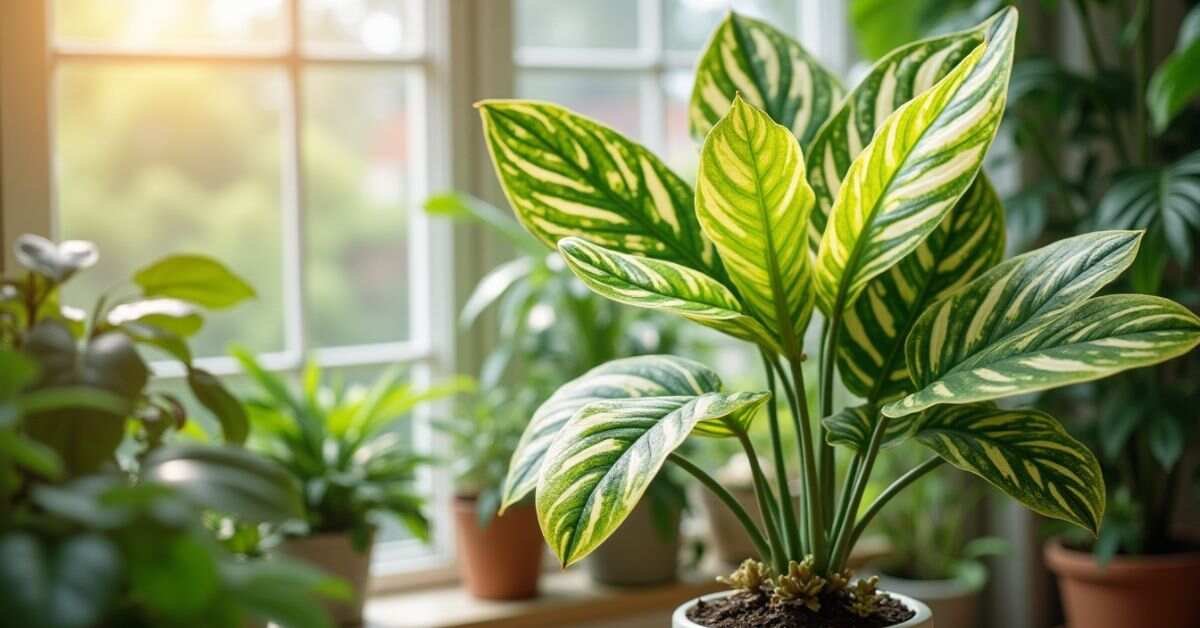
Most house plants have solid green leaves. Variegated plants are different because they feature multiple colors on a single leaf. These patterns happen when certain parts of the plant lack chlorophyll, the natural chemical that makes plants green. This creates beautiful splashes of white, yellow, cream, or even pink across the foliage.
Are you tired of looking at the same basic greenery in every corner of your home? It is time to level up your decor with something truly eye-catching. These plants aren’t just decorations; they are living pieces of art. Adding a variegated variety can instantly turn a dull bookshelf into a vibrant focal point that everyone will notice.
In this guide, we will explore some of the most popular and hardy variegated species you can grow. From the classic marbled Pothos to the striking patterns of the Monstera, there is a perfect match for every lighting situation. You will learn which types are the easiest to care for and how to keep those unique colors looking bright all year long.
Variegated Plants: Easy Guide for Beginners
Starting a plant collection can feel overwhelming, but variegated plants are a great place to begin. These plants are special because their leaves have mixed colors like white, gold, or silver. Because they have less green surface area, they usually need a little more light than solid green plants. Just place them near a bright window, and they will be very happy.
The best part about these plants is that they tell you what they need. If the leaves start turning solid green, it usually means the plant needs more sunshine to keep its patterns. You don’t need to be an expert to grow them successfully. With a simple watering routine and a bright spot in your room, these colorful beauties will thrive and grow quickly.
What Are Variegated Plants?
Variegated plants are unique because their leaves have more than one color. Instead of being all green, you might see stripes, dots, or patches of white, yellow, or pink. This happens because some parts of the leaf do not have chlorophyll. Since chlorophyll is what makes plants green, these “empty” spots show off beautiful, bright patterns instead.
In nature, these patterns can happen by a lucky accident or through careful breeding. Some plants have these colors in their DNA, while others might change based on how much light they get. Even though they look fancy, they work just like regular plants. They add a splash of natural art to your home and make your indoor garden look much more exciting.
Types of Variegated Plants You Can Grow
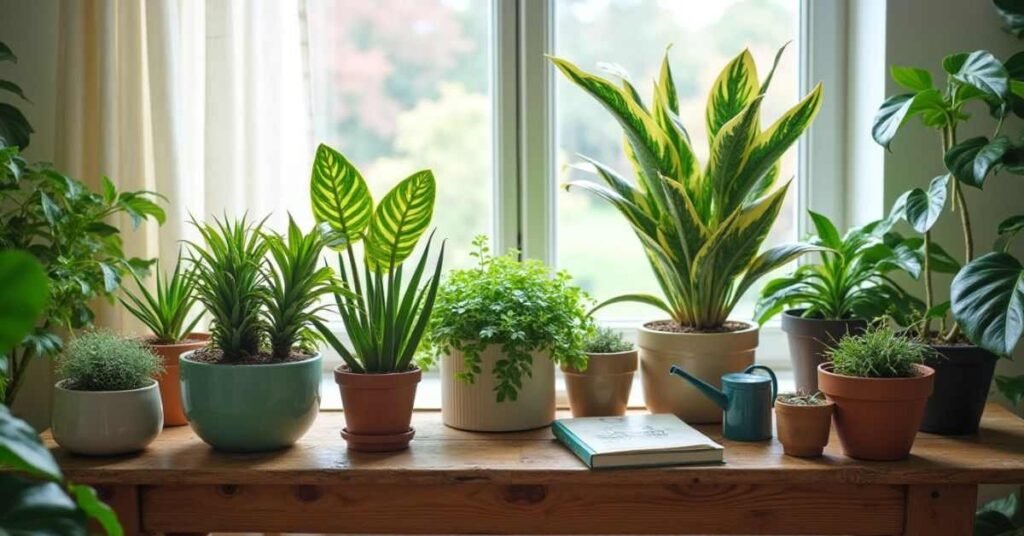
There are many different kinds of variegated plants that look amazing in any home. Some have small white dots that look like stars, while others have large yellow stripes. You can find these patterns on climbing vines, tall trees, or even tiny succulents. Choosing the right one depends on how much space you have and how much light your room gets.
Many popular house plants have variegated versions that are very easy to handle. These varieties are often just as tough as the regular green ones. If you want to add some color to your collection, here are a few great options to start with:
- Marble Queen Pothos: This vine has heart-shaped leaves with beautiful white and green swirls.
- Snake Plant Laurentii: This tall plant features stiff leaves with bright yellow edges.
- Spider Plant: A classic choice with long, thin leaves that have a white stripe down the middle.
- Variegated Rubber Tree: This plant has thick, shiny leaves with splashes of cream and pink.
Indoor Variegated Plants
Growing variegated plants indoors is a fun way to decorate your living space. These plants act like natural pieces of art on your shelves or desks. Most indoor varieties stay compact and are happy in pots. They bring a fresh, bright energy to any room that feels a bit too plain or dark.
To keep these plants looking their best, you just need to find the right balance of light. Since they have less green in their leaves, they love bright, indirect sunshine. This helps them keep their unique colors from fading away. If you want to start your own indoor jungle, here are some excellent choices:
- Aglaonema (Chinese Evergreen): This plant has stunning silver and green patterns and survives well in lower light.
- Variegated Peace Lily: It features dark green leaves with elegant white streaks and produces pretty white flowers.
- Calathea Zebrina: This one is famous for its bold, zebra-like stripes that look almost painted on.
- Hoya Carnosa Krimson Queen: A beautiful trailing plant with thick leaves edged in white and pink.
Outdoor Variegated Plants
Adding variegated plants to your garden makes your outdoor space look more lively. These plants stand out in a sea of green because of their bright leaf patterns. They are perfect for lighting up dark corners or adding contrast to your flower beds. Most outdoor types are very hardy and can handle the changing weather throughout the seasons.
When planting them outside, it is important to check their sunlight needs. Some variegated plants love the full sun, while others prefer sitting in the shade of a large tree. Keeping them in the right spot ensures their colors stay vivid and do not get scorched by the heat. Here are some great variegated options for your yard:
- Hostas: These are famous for the shade and come in many sizes with white or gold edges.
- Variegated Euonymus: This is a tough shrub that keeps its gold and green leaves all year long.
- Hydrangea Macrophylla: Some types have beautiful variegated leaves that look great even when the flowers are gone.
- Ornamental Grasses: Many garden grasses have white stripes that move beautifully in the wind.
Best Variegated Plants for Home
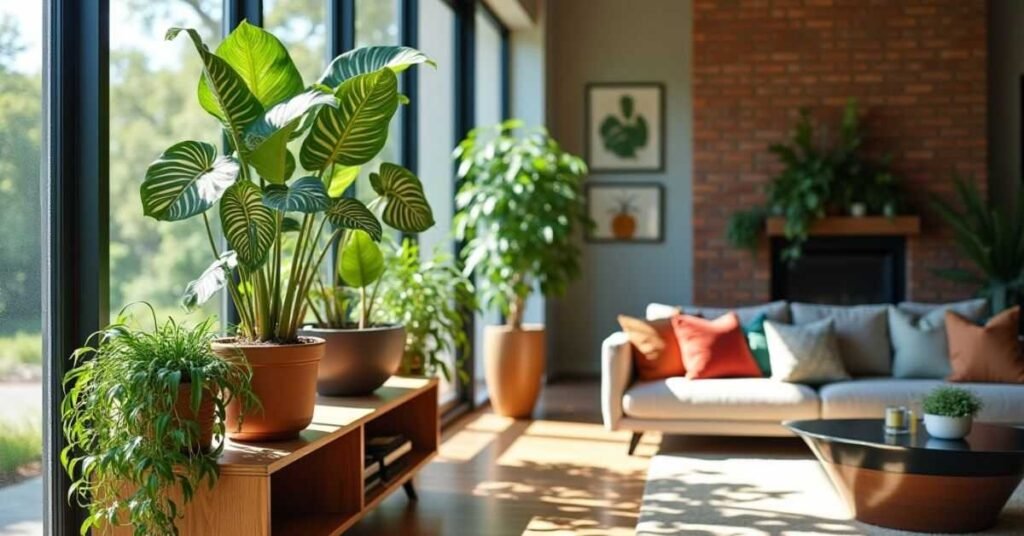
Finding the best variegated plants for your home is an exciting way to refresh your space. These plants are popular because they offer more visual interest than standard green ones. They fit perfectly on windowsills, coffee tables, or hanging in a sunny corner. Most of these top choices are loved because they look high-end but are actually very simple to keep alive.
The best home varieties are those that can handle indoor life without much trouble. Many of these plants are famous for their ability to thrive in common household conditions. Whether you want a small desk plant or a tall floor tree, there is a variegated option that will suit your style. Here are some of the best picks for your home:
- Philodendron Birkin: This plant is a home favorite for its crisp white pinstripes on dark green leaves.
- Golden Pothos: It is incredibly hardy and features lovely splashes of yellow and cream.
- Variegated Rubber Plant (Tineke): This one looks like a painting with its mix of green, cream, and pink tones.
- Marble Queen Pothos: Known for its heavy white marbling, it is one of the easiest trailing plants to grow.
- Spider Plant ‘Bonnie’: A fun choice with curly leaves and bright white stripes that is safe for pets.
Variegated Plants Care Tips Made Simple
Caring for variegated plants is easy once you understand their basic needs. The most important thing to remember is that these plants need more light than solid green ones. Because the white or yellow parts of the leaves cannot produce energy, the green parts have to work harder. Placing your plant in a bright spot with indirect sunlight will keep it healthy and vibrant.
Watering is also key to keeping your colorful plants happy. Most variegated varieties like their soil to dry out slightly before getting a fresh drink. If you give them too much water, their roots might suffer, and the beautiful patterns could start to fade. To help your plants truly thrive, follow these simple tips:
- Bright Light: Keep them near a window where they get plenty of light but not direct hot sun.
- Check the Soil: Stick your finger an inch into the soil; if it feels dry, it is time to water.
- Clean the Leaves: Gently wipe the leaves with a damp cloth to remove dust so they can breathe better.
- Watch the Colors: If new leaves come out completely green, try moving the plant to a brighter location.
- Stable Temperature: Keep your plants away from cold drafts or very hot heaters.
Light Needs for Variegated Plants
Light is the most important factor for keeping variegated plants healthy. The colorful parts of the leaves, like the white and yellow spots, do not have chlorophyll. This means those parts cannot turn sunlight into food for the plant. Because of this, variegated plants need extra light to make enough energy to grow strong and stay beautiful.
If your plant does not get enough light, it might lose its pretty patterns. This is called “reverting,” where the plant turns solid green to survive. On the other hand, too much direct sun can burn the delicate light-colored parts of the leaves. Finding the perfect balance will keep your indoor garden looking bright and colorful.
- Bright Indirect Light: This is usually the best choice. A spot near a window with a sheer curtain is perfect.
- Morning Sun: Soft morning light is great, but avoid the harsh afternoon sun.
- Rotate Your Plant: Turn your pot every week so all sides of the plant get equal light.
- Artificial Lights: If your room is dark, you can use a simple LED grow light to help them out.
- Watch for Green Leaves: If new growth is only green, move your plant to a brighter spot immediately.
How to Keep Variegated Plants Bright
Keeping your plants bright and colorful is all about giving them the right environment. Since the lighter parts of the leaves are delicate, they need a steady supply of good light to stay vibrant. If the plant feels it is starving for energy, it will start making more green to survive. A little extra attention to their daily light and cleanliness goes a long way in preserving those stunning patterns.
The best way to maintain those colors is to act quickly when you see changes. If you notice a leaf turning completely green, it is often a sign the plant needs a more sunny home. Regular care and a clean surface help the plant soak up every bit of energy it can. Here are some easy steps to keep your variegated plants looking their best:
- Maximize Light: Place your plants in the brightest spot of your room without letting the hot sun touch the leaves.
- Keep Leaves Clean: Gently wipe away dust with a soft, damp cloth so the leaves can absorb more light.
- Snip Solid Green Growth: If a stem grows only green leaves, cut it back to encourage the colorful patterns to return.
- Use a Grow Light: During dark winter months, a small LED plant light can help keep the colors from fading.
- Feed Occasionally: Use a gentle plant food during the growing season to give the plant the strength it needs.
Rare Variegated Plants to Try
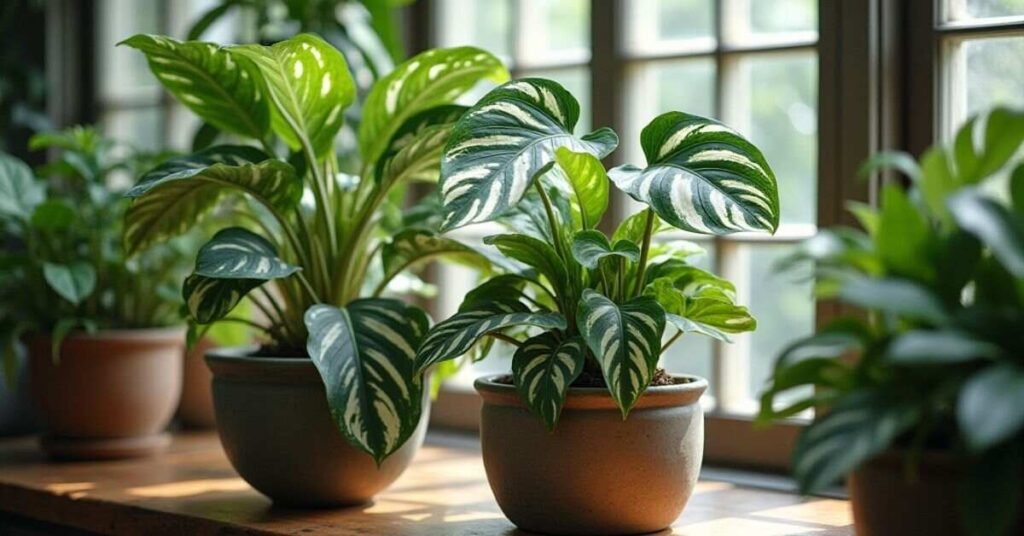
If you are looking for something truly special, rare variegated plants are a great choice. These plants are harder to find and often have unique patterns that look like white marble or bright paint splashes. Because they are uncommon, they are often the stars of any plant collection. Collectors love them because no two leaves look exactly the same.
Keep in mind that rare plants sometimes need a bit more care than regular ones. They often grow a little slower because their leaves have so much white or yellow. If you have some experience and want a beautiful challenge, these rare varieties are worth the effort. Here are some stunning rare plants to look for:
- Variegated Monstera Deliciosa: This famous plant has large leaves with huge patches of bright white.
- Philodendron Pink Princess: It is loved for its dark green leaves that feature streaks of bubblegum pink.
- Variegated Alocasia Frydek: This plant has velvety dark leaves with crisp, snowy white variegation.
- Monstera Thai Constellation: Its leaves look like a starry night sky with tiny cream-colored dots and splashes.
- Variegated Florida Ghost: The new leaves on this plant often start out completely white before turning green.
Common Problems in Plants
Even though variegated plants are beautiful, they can sometimes run into trouble. One common issue is that the white or yellow parts of the leaves are very sensitive. These areas can turn brown or crispy if the air is too dry or the sun is too hot. Because these spots don’t have chlorophyll, they are the first parts of the plant to show signs of stress.
Another problem is when your plant starts to lose its colors and turns completely green. This is the plant’s way of trying to get more energy when it feels weak. You might also notice that these plants grow much slower than your other greenery. Keeping a close eye on their leaves will help you catch these problems early.
Problems in Plants
| Problem | What it Looks Like | Why it Happens | How to Fix It |
| Reverting | New leaves are solid green with no patterns. | The plant needs more light to make food. | Move it to a brighter spot with indirect sun. |
| Brown Edges | The white or light parts turn crispy and brown. | The air is too dry or the sun is burning them. | Use a humidifier or move it away from direct sun. |
| Slow Growth | The plant barely grows any new leaves. | Less green means less energy for the plant. | Be patient and provide gentle plant food in spring. |
| Root Rot | Leaves turn yellow and feel mushy or soft. | There is too much water in the plant. | Make sure your pot has holes and the soil is well-draining. |
| Pests | Small webs or tiny spots on the leaves. | Bugs like spider mites love hiding in patterns. | Wipe leaves with neem oil or soapy water. |
| Fading Colors | The bright yellow or white looks dull and pale. | The plant might be getting too much harsh light. | Move it a few feet back from the window. |
| Leaf Drop | Healthy-looking leaves fall off suddenly. | Major changes in temperature or cold drafts. | Away from heaters and AC vents. |
Where to Buy Variegated Plants Online
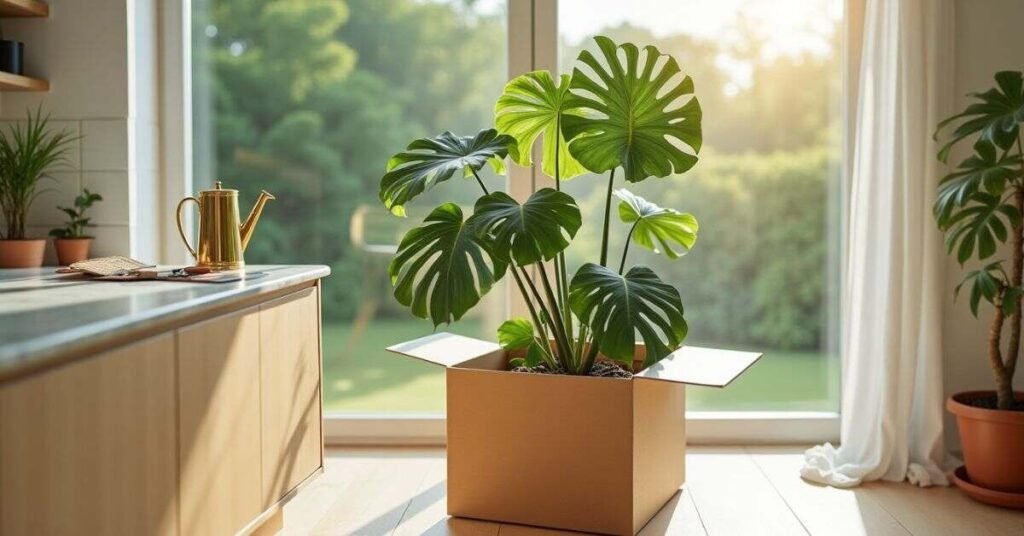
Buying variegated plants online is a great way to find unique and rare varieties. Many online nurseries specialize in colorful plants and can ship them right to your door. When you shop online, you can often find better deals and a much larger selection than at a local store. Most sellers use special packaging to make sure your new plant arrives safe, healthy, and ready to grow.
To have the best experience, it is important to choose reputable shops with good reviews. Look for websites that show actual photos of the plants so you know exactly what the patterns look like. Many top-rated nurseries also offer expert support to help you after your plant arrives. Here are some of the best places to find variegated plants online:
- Gulab.pk: A top choice for healthy indoor and outdoor plants with fast delivery options.
- Logee’s Plants: Known for a massive collection of rare tropicals and stunning variegated species.
- Steve’s Leaves: They grow most of their plants in-house and are famous for high-quality, exotic varieties.
- Daraz: A convenient place to find a wide range of common variegated plants at affordable prices.
- Plant Delights Nursery: Perfect for finding unique and hardy perennials that add color to your garden.
Conclusion
Adding variegated plants to your home is a wonderful way to bring more life and color indoors. These plants are truly unique because no two leaves look exactly the same. While they might need a little extra light to stay bright, the effort is well worth it. You will love seeing the beautiful patterns of white, yellow, and pink grow and change over time.
Don’t be afraid to start your own colorful collection today. Whether you choose an easy-to-grow Pothos or a rare Monstera, these plants will definitely spark joy in your daily life. They turn any simple room into a vibrant, natural art gallery. With just a bit of love and the right spot in the sun, your variegated plants will thrive for years to come.
FAQs
Q1. Do variegated plants need more sunlight than green plants?
Yes, they usually need more bright, indirect light. Since they have less green in their leaves, they need extra sun to make enough food.
Q2. Can a variegated plant turn completely green again?
Yes, if the plant doesn’t get enough light, it might grow solid green leaves to survive. This is called reverting.
Q3. Are variegated plants harder to grow?
They are slightly more sensitive to light and water, but most are still very easy for beginners. They just need a bit more attention to their bright spot.
Q4. Why are the white parts of my plant turning brown?
The white parts are very delicate and can burn in direct sun or turn brown if the air is too dry. Keeping the humidity up can help.
Q5. Are variegated plants more expensive?
Common types like the Pothos are very affordable, but rare varieties can cost more because they grow slower and are harder to find.

Jack Rivers is the founder of Plantsopedia, dedicated to making plant care simple, science-backed, and accessible for everyone. With a deep interest in botanical care and plant psychology, he specializes in rare tropical species and organic growth techniques, helping enthusiasts understand the soil, light, and biology behind every thriving plant. When he’s not experimenting with new propagation methods, Jack is busy turning complex horticultural science into practical, everyday advice for home gardeners