Introduction
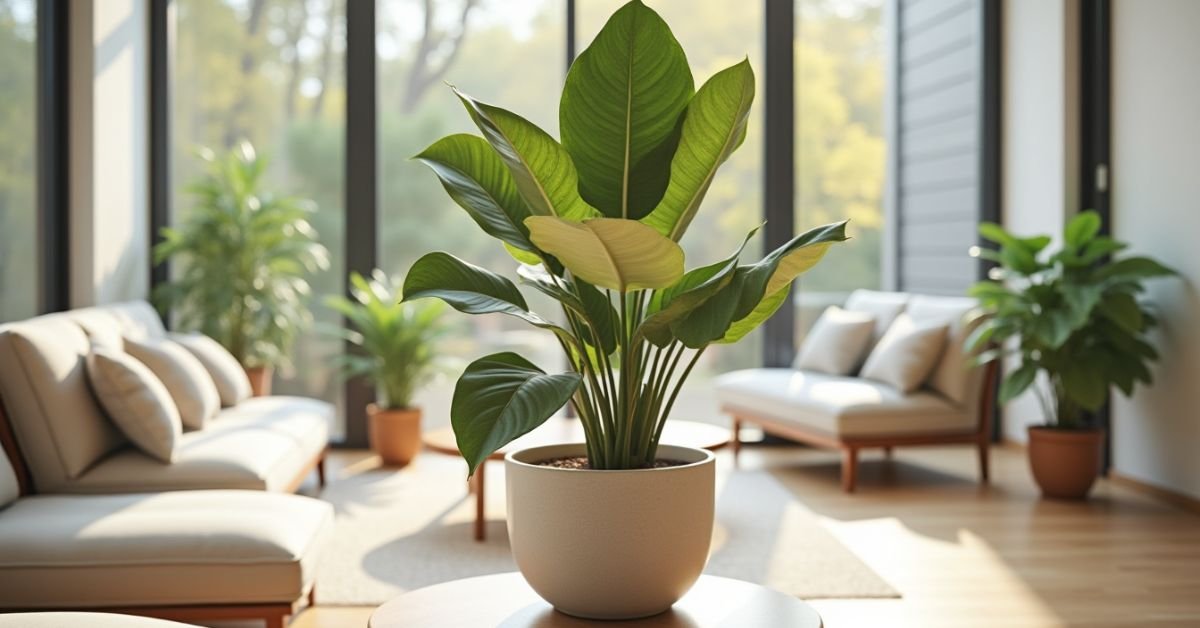
The Variegated Rubber Plant is a striking indoor tree. Botanists call it Ficus elastica. This plant features thick, glossy leaves with beautiful patterns of cream, yellow, and green. It grows well indoors and adds a splash of tropical color to any room.
Are you tired of dull, empty corners in your living room? Most people buy expensive artwork to fix this problem, but a single Variegated Rubber Plant can transform your space instantly. Its bold, painted leaves draw the eye and create an immediate focal point that guests will notice the moment they walk in.
Beyond its great looks, this plant offers incredible practical benefits for your home decoration. It fits perfectly into modern, minimalist, or bohemian design styles. It also grows tall quite quickly, giving you an affordable way to add natural height and structure to your indoor design layout.
Variegated Rubber Plant Care Guide
Caring for this plant is simple if you follow a few basic rules. It thrives in bright, indirect sunlight, which keeps the creamy leaf patterns vibrant. Direct hot sun can scorch the beautiful foliage, while too much shade makes the colors fade back to solid green. You should water the plant only when the top two inches of soil feel completely dry.
To keep your plant healthy and thriving, focus on these essential requirements:
- Soil: Use a well-draining potting mix with plenty of perlite to prevent soggy roots.
- Temperature: Maintain a warm indoor environment between 65°F and 85°F.
- Humidity: Mist the leaves occasionally or use a humidifier to mimic its native tropical home.
- Cleaning: Wipe the broad leaves with a damp cloth every month to remove dust and help the plant breathe.
Overwatering presents the biggest danger to your Variegated Rubber Plant. Always check the moisture level with your finger before you add water. If you notice yellowing leaves that drop off easily, reduce your watering frequency immediately.
Best Light for Variegated Rubber Plant
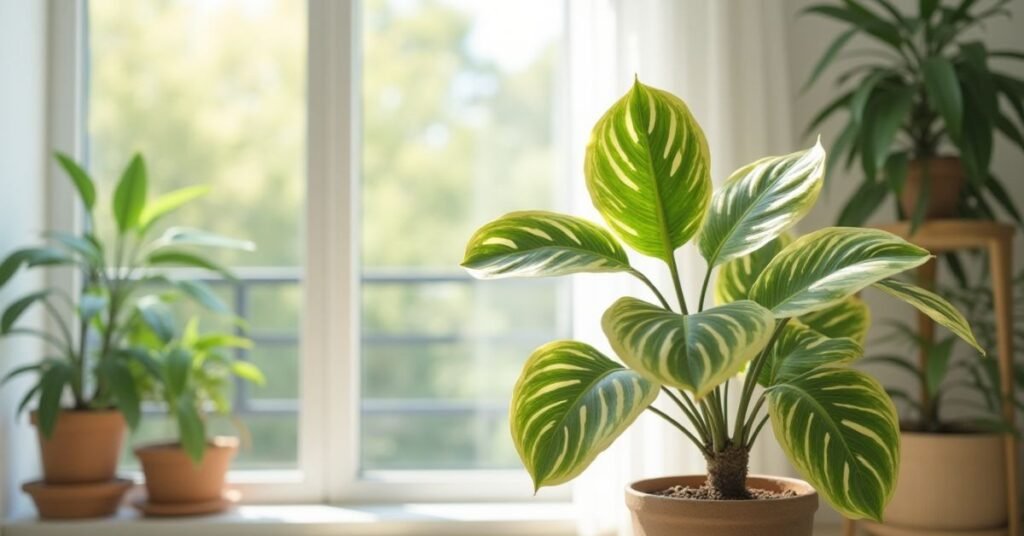
Bright, indirect sunlight provides the absolute best energy for your Variegated Rubber Plant. Place the plant near a large window where natural light floods the room. An eastern or western window works beautifully because it offers plenty of brightness without intense heat. This steady, soft light helps the plant produce food efficiently and maintain its beautiful leaf patterns.
Too much direct afternoon sun will quickly burn the delicate cream patches on the leaves. On the other hand, deep shade will cause the plant to lose its variegation entirely, turning the new leaves solid green. If you notice your plant growing leggy or stretching toward the nearest light source, move it to a brighter spot immediately.
Bright Light Tips for Better Variegation
You must provide the right balance of light to keep the cream and yellow patterns vibrant. Low light forces the plant to produce more chlorophyll, which turns the leaves solid green. To stop this from happening, place your plant in the brightest spot in your room.
Follow these simple tips to get the brightest, most beautiful colors on your leaves:
- Filter the Sun: Use a sheer curtain on southern or western windows to block harsh, burning rays.
- Rotate the Pot: Turn the plant a quarter-turn every week so all sides get equal sunlight.
- Watch the Distance: Keep the plant about two to three feet away from hot window glass.
- Use Artificial Light: Add a LED grow light during dark winter months to maintain the bright colors.
If your plant starts growing smaller, completely green leaves, it is crying out for more light. Move it closer to a window immediately to restore its beautiful variegation.
Signs Your Plant Needs More Light
Your Variegated Rubber Plant will quickly show you when it feels starved for light. First, the vibrant cream and yellow patterns will begin to fade away. The plant starts producing more green pigment to catch every bit of weak sunlight. You will also notice the new leaves growing much smaller than the older ones.
Eventually, the stems will stretch out and look thin or “leggy” as they reach toward the nearest window. The plant might even stop growing completely and shed its lower leaves. If you see these changes, move your plant to a brighter spot immediately to save its beautiful colors.
How to Water Variegated Rubber Plant
Watering your Variegated Rubber Plant correctly prevents the dreaded root rot. This plant hates sitting in soggy soil, so you must let the dirt dry out between waterings. Always test the moisture level with your finger rather than following a strict calendar schedule. In the spring and summer, the plant drinks quickly, but it needs much less water during the dark winter months.
Follow this simple routine to water your plant perfectly every time:
1.Check the soil moisture:
Push your index finger two inches deep into the topsoil to ensure it feels completely dry.
2.Pour water evenly:
Pour lukewarm water over the soil until it runs out of the pot’s bottom drainage holes.
3.Empty the saucer:
Wait fifteen minutes, then dump out any standing water from the saucer under the pot.
Never let your plant sit in stagnant water, as this suffocates the roots. If you see yellowing leaves or a musty smell from the soil, stop watering immediately and let the pot dry completely.
Best Soil for Variegated Rubber Plant
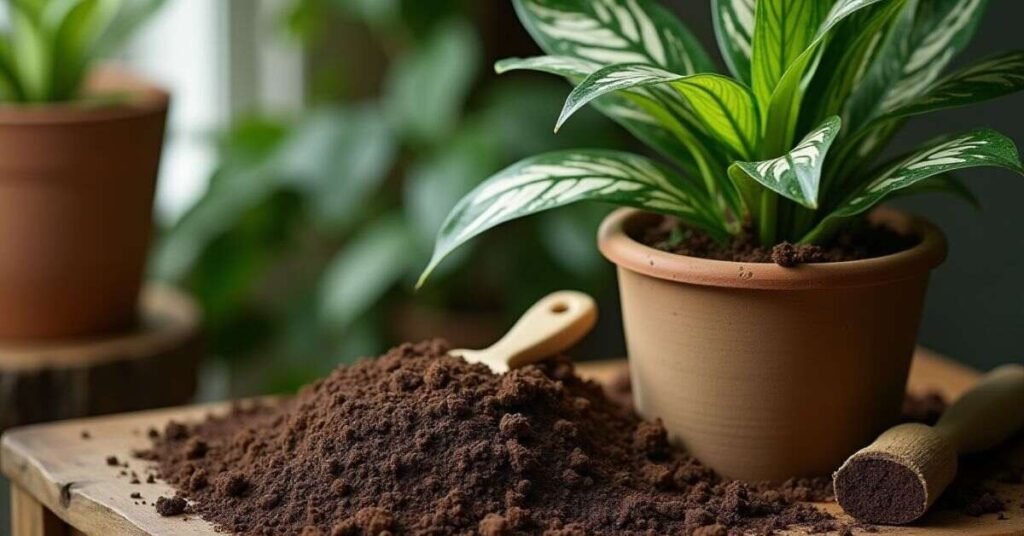
Your Variegated Rubber Plant needs a lightweight, chunky soil mix to thrive. Regular garden soil holds too much water and smothers the roots, which quickly causes root rot. A great mix drains water away rapidly but keeps just enough moisture to hydrate the plant. You can easily create the perfect environment by mixing standard potting soil with coarse ingredients like perlite and orchid bark.
This specific combination allows the roots to breathe and grow deep into the pot. The chunky materials create small air pockets in the dirt, which mimics the plant’s natural tropical habitat. When you water, the liquid should flow straight through the mix and empty out of the drainage holes within seconds.
| Ingredient | Purpose | Ideal Amount | Benefit to Plant |
| Standard Potting Soil | Base material | 50% | Provides essential nutrients and anchors the roots |
| Perlite | Drainage | 20% | Creates air pockets and prevents soil compaction |
| Orchid Bark | Aeration | 20% | Mimics tropical forest floor and holds chunky structure |
| Peat Moss or Coco Coir | Moisture retention | 10% | Holds just enough water without getting soggy |
Variegated Rubber Plant Propagation Tips
Propagating your Variegated Rubber Plant allows you to grow brand new plants for free. The easiest method uses a stem cutting from a healthy, mature branch. You should always wear gloves during this process because the plant leaks a thick, sticky white sap that can irritate your skin. Spring or early summer provides the best time to start because the warm weather boosts root growth.
Follow these simple steps to propagate your stem cutting successfully:
- Cut the stem: Use a sharp, clean knife to cut a six-inch stem piece just below a leaf node.
- Wash the sap: Rinse the cut end under cool water to stop the sticky white sap from leaking.
- Let it dry: Place the cutting on a paper towel for a few hours so the wound forms a callus.
- Plant in soil: Dip the end in rooting hormone and push it into a small pot filled with damp perlite and soil.
- Cover and warm: Place a clear plastic bag over the cutting to trap humidity and keep it in bright, indirect light.
New roots will usually form within four to six weeks. You can gently tug the stem to check for resistance, which means the roots have anchored into the soil. Once the root system grows strong, remove the plastic cover and treat your new creation like a normal houseplant.
Common Variegated Rubber Plant Problems
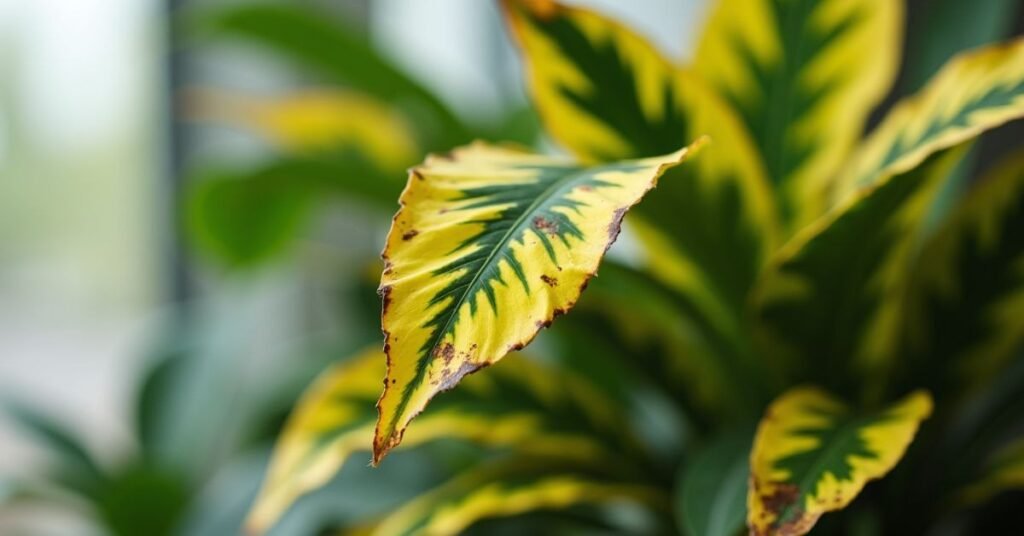
Even experienced plant parents encounter issues with their Variegated Rubber Plant from time to time. Most problems happen because the plant receives incorrect amounts of water or light. You can easily fix these issues if you spot the warning signs early. Your plant communicates its health through its leaves, so watch them closely every week.
Look out for these common warning signs and their causes:
- Dropping lower leaves: This usually signals overwatering or a sudden temperature drop.
- Brown, crispy leaf edges: Low humidity or dry soil causes this unsightly damage.
- Fading cream patterns: The plant needs more bright, indirect sunlight.
- A sticky residue on stems indicates an active pest infestation, such as mealybugs or scale.
Large, glossy leaves are perfect hiding places for pests. Check these hidden spots regularly so you can catch bugs before they multiply. To protect your plant, wipe the leaves immediately with insecticidal soap or neem oil if you find any insects.
Brown Spots on Variegated Rubber Plant
Brown spots on your Variegated Rubber Plant usually scream for immediate attention. Large, soft brown spots in the center of the leaves mean you are overwatering the plant. The roots are suffocating in soggy soil, and fungal diseases are attacking the foliage. If the spots look dark and mushy, check the soil moisture immediately because root rot has likely started.
On the other hand, small, crispy brown spots on the edges point to a completely different issue. This dryness means your room has low humidity or the plant is getting sunburned. Direct sunlight cooks the delicate cream sections of the leaves very quickly. Move your plant away from harsh windows and trim the dead, brown parts to keep the plant looking beautiful.
Why Variegated Rubber Plant Leaves Drop
Your Variegated Rubber Plant drops its leaves when it experiences sudden stress. Overwatering stands as the most common reason for this frustrating problem. When the roots sit in stagnant water for too long, they suffocate and stop working. The plant can no longer feed itself, so it sheds its perfectly good lower leaves to save energy.
Sudden environment changes will also cause immediate leaf drop. Cold drafts from air conditioners or open windows shock the plant very quickly. Moving your pot to a completely new room can trigger the same dramatic reaction. Find a permanent, warm spot for your plant and keep the soil slightly dry to stop the leaves from falling.
Tips for Growing Variegated Rubber Plants Indoors
You can easily grow a spectacular Variegated Rubber Plant indoors by replicating its natural tropical home. Place your pot in a warm room away from cold drafts, heating vents, and air conditioners. This plant hates sudden temperature shifts, so a stable environment keeps it happy. You should also wipe the massive leaves with a damp microfiber cloth every few weeks to remove dust and maximize photosynthesis.
Choosing the right container will also determine your success indoors. Always pick a pot that features large drainage holes at the bottom so excess water can escape freely. If you want to encourage vertical growth, insert a sturdy moss pole or bamboo stake into the soil for support. As the plant climbs higher, it will develop larger, more vibrant leaves that instantly elevate your room’s decor.
Read More Information | https://plantsopedia.com/plants-for-betta/
Variegated Rubber Plant Humidity and Temperature
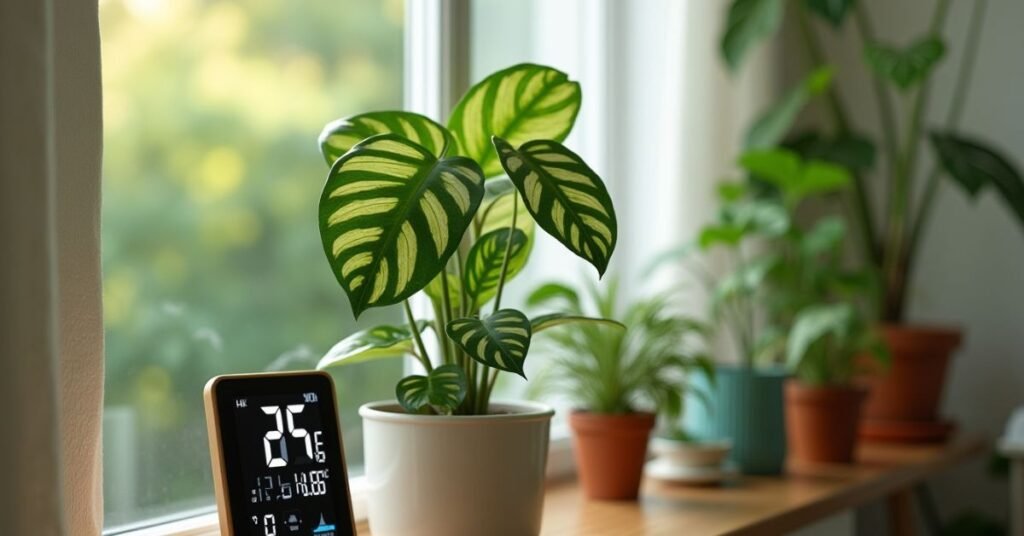
Your Variegated Rubber Plant thrives in warm, humid spaces because it comes from tropical rainforests. It grows best when you maintain standard household temperatures between 65°F and 85°F. You must protect the plant from freezing weather and sudden chilly drafts, as cold temperatures shock the roots. If the room drops below 55°F, the plant will stop growing and drop its leaves very quickly.
High humidity also plays a massive role in keeping the colorful foliage lush and glossy. The plant prefers a humidity level above 50% to prevent the delicate cream edges from turning crispy and brown. If your indoor air feels dry, you can easily boost the moisture around the plant. Grouping your houseplants together or placing a small humidifier nearby creates the perfect tropical microclimate.
| Environmental Factor | Ideal Range | Dangerous Range | Common Problem | Easy Solution |
| Daytime Temperature | 70°F to 85°F | Above 95°F | Wilting and sunburn | Move away from hot glass |
| Nighttime Temperature | 65°F to 70°F | Below 55°F | Leaf drop and stunting | Keep away from cold windows |
| Humidity Level | 50% to 60% | Below 30% | Brown, crispy leaf tips | Use a pebble tray or humidifier |
| Air Circulation | Gentle breeze | Harsh drafts | Sudden leaf loss | Move away from AC vents |
FAQs
Q1: Is the Variegated Rubber Plant toxic to household pets?
Yes, the plant secretes a milky white sap that contains compounds toxic to both dogs and cats. Keep this plant far out of reach to prevent skin irritation or stomach upset in your pets.
Q2: How often should I fertilize my Variegated Rubber Plant?
Feed your plant once a month during the spring and summer using a balanced liquid houseplant fertilizer diluted to half strength. Stop feeding completely during the fall and winter months when growth slows down naturally.
Q3: Can I grow a Variegated Rubber Plant completely outdoors?
You can only grow this plant outdoors if you live in a warm, frost-free tropical climate. In colder regions, you must keep it indoors as a houseplant to protect it from freezing winter temperatures.
Q4: Why are the new leaves on my plant turning solid green?
Your plant is likely reverting to solid green because it needs more bright, indirect sunlight. Move the pot closer to a window so the plant can receive enough light to maintain its beautiful cream and yellow variegation.
Q5: How do I know when it is time to repot my plant?
You need to repot your plant when you see roots growing out of the bottom drainage holes or circling the top soil. Choose a new container that measures two inches wider than the current pot to give the roots more room to expand.
Conclusion
The Variegated Rubber Plant makes a truly fantastic addition to any indoor space. It combines striking tropical beauty with very simple care requirements. By providing bright indirect light, watering carefully, and maintaining a warm room, you will keep this stunning plant happy for many years. It rewards your minimal effort by growing tall and introducing vibrant colors into your daily life.
Ultimately, bringing this plant into your home elevates your decor and connects you with nature. It purifies your indoor air while acting as a gorgeous, living piece of art. If you want an easy way to transform a dull room, buy a Variegated Rubber Plant today and watch your living space come alive.

Jack Rivers is the founder of Plantsopedia, dedicated to making plant care simple, science-backed, and accessible for everyone. With a deep interest in botanical care and plant psychology, he specializes in rare tropical species and organic growth techniques, helping enthusiasts understand the soil, light, and biology behind every thriving plant. When he’s not experimenting with new propagation methods, Jack is busy turning complex horticultural science into practical, everyday advice for home gardeners