Introduction
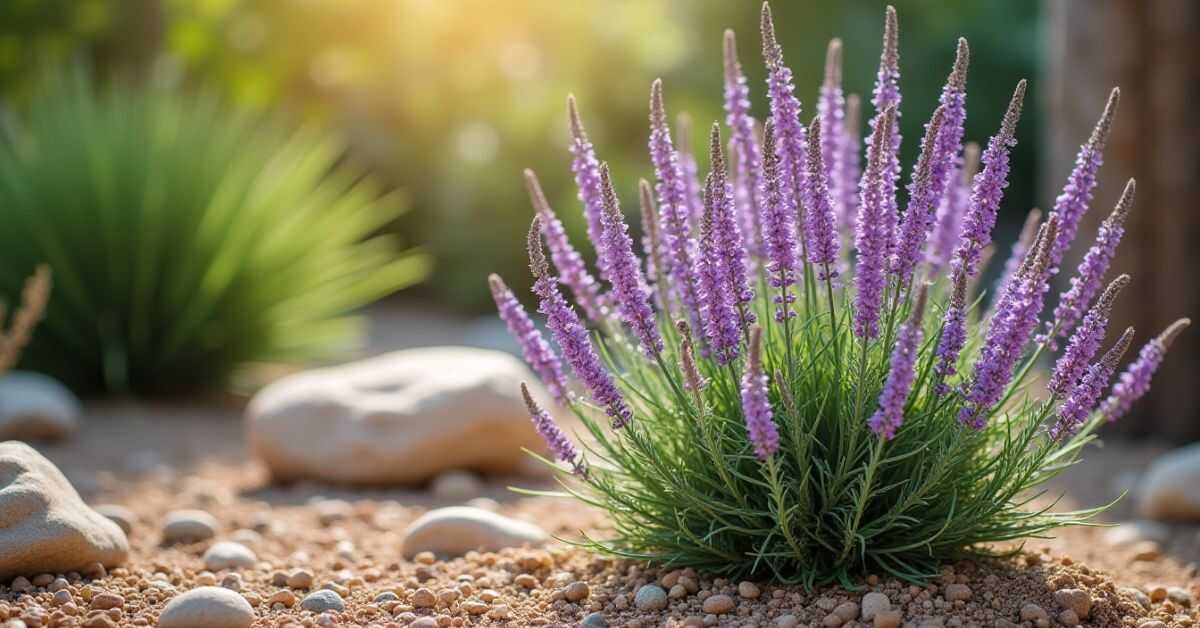
The Texas Ranger plant (also called Leucophyllum frutescens or Texas Sage) is a tough, evergreen shrub native to the Chihuahuan Desert. This hardy plant features silvery-green leaves and explodes with vibrant purple or pink flowers throughout the summer. Desert gardeners love it because it thrives in extreme heat and needs very little attention once you establish it.
Imagine a plant that actually bursts into full bloom right after a heavy thunderstorm. The Texas Ranger does exactly that, earning it the nickname “barometer bush” because it responds to changes in humidity. If you want a stunning splash of color in your yard without skyrocketing your water bill, this shrub makes the perfect choice.
To keep your Texas Ranger healthy and full of blossoms, you just need to mimic its natural desert home. This guide breaks down the essential tips for light, water, soil, and pruning. By following a few simple rules, you will help this low-maintenance beauty thrive for years.
What Is a Texas Ranger Plant?
The Texas Ranger is a beautiful desert shrub. People also call it Texas Sage or silverleaf. It grows wild in the hot, dry regions of Texas and Mexico. The plant produces soft, silvery-green leaves that stay on the branches all year. During the summer, it blooms with bright purple or pink flowers. Gardeners love this shrub because it survives extreme heat easily.
This tough plant requires very little care. It thrives in full sunlight and handles droughts without a problem. Many locals call it the “barometer bush.” They use this name because the shrub quickly bursts into bloom right after a summer rainstorm. If you want a colorful, low-maintenance yard, you should definitely consider planting a Texas Ranger.
Texas Ranger Plant Benefits
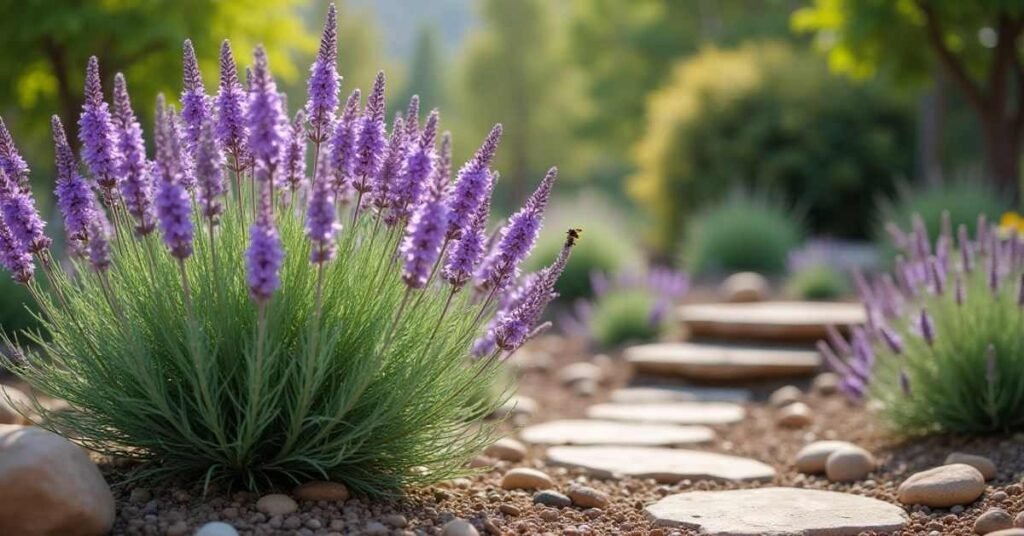
The Texas Ranger plant brings many wonderful benefits to your yard. First, it saves you a lot of money and time because it tolerates severe droughts. Once the roots establish themselves, the shrub requires almost no extra watering from you. It also resists common plant pests and diseases naturally, so you never need to spray harsh chemicals or bug medicines in your garden.
This beautiful shrub also supports your local ecosystem. The bright purple flowers act like a giant magnet for helpful wildlife during the hot summer months. It also handles tough environments, like salty soil or intense heat reflecting off nearby pavement, without losing its color.
Here are the top reasons to add a Texas Ranger to your landscape:
- Saves water: It lowers your water bill because it survives easily on natural rainfall.
- Attracts pollinators: The colorful blossoms feed hungry bees, butterflies, and hummingbirds.
- Provides year-round color: The silvery leaves stay beautiful even during the coldest winter days.
- Fights erosion: Deep, strong roots hold loose dirt in place and protect your soil from heavy wind.
Best Growing Conditions for a Texas Ranger Plant
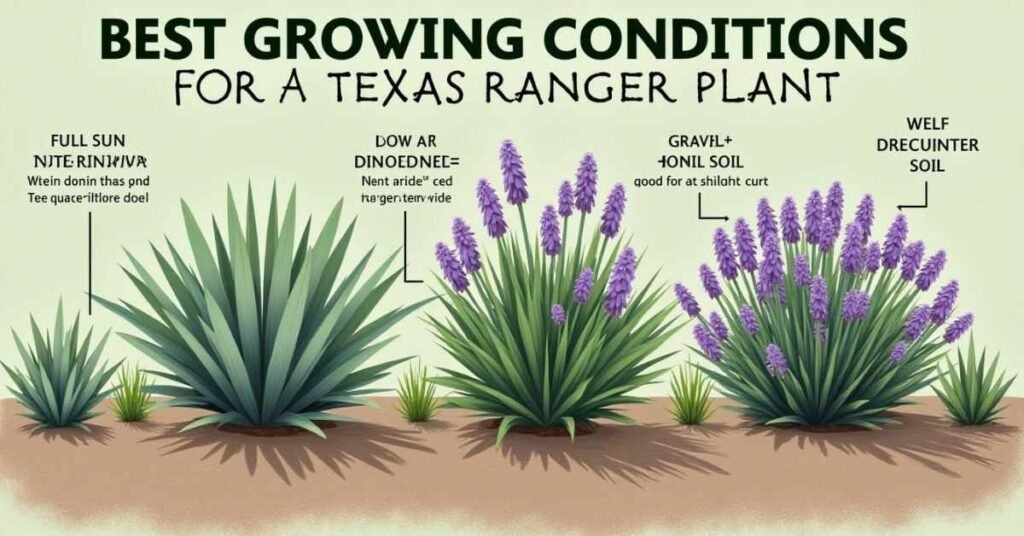
To get the most out of your Texas Ranger plant, you must give it the right environment. This desert native absolutely craves direct sunlight. You should pick the brightest spot in your yard where the shrub can get at least six to eight hours of full sun every single day. If you plant it in the shade, it will grow thin, floppy branches and produce very few flowers.
Soil quality matters just as much as sunlight for this hardy shrub. It needs loose, rocky, or sandy soil that lets water drain away instantly. Wet roots will kill this plant faster than any heatwave or drought. If you have heavy clay in your yard, you should mix in gravel or sand, or build a raised garden bed to keep the roots dry and happy.
The table below outlines everything you need to provide for your plant:
| Growing Factor | Ideal Requirement | Why It Matters |
| Sunlight | Full sun (6 to 8+ hours daily) | It triggers heavy blooming and keeps the plant dense. |
| Soil Type | Sandy, rocky, or gravelly | It prevents water from pooling around the root system. |
| Soil Drainage | Sharp, fast drainage | Standing water causes root rot and kills the shrub quickly. |
| Soil pH | Alkaline to neutral (7.0 to 8.5) | It matches the plant’s native desert limestone habitat. |
| Watering | Very low (soak only when fully dry) | Overwatering weakens the plant and stops flower growth. |
| Temperature | Hot summers, cold winters down to 10°F | It handles extreme desert temperature swings easily. |
| Fertilizer | None required | Rich soil or extra food actually harms its natural shape. |
Texas Ranger Plant Care Tips
Caring for a Texas Ranger plant requires very little effort on your part. You should always let the soil dry out completely before you even think about grabbing your garden hose. During its first summer, you can water the shrub once a week to help the root system grow deep. After that initial year, you can stop watering completely and let natural rainfall do all the work for you.
Pruning is the only other major task you need to remember. You should trim the branches in early spring before the new growth starts. Always use sharp hand pruners to shape the shrub, and avoid using electric hedge trimmers. Electric trimmers cut too closely and strip away the beautiful, natural form of this wild desert native.
Best Light for a Texas Ranger Plant
The Texas Ranger plant absolutely loves the sun. You must plant it in a spot that receives full, direct sunlight for most of the day. It needs at least six to eight hours of unfiltered sun daily to thrive. The hot, intense afternoon sun does not bother this desert native at all. In fact, the heat and light actually help the shrub maintain its tight, compact shape.
If you plant this shrub in a shady area, you will run into problems. The branches will grow long, thin, and floppy as they search for light. Shaded plants also lose their beautiful silvery color and look dull and green. Most importantly, a lack of sunlight prevents the plant from blooming. To see those spectacular purple flowers every summer, always give your Texas Ranger the brightest spot in your yard.
Best Soil for a Texas Ranger Plant
The Texas Ranger plant requires loose, dry soil to survive. In the wild, it grows in rocky limestone hills and sandy desert floors. It completely hates rich, soggy ground that holds onto water. If you want this shrub to stay healthy, you must give it sandy or gravelly soil. Poor, low-nutrient dirt actually works best because it mimics the plant’s natural home perfectly.
Excellent drainage matters more than anything else for this desert native. When you pour water onto the soil, the water should disappear into the ground almost instantly. Heavy clay soil acts like a sponge and will rot the roots very quickly. If you have thick clay in your garden, you should mix in plenty of coarse sand or gravel to loosen it up, or plant the shrub in a raised bed.
How to Water a Texas Ranger Plant
You must follow a simple rule when watering a Texas Ranger plant: less is always more. For the first year after planting, you should water the shrub once a week during the hot summer. This regular soaking helps the young roots grow deep into the ground. Always let the soil dry out completely between these waterings so the roots do not sit in mud.
Once your Texas Ranger finishes its first year, you can put away your garden hose. Established shrubs can survive easily on natural rainfall alone. You should only give the plant extra water during an extreme, months-long drought. If you overwater this desert native, you will cause root rot, turn the silvery leaves yellow, and stop those beautiful purple flowers from blooming.
Best Time to Prune a Texas Ranger Plant
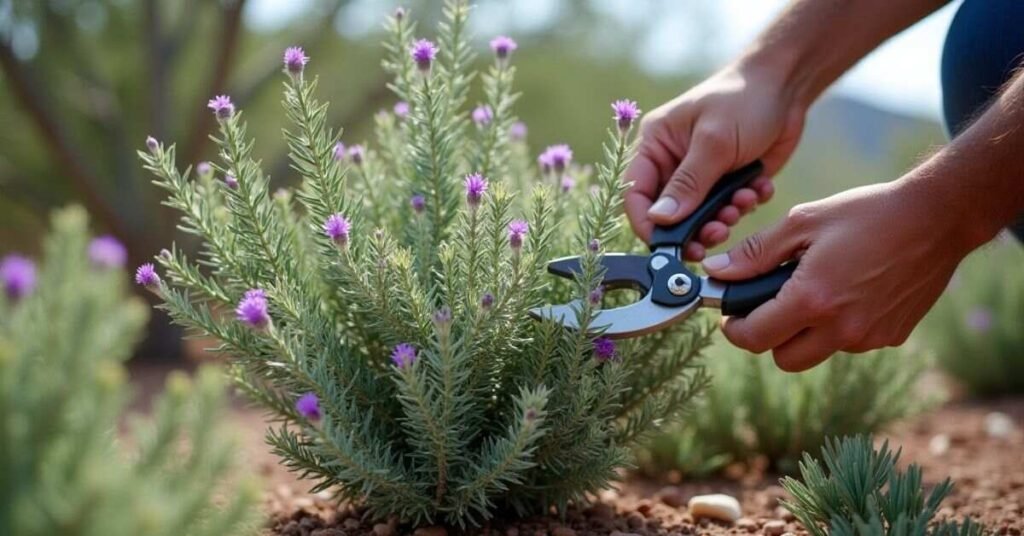
You should prune your Texas Ranger plant in the late winter or early spring. Late February or early March works best because the shrub is still resting. Trimming the branches at this time gives the plant a fresh start before the warm weather arrives. It also ensures that you do not accidentally cut off the upcoming summer flower buds.
You can also do light touch-up trimming during the late spring or early summer. If a few branches grow too long or look messy, simply snip them away to keep the shape neat. However, you must stop all pruning by the end of August. Trimming the shrub too late in the year forces weak new growth that cannot survive the cold winter frosts.
How to Make a Texas Ranger Plant Bloom
To trigger an explosion of purple flowers, you must maximize the sunlight and minimize the water. This desert shrub needs intense, direct sun to produce blossoms. You should avoid giving the plant extra water during the summer because dry conditions actually prepare the flower buds. Let the soil dry out completely, and wait for nature to do its trick.
The real secret to a massive bloom depends on humidity and rainfall. The Texas Ranger naturally responds to the drop in air pressure right before a thunderstorm. After a heavy summer rain hits the dry soil, the shrub will burst into full bloom within just a few days. If you experience a long dry spell with no rain, you can mimic nature by giving the dry plant one deep, thorough soaking to kickstart the flowering cycle.
Common Texas Ranger Plant Problems
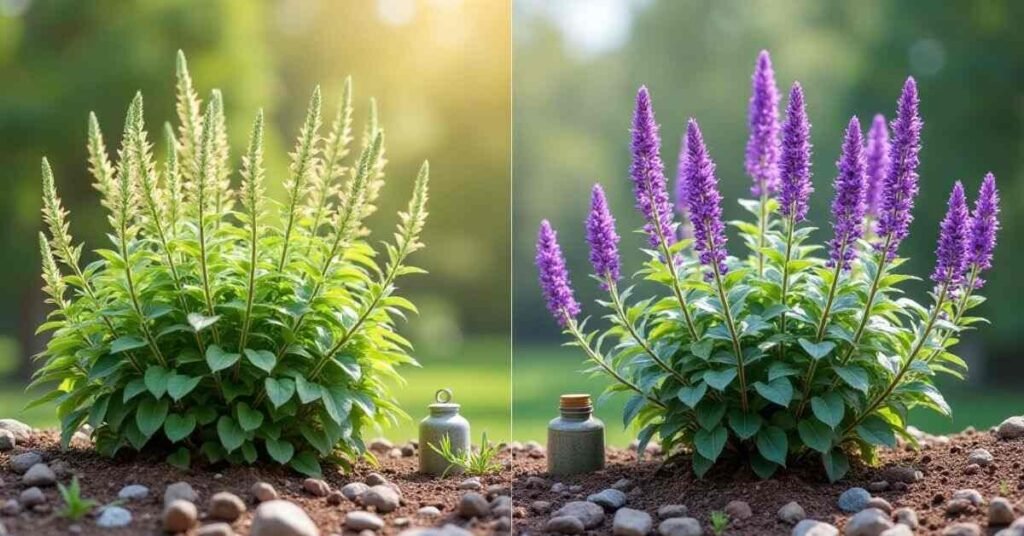
The Texas Ranger plant rarely suffers from issues, but improper care can quickly damage it. Overwatering stands as the absolute biggest threat to this desert native. When you give the plant too much water or grow it in heavy clay, moisture pools around the root system. This stagnant water cuts off oxygen, rots the roots, and causes the beautiful silvery leaves to turn yellow and drop off.
Insects and diseases almost never attack a healthy Texas Ranger, but high humidity can cause fungal problems like powdery mildew. If you crowd your shrubs too close together, the lack of airflow traps moisture on the leaves. You might also notice a thin, leggy appearance with very few flowers if you plant the shrub in too much shade. Moving the plant to a sunny spot and cutting back on water fixes almost every common issue.
The table below details the most frequent problems and how you can fix them easily:
| Problem Sign | Main Cause | Simple Solution |
| Yellow, dropping leaves | Overwatering or poor drainage | Stop watering completely and let the soil dry out. |
| Long, floppy, thin branches | Too much shade | Move the shrub to a spot with 6 to 8+ hours of direct sun. |
| Lack of purple flowers | Too much water or shade | Maximize sunlight and avoid watering during the summer. |
| White powder on leaves | High humidity and poor airflow | Prune nearby plants to increase air circulation around the shrub. |
| Wilting despite wet soil | Severe root rot from soggy ground | Stop watering immediately; replant in sandy soil if it does not recover. |
| Slow, stunted growth | Using fertilizer or rich soil | Stop adding plant food, as this native prefers nutrient-poor dirt. |
| Frost damage on branch tips | Pruning too late in the autumn | Trim only in late winter so new growth can harden before cold weather. |
How to Propagate a Texas Ranger Plant
You can easily grow new Texas Ranger plants from your existing shrub. This process allows you to multiply your plants without spending any money at the garden center. The best method uses stem cuttings taken during the active growing season. You will get the greatest success if you take your cuttings in the summer after a beautiful blooming cycle finishes.
The young cuttings need a very light, loose soil mix to grow their new roots. You should use a mix of half peat moss and half perlite or coarse sand. Regular potting soil holds too much water and will rot the delicate stems before they can grow. With just a little patience, your small cuttings will transform into strong, independent desert shrubs.
Follow these simple steps to propagate your Texas Ranger plant:
- Cut a healthy stem: Snip a 4-to-6-inch piece of semi-hardwood stem using sharp, clean pruners. Choose a branch that looks strong and lacks flowers.
- Strip the lower leaves: Remove all the leaves from the bottom half of your cutting. Leave a few healthy leaves at the very top to absorb sunlight.
- Apply rooting hormone: Dip the cut end of the bare stem into a small amount of rooting hormone powder. This special powder speeds up root growth.
- Plant the cutting: Poke a small hole in your moist sand mix and insert the stem. Press the dirt firmly around the base to keep the cutting upright.
- Cover and wait: Place a clear plastic bag loosely over the pot to trap moisture, and put it in bright, indirect light. Keep the soil barely damp, and check for strong new roots in four to six weeks.
Read More Information | https://plantsopedia.com/powder-puff-plant/
Texas Ranger Plant Landscaping Ideas
The Texas Ranger plant looks stunning in many different yard designs. Because it loves hot, dry spaces, it makes the perfect choice for a water-wise rock garden. You can plant it alongside other desert natives like agaves, yuccas, and ornamental grasses. The contrast between the soft silvery foliage of the Texas Ranger and the sharp lines of desert succulents creates a beautiful visual balance.
You can also use this dense shrub to build a low-maintenance privacy screen or hedge. Since it handles intense heat reflecting off hard surfaces, it grows perfectly along property lines, hot driveways, or bare fences. When summer arriving, your simple green boundary will transform into a spectacular wall of bright purple flowers.
Here are some great ways to use a Texas Ranger plant in your landscape:
- Mass borders: Plant several shrubs in a long row to create a soft, informal hedge that blocks unwanted views.
- Xeriscaping focal point: Place a single, large shrub in the center of a gravel garden to draw the eye with its summer color.
- Foundation planting: Use them against the sunny side of your house walls to hide bare concrete or brick foundations.
- Wildlife garden backdrop: Plant them at the back of your flower beds to provide shelter for birds and food for butterflies.
Texas Ranger Plant Care Mistakes to Avoid
Many gardeners accidentally harm their Texas Ranger plant by treating it like a traditional garden flower. The biggest mistake you can make involves giving the shrub too much love and attention. If you water it constantly or plant it in rich, heavy soil, you will quickly ruin its health. This desert native thrives on neglect, so you must resist the urge to care for it every single day.
Another common error involves improper pruning and placement. Planting this shrub in a shady spot will stop it from blooming and make the branches weak and stringy. You should also put away the electric hedge trimmers, because tight clipping ruins the natural beauty of the plant. Avoid these simple mistakes to keep your shrub healthy and full of life.
Make sure you avoid these critical care mistakes:
- Overwatering the soil: Watering too often causes deadly root rot and turns the silvery leaves yellow.
- Adding chemical fertilizers: Extra nutrients force the plant to grow too fast, which creates weak, floppy branches.
- Planting in heavy clay: Thick clay traps water around the roots and suffocates the plant.
- Trimming late in autumn: Pruning right before winter forces tender new growth that freezes and dies in the cold.
- Shearing into tight balls: Using hedge trimmers strips away the flower buds and destroys the shrub’s natural desert shape.
FAQs
Q: How fast do Texas Ranger plants grow?
A: These shrubs grow at a slow to moderate rate, typically adding about 1 to 2 feet of new growth each year.
Q: Can Texas Ranger plants survive cold winters?
A: Yes, these hardy desert natives handle winter freezes easily and can survive temperatures dropping down to 10°F.
Q: Why are the leaves on my Texas Ranger turning yellow?
A: Yellow leaves almost always indicate overwatering or poor soil drainage, which causes the roots to suffocate.
Q: Do deer eat Texas Ranger shrubs?
A: No, deer generally avoid these plants because they dislike the texture and taste of the fuzzy, silvery leaves.
Q: How long do the purple flowers last?
A: Each blooming cycle lasts for about one to two weeks, but the plant will bloom repeatedly all summer long after it rains.
Conclusion
Growing a Texas Ranger plant allows you to enjoy a stunning, colorful yard without spending hours on maintenance. This tough desert shrub asks for almost nothing but full sun and dry soil. In return, it rewards you with beautiful silvery foliage all year and spectacular bursts of purple flowers throughout the summer heat. It truly serves as the perfect choice for anyone who wants a gorgeous garden with very little effort.
By avoiding a few simple mistakes like overwatering and heavy fertilizing, you will keep your shrub thriving for many years. Let nature do most of the work, and remember that this plant actually loves a bit of neglect. Bring a Texas Ranger into your landscape today to experience the absolute best of low-maintenance desert beauty.

Jack Rivers is the founder of Plantsopedia, dedicated to making plant care simple, science-backed, and accessible for everyone. With a deep interest in botanical care and plant psychology, he specializes in rare tropical species and organic growth techniques, helping enthusiasts understand the soil, light, and biology behind every thriving plant. When he’s not experimenting with new propagation methods, Jack is busy turning complex horticultural science into practical, everyday advice for home gardeners