I switched one fussy fern to distilled water a while back after it kept browning at the leaf tips no matter what I tried, and within a couple of weeks the new growth came in clean. That’s really the whole story here, it solves a specific problem well, but it’s not automatically better for everything sitting on your windowsill, and I learned that the messier way after digging through way too many plant forums.\
The Short Answer
Yes, you can water plants with distilled water, and for plants sensitive to tap water chemicals, it genuinely helps. The tradeoff is that distilled water has zero minerals in it, so plants relying on tap water for trace nutrients won’t get that boost anymore, and switching cold turkey without a plan can backfire.
What Distilled Water Actually Removes From Your Watering Can
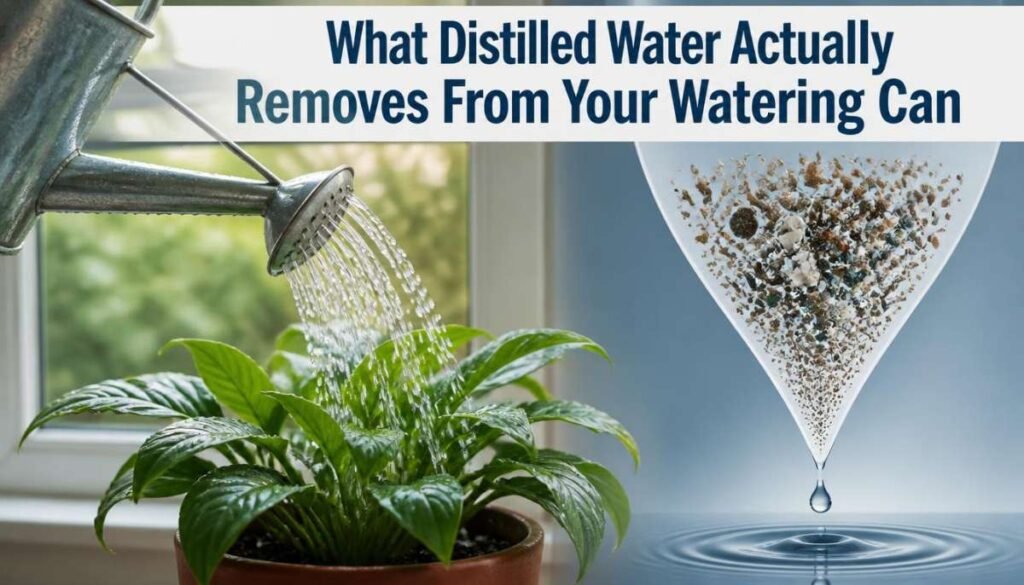
Tap water carries chlorine, fluoride, and dissolved salts, and some plants react badly to all three over time. None of it’s dangerous to us in the amounts a water utility adds, but plants don’t process it the way we do, and the effects show up slowly, as crispy leaf edges or a white crust nobody notices until it’s been building for months.
Chlorine and Fluoride Buildup
Chlorine dissipates on its own if tap water sits out for 24 hours, but fluoride doesn’t, and it’s the one that causes the most visible damage. Fluoride-sensitive plants develop brown, crispy leaf tips and edges after repeated exposure, a slow buildup rather than sudden damage.
Salt Accumulation in the Soil
Every watering with tap water leaves trace mineral salts behind, and over months this builds into a visible white crust on the soil surface or pot rim. Distilled water carries none of that, so it doesn’t add to the problem.
Can Distilled Water Actually Harm Plants?
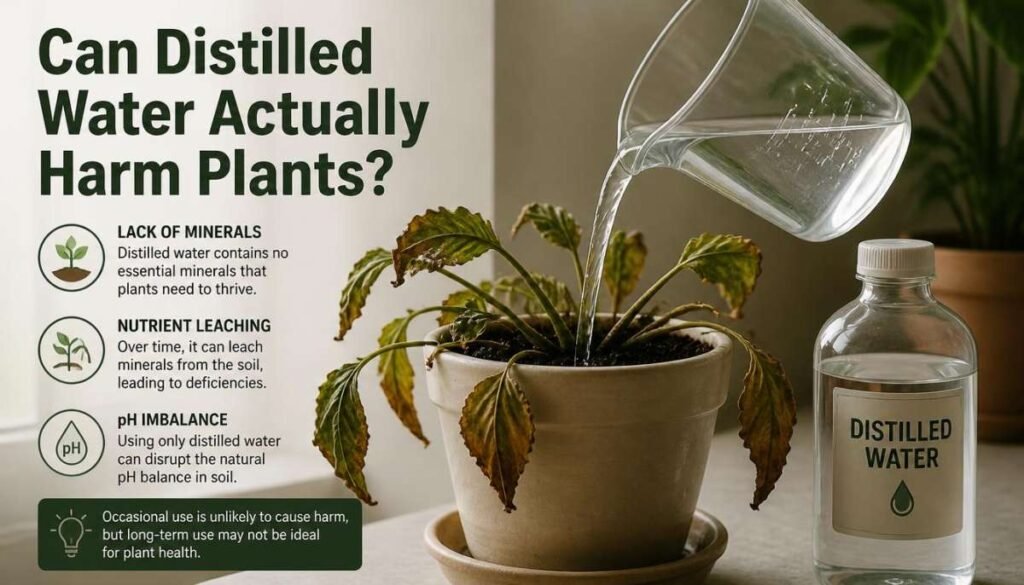
This is the part barely anyone talks about, and it’s the reason I’d never tell someone to switch every plant over blindly. There are real accounts of people making a full, sudden switch to distilled water and watching plants decline rather than improve, and the usual culprit is stripping out minerals a plant had quietly adapted to without replacing them in any other way.
Distilled water isn’t inherently harmful, but treating it as a total replacement rather than one piece of a watering routine is where things go wrong. The fix isn’t avoiding distilled water, it’s pairing it with regular fertilizing so the plant isn’t suddenly running on empty.
The Catch: No Minerals Means No Free Nutrients
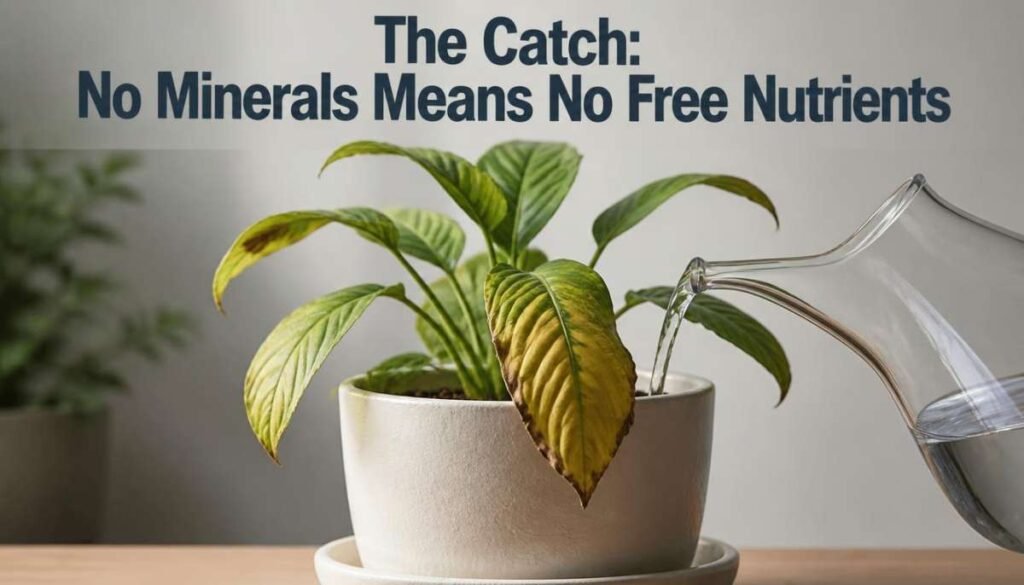
Tap water isn’t pure H2O, it typically carries calcium, magnesium, and other trace minerals plants use in small amounts. Distilled water strips all of that out along with the contaminants.
The Cal-Mag Fix
Growers who rely on distilled or reverse-osmosis water long-term often add a calcium-magnesium supplement back into the mix specifically, rather than just using a generic all-purpose fertilizer. It’s a small, specific step that solves the exact gap distilled water creates, instead of guessing at a broader fertilizing schedule.
Which Plants Actually Benefit Most
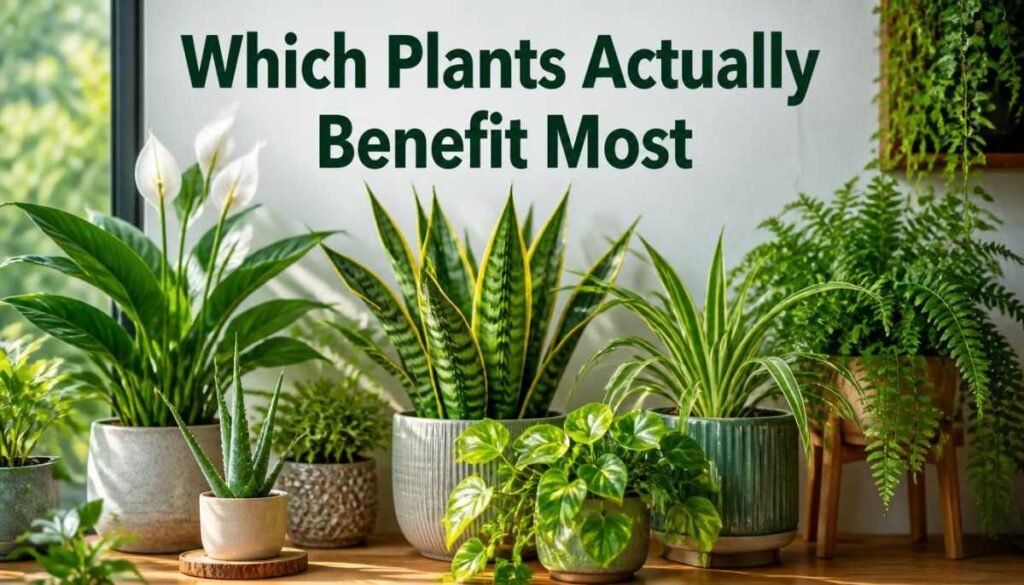
Not every plant needs this level of water purity, and using it everywhere is more effort than most plants require.
Fluoride-Sensitive Plants
Spider plants, dracaenas, prayer plants (Calathea and Maranta), and peace lilies are all well-documented as fluoride-sensitive, and they’re usually the ones showing brown tip damage from years of tap water before anyone thinks to check the water itself.
Carnivorous Plants
Venus flytraps and pitcher plants are the clearest case where distilled water isn’t just nice to have, it’s close to a requirement. These plants evolved in nutrient-poor bogs, and tap water minerals can genuinely damage their root systems over time.
Plants That Are Generally Fine Either Way
Hardier houseplants, pothos, snake plants, ZZ plants, tolerate tap water without much issue for most people. Distilled water won’t hurt them, but it’s not solving a problem they actually have. On the flip side, some finicky plants like certain palms seem to struggle specifically with hard tap water, which is worth knowing if a palm keeps looking off no matter what else changes.
The Cost Problem Nobody Mentions
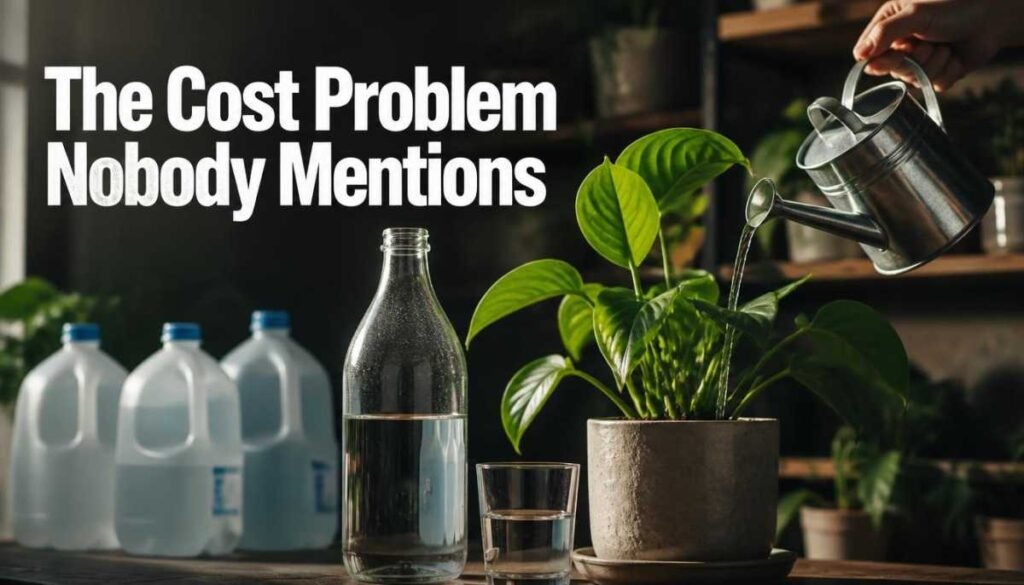
Buying distilled water by the gallon adds up faster than people expect, especially if your watering method uses more water than a quick top-off. Bottom watering in particular, letting a pot sit in a tray of water to soak up from below, uses noticeably more water per session than a quick top pour, which means the cost of sticking to distilled water for that method specifically can get surprisingly real over time.
Cheaper Alternatives Worth Knowing
A dechlorinating water conditioner, the same kind used in fish tanks, added to tap water and left to sit for 20 to 30 minutes handles chlorine without the cost of buying gallons of distilled water regularly. It won’t touch fluoride or mineral buildup the way distilled water does, but for plants that only have a mild chlorine sensitivity, it’s a much cheaper middle ground.
How to Make Distilled Water at Home
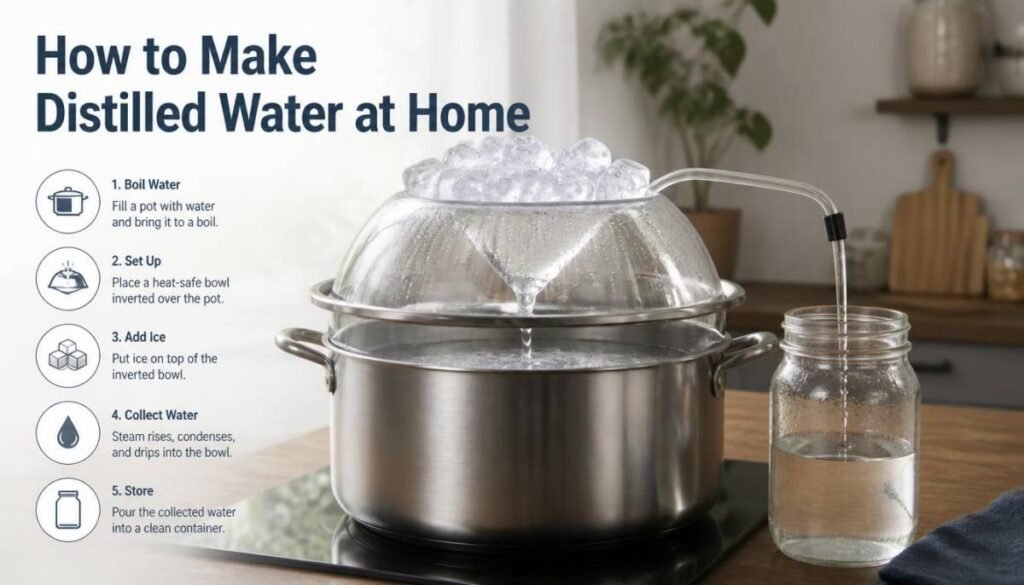
Making it yourself is genuinely simple if buying it regularly feels like a waste, and once the setup is running, you don’t have to babysit it, just check back every so often and top up the pot. It’s slower than grabbing a jug from the store, but for anyone watering more than a plant or two on distilled water, it pays for itself fast.
The Basic Stovetop Method
Boil water in a pot with a heat-safe bowl floating in the center to catch condensation, and place a lid upside-down on top so drips collect and fall into the bowl instead of back into the pot. It’s slow, but it costs nothing beyond the electricity or gas to run the stove.
The Simpler Alternative: Rainwater
Collected rainwater isn’t technically distilled, but it’s naturally soft and free of the same chlorine and fluoride tap water carries, and it’s a lot less effort to collect than running a stovetop setup regularly.
Figuring Out Which Plants Actually Need the Switch
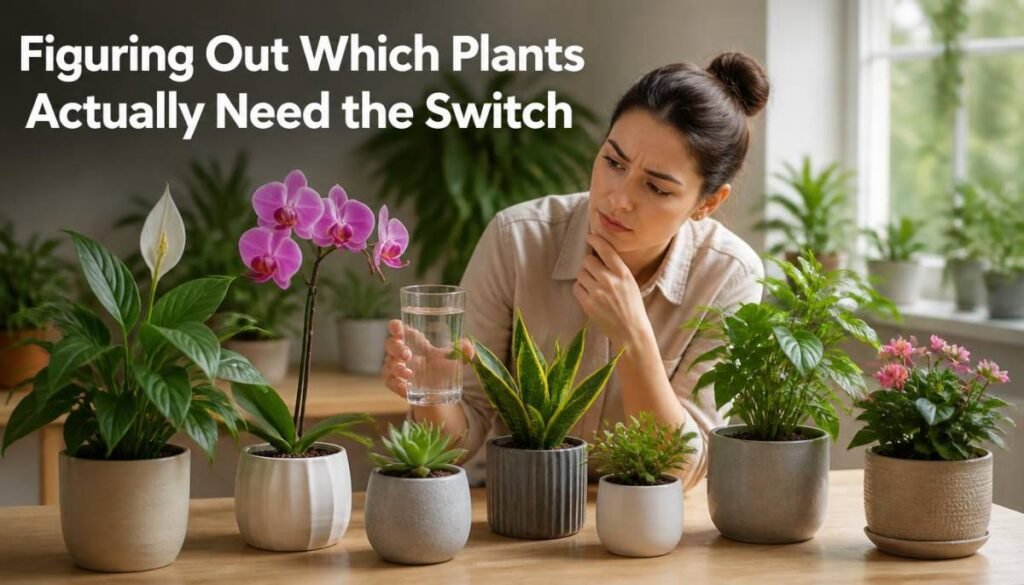
Honestly, a lot of this comes down to trial and error rather than a strict rule you can apply to every plant in the house. Watch for the specific signs, brown crispy tips, a white crust on the soil, a plant that’s been otherwise healthy but slowly declining, and switch that specific plant rather than overhauling your entire watering routine at once. If the symptoms improve, that’s your answer. If they don’t, the water probably wasn’t the actual problem.
Distilled vs. Filtered vs. Tap: Quick Comparison
| Water Type | Removes Chlorine/Fluoride | Keeps Minerals | Best For |
| Distilled | Yes | No | Fluoride-sensitive and carnivorous plants |
| Filtered (carbon/RO) | Mostly | Partial | General use, milder than distilled |
| Tap (left out 24 hrs) | Chlorine only | Yes | Hardy, tolerant houseplants |
For a deeper technical breakdown of how distillation and filtration actually differ at the mineral and contaminant level, this comparison from The Perfect Water is worth a look.
A Few Mistakes Worth Avoiding
Switching every single plant to distilled water isn’t necessary and adds effort, and cost, for plants that were never struggling with tap water in the first place. Forgetting to adjust fertilizing is the bigger issue though, since distilled water removes the trace minerals a plant was getting passively, skipping fertilizer afterward can cause a slow nutrient deficiency that looks confusingly similar to other watering problems.
FAQ Section
Which plants like distilled water?
Fluoride-sensitive plants like spider plants, dracaenas, prayer plants, and peace lilies benefit most, along with carnivorous plants like Venus flytraps, which are sensitive to tap water minerals.
What type of water is best for plants overall?
For most houseplants, tap water left out for 24 hours to let chlorine dissipate works fine. Distilled water is better specifically for fluoride-sensitive or carnivorous plants.
What happens if you water a plant with distilled water?
It removes chlorine, fluoride, and mineral salt buildup from the soil, which helps sensitive plants, but it also means the plant no longer gets the trace minerals tap water was providing, so regular fertilizing becomes more important.
How can I make distilled water for my plants?
Boil water with a heat-safe bowl floating inside the pot to catch condensation, with the lid placed upside down so drips fall into the bowl. Collected rainwater is a lower-effort alternative that solves a similar problem.
Is distilled water bad for plants long-term?
Not inherently, but using it without ever fertilizing can lead to a slow nutrient deficiency, since distilled water contains none of the trace minerals plants would otherwise get from tap water.

Jack Rivers is the founder of Plantsopedia, dedicated to making plant care simple, science-backed, and accessible for everyone. With a deep interest in botanical care and plant psychology, he specializes in rare tropical species and organic growth techniques, helping enthusiasts understand the soil, light, and biology behind every thriving plant. When he’s not experimenting with new propagation methods, Jack is busy turning complex horticultural science into practical, everyday advice for home gardeners