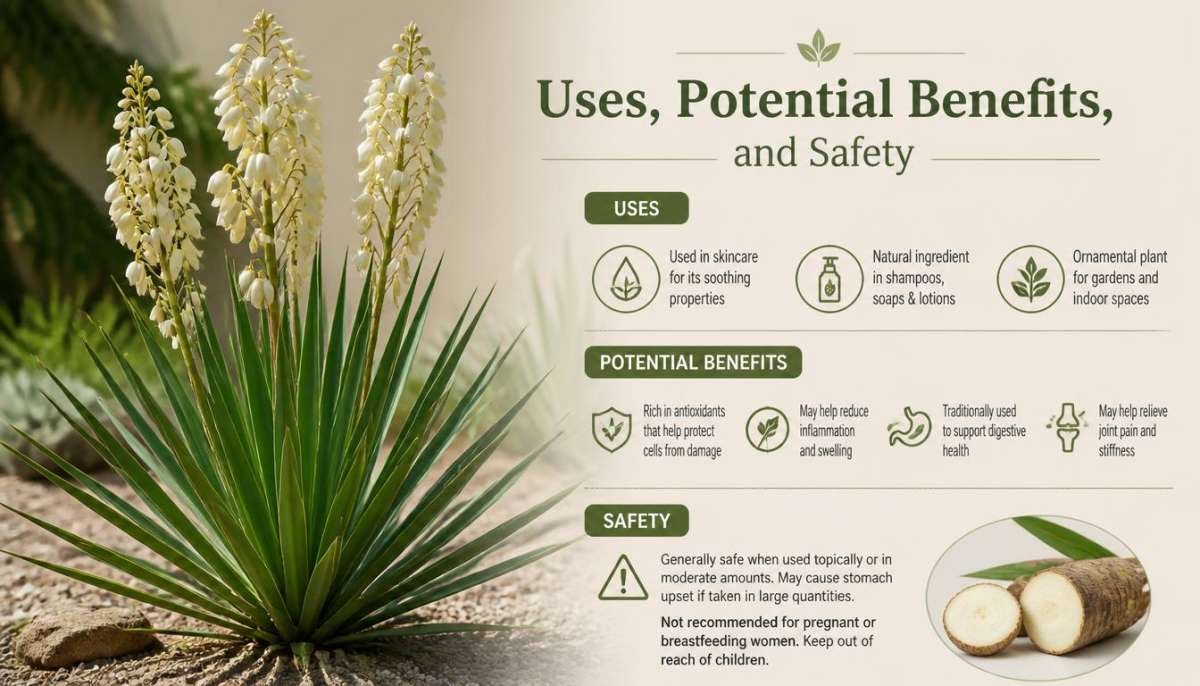
If you’ve come across a yucca plant and wondered whether it’s more than just a striking garden plant, you’re not alone. Yucca has been used in traditional practices, personal-care products, and herbal supplements for quite a while. Its roots and other parts contain natural compounds called saponins, along with other plant compounds that have attracted scientific interest.
But there’s an important distinction between traditional use and proven health benefits. Some of the compounds in yucca look promising in early research, but that doesn’t mean taking yucca can treat a medical condition. Here’s a closer look at what the plant is used for, what researchers are investigating, and what to know before using it.
What Is the Yucca Plant?
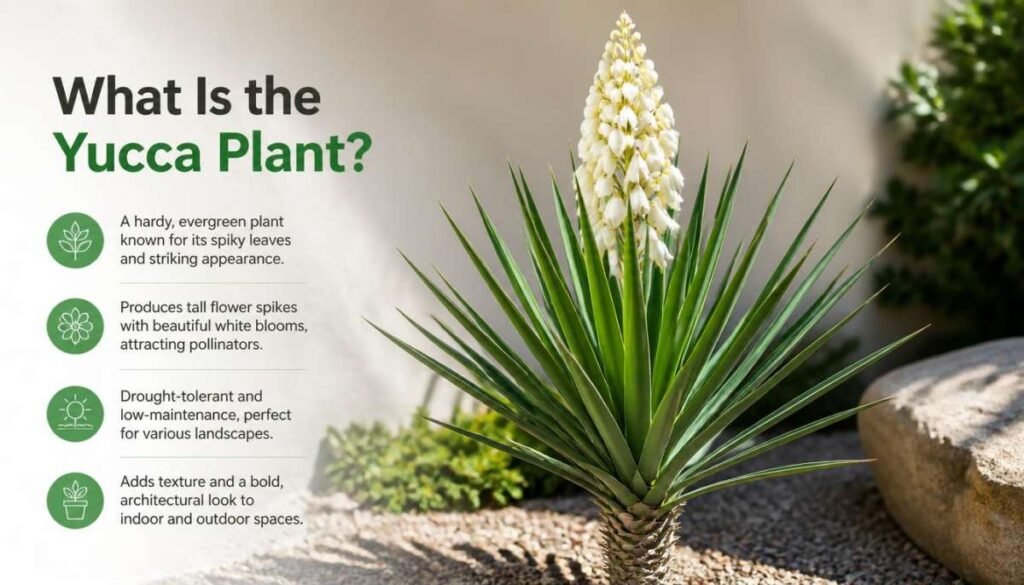
Yucca is a group of plants in the Asparagaceae family, known for their stiff, sword-shaped leaves and tall flower stalks. Several species are native to dry regions of North and Central America, where they have long had practical and cultural uses.
The plant is sometimes discussed alongside yuca, but the two aren’t interchangeable. Yuca, also called cassava, is an edible root crop, while yucca refers to an entirely different group of plants.
That mix-up matters if you’re researching recipes, supplements, or health information.
What Makes Yucca Interesting?
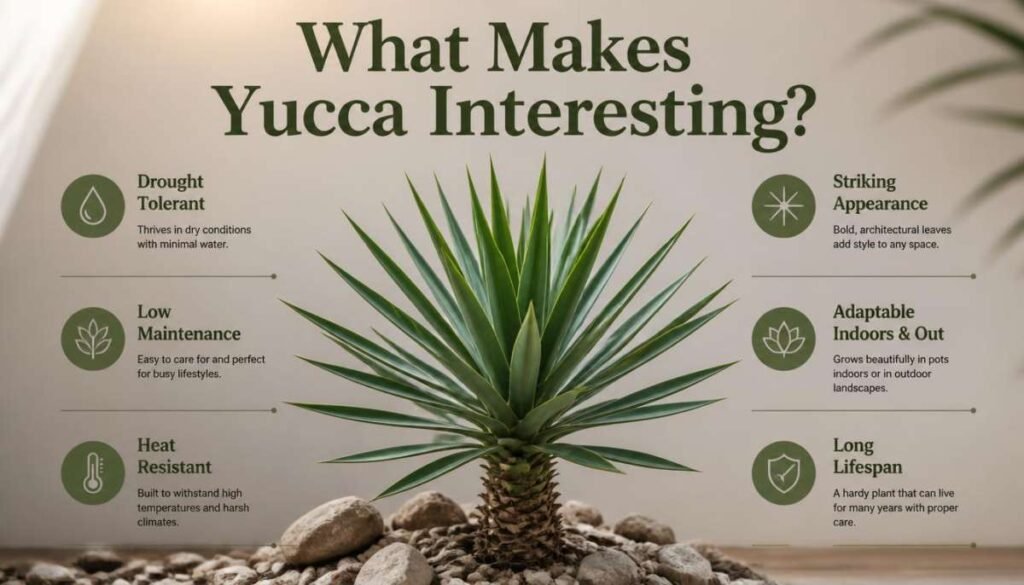
Yucca contains naturally occurring steroidal saponins and polyphenolic compounds. Saponins are plant chemicals that can produce a soap-like lather when mixed with water, which helps explain why yucca has traditionally appeared in cleansing products.
Researchers have also investigated various yucca compounds for antioxidant and anti-inflammatory activity, although laboratory findings don’t automatically translate into proven benefits for people.
Potential Yucca Plant Benefits
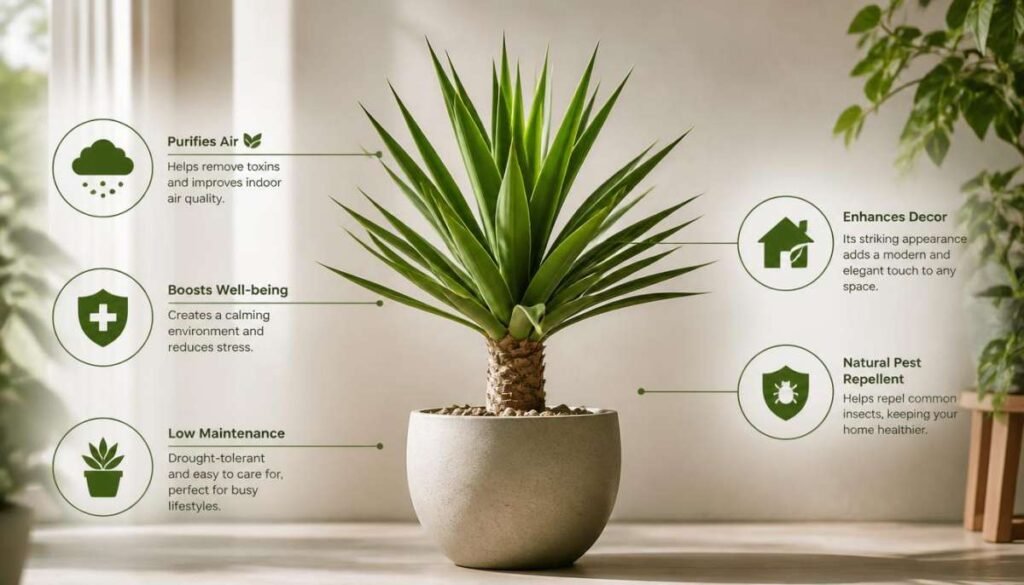
The possible benefits of yucca are mostly connected to its natural plant compounds and traditional uses. It’s worth keeping the wording careful here because human evidence is still limited.
Antioxidant Properties
Yucca contains compounds with antioxidant activity. Antioxidants help protect cells from oxidative stress caused by unstable molecules known as free radicals.
Laboratory research has examined yucca extracts for this reason, but eating or taking yucca hasn’t been established as a treatment for diseases related to oxidative stress.
Compounds Studied for Inflammation
Some yucca compounds have demonstrated anti-inflammatory activity in laboratory and experimental research. This is one reason yucca has attracted interest in studies involving inflammation and joint health.
Still, there’s a difference between a plant extract showing activity in a study and proving that a yucca supplement reduces inflammation or treats arthritis in people.
Traditional Use for Joint Discomfort
Yucca has a history of traditional use for joint discomfort and conditions associated with inflammation. Some supplements are marketed around this purpose as well.
However, the available scientific evidence isn’t strong enough to say that yucca reliably treats arthritis or joint disease. Anyone dealing with ongoing joint pain should discuss appropriate treatment with a healthcare professional rather than relying on yucca alone.
How Yucca Is Commonly Used
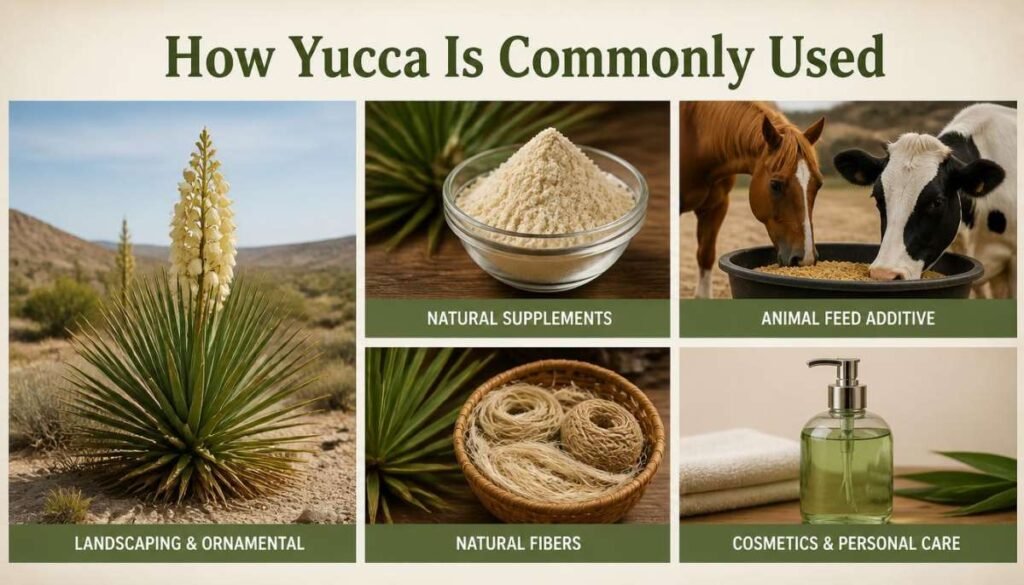
Yucca isn’t limited to one type of use. Depending on the species and preparation, it has appeared in traditional practices, personal-care products, supplements, and practical applications.
Yucca Extracts and Supplements
Yucca extracts are available in some herbal supplements, often made from Yucca schidigera. These products can come in forms such as capsules, powders, or liquid extracts.
The concentration and preparation can vary between products, so a supplement label shouldn’t be treated as a standard medical dose. There isn’t enough evidence to establish a universally appropriate medicinal dosage for yucca.
Traditional and Cosmetic Uses
The natural saponins in yucca have made it useful in traditional cleansing applications. Extracts have also been included in some shampoos, soaps, and other personal-care products.
Historically, different parts of yucca plants have also been used for practical purposes, including making fibers, cordage, and other useful materials.
Yucca Plant Benefits for Skin and Hair
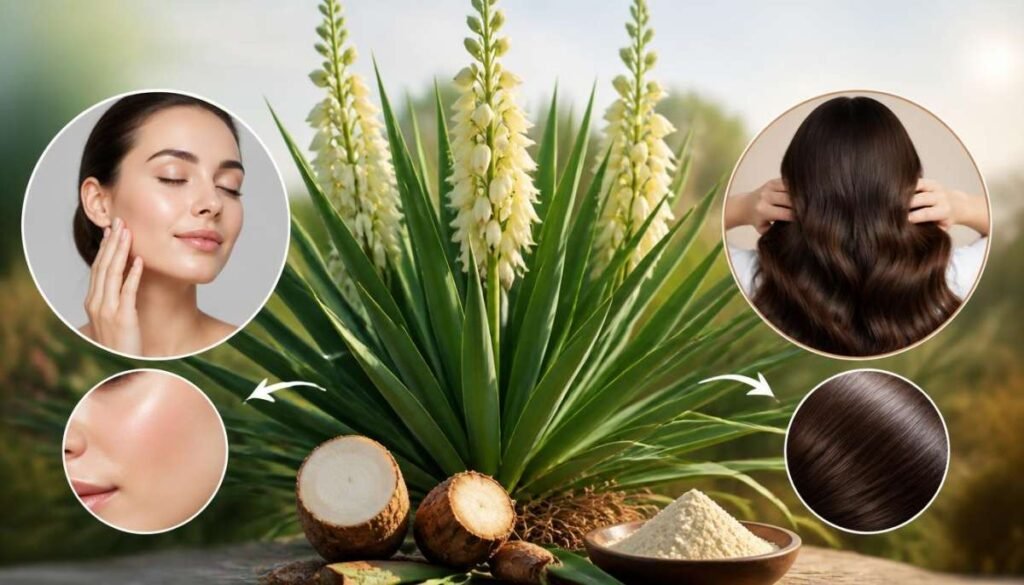
You’ll sometimes see yucca promoted as a natural ingredient for skin and hair care. Much of this interest comes from its saponin content and traditional cleansing uses.
Why Yucca Appears in Cleansing Products
Saponins can create a mild lather, which makes yucca extracts interesting for cleansing formulations. Products containing yucca may therefore be marketed as plant-based alternatives or additions to conventional cleansing ingredients.
That doesn’t mean yucca itself has been proven to cure dandruff, skin conditions, or hair problems. The finished product and its other ingredients matter too.
Traditional Topical Uses
Various yucca preparations have been used traditionally on the skin. However, evidence for using yucca as a treatment for wounds or specific skin conditions is limited.
For a persistent rash, infected wound, or other significant skin problem, it’s better to use an established treatment recommended by a qualified healthcare professional.
Yucca Root vs. the Ornamental Yucca Plant
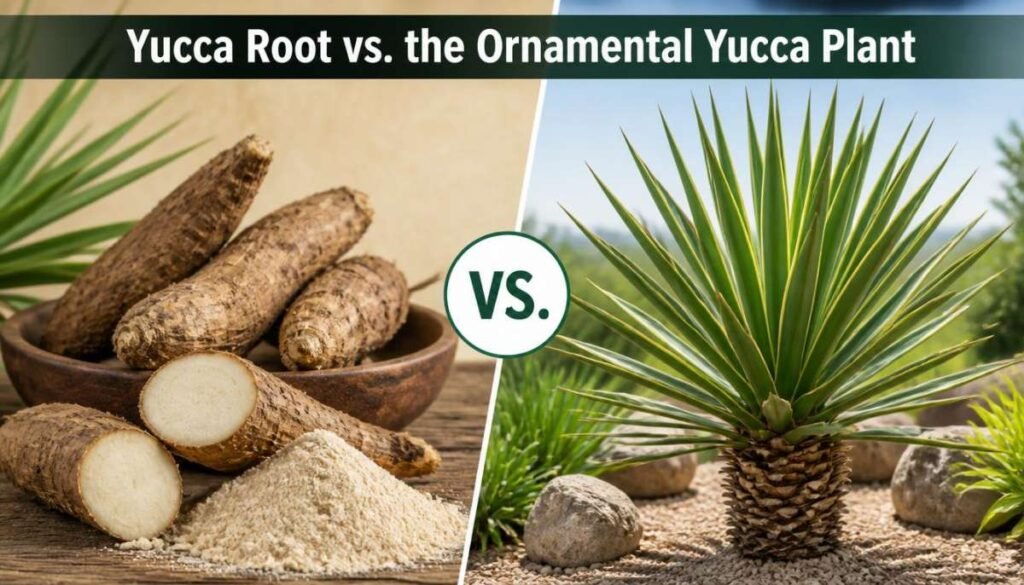
This is one of the easiest places to get confused.
Yucca is an ornamental and wild plant genus with species such as Yucca schidigera. Yuca, or cassava, is Manihot esculenta, a completely different plant grown as a food crop.
They aren’t simply two spellings for the same thing.
Yuca is prepared as food in many cuisines, while yucca is more commonly discussed in gardening, traditional uses, extracts, and ornamental planting. Don’t assume that information about cooked cassava applies to yucca supplements or vice versa.
Are There Any Risks or Side Effects?
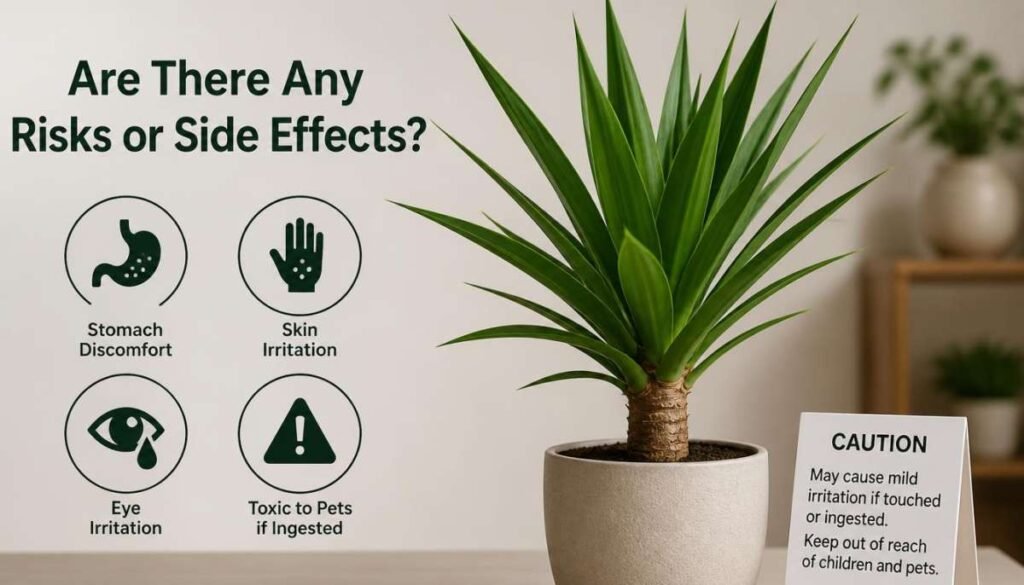
Natural doesn’t automatically mean risk-free. Yucca supplements can have side effects, and reliable information about long-term medicinal use is limited.
Some sources report possible digestive problems with oral yucca, while the safety of larger medicinal amounts hasn’t been well established.
What We Know About Oral Use
There’s limited high-quality evidence establishing a safe and effective therapeutic dose. That’s especially important when comparing concentrated supplements with the plant itself.
If you’re considering yucca for a health reason, check the product ingredients and discuss it with a healthcare professional, particularly if you’re already taking medication.
Pregnancy and Breastfeeding
There isn’t enough reliable safety information to recommend medicinal yucca use during pregnancy or breastfeeding. Avoid using herbal supplements in these situations unless your healthcare provider specifically advises you to do so.
Supplements and Dosage
Don’t assume that taking more will provide more benefits. Herbal supplements can vary significantly in concentration and quality, and a medically established dosage for treating a specific condition has not been firmly established for yucca.
What We Really Know About Yucca’s Potential Benefits
Yucca is an interesting plant with a long history of practical and traditional use. Its saponins, polyphenols, and other compounds have also made it a subject of scientific research.
The important part is keeping expectations realistic. Yucca plant benefits are promising in some areas of early research, but evidence in humans is still limited. It shouldn’t be presented as a proven treatment for arthritis, diabetes, infections, or other medical conditions.
If you’re interested in yucca because of its traditional uses, learning about the specific species, preparation, and safety is a much better starting point than assuming every health claim attached to the plant is established.
Frequently Asked Questions
What are the main yucca plant benefits?
Yucca contains saponins and other plant compounds being studied for antioxidant and anti-inflammatory activity. Many health claims, however, still need stronger human evidence.
Is yucca good for joint pain?
Yucca has traditionally been used for joint discomfort, but there isn’t enough strong clinical evidence to confirm that it effectively treats arthritis or other joint conditions.
Is yucca the same as yuca?
No. Yucca is an ornamental and wild plant genus, while yuca, or cassava, is an edible root crop. They are completely different plants.
Can you eat yucca?
Yucca and yuca should not be confused. Some yucca species have traditional food uses, but you shouldn’t assume an ornamental yucca plant is edible. Proper identification and preparation are essential.
Is yucca safe as a supplement?
Safety information for medicinal yucca use is limited. Supplements can cause unwanted effects and may not be appropriate for everyone, so speak with a healthcare professional before using one for a health concern.

Jack Rivers is the founder of Plantsopedia, dedicated to making plant care simple, science-backed, and accessible for everyone. With a deep interest in botanical care and plant psychology, he specializes in rare tropical species and organic growth techniques, helping enthusiasts understand the soil, light, and biology behind every thriving plant. When he’s not experimenting with new propagation methods, Jack is busy turning complex horticultural science into practical, everyday advice for home gardeners