
The muicle plant (Justicia spicigera), also known as Mexican honeysuckle or Mexican blood herb, is a flowering shrub native to Mexico and parts of Central America. For centuries, it has been valued in traditional herbal medicine for supporting overall wellness, particularly blood health, digestion, and immune function.
The plant belongs to the Acanthaceae family and is recognized by its bright orange tubular flowers and dark green leaves. While many people know muicle as an herbal tea, the entire plant including its leaves, stems, and flowers has traditionally been used in natural remedies.
Today, interest in muicle continues to grow as researchers study its antioxidant compounds and potential health-supporting properties.
How to Grow a Muicle Plant

Growing a muicle plant is relatively easy in warm climates. It thrives in gardens and containers, making it an excellent choice for home gardeners interested in medicinal plants.
Choose a location with partial to full sunlight, as the plant flowers best with several hours of direct light each day. Plant muicle in well-draining soil enriched with organic matter to encourage healthy root development.
Water the plant consistently during its active growing season, allowing the soil to dry slightly between waterings to prevent soggy conditions.Once established, muicle becomes fairly drought tolerant, although occasional watering during dry periods helps maintain vigorous growth.
The plant grows well in USDA hardiness zones 9–11 and should be protected from frost. In cooler climates, it can be grown in large containers and moved indoors during winter.
Muicle is commonly propagated through stem cuttings, which root quickly in moist soil.
Also Read : Eucalyptus Plant Benefits in Room: Health, Air & Wellness Uses 2026 Guide
How to Use the Muicle Plant

Different parts of the muicle plant have been used in traditional herbal practices for generations.
Common uses include:
- Brewing fresh or dried leaves into herbal tea
- Preparing herbal extracts
- Taking capsules or powdered supplements
- Using leaves in traditional wellness remedies
- Growing the plant as an ornamental shrub with medicinal value
Among these methods, herbal tea remains the most popular because boiling the leaves releases natural pigments that produce a distinctive deep blue or indigo color.
Top Muicle Plant Benefits

Although many of muicle’s traditional uses come from folk medicine, modern research has identified several beneficial plant compounds that may contribute to its wellness-supporting properties. Current evidence is still developing, so muicle should be viewed as a complementary herbal remedy rather than a replacement for medical treatment.
Rich in Antioxidants
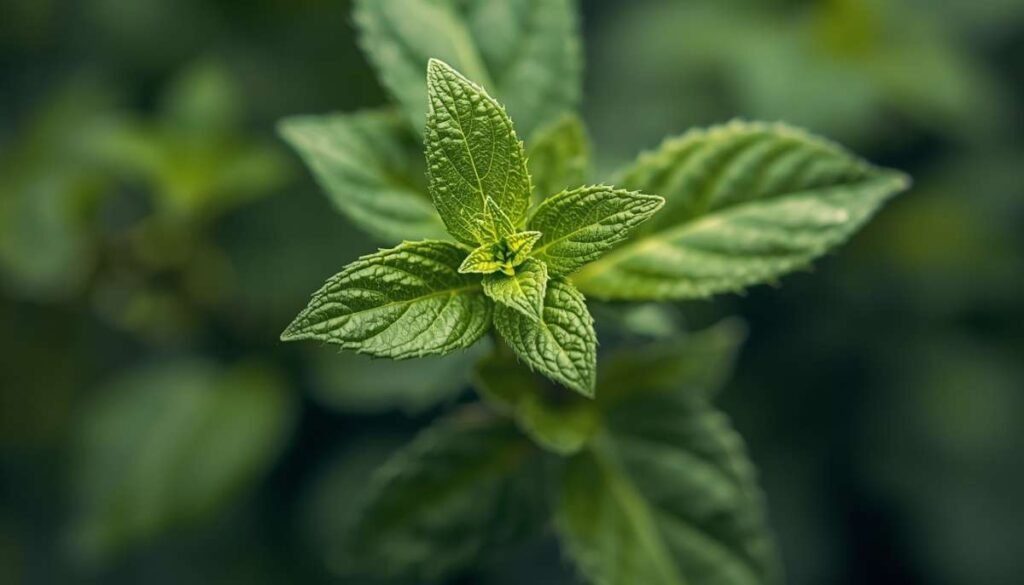
One of the most notable muicle plant benefits is its high antioxidant content. The leaves contain flavonoids, anthocyanins, and phenolic compounds that help protect cells from oxidative stress caused by free radicals.
A diet rich in antioxidants supports overall health by helping reduce cellular damage associated with aging and environmental stress.
May Support Healthy Blood Sugar Levels
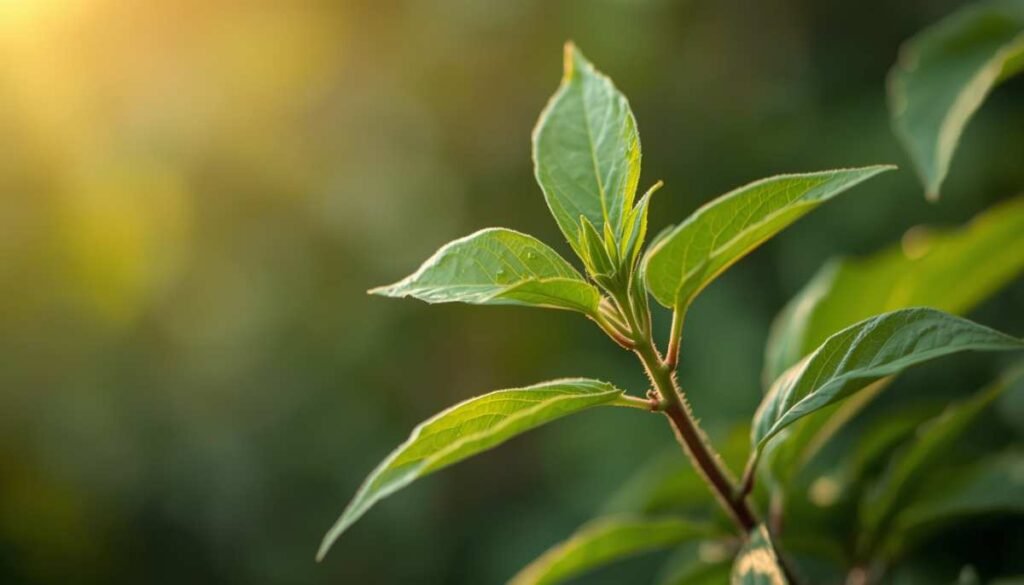
Muicle has long been used in Mexican traditional medicine as a natural herb for maintaining healthy blood sugar levels. Early laboratory studies suggest that certain plant compounds may influence glucose metabolism and improve insulin sensitivity.
While these findings are promising, more human clinical research is needed before firm conclusions can be made.
Supports Healthy Blood Circulation

Traditionally, muicle has been considered a natural blood tonic. Herbal practitioners have used it to support healthy circulation and overall blood health.
Although scientific evidence remains limited, this traditional use continues to make muicle one of Mexico’s most respected medicinal herbs.
May Boost Immune System Function

The antioxidant compounds naturally present in muicle may help support normal immune function by protecting cells from oxidative damage.
Maintaining a healthy immune system depends on many factors, including nutrition, sleep, exercise, and overall lifestyle.
Supports Digestive Health
Muicle has traditionally been used to ease digestive discomfort, including indigestion, bloating, stomach cramps, constipation, and occasional diarrhea.
Its soothing properties make it a popular herbal remedy after heavy meals.
May Help Reduce Inflammation

Natural plant compounds found in muicle demonstrate anti-inflammatory activity in laboratory studies. Reducing chronic inflammation supports overall wellness and may contribute to healthy joints and tissues.
More human studies are still required to confirm these potential effects.
Traditionally Used for Women’s Health

In traditional Mexican herbal medicine, muicle has been used to support women’s reproductive health. It has historically been consumed to help regulate menstrual cycles, relieve menstrual discomfort, and ease symptoms associated with menopause.
Scientific evidence supporting these traditional uses remains limited.
May Protect Against Oxidative Stress

Oxidative stress contributes to normal aging and many chronic health conditions. The combination of flavonoids, anthocyanins, and phenolic compounds found in muicle may help neutralize harmful free radicals and support long-term cellular health.
Key Compounds Found in Muicle
| Compound | Potential Health Benefit |
| Flavonoids | Powerful antioxidant activity |
| Anthocyanins | Help protect cells from oxidative stress |
| Phenolic compounds | Support anti-inflammatory activity |
| Natural pigments | Traditional medicinal and antioxidant properties |
Muicle Plant Side Effects and Safety
Muicle is generally considered safe when consumed in moderate amounts as part of a balanced diet. However, herbal remedies affect everyone differently.
Before using muicle regularly, keep these precautions in mind:
- If you’re expecting or breastfeeding, check with your doctor before consuming muicle products.
- People taking diabetes medications should monitor blood sugar carefully.
- Individuals using blood pressure medications should seek medical advice before use.
- Stop use if allergic reactions or digestive discomfort occur.
Like many herbal supplements, muicle should complement not replace professional medical care.
Final Thoughts
The muicle plant has earned an important place in traditional Mexican herbal medicine thanks to its long history of use and impressive antioxidant content. While many of its claimed benefits still require larger human studies, early research suggests the plant may support blood sugar regulation, immune health, circulation, digestion, and overall wellness.
Whether you grow muicle in your garden or use it as an herbal supplement, understanding its traditional uses, potential benefits, and safety considerations allows you to make informed decisions. As with any medicinal plant, it’s best used as part of a healthy lifestyle and in consultation with a healthcare professional when appropriate.
Frequently Asked Questions
Can you eat muicle leaves raw?
Yes, muicle leaves are edible, but they are most commonly used to make herbal tea or extracts. Cooking or steeping the leaves helps release their beneficial plant compounds.
How long does it take for a muicle plant to mature?
A muicle plant usually reaches maturity within 6 to 12 months under warm growing conditions with adequate sunlight, regular watering, and well-drained soil.
Can you grow a muicle plant indoors?
Yes. Muicle can be grown indoors in a large container if it receives at least 6 hours of bright sunlight or supplemental grow lights. Good air circulation and well-draining soil also help it thrive.
Is the muicle plant safe for pets?
There is limited scientific information about the safety of muicle for cats and dogs. To be safe, keep the plant out of reach of pets and consult a veterinarian if accidental ingestion occurs.
What is the difference between muicle and Mexican honeysuckle?
There is no difference. Muicle and Mexican honeysuckle are common names for the same plant, Justicia spicigera.

Jack Rivers is the founder of Plantsopedia, dedicated to making plant care simple, science-backed, and accessible for everyone. With a deep interest in botanical care and plant psychology, he specializes in rare tropical species and organic growth techniques, helping enthusiasts understand the soil, light, and biology behind every thriving plant. When he’s not experimenting with new propagation methods, Jack is busy turning complex horticultural science into practical, everyday advice for home gardeners