Introduction
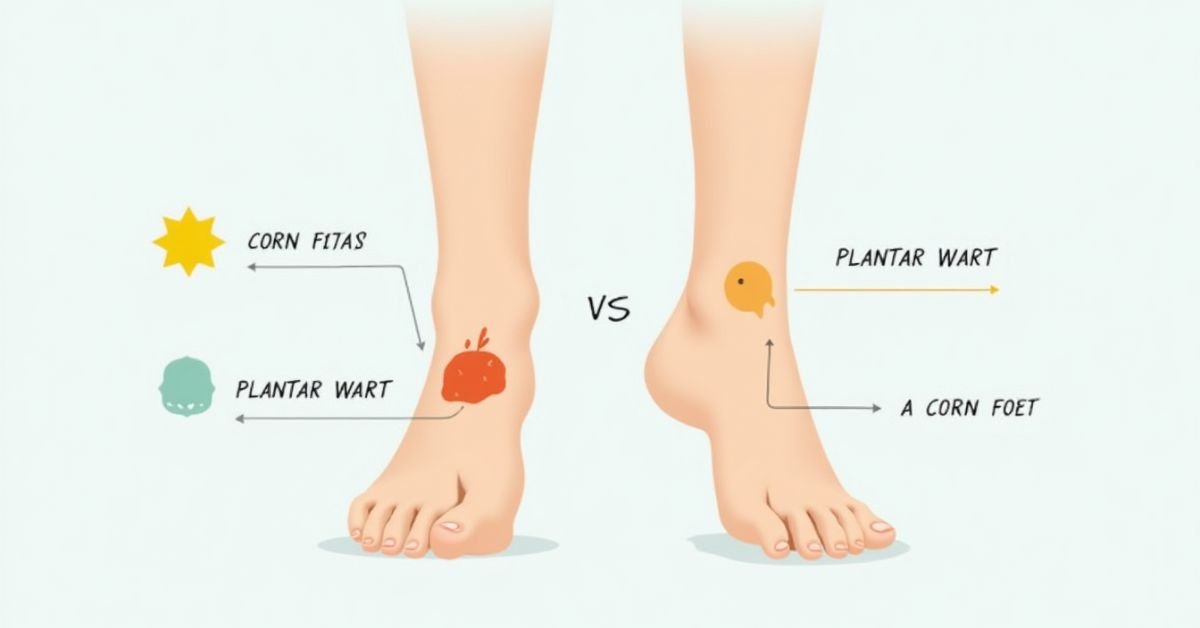
Plantar Wart vs Corn wart is a small, grainy growth caused by a viral infection called HPV. It usually shows up on the soles of your feet or your heels. A corn, on the other hand, is just a thick layer of dead skin. It develops because your skin is trying to protect itself from constant friction or pressure, like wearing shoes that are too tight.
Have you ever felt a sharp, nagging pain with every step you take? It’s incredibly frustrating when a tiny spot on your foot starts to feel like you’re walking on a LEGO brick. Most people assume any hard bump is just a “callus” and try to ignore it, but treating a virus is very different from treating a friction sore. Identifying the culprit correctly is the only way to get back to walking pain-free.
While they might look similar at a quick glance, there are easy ways to tell them apart. Warts often have tiny black dots in the center and hurt when you squeeze them from the sides. Corns usually look like a smooth, translucent circle and hurt more when you press directly down on them. Knowing these small details can save you a lot of time and a “tripped-up” DIY treatment.
Plantar Wart vs Corn: What’s the Main Difference?
The biggest difference is how they start. A plantar wart is an infection caused by a virus that enters through tiny cuts in your skin. It is not an infection at all when you have a corn. It is simply a buildup of hard skin caused by your shoes rubbing or pressing against your foot.
You can also tell them apart by how they feel when touched. If you squeeze a wart from the sides, it usually stings or hurts quite a bit. A corn is different because it usually only hurts when you press your finger directly down on top of it. Also, warts often have tiny black dots inside, while corns look like a solid, clear plug of skin.
What Is a Plantar Wart?
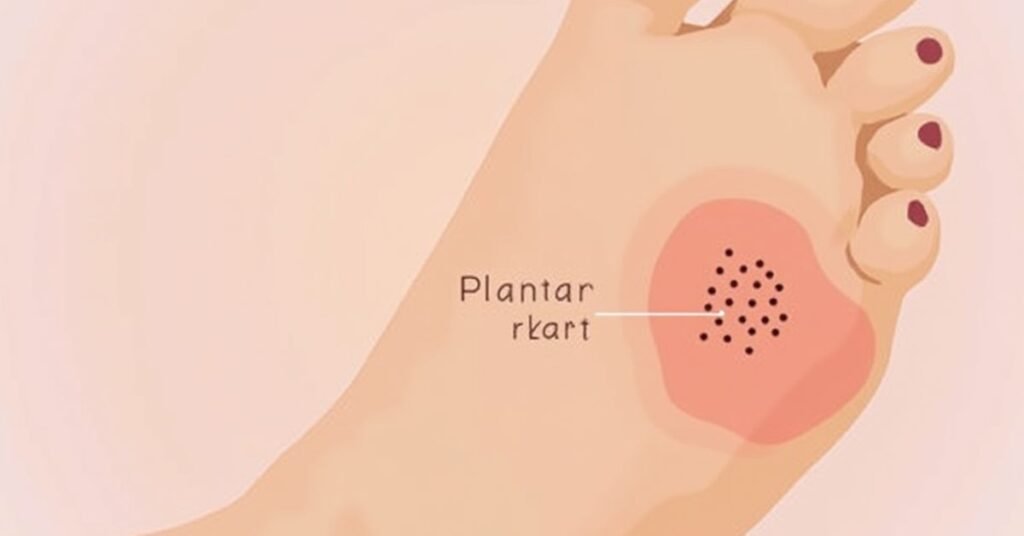
A plantar wart is a small, rough growth on the bottom of your foot. It is caused by the Human Papillomavirus, or HPV. This virus loves warm, damp places like locker rooms or pool decks. It enters your body through tiny cuts or weak spots on your soles. Because we walk on our feet, these warts are often pushed flat into the skin rather than growing outward.
They can be uncomfortable, but they are very common. You can usually spot one by looking for these specific signs:
- Small black dots: These look like seeds but are actually tiny, clotted blood vessels.
- Rough texture: The surface usually feels grainy or fleshy, similar to a cauliflower.
- Interrupted skin lines: The normal lines and ridges on your footprint will grow around the wart rather than through it.
- Side-pressure pain: It usually hurts more if you pinch the bump from the sides than if you press it flat.
What Is a Corn on the Foot?
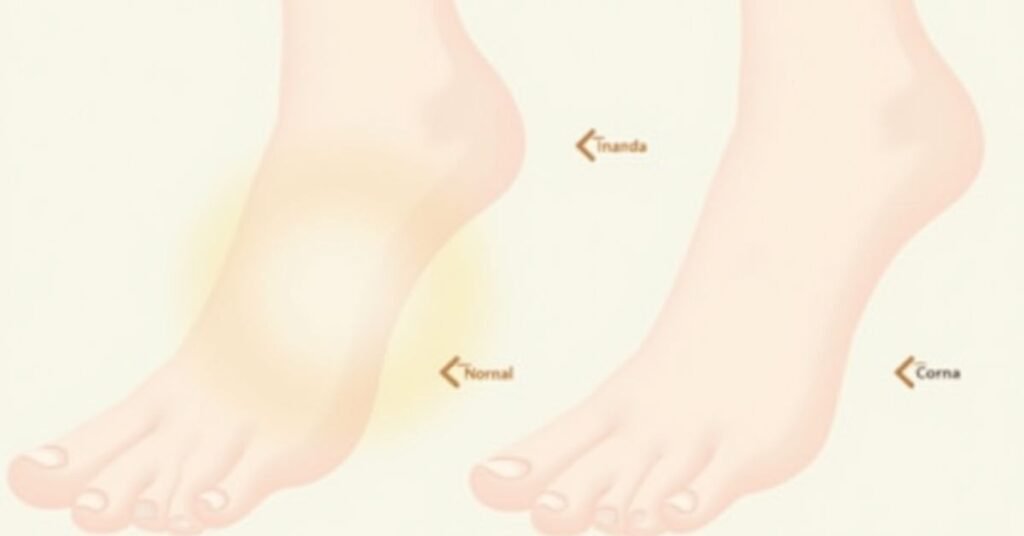
A corn is a small, thickened patch of dead skin that forms on your foot. Unlike a wart, it is not caused by a virus or a germ. It is actually your body’s way of protecting itself. When your skin is rubbed or squeezed constantly, it builds up a hard “shield” to prevent a blister or a wound from forming.
You will usually find corns on the tops or sides of your toes where shoes rub against them. They are often smaller than regular calluses and have a distinct, hard center. You should look for the following:
- A hard, raised bump: It usually feels firm and has a smooth, waxy surface.
- A “plug” in the middle: You can often see a clear or white center that looks like an eye.
- Direct pressure pain: It feels like a small pebble is in your shoe when you press straight down on it.
- Dry or flaky skin: The area around the corn may look yellow, dry, or scaly.
Plantar Wart vs Corn: Quick Comparison Table
Telling the difference between a wart and a corn can be tricky because they both look like hard bumps. The main thing to remember is that a wart is a viral infection, while a corn is just a skin reaction to pressure. If you see tiny black dots, you are likely dealing with a wart. If the skin looks like a smooth, waxy plug, it is probably a corn.
Treating them the wrong way can sometimes make the problem worse. For example, some over-the-counter liquids for corns can irritate the viral skin of a wart. Using the table below can help you figure out what is happening on your foot so you can choose the right fix.
Comparison Chart
| Feature | Plantar Wart | Foot Corn |
| Primary Cause | A virus (HPV) | Friction or pressure |
| Contagious? | Yes, it can spread | No, it is just dead skin |
| Appearance | Grainy, like a cauliflower | Smooth, waxy, or translucent |
| Black Dots | Often has tiny “seeds” inside | No dots; has a solid center |
| Location | Anywhere on the sole | Tops of toes or pressure points |
| Pain Trigger | Hurts when pinched from sides | Hurts when pressed directly |
| Skin Lines | Fingerprint lines stop at the edge | Fingerprint lines may continue |
| Common Trigger | Walking barefoot in gym showers | Tight shoes or bunions |
How to Tell If It’s a Plantar Wart vs Corn at Home
Checking your foot at home is the first step to getting relief. You don’t need a medical degree to spot the signs. Start by cleaning the area and looking at it under a bright light. If the bump has a “cauliflower” texture or tiny black specks, it is almost certainly a wart. If it looks like a smooth, hard “kernel” of corn, it is likely just a pressure spot.
The “Pinch Test” is one of the easiest ways to tell them apart. Warts are full of tiny nerves and blood vessels, so they are very sensitive to side-to-side pressure. Corns are just layers of dead skin, so they only hurt when you push them directly into the bone. Here is a quick checklist for your home inspection:
- Check for “Seeds”: Look for tiny black dots (clotted blood vessels). These only appear in warts.
- The Pinch Test: Squeeze the bump from the sides. If it stings, think “wart.”
- The Press Test: Push straight down on the bump. If it feels like a pebble, think “corn.”
- Look at the Lines: Check if your footprint lines go through the bump or stop at the edge. Warts usually break the natural lines of your skin.
Signs and Symptoms of Plantar Wart vs Corn
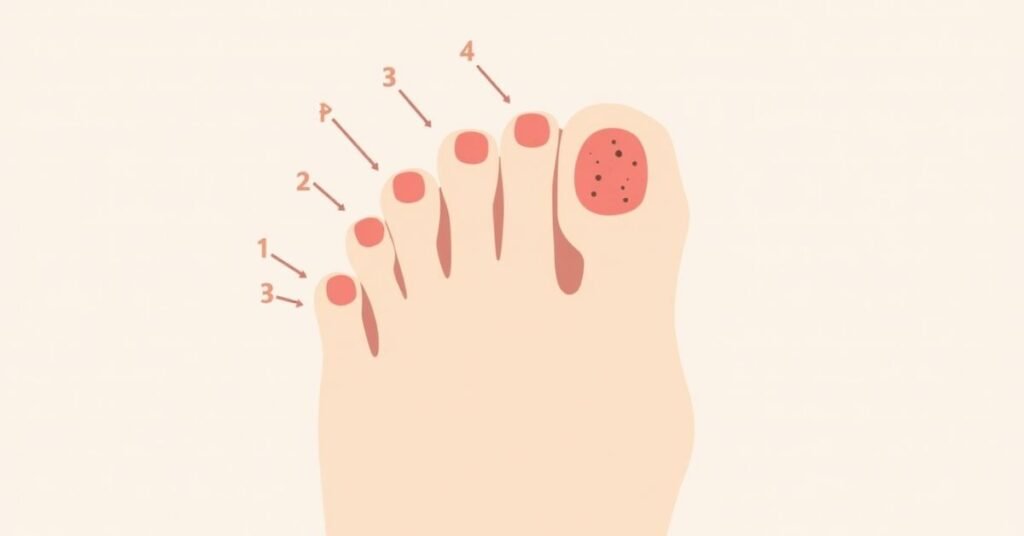
Plantar Wart vs Corn can be very sneaky because they hide on the bottom of your feet. At first, you might just see a small, fleshy bump that looks a bit like a callus. Over time, the wart might grow larger or even spread into a small cluster. Because you walk on it all day, the wart usually stays flat instead of bumping out.
The most telling sign of a plantar wart is how it changes your skin’s natural pattern. If you look closely, you will see that your footprint lines simply stop at the edge of the wart. It often feels like you have a small stone in your shoe that won’t go away. Watch out for these common symptoms:
- Tiny Black Pinpoints: These are often called “wart seeds,” but they are actually tiny clotted blood vessels.
- Rough or Grainy Skin: The surface usually looks bumpy, similar to a very small cauliflower.
- Pain When Squeezing: Warts are very sensitive if you pinch them from the sides.
- Interrupted Skin Ridges: The normal lines on your foot will go around the growth rather than through it.
Signs and Symptoms of Corns on the Feet
Plantar Wart vs Corn usually show up on the parts of your feet that bear the most weight or rub against your shoes. They often start as a small, tender patch of skin that gradually thickens over time. Unlike a wart, a corn usually stays in one spot and won’t spread to other areas. It often feels like a firm, waxy bump that is buried deep in your skin.
You can usually tell it’s a corn because the skin looks very dry and smooth, almost like a small pebble. It may feel very painful if you wear tight shoes or walk on hard floors for a long time. Here are the most common signs to look for:
- A Hard, Raised Center: You will often see a distinct “plug” or “eye” in the middle of the thickened skin.
- Direct Pressure Pain: It hurts most when you press straight down on the bump, like stepping on a small stone.
- Yellow or Translucent Color: The skin may look slightly yellow, waxy, or clear compared to the rest of your foot.
- Dry or Flaky Surrounding Skin: The area around the hard center often becomes scaly or very dry.
Plantar Wart vs Corn: Causes You Should Know
The main cause of a plantar wart is a virus. Specifically, it comes from the Human Papillomavirus, or HPV. This virus loves to live in warm, wet places like public showers or around swimming pools. It enters your skin through tiny, invisible cuts on the bottom of your feet. Once the virus gets in, it causes the skin to grow quickly into a bumpy wart.
Corns have a completely different cause. They are not caused by a virus or any kind of germ. Instead, a corn is your body’s way of protecting itself from too much rubbing. When your shoes are too tight or your toes rub together, the skin gets irritated. To prevent a wound, your body builds up a thick, hard layer of dead skin. Here is a quick look at the common causes:
- Walking Barefoot: Picking up the HPV virus in public locker rooms or gym showers.
- Sharing Personal Items: Using a towel or socks from someone who already has a wart.
- Tight or Poorly Fitting Shoes: Constant rubbing on the tops or sides of your toes.
- High Heels: Putting too much pressure on the front part of your foot.
- Foot Deformities: Issues like bunions or hammertoes that cause your foot to rub against your shoe.
Best Treatment Options for Plantar Wart vs Corn
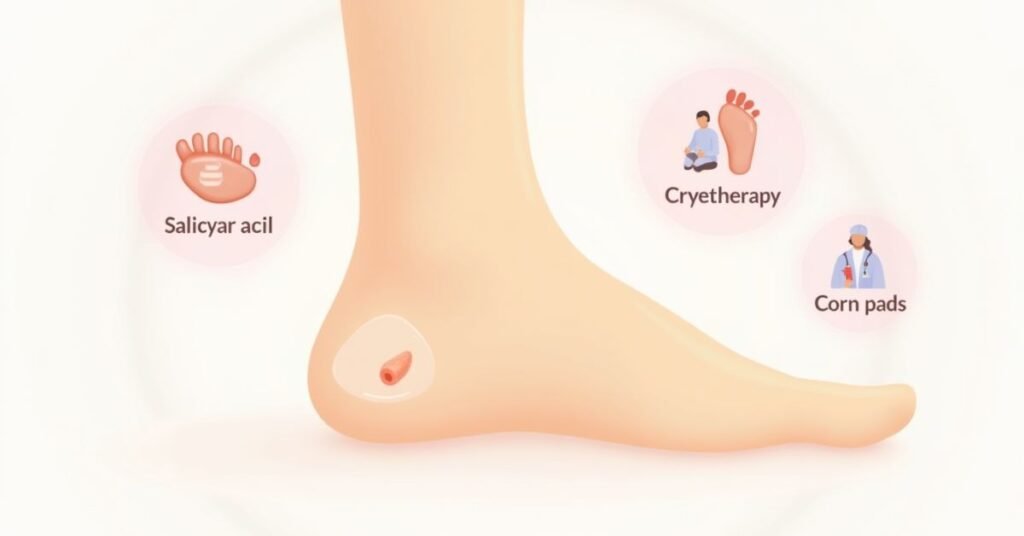
Treating a Plantar Wart vs Corn is all about killing the virus. You can find many effective options at your local drugstore, like salicylic acid liquids or freezing kits. These treatments slowly peel away the infected skin and alert your immune system to fight the virus. If a wart is very stubborn, a foot doctor can use stronger methods like laser therapy or minor surgery to remove it for good.
Treating a corn is much simpler because it isn’t an infection. The goal is to remove the pressure that caused the hard skin in the first place. You can soften the corn by soaking your foot in warm water and then gently using a pumice stone. Wearing wider shoes or using soft pads can also stop the rubbing so the skin can heal. Here are some common ways to get relief:
- Salicylic Acid Patches: These help dissolve the thick layers of skin for both warts and corns.
- Duct Tape Method: Covering a wart with tape can sometimes help peel it away over several weeks.
- Corn Pads: These doughnut-shaped cushions take the pressure off a corn while you walk.
- Freezing (Cryotherapy): A doctor uses liquid nitrogen to freeze a wart so it eventually falls off.
- Proper Footwear: Switching to shoes with a wider toe box to prevent corns from coming back.
When Should You See a Doctor for Foot Bumps?
Most foot bumps can be handled at home, but sometimes you need a professional. If a bump starts to bleed or changes color quickly, it is time to make an appointment. You should also see a doctor if you have tried over-the-counter treatments for several weeks and nothing is changing. A podiatrist can give you a much faster and more effective fix than a drugstore kit.
It is especially important to be careful if you have other health issues. For people with diabetes or poor circulation, even a small corn can turn into a serious wound if handled incorrectly. Never try to “cut out” a wart or corn yourself at home with a blade or scissors. This can lead to a deep infection that is much harder to treat. Any of the following symptoms should be reported to a doctor:
- Signs of Infection: Look for redness, swelling, or pus oozing from the area.
- Severe Pain: If the bump makes it hard for you to walk or wear any shoes at all.
- Diabetes: If you have nerve damage or high blood sugar, always let a doctor check your feet.
- Spreading Warts: If you notice new warts popping up in a cluster or moving to your other foot.
- Uncertainty: If you simply aren’t sure if it is a wart or a corn and don’t want to use the wrong medicine.
Conclusion
Determining whether you have a plantar wart or a corn is the first step toward walking comfortably again. While they might look similar, remembering that one is a virus and the other is just pressure helps you choose the right fix. Most of the time, a simple home check and the “pinch test” are all you need to solve the mystery.
If your foot doesn’t start feeling better after a few weeks of home care, don’t be afraid to ask for help. A professional can quickly clear up the problem and make sure you aren’t accidentally making an infection worse. Taking care of your feet now means you can get back to your daily routine without that annoying, localized pain holding you back.
FAQs
1. Can a corn turn into a plantar wart?
No, they are completely different. A corn is caused by skin friction, while a wart is caused by a viral infection.
2. Are plantar warts contagious to other people?
Yes, the virus can spread through direct contact or by walking barefoot in shared damp areas like showers.
3. Will a corn go away on its own if I change my shoes?
Yes, if you remove the constant pressure and rubbing, the thickened skin will eventually soften and disappear.
4. Can I use the same over-the-counter medicine for both?
Some salicylic acid treatments work for both, but it is better to use a product specifically designed for your exact problem.
5. How long does it typically take to get rid of a plantar wart?
It can take anywhere from a few weeks to several months, as the body needs time to kill the virus and shed the infected skin.

Jack Rivers is the founder of Plantsopedia, dedicated to making plant care simple, science-backed, and accessible for everyone. With a deep interest in botanical care and plant psychology, he specializes in rare tropical species and organic growth techniques, helping enthusiasts understand the soil, light, and biology behind every thriving plant. When he’s not experimenting with new propagation methods, Jack is busy turning complex horticultural science into practical, everyday advice for home gardeners