Introduction
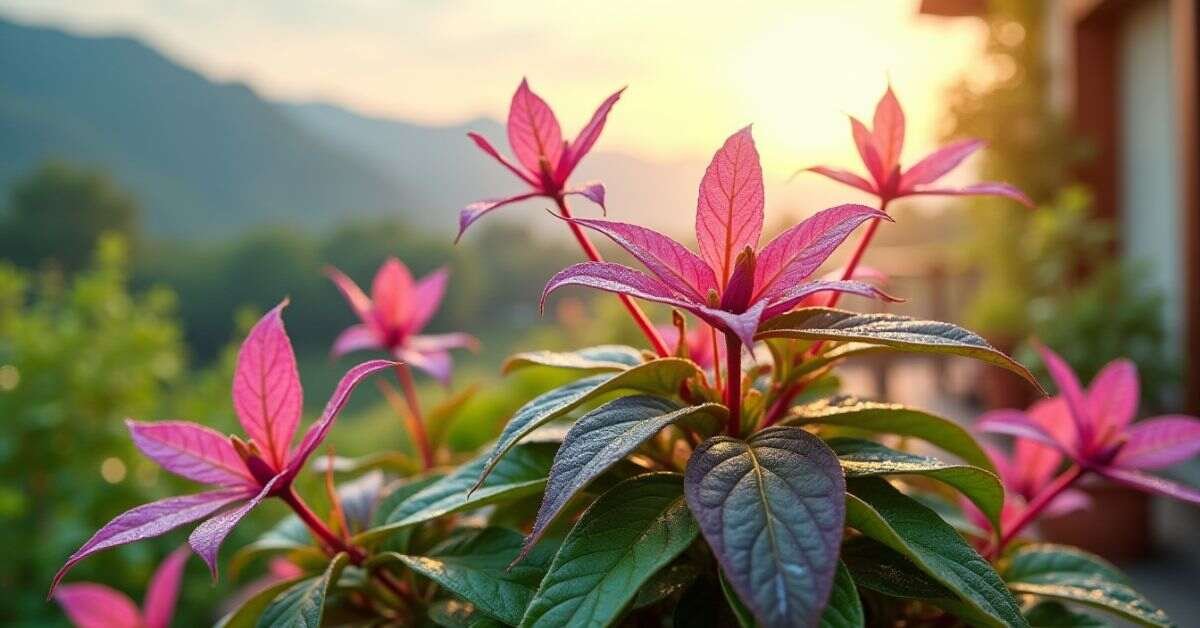
The Wandering Jew plant care is a popular indoor favorite known for its striking, trailing vines. These plants are famous for their vibrant leaves, which often feature shades of purple, green, and silver. Most people love them because they grow quickly and look beautiful in hanging baskets. They are hardy plants that can brighten up any room with very little effort.
Have you ever wondered why some plants look vibrant while others seem to fade away? Many growers struggle to keep those deep purple colors from turning dull and green. It can be frustrating to see your beautiful vines losing their shine over time. Luckily, there are a few simple tricks that can transform a struggling plant into a glowing masterpiece.
To get the best results, you need to master the balance of light, water, and pruning. This guide will reveal the specific secrets to keeping your foliage thick and colorful year-round. We will look at how to avoid common mistakes and make your plant thrive. With the right care, your home will soon be filled with lush, cascading vines.
Wandering Jew Plant Care Basics
Caring for this plant is very easy once you know the basics. It loves bright, indirect sunlight to keep its colors bold and bright. If the light is too low, the beautiful purple patterns may start to fade. Make sure to water it when the top inch of soil feels dry to the touch. Avoid letting the roots sit in soggy water, as this can cause them to rot.
These plants grow very fast and love to spread out. You can pinch back the stems regularly to help the plant grow thicker and bushier. This stops it from looking too thin or “leggy” over time. They also enjoy a bit of extra humidity, so a quick misting now and then makes them very happy. Just follow these simple steps, and your plant will stay healthy and strong.
Wandering Jew Plant Care: Light & Sun Needs
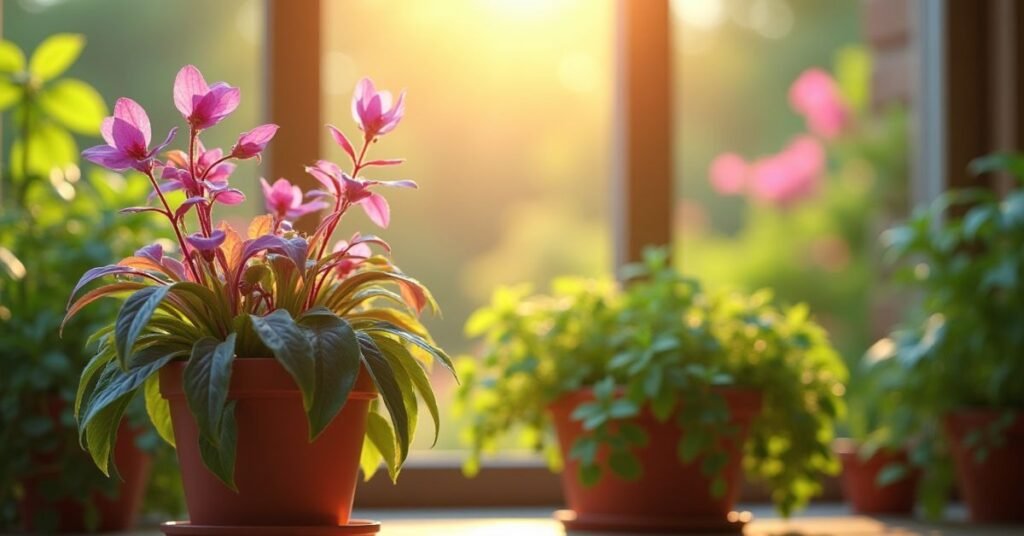
The Wandering Jew plant loves bright, indirect sunlight. This type of light helps the leaves keep their beautiful purple and silver colors. If you put the plant in a dark corner, the stems will stretch and look thin. However, you should avoid harsh, direct midday sun. Too much direct heat can actually burn the delicate leaves and leave brown spots.
A spot near an east or west-facing window is usually perfect. You will know your plant is happy when the leaves look vibrant and grow close together. If the colors start to fade to a plain green, it is a sign the plant needs more light. Finding the right balance is the secret to a thick and healthy plant.
- Bright Indirect Light: Best for keeping colors bold and deep.
- Morning Sun: Gentle rays are fine and help the plant grow.
- Avoid Direct Afternoon Sun: This can scorch and damage the foliage.
- Low Light Warning: Causes the plant to become “leggy” and lose its shine.
Watering Tips for Healthy Growth
Proper watering is the key to keeping your plant’s roots strong and healthy. You should always check the soil with your finger before adding more water. When the top inch of soil is dry to the touch, it’s time to water your plant. It is much better to underwater slightly than to drown the roots in too much moisture. Always make sure your pot has drainage holes so the extra water can flow out easily.
During the summer, your plant will likely need more frequent watering because of the heat. In the winter, the plant grows slower and will stay hydrated for a longer time. Be careful not to splash too much water directly onto the leaves, as trapped moisture can sometimes cause rot. Following a simple routine will help your plant grow lush and stay vibrant all year.
- Check the Soil: Only water when the top layer feels dry.
- Drainage is Key: Never let the plant sit in a saucer of standing water.
- Winter Schedule: Reduce watering during the colder months.
- Room Temperature Water: Use water that isn’t too cold to avoid shocking the roots.
Wandering Jew Plant Care: Best Soil & Potting
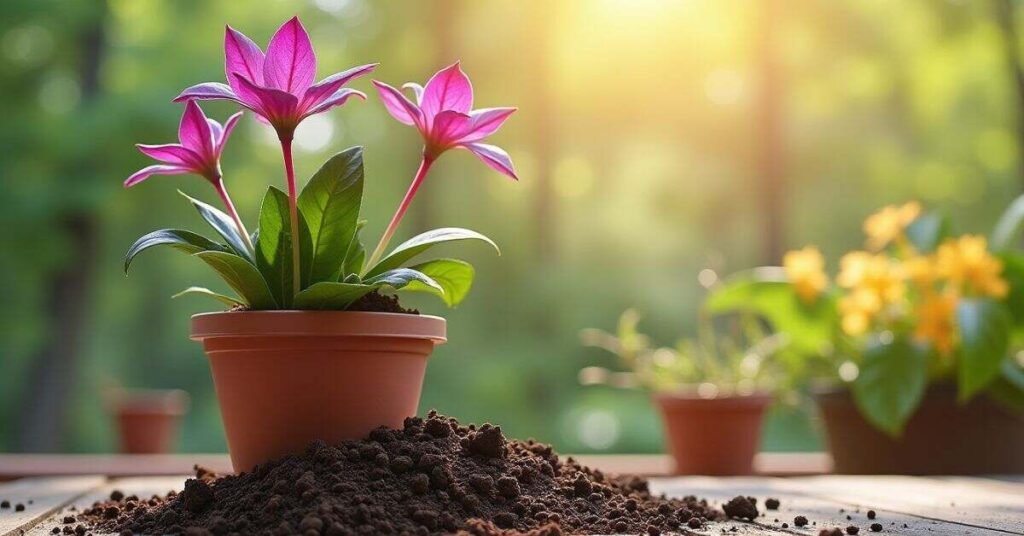
Choosing the right soil is very important for your plant. These plants prefer a mix that stays moist but does not stay wet. A standard high-quality potting soil mixed with a little perlite or peat moss works great. This blend allows the roots to breathe while still holding onto the food they need. If the soil is too heavy, the water will get trapped and cause problems.
The type of pot you use also makes a big difference. It is best to choose a pot with several drainage holes at the bottom. This lets the extra water escape so the roots stay healthy. You can use plastic, ceramic, or terracotta pots depending on your style. Just remember that terracotta dries out faster, so you might need to check the soil more often.
Wandering Jew Plant Care: Fertilizer & Nutrition
Feeding your plant gives it the energy to grow fast and stay colorful. During the spring and summer, you should use a balanced liquid fertilizer. It is best to do this once every two to four weeks while the plant is active. You do not need to feed the plant during the winter months. This is because the plant rests and does not need as much food to survive.
Always make sure to dilute your fertilizer with water first. Using full-strength food can be too strong and might burn the sensitive roots. It is also a good idea to water the plant normally before adding the fertilizer. This helps the nutrition spread evenly through the soil. With just a little extra boost, your plant will produce plenty of new, healthy leaves.
- Spring and Summer: Feed every 14 to 30 days for the best growth.
- Winter Break: Stop fertilizing when the weather gets cold.
- Dilute Your Mix: Use half the amount recommended on the bottle to be safe.
- Liquid Fertilizer: Works best because it reaches the roots quickly.
Wandering Jew Plant Care: Propagation Guide
Growing new plants from your original one is very simple and fun. You just need to take a small cutting from a healthy stem. Make sure the cutting has at least a few leaves and a couple of nodes. You can place the stem directly into a jar of clean water. In just a few days, you will see tiny white roots starting to grow from the bottom.
Once the roots are an inch or two long, you can move the cutting into a pot with fresh soil. You can also skip the water and put the fresh cutting straight into moist dirt. Keep the soil damp for the first week to help the new roots settle in. This is a great way to make your main plant look fuller or to share it with your friends.
- Water Method: Place stems in water until you see strong roots growing.
- Soil Method: Poke a hole in moist soil and tuck the stem inside.
- Node Placement: Ensure the leaf nodes are under the water or soil surface.
- Warmth and Light: Keep your new cuttings in a bright, warm spot to help them grow.
Wandering Jew Plant Care Problems & Solutions
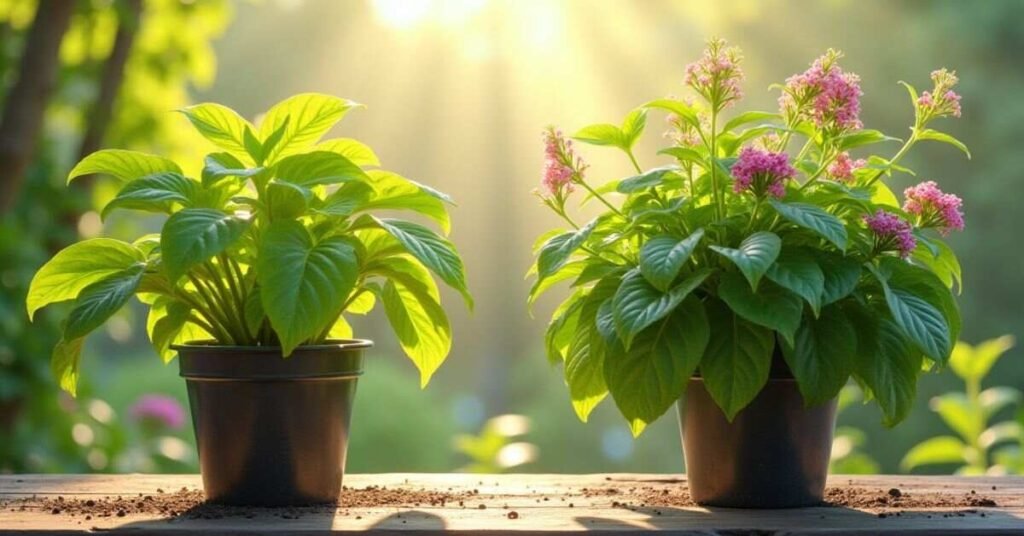
Even with the best care, your plant might run into some common issues. You might notice the leaves turning brown or the stems looking very thin. Most of these problems happen because of too much water or not enough light. If you see the beautiful purple color fading to green, your plant is likely asking for a sunnier spot. Catching these signs early makes it much easier to fix the problem and save your plant.
Pests like spider mites or mealybugs can also show up from time to time. These tiny bugs usually hide under the leaves or along the stems. You can easily wipe them away with a damp cloth or use a mild soapy water spray. Keeping the leaves clean and checking them once a week helps prevent big infestations. With a little attention, you can keep your foliage looking lush and healthy all year long.
Common Plant Problems and How to Fix Them
| Problem | Possible Cause | Simple Solution |
| Fading Leaf Colors | Not getting enough bright light. | Place the plant nearer to a window where it can receive more sunlight. |
| Yellowing Leaves | Soil is staying too wet for too long. | Allow the soil to dry between waterings and reduce the frequency of watering. |
| Brown, Crispy Tips | The air in the room is too dry. | Spray the leaves lightly or place the plant on a tray filled with water and pebbles. |
| Leggy, Thin Stems | Plant is stretching to find more light. | Trim the long stems and move to a brighter spot. |
| Small Insects | Pests like mites or aphids. | Wash the leaves with a gentle neem oil spray. |
| Wilting Plant | The soil is completely dried out. | Give the plant a deep soak in the sink. |
| Soft, Mushy Stems | Root rot from overwatering. | Cut off healthy stems to grow new roots in water. |
| Slow Growth | Needs more nutrients or a bigger pot. | Use a balanced fertilizer during the summer. |
Wandering Jew Plant Care: Pruning & Maintenance
Pruning is the best way to keep your plant looking full and bushy. Since these plants grow very quickly, they can sometimes become too long and thin. You can simply use your fingers or a clean pair of scissors to snip off the ends of the stems. This tells the plant to grow two new stems from the spot where you made the cut. Regular trimming prevents the plant from looking messy and keeps it neat.
Maintenance also involves keeping the leaves clean and healthy. Dust can settle on the smooth leaves and block the sunlight they need to grow. Every few weeks, take a soft damp cloth and gently wipe the foliage. This keeps the purple and silver colors shining bright and helps the plant breathe. Taking just a few minutes each month will keep your plant looking like it just came from the shop.
- Pinch the Tips: Remove the very ends of the stems to encourage thicker growth.
- Remove Dead Leaves: Always pull off any yellow or dried leaves to keep the plant clean.
- Rotate the Pot: Turn the plant every week so all sides get equal sunlight.
- Keep it Tidy: Trim back any vines that are touching the floor or getting in the way.
Wandering Jew Plant Care Indoors vs Outdoors
Growing this plant indoors is very popular because it stays beautiful all year. Inside your home, you can easily control the temperature and keep it away from frost. It looks great on high shelves or in hanging pots where the vines can drape down. You just need to make sure it sits in a bright room so it does not lose its color. Indoor plants usually need less water than those living outside in the wind and sun.
When grown outdoors, this plant can spread very quickly and act as a colorful ground cover. It loves the fresh air and natural light, which often makes the purple colors even deeper. However, you must be careful with the weather and harsh afternoon sun. If the temperature drops too low, the plant might struggle or even die. Many people bring their outdoor pots inside for the winter to keep them safe and warm.
Wandering Jew Plant Care: Seasonal Tips
Your plant changes its needs as the seasons change throughout the year. During the spring and summer, the plant grows very fast and is full of energy. This is the time when it needs the most water and regular feeding to stay lush. You will notice new leaves appearing almost every week when the weather is warm. Keeping it in a bright spot during these months helps it produce the most vibrant colors.
When the weather turns cold in the winter, the plant enters a resting phase. It does not need as much water because the soil stays moist for a much longer time. You should stop using fertilizer during this period to give the plant a break. Keep the plant away from cold windows or drafty doors that might chill the leaves. A little extra care during the transition between seasons will keep your plant happy and healthy.
- Spring Growth: Start fertilizing again and trim back any thin winter stems.
- Summer Hydration: Check the soil more often as the heat dries it out quickly.
- Autumn Prep: Move outdoor pots inside before the first frost hits.
- Winter Rest: Water much less and avoid feeding until the weather warms up.
Conclusion
Caring for a Wandering Jew plant is a fun and rewarding experience for any plant lover. By following these simple steps, you can keep your vines looking lush and colorful for a long time. Remember to watch the light and water your plant only when it is truly thirsty. These small efforts will help your home feel more alive and vibrant.
Don’t be afraid to prune your plant or try growing new ones from cuttings. It is a very forgiving plant that grows quickly when it feels happy. Sharing your beautiful plants with friends is one of the best parts of being a gardener. With the right care and attention, your cascading foliage will continue to thrive and shine every day.
FAQs
Q1. How often should I water my plant?
Water your plant only when the top inch of soil feels dry. It usually needs a drink once a week, but check the soil first to be safe.
Q2. Why are the purple colors on my leaves fading?
Your plant likely needs more bright, indirect light to keep its vibrant colors. Move it closer to a window where it can get plenty of natural glow.
Q3. Is the Wandering Jew plant safe for pets?
No, this plant can be irritating to cats and dogs if they touch or eat it. It is best to keep it in a hanging basket or on a high shelf away from pets.
Q4. How do I make my plant look fuller instead of long and thin?
Pinch off the tips of the long stems regularly with your fingers. This encourages the plant to grow new stems from the center and look much bushier.
Q5. Can I grow this plant in water forever?
While it grows roots quickly in water, it stays healthiest when moved to soil for long-term growth. Soil provides the essential nutrients the plant needs to stay strong.

Jack Rivers is the founder of Plantsopedia, dedicated to making plant care simple, science-backed, and accessible for everyone. With a deep interest in botanical care and plant psychology, he specializes in rare tropical species and organic growth techniques, helping enthusiasts understand the soil, light, and biology behind every thriving plant. When he’s not experimenting with new propagation methods, Jack is busy turning complex horticultural science into practical, everyday advice for home gardeners