Introduction
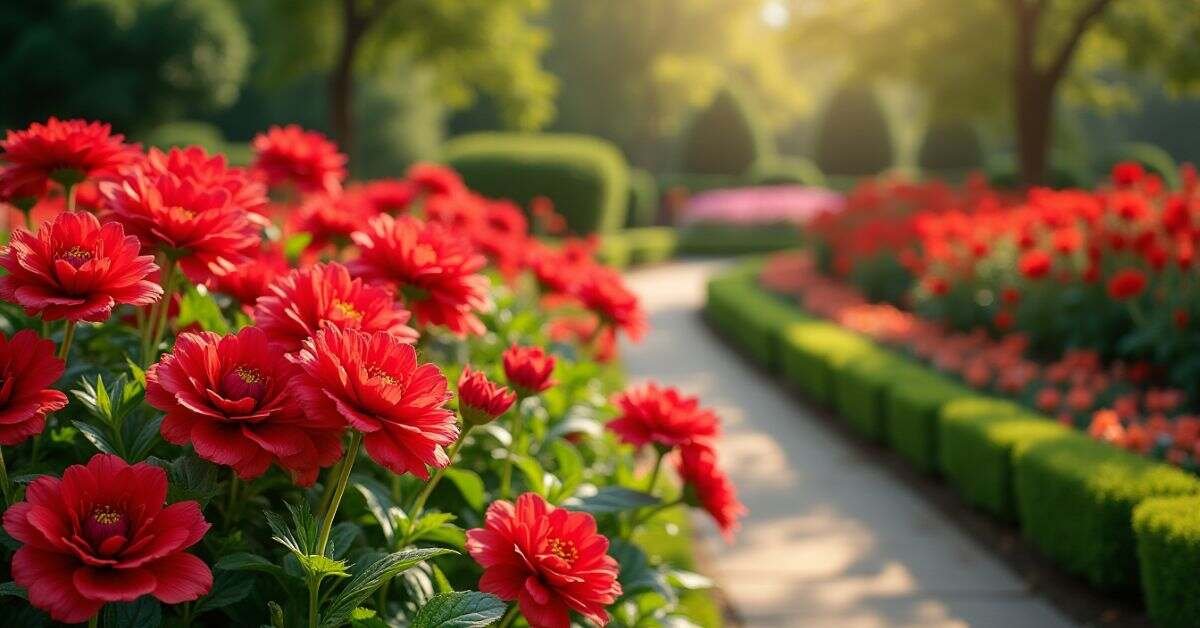
Red flower plant include any vegetation that produces crimson, scarlet, or ruby blossoms. These plants range from tiny annuals to massive perennial bushes. They are popular among gardeners because they possess vibrant pigments that attract the eye immediately.
Do you want to transform a dull backyard into a stunning landscape that neighbors notice? Red flowers act like magnets for the eyes, creating instant focal points in any outdoor area. They inject high energy into your space and make small yards look incredibly lively.
Beyond their looks, these plants offer incredible functional perks for your home. They attract helpful pollinators like hummingbirds and butterflies to improve your local ecosystem. Skincare brands use extracts from many species to soothe and brighten human skin.
Best Red Flower Plant Varieties
Classic choices like the red rose dominate traditional gardens across the world. These plants offer timeless elegance and release a sweet, heavy scent into the breeze. If you prefer low-maintenance options, you can choose red geraniums or vibrant petunias instead. These hardy varieties bloom continuously throughout the summer and thrive inside simple pots or window boxes.
Tropical options can bring a bold, exotic feel directly to your backyard setup. The red hibiscus showcases massive, trumpet-shaped petals that instantly attract hummingbirds. You can also plant red salvias if you want tall, fiery spikes that resist heat. These stunning varieties give your garden structure and keep your outdoor space looking sharp all season long.
Popular Red Flower Plant Choices
Many homeowners select specific plants because these varieties reliably deliver bold color year after year. Beginners and experts alike love options that demand very little effort but provide massive visual rewards. You can easily find these popular choices at any local nursery or garden center.
The list below highlights several top picks that thrive in most home environments:
- Red Peonies: These plants produce massive, fluffy blooms during the late spring months.
- Red Tulips: These bulbs announce the arrival of spring with clean, cup-shaped flowers.
- Red Amaryllis: This stunning option serves as a favorite indoor plant during the winter holidays.
- Red Poppies: These delicate wildflowers self-seed easily and create beautiful, natural fields.
These specific plants can help you build a dynamic landscape. They ensure that your yard showcases eye-catching red tones across different seasons.
Rare Red Flower Plant Varieties
Dedicated plant collectors hunt for unusual varieties that average gardens do not contain. These uncommon specimens display highly unique shapes, strange growth patterns, or deep crimson shades that surprise visitors. While these plants often require very specific growing conditions, they provide an unmatched sense of reward for passionate hobbyists.
The following list details several extraordinary red plants that will make your collection stand out:
- Torch Ginger: This tropical giant grows spectacular, glossy red structures that resemble a burning torch.
- Bat-Faced Cuphea: This quirky plant produces tiny purple tubes with two bright red upper petals that look like bat ears.
- Kangaroo Paw: This Australian native features furry, tube-like red blossoms that mimic the paws of a kangaroo.
- Chocolate Cosmos: This rare blossom boasts a rich, velvety dark-red hue and releases a distinct scent of real chocolate.
Adding these distinct varieties to your collection creates an instant conversation starter. They bring a true sense of discovery and exotic mystery directly into your home or garden space.
Red Flower Plant Growing Requirements
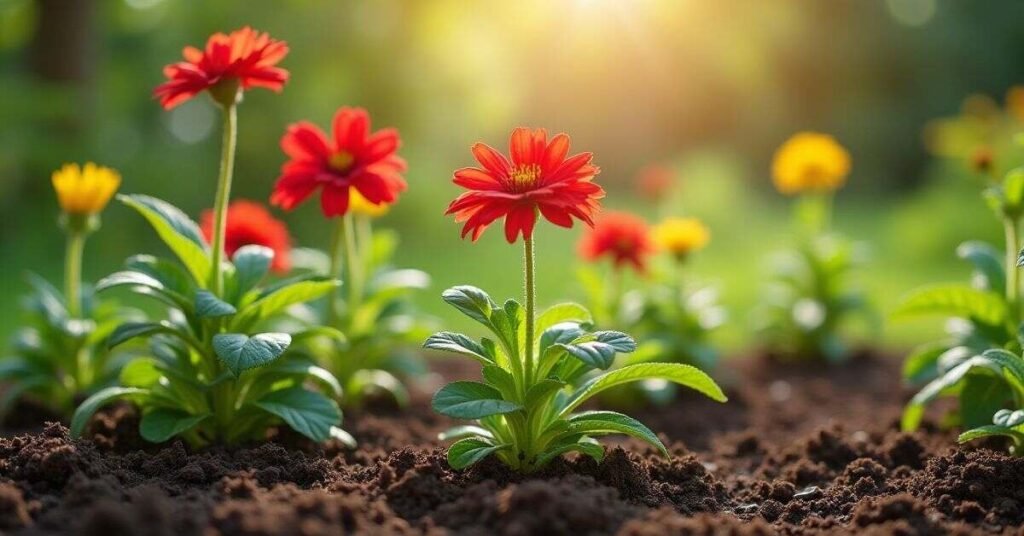
To achieve the brightest crimson and scarlet tones, you must give your plants the right environment. Most red flowers need plenty of direct sunlight to develop their intense pigments. Without proper care, your plants might produce fewer blossoms, or the colors might look dull and faded. You also need to monitor the soil quality to keep the roots healthy and strong.
Different species have specific needs regarding water, light, and soil type. The table below outlines the basic survival conditions for several common varieties:
| Plant Name | Sunlight Requirement | Watering Frequency | Ideal Soil Type |
| Red Rose | Full Sun (6+ hours) | Twice a week | Well-draining, rich loam |
| Red Geranium | Full Sun to Partial Shade | When top inch of soil dries | Sandy, well-draining mix |
| Red Hibiscus | Full Sun | Keep soil consistently moist | Moist, organic-rich soil |
| Red Salvia | Full Sun | Moderate (drought-tolerant) | Average, well-draining soil |
| Red Tulip | Full Sun to Afternoon Shade | Once a week in spring | Loose, sandy soil |
| Torch Ginger | Partial Shade | Daily (high humidity) | Rich, wet soil |
Matching your plants with the correct location ensures a spectacular display. Regular feeding during the spring and summer months will also boost the overall health of your garden.
Light Needs for Red Flower Plants
Sunlight acts as the main fuel source for your red flower plants. Most varieties require full sun, which means they need at least six hours of direct light every single day. Strong rays help the leaves produce energy through photosynthesis. This massive energy boost allows the plant to develop thick stems and dozens of heavy flower buds.
If you place these plants in deep shade, you will notice a fast decline in their appearance. The stems will stretch out and look thin as they hunt for a light source. The vibrant red colors will also fade into a dull, pale pink shade. To keep your garden looking sharp, always position your red flowers in your sunniest outdoor spots.
Soil Conditions for Healthy Growth
Healthy soil forms the foundation for beautiful, bright blossoms. Your red flowers need a loose ground mixture that allows excess water to drain away quickly. If the dirt traps too much moisture, the roots will suffocate and rot beneath the surface. You can mix organic compost into your garden beds to give the plants a steady supply of natural nutrients.
Different plants prefer specific underground conditions to truly thrive. You can optimize your garden beds by focusing on these essential soil elements:
- Excellent Drainage: Use sandy or loamy soil so water can move freely past the roots.
- Rich Nutrients: Mix in aged manure or leaf mold to feed the beneficial soil microbes.
- Correct pH Balance: Maintain a slightly acidic to neutral soil level for the best nutrient absorption.
- Break up hard clay clumps so young roots can spread out freely.
Taking time to prepare your dirt prepares your garden for ultimate success. Strong, well-fed roots will always produce the most spectacular crimson petals.
Red Flower Plant Care Tips
Consistent care keeps your red blossoms looking fresh and vibrant all season long. You should check your plants every few days to spot any dry leaves or invading pests early. Regular maintenance prevents small issues from turning into major diseases that kill your crop. A tiny bit of effort each week will reward you with a continuous explosion of bright color.
Implementing a few smart habits will maximize the health of your garden. You can achieve excellent results by following these simple routines:
- Practice Deadheading: Pinch off faded or dead flowers to force the plant to grow new buds.
- Water at the Base: Pour water directly onto the soil rather than soaking the wet leaves.
- Apply Natural Mulch: Spread a two-inch layer of wood chips around the base to lock in moisture.
- To boost blossom production during spring, apply a balanced fertilizer once a month.
These quick tasks will ensure that your red varieties stay strong and resilient. Your extra attention will directly create the most eye-catching yard in your neighborhood.
Watering a Red Flower Plant Correctly
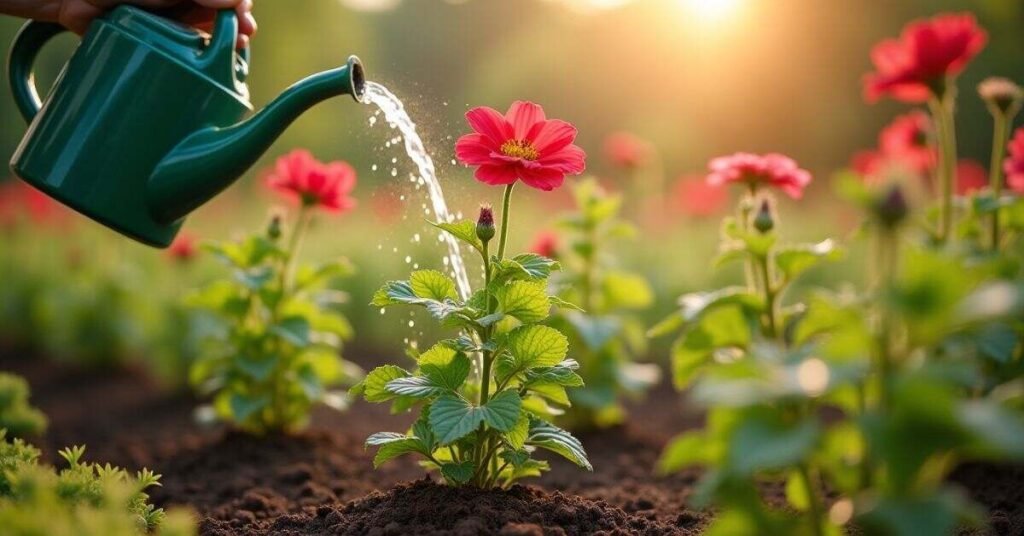
Proper watering makes the difference between a dying plant and a thriving garden. You must supply enough moisture so the roots can drink, but you should never let the plant sit in a soggy puddle. Flooded soil blocks oxygen from reaching the roots, which causes the plant to drown and turn yellow. Developing a consistent routine will keep your crimson blossoms plump and well-hydrated.
Different environments and seasons change how much water your garden actually needs. You can master your routine by keeping these essential watering guidelines in mind:
- Test the Dirt: Push your finger one inch into the soil before you grab your watering can.
- Water Deeply: Soak the ground thoroughly until water runs out the bottom of the pot.
- Pick the Morning: Water your plants early in the day so the rising sun can dry off any accidental splashes.
- Adjust for Heat: Give your plants extra hydration during intense summer heatwaves.
These simple rules prevent both dehydration and root rot. Your careful attention will keep your red flowers looking crisp and beautiful.
Best Places to Grow a Red Flower Plant
Your front yard garden beds offer the absolute best location for these fiery plants. Placing red flowers along your front walkway or near your entryway creates an instant welcome mat of color. These high-visibility spots ensure that your guests and passing neighbors can appreciate the bold visual impact immediately. Just make sure the chosen area faces south or west so the plants receive plenty of daily sunshine.
Patio containers and window boxes also serve as excellent homes for your red varieties. Pots allow you to move your plants around easily to catch the best afternoon rays. You can place these containers on back decks, balconies, or outdoor dining tables to bring the beauty closer to your seating areas. This flexibility helps you brighten up dull concrete spaces and control the soil quality perfectly.
Red Flower Plant Blooming Season
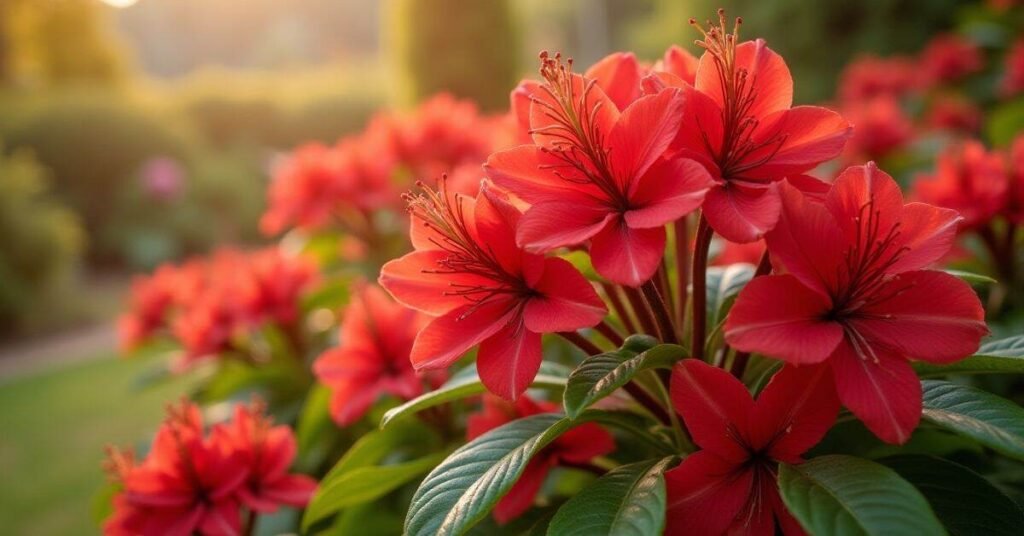
The timing of your crimson display depends entirely on the specific varieties that you choose. Some plants kick off the growing season early by opening their buds during the first warm days of spring. Other species wait until the peak of summer heat to unfold their fiery petals. By selecting plants with different blooming schedules, you can maintain a continuous wave of red across your landscape.
Planning your garden layout requires a clear understanding of when each plant shines. The table below details the peak blooming months and durations for popular red varieties:
| Plant Name | Peak Blooming Season | Bloom Duration | Main Visual Feature |
| Red Tulip | Early to Mid-Spring | 1 to 2 weeks | Cup-shaped petals |
| Red Peony | Late Spring | 7 to 10 days | Massive, fluffy heads |
| Red Geranium | Late Spring to Frost | Several months | Rounded flower clusters |
| Red Rose | Late Spring through Autumn | Repeating cycles | Classic, layered petals |
| Red Salvia | Summer to Autumn | Several months | Tall, fiery spikes |
| Red Hibiscus | Mid to Late Summer | Continuous daily blooms | Tropical, trumpet shapes |
| Red Amaryllis | Winter (Indoors) | 4 to 6 weeks | Giant, star-like blossoms |
Mixing these varieties together creates a dynamic backyard that never looks dull. You will enjoy a fresh burst of energy as one species passes the baton to the next.
Common Red Flower Plant Problems
Even the most careful gardeners face occasional setbacks when growing vibrant red flowers. Pests like tiny insects and fungal diseases can attack your plants without warning. These issues damage the green leaves and ruin the beautiful crimson blossoms. Early detection allows you to fix the problem before it ruins your whole garden display.
You can save your plants by watching out for these frequent issues:
- Powdery Mildew: This fungus creates a dusty white coating on your green leaves during humid weather.
- Aphid Invasions: These tiny green or black bugs cluster on new stems and suck the juices out of the plant.
- Leaf Spot: Dark brown or black circles appear on foliage due to overhead watering habits.
- Root Rot: Overwatering turns the roots mushy and causes the whole plant to wilt and collapse.
Inspecting your garden every week keeps your plants safe and healthy. Quick action with natural soap sprays or pruning shears will preserve your stunning red display.
Red Flower Plant Benefits for Gardens
Red flowers demand attention. They act as bold accents in any landscape. You create an immediate visual impact with these bright colors. They break up the monotony of deep green foliage. Gardeners use these plants to frame pathways and highlight special areas. Neighbors notice the vibrant glow of a red garden bed instantly.
These plants provide more than just beauty. They attract essential pollinators like hummingbirds and butterflies. These creatures support your garden’s health. You also encourage biodiversity in your yard by planting these varieties. A red garden supports the local ecosystem effectively. You gain a lively, buzzing outdoor space in exchange for your planting efforts.
Indoor Red Flower Plant Options
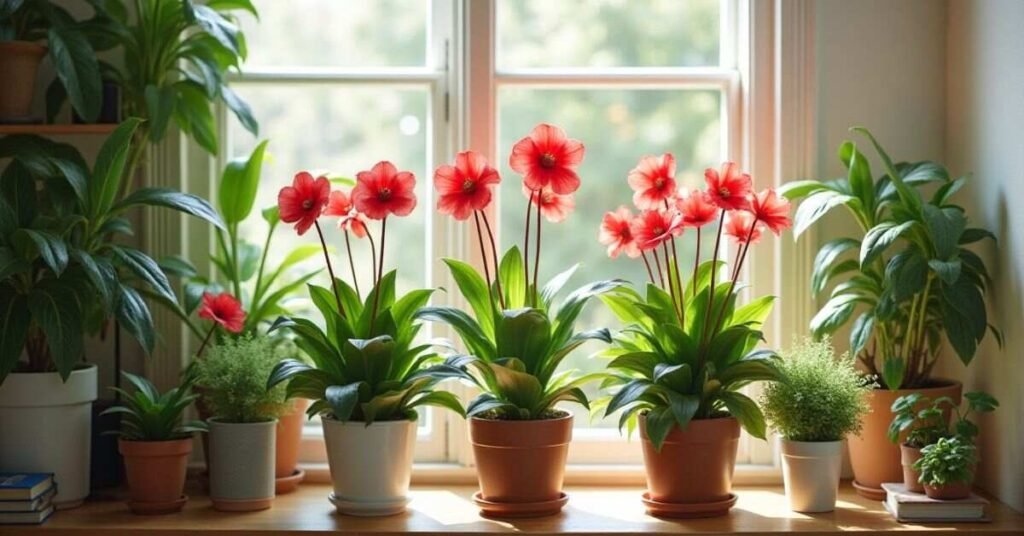
You do not need a massive backyard to enjoy the beauty of crimson blossoms. There are many stunning red flower varieties that thrive in the comfort of your own home. These houseplants bring a warm, cheerful energy into your living room, kitchen, or office space. The plants grow well on sunny windowsills and require very little maintenance.
The list below features several top choices for your indoor garden collection:
- Anthurium: This popular plant showcases shiny, heart-shaped red leaves that last for months.
- Christmas Cactus: This hardy succulent produces cascading pinkish-red blooms during the winter holidays.
- African Violets: These compact plants offer soft, velvety green leaves and constant clusters of small red flowers.
- Kalanchoe: This easy-care succulent grows dense bunches of tiny, star-shaped crimson blossoms.
These indoor selections will instantly brighten up your interior decor.These houseplants provide a simple method for experiencing the benefits of the outdoors right from your living room.
Read More : https://plantsopedia.com/plants-for-betta/
How to Propagate a Red Flower Plant
Propagating allows you to multiply your favorite red flower varieties without spending any money. You can create brand-new plants to expand your garden or share with your friends. This simple process duplicates the exact traits of the parent plant. You will enjoy identical, vibrant crimson blossoms on your new starts next season.
Stem cuttings offer the easiest method for most popular red flower varieties. You will achieve great success with your new starts by executing these simple tasks in order:
- Cut a Stem: Select a healthy four-inch stem with plenty of leaves but no active flower buds.
- Trim Lower Leaves: Snip off the leaves from the bottom half of your cutting to expose the growth nodes.
- Place in Water or Soil: Put the bare stem into a jar of clean water or push it directly into loose, moist potting soil.
- Provide Bright Light: Position the cutting in a warm spot with plenty of indirect sunlight.
- Wait for Roots: Check for fresh root growth after two to three weeks, then transplant your new start into the garden.
Keep the soil moist or change the jar water weekly during this waiting period. Soon, your new baby plants will establish themselves and start growing their own fiery red petals.
FAQs
What is the easiest red flower plant to grow indoors?
The Anthurium stands out as the easiest indoor option because it handles low light well. Its glossy, heart-shaped red leaves remain vibrant for several months with minimal watering.
How many hours of sunlight do red flowers need?
Most red flower plants require at least six hours of direct sunlight every day. This intense light fuels the production of their deep crimson pigments and boosts bloom development.
Why are my red flower petals turning pale or pink?
Your plants likely lack adequate sunlight, which stops them from producing strong red pigments. Move your flower pots to a sunnier location to restore their bold, fiery colors.
Can I grow red roses in small plastic pots?
You can grow miniature red rose varieties in pots, but standard roses require large, deep containers. Ensure your pots have excellent drainage holes to prevent water from trapping the roots.
What is the correct watering schedule for your garden’s red geraniums?
Water your geraniums only when the top inch of soil feels completely dry to the touch. These hardy plants prefer deep, thorough watering sessions rather than constant, shallow misting.
Conclusion
Adding red flower plants to your property offers a simple way to elevate your lifestyle. These vibrant varieties instantly boost your home’s visual appeal and create an exciting, welcoming environment. They also support your local wildlife by providing vital food sources for passing birds and insects.
You can achieve great success by following basic light, soil, and watering guidelines. Consistent, simple care will reward you with a spectacular display of crimson tones year after year. Invest a little time into your plants today, and enjoy a beautiful, high-energy garden for seasons to come.

Jack Rivers is the founder of Plantsopedia, dedicated to making plant care simple, science-backed, and accessible for everyone. With a deep interest in botanical care and plant psychology, he specializes in rare tropical species and organic growth techniques, helping enthusiasts understand the soil, light, and biology behind every thriving plant. When he’s not experimenting with new propagation methods, Jack is busy turning complex horticultural science into practical, everyday advice for home gardeners