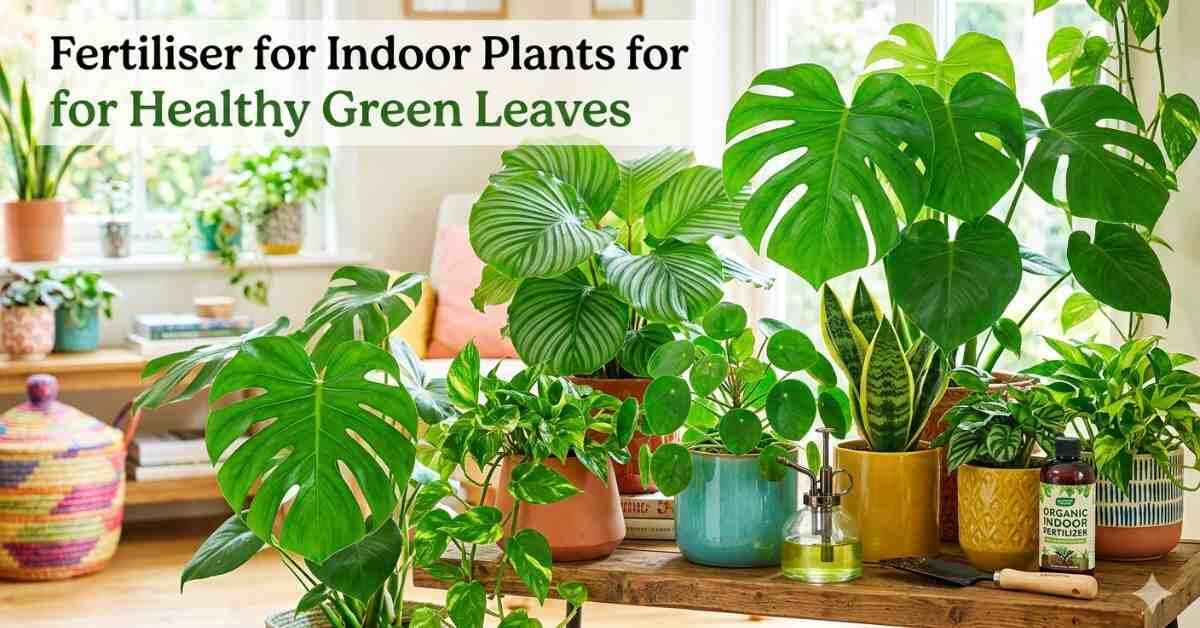
Introduction
Fertiliser for Indoor Plants is essentially a meal for your greenery. Since potted plants live in a limited amount of soil, they eventually run out of natural nutrients. Fertiliser acts as a supplement, providing the essential “food” like nitrogen and potassium that plants need to stay strong and grow.
Have you ever noticed your once-vibrant houseplant starting to look a bit dull or tired? It’s a common frustration among plant parents. Even with the perfect amount of sunlight and water, your plants might still struggle to produce those lush, deep green leaves you love. Usually, they aren’t dying—they’re just hungry.
To get those healthy green leaves, you need to understand the balance of nutrients. Nitrogen is the real star here, as it specifically helps with leaf growth and color. By choosing the right formula and feeding your plants at the right time, you can transform a fading fern into a thriving indoor jungle.
What Is Fertiliser for Indoor Plants?
Think of fertiliser as a multivitamin for your greenery. In nature, plants get nutrients from decaying leaves and rain. Inside your home, they only have the soil in their pots. Over time, the plant sucks all the “good stuff” out of that dirt, leaving it empty. Fertiliser steps in to refill those nutrients so your plant doesn’t starve.
It usually comes in liquids, powders, or small sticks. These products contain three main ingredients: nitrogen, phosphorus, and potassium. Nitrogen is the most important one for those bright, healthy green leaves. By adding a little bit to your watering routine, you give your plants the energy they need to grow tall and stay vibrant.
Why Indoor Plants Need Fertiliser
Indoor plants live in a very small world inside their pots. Unlike plants in a garden, they cannot stretch their roots into the earth to find more food. Once they use up the nutrients in their potting soil, they have nothing left to eat. Fertiliser acts as a refill for that “food” so your plants can keep growing strong.
Without these extra nutrients, your plants will eventually stop growing or turn a pale yellow color. Adding a little bit of fertiliser gives them the energy to produce those lush, deep green leaves you love. Here are a few main reasons why your indoor greenery needs a regular feeding:
- Limited Soil: The nutrients in a small pot run out quickly as the plant grows.
- Watering: Every time you water your plant, some of the natural minerals wash out through the drainage holes.
- Energy Boost: Proper feeding helps plants fight off pests and stay healthy during their growing season.
- Better Color: Nitrogen in the fertiliser is what keeps the leaves looking vibrant and bright.
Best Types of Fertiliser for Indoor Plants
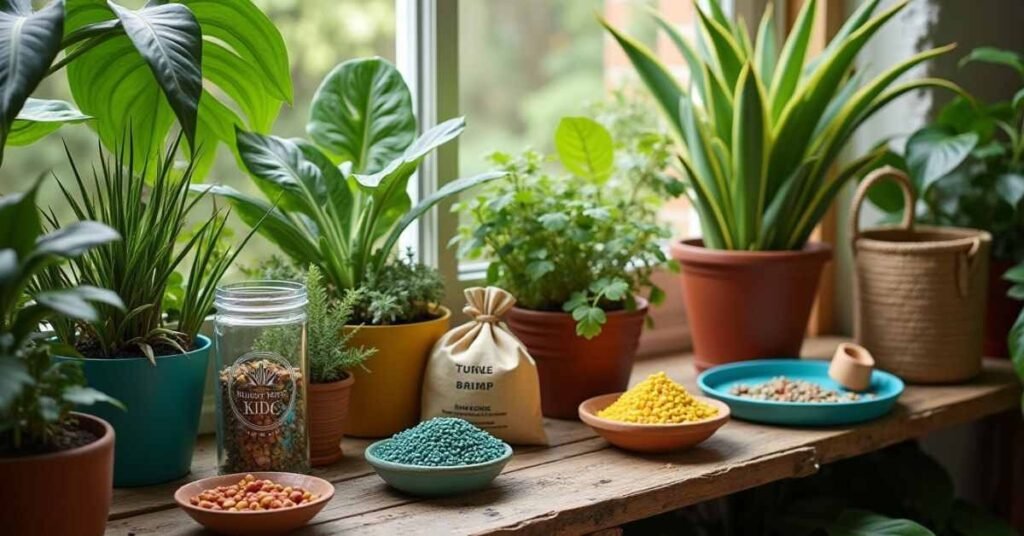
Choosing the right food for your plants depends on how much time you have. Some people prefer a quick liquid mix they can add while watering. Others like to “set it and forget it” by using slow-release spikes or granules. The main goal is to find a method that fits your routine and keeps your greenery happy.
Organic options are great if you want to be extra gentle with your plants. They release nutrients slowly and improve the soil quality over time. Synthetic fertilisers work a bit faster and are often more affordable. No matter which one you pick, always follow the label so you don’t overfeed your leafy friends.
Popular Fertiliser Options
| Type of Fertiliser | How to Use It | Why Choose This? |
| Liquid Fertiliser | Pour water over the soil and mix well. | Fast-acting and easy to control the dose. |
| Slow-Release Pellets | Shake onto the soil surface once every few months. | Great for busy people; feeds for 3–6 months. |
| Fertiliser Spikes | Push the stick directly into the potting mix. | Simple and mess-free; no measuring needed. |
| Organic Compost | Sprinkle a small amount on top of the soil. | Natural and very safe for sensitive plants. |
| Soluble Powder | Dissolve in a watering can before use. | Usually the most budget-friendly option. |
| Foliar Spray | Mist directly onto the leaves of the plant. | Best for a quick green-up of dull leaves. |
Liquid vs Solid Fertiliser for Indoor Plants
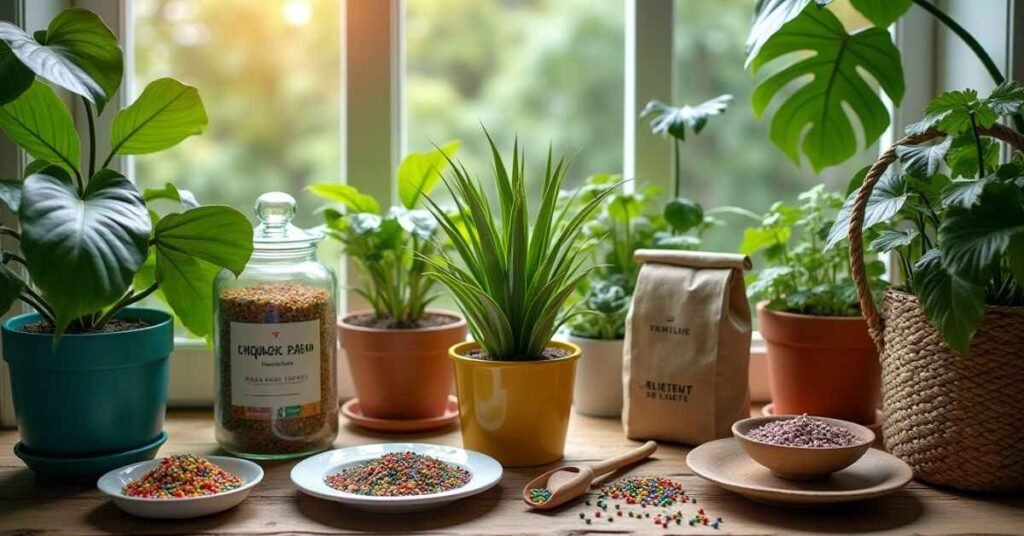
Choosing between liquid and solid fertiliser is mostly about how fast you want to see results. Liquid fertilisers are like an energy drink for your plants. They get absorbed almost immediately by the roots, which is great if your plant looks a bit hungry or tired. You just mix it with water and pour it in as usual.
Solid fertilisers are more like a slow, steady meal. These usually come in granules or spikes that sit in the soil and break down over several weeks or months. You don’t have to remember to feed your plants as often with these. They are perfect if you want a low-maintenance way to keep your indoor garden green.
Comparison of Liquid and Solid Fertilisers
| Feature | Liquid Fertiliser | Solid (Granular/Spikes) |
| How It Works | Mix with water and apply. | Sprinkle on soil or push in a spike. |
| Speed | Works almost immediately. | Releases nutrients very slowly. |
| Frequency | Use every 2–4 weeks. | Use once every 3–6 months. |
| Control | Easy to adjust the dose. | Harder to change once in the soil. |
| Best For | Fixing yellow leaves quickly. | Long-term, steady growth. |
| Risk | High risk of “burning” if too strong. | Low risk if used correctly. |
| Storage | Usually takes up less shelf space. | Can be bulky or get dusty. |
| Application | Messy if you spill the liquid. | Clean and very easy to handle. |
How Often to Use Fertiliser for Indoor Plants
Feeding your plants is all about timing. Most indoor plants grow the fastest during the spring and summer months. This is when they are most hungry and need a regular boost of nutrients. Usually, feeding them once every two to four weeks during this time is plenty. It keeps them strong without overdoing it.
In the winter, most plants take a little break and grow much slower. They don’t need as much food when they are resting. If you keep fertilising them in the winter, the extra nutrients can actually hurt their roots. It is usually best to stop feeding them entirely during the coldest months. Here are some simple tips to help you stay on track:
- Watch the Season: Only fertilise during the active growing season (Spring and Summer).
- Check the Growth: If your plant is putting out new leaves, it is probably ready for a meal.
- Read the Label: Every fertiliser brand has different strengths, so always follow their specific timing.
- Wait After Repotting: If you just moved your plant to fresh soil, wait about two months before adding fertiliser.
- Less is More: It is always safer to under-feed your plants than to over-feed them.
How to Apply Fertiliser for Indoor Plants
Applying fertiliser correctly is just as important as choosing the right one. You should always make sure the soil is already a little bit damp before you begin. If the soil is bone dry, the fertiliser can actually burn the sensitive roots of your plant. It is best to water your plant lightly first and then apply the feeding.
Most people prefer to mix their fertiliser into a watering can. This helps spread the nutrients evenly throughout the pot so every root gets a drink. If you are using solid spikes or pellets, make sure to space them out around the edges. This keeps the concentrated food away from the main stem. Following are some simple steps you can follow:
- Dilute the Mix: Use half the amount of fertiliser the label suggests to be extra safe.
- Avoid the Leaves: Try to pour the liquid directly onto the soil to prevent leaf spots.
- Drain the Excess: Always let the extra water run out of the bottom of the pot.
- Clean the Pot: Occasionally wipe away any white crusty salt buildup on the soil surface.
- Watch for Growth: Look for new green leaves as a sign that your application worked.
Organic Fertiliser for Indoor Plants at Home
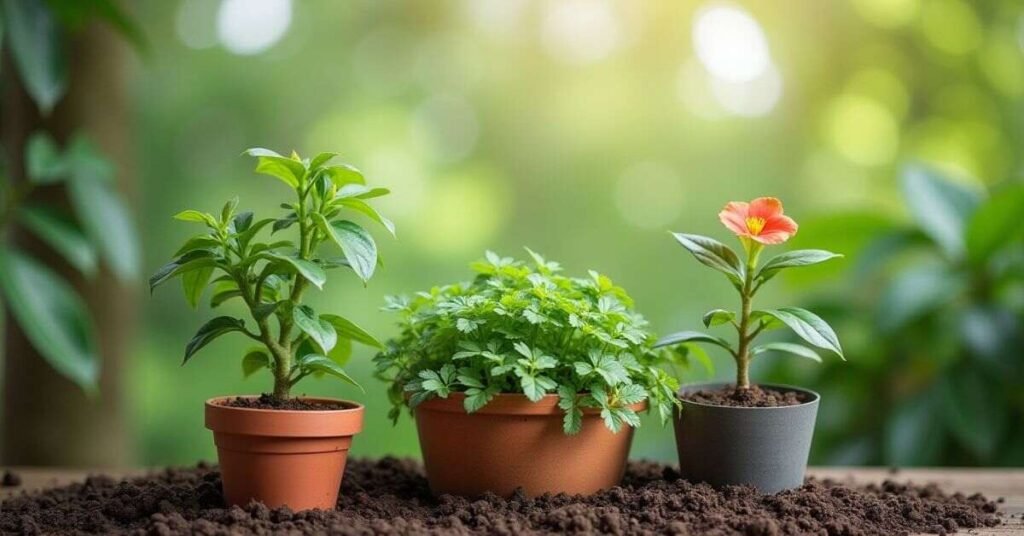
The kitchen is a great place to make organic fertiliser. Many everyday items contain the exact nutrients your plants crave. Using these natural options is very safe for your home and your pets. It is a budget-friendly way to keep your greenery looking vibrant and healthy.
Organic feeding is all about giving back to the soil. These natural ingredients break down slowly over time. This process provides a steady stream of food instead of one big burst. Your plants will grow stronger and develop deep green leaves without any harsh chemicals. Here are some easy organic options you likely already have:
- Eggshells: Crush them up to add calcium for strong plant cells.
- Banana Peels: Soak them in water to create a potassium-rich drink.
- Used Coffee Grounds: Mix a tiny bit into the soil for a nitrogen boost.
- Aquarium Water: Use the old water from your fish tank to feed your plants.
- Rice Water: Save the water from washing rice to give your plants extra minerals.
Common Mistakes to Avoid When Fertilising
One of the biggest mistakes is giving your plants too much food. It is easy to think that more fertiliser means faster growth, but the opposite is often true. Using too much can actually “burn” the roots and turn the leaf edges brown. It is always better to use a weaker mix than a very strong one.
Another common error is feeding your plants when they are struggling for other reasons. If a plant is wilting from thirst or a pest problem, adding fertiliser will only cause more stress. You should always make sure your plant is generally healthy and hydrated before you offer it a meal. Here are a few other things to watch out for:
- Dry Soil: Never put fertiliser on bone-dry soil, as it can damage the roots.
- Winter Feeding: Most plants do not need food when they are resting in the cold months.
- Poor Drainage: If the extra fertiliser cannot wash out the bottom, it builds up and becomes toxic.
- Ignoring the Label: Every brand is different, so always check the specific instructions first.
- Getting it on Leaves: Liquid food can sometimes leave marks or burns on the foliage.
Best Fertiliser for Indoor Plants (Top Picks)
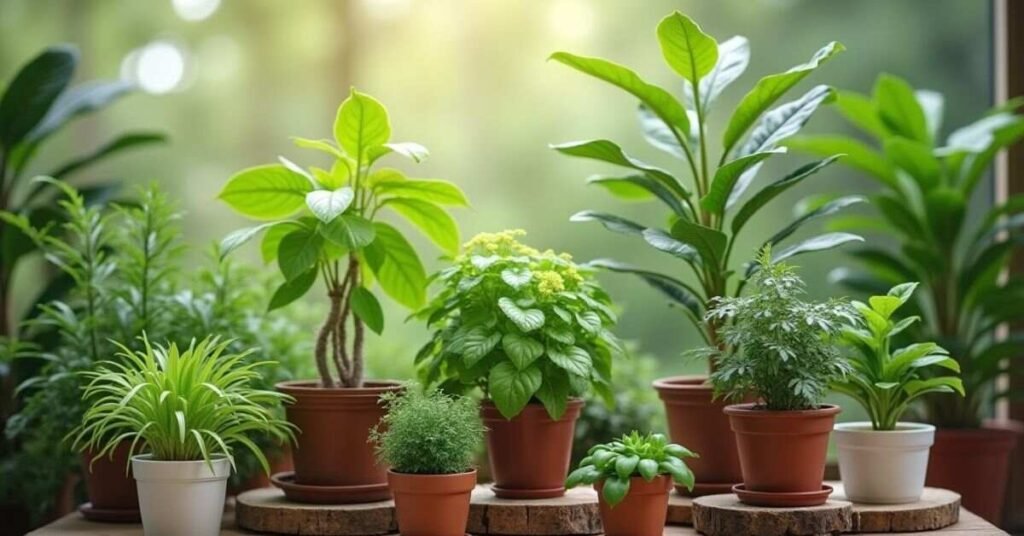
Finding the best fertiliser depends on whether you want a quick boost or a slow, steady feed. Many experts and plant parents rely on trusted brands that have proven results for years. For most leafy houseplants, a balanced formula or one slightly higher in nitrogen is the secret to keeping those vibrant green colors all year long.
There are many great options on the market, ranging from easy-to-use liquids to organic pellets. Some of the most popular choices are loved because they are affordable and very hard to mess up. Here are some of the top-rated fertilisers currently used by indoor gardeners:
- Espoma Organic Indoor Plant Food: A top pick for organic lovers. It is gentle, liquid-based, and contains beneficial microbes to help the soil stay healthy.
- Miracle-Gro Indoor Plant Food: This is one of the most famous choices. It is a liquid that you can apply directly to the soil for instant results and lush growth.
- Osmocote Plus Smart-Release: These are small pellets that you mix into the soil. They feed your plants for up to six months, so you don’t have to remember to do it often.
- Neptune’s Harvest Fish & Seaweed: A natural liquid option that is packed with nutrients. It is great for building strong roots and helping plants handle indoor stress.
- Jobe’s Organics Fertiliser Spikes: These are pre-measured sticks that you just push into the dirt. They are perfect if you want a mess-free way to feed your plants.
Signs Your Indoor Plants Need Fertiliser
Your plants have their own way of telling you when they are hungry. If you notice that your plant has stopped growing even during the spring, it might be out of food. Usually, the first sign is a change in the leaves. When a plant lacks nutrients, it cannot maintain its vibrant look and starts to look a bit sad.
You might also see that new leaves are much smaller than the old ones. Sometimes the plant will even drop its lower leaves to save energy for the top. Paying attention to these small changes helps you catch a problem before it gets worse. Here are some common signs that your greenery is ready for a meal:
- Pale or Yellow Leaves: This is often a sign that the plant needs more nitrogen.
- Slow Growth: The plant isn’t producing any new leaves during the growing season.
- Weak Stems: The plant looks “leggy” or the stems feel soft and thin.
- Small New Leaves: Any new growth looks tiny or stunted compared to the rest of the plant.
- Lack of Flowers: Flowering plants may stop blooming because they don’t have enough energy.
Conclusion
Taking care of your indoor plants doesn’t have to be complicated or stressful. By adding a little bit of fertiliser at the right time, you give your greenery the food it needs to stay vibrant. It is the easiest way to make sure your home stays filled with those beautiful, healthy green leaves that make any space feel more alive.
Remember to start slow and watch how your plants react to their new feeding routine. Every plant is a bit different, so pay attention to the small signs they give you. With a little patience and the right nutrients, you can transform your home into a thriving indoor jungle that stays happy for years to come.
FAQs
1. Is it necessary to fertilize my indoor plants frequently?
Most plants only need food every 2–4 weeks during the spring and summer. In the winter, you should stop fertilising completely while they rest.
2. Can I use outdoor garden fertiliser for my indoor plants?
It is better to avoid it because outdoor formulas are often too strong for pots. Stick to indoor-specific fertilisers to prevent burning the sensitive roots.
3. What happens if I use too much fertiliser?
Overfeeding can cause “fertiliser burn,” which shows up as brown, crispy leaf edges. It can also lead to a salt buildup in the soil that hurts the plant.
4. Should I water my plant before or after fertilising?
Always water your plant lightly before adding fertiliser. Applying nutrients to bone-dry soil can damage the roots and cause unnecessary stress.
5. Do all indoor plants need the same type of fertiliser?
No, different plants have different needs. Leafy green plants love nitrogen, while flowering plants usually need more phosphorus to bloom.

Jack Rivers is the founder of Plantsopedia, dedicated to making plant care simple, science-backed, and accessible for everyone. With a deep interest in botanical care and plant psychology, he specializes in rare tropical species and organic growth techniques, helping enthusiasts understand the soil, light, and biology behind every thriving plant. When he’s not experimenting with new propagation methods, Jack is busy turning complex horticultural science into practical, everyday advice for home gardeners
1 thought on “Fertiliser for Indoor Plants for Healthy Green Leaves”