Introduction
Olive plant seeds are the small, hard pits found at the center of the olive fruit. These seeds carry the genetic blueprint needed to grow a brand-new tree from scratch. While most people see them as kitchen waste, they are actually the starting point for a beautiful, silvery-green plant.
Imagine walking onto your balcony or into your garden and picking fresh olives from a tree you raised yourself. It sounds like a dream from the Mediterranean countryside, but it is entirely possible to do right at home. You don’t need a massive orchard to enjoy the timeless beauty of these ancient, hardy trees.
Growing an olive tree from a seed is a slow but very rewarding process. It requires a bit of patience, the right soil, and plenty of sunlight to get those first sprouts moving. This guide will walk you through the simple steps to turn a tiny seed into a thriving indoor or outdoor tree.
Grow Olive Plant Seeds Easily
First, pick out fresh, raw seeds that haven’t been cooked or pickled. Clean off any leftover fruit skin and soak the seeds in warm water for a full day. This helps soften the hard outer shell so the tiny sprout can push through more easily. Use a small file to gently nick the end of the seed to give it an extra boost.
Next, tuck your seeds into a pot filled with well-draining soil and keep it in a warm, sunny spot. Water the soil just enough to keep it damp, but never let it get soggy. Patience is key here, as it can take several weeks to see a green shoot appear. Once your little tree starts growing, it will become a hardy and beautiful part of your home.
Best Soil for Olive Plant Seeds
Olive Plant Seeds need soil that drains water very quickly to stay healthy. They hate sitting in stagnant water, which can cause the tiny seeds to rot before they even sprout. A light and airy mix allows the roots to breathe and move easily as they grow. You can find great pre-made mixes, or you can easily create your own at home.
Mixing regular potting soil with gritty materials is the best way to mimic their natural Mediterranean home. This keeps the environment lean and rocky, just the way these hardy plants prefer. A good balance ensures the soil stays moist enough for growth but dry enough to prevent mold.
- Use a mix of two parts potting soil to one part coarse sand.
- Add a handful of perlite or fine gravel to help with drainage.
- Avoid using heavy garden clay, as it packs too tightly.
- Ensure your pot has plenty of holes at the bottom for water to escape.
Olive Plant Seeds Planting Guide
Start by placing your prepared seeds about one inch deep into the soil. Make sure the pointed end of the seed faces slightly upward to help the sprout reach the surface. Gently pat the soil down so it makes good contact with the seed, but do not pack it too tightly. A light touch ensures the tiny roots can move freely as they begin to grow.
Keep your pots in a warm area that gets plenty of indirect sunlight throughout the day. Check the soil daily and add a little water whenever the top layer feels dry to the touch. It takes some time for the first green shoot to appear, so stay patient and keep the environment steady. Once the seedling is a few inches tall, you can move it to a sunnier spot to strengthen the new leaves.
Indoor Olive Plant Seeds Tips
Place your pots near a south-facing window to give them the most sunlight possible. Olive seeds love warmth and need at least six to eight hours of light every day. If your home stays a bit chilly, you can use a heat mat under the pots to keep the soil cozy. This extra warmth mimics a sunny hillside and helps the seeds sprout much faster.
Make sure your indoor space has good air circulation to keep the plants healthy. Stagnant air can lead to mold or pests, so cracking a window nearby on warm days is a great idea. Rotate the pot every few days so the little sapling grows straight instead of leaning toward the light. A small fan set on low can also help strengthen the stem as it begins to climb.
Scarification & Stratification
Scarification is a simple way to help a hard Olive Plant Seeds seed wake up and grow. Olive seeds have a very thick outer shell that protects the tiny plant inside. By gently nicking or sanding the outside, you allow water to reach the center much faster. This small step can save you weeks of waiting for a sprout to appear.
Stratification is the next step and involves using cool temperatures to mimic a natural winter. This process tells the seed that the cold season has passed and it is finally time to start growing. You can easily do this by placing your seeds in a damp paper towel inside a sealed bag. Storing them in a cool spot for a few weeks helps the seeds stay healthy and strong.
- Scarification: Use a small file or sandpaper to gently rub the pointed end of the seed.
- Water Soak: After sanding, soak the seeds in warm water for 24 hours to soften them.
- Stratification: Keep seeds in a cool, dark place like a refrigerator for about four to six weeks.
- Moisture: Ensure the paper towel stays damp but not dripping wet during the cooling period.
Top Olive Plant Seeds Varieties

Choosing the right Olive Plant Seeds variety depends on what you want from your tree. Some types grow very tall and produce large fruits for eating. Other varieties stay smaller and work perfectly as beautiful indoor plants. It is helpful to pick a seed that fits your home space and local climate.
Each type of olive has its own unique look and growth habit. Some have silvery leaves that shimmer in the light, while others have deep green foliage. Growing a few different kinds can give your garden or home a wonderful Mediterranean feel. Here is a list of popular varieties to help you decide which one to plant.
Popular Olive Varieties for Home Growing
| Variety Name | Best Use | Growth Habit | Fruit Characteristic |
| Arbequina | Indoor & Outdoor | Compact and bushy | Small, brown, and very tasty |
| Mission | Cold Hardy | Tall and upright | Large, black, and great for oil |
| Koroneiki | Oil Production | Sturdy and productive | Small fruit with high oil content |
| Manzanillo | Table Olives | Spreading and thick | Large, meaty, and bright green |
| Frantoio | Ornamental | Graceful and airy | Medium size with a nutty flavor |
| Picholine | Snacks/Appetizers | Medium height | Elongated shape and very crisp |
| Maurino | Pollination | Weeping and elegant | Small fruit used mainly for oil |
Water & Sun for Olive Seeds

Olive Plant Seeds need a very bright and warm spot to start growing well. They love soaking up at least six to eight hours of direct sunlight every single day. If you are growing them indoors, a south-facing window is usually the best place for your pots. Plenty of light ensures the new stems grow strong and do not become thin or weak.
When it comes to water, these seeds prefer a light touch rather than a heavy soak. Keep the soil slightly damp but never let it turn into mud, as too much water can rot the seed. It is a good idea to let the very top of the soil dry out a little bit before you add more. Consistency helps the tiny roots settle in without getting stressed.
- Place your pots in the sunniest part of your home or garden.
- Spray a gentle mist on the soil surface using a spray bottle.
- Check the moisture levels every morning to see if they need a drink.
- Move the pots away from cold drafts or air conditioning vents.
Olive Plant Seeds Sprouting Time
Patience is the most important part of growing Olive Plant Seeds trees from seeds. It usually takes about one to three months for the first green shoot to appear. Some seeds might take even longer depending on the warmth of the room and the soil. Do not worry if you do not see anything for several weeks, as the roots are growing first.
Keep the soil consistently warm to help speed up the sprouting process. A steady environment with plenty of light tells the seed it is safe to break through the shell. Once you see a tiny green stem peeking out, your hard work has finally paid off. Continue providing gentle care and avoid moving the pot too much during this delicate stage.
Hydroponic Olive Plant Seeds
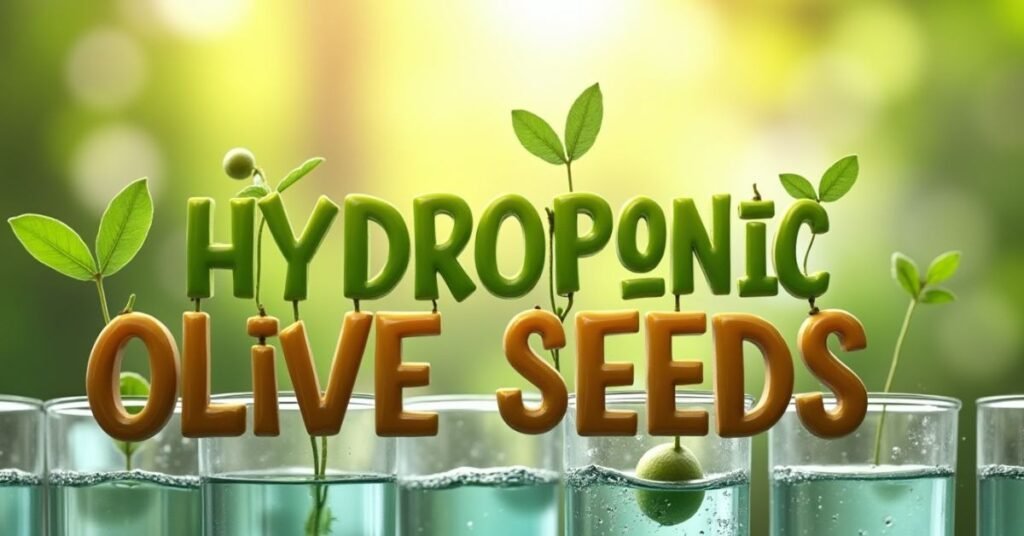
Growing olive seeds in water is a fun and clean way to start your mini orchard. This method lets you watch the tiny roots grow through the clear container or grow medium. It is perfect for small spaces like a kitchen counter or a desk where you can keep a close eye on them. Using water instead of soil can sometimes help the seeds sprout a little bit faster.
A simple setup with a small net pot and some clay pebbles works wonders for these seeds. Make sure the water has a tiny bit of plant food so the new sprout stays strong and healthy. You also need to keep the water fresh by changing it every week to prevent any slime from growing. This modern way of gardening is a great project for anyone who loves plants and technology.
- Use a small glass jar or a specialized hydroponic kit.
- Fill the container with clay pebbles or perlite to hold the seed.
- Keep the water level just touching the bottom of the seed.
- Place the setup under a bright LED grow light for best results.
- Add a drop of liquid fertilizer once the first green leaf appears.
Caring for Olive Trees from Seeds
Once your tiny sprout appears, it needs a lot of bright light to grow strong. Place the pot in a very sunny spot where it can soak up the rays all day long. If the stem starts to look thin or leans too much, it might need more light. Turn the pot a little bit every week so the plant grows straight and tall.
Water your young tree only when the top inch of soil feels dry to the touch. It is much better to underwater an olive tree than to give it too much. These plants are very tough and do not like to sit in soggy dirt. As the tree gets bigger, you can move it into a larger pot with fresh soil to give the roots more room to spread out.
Conclusion
Growing an olive tree from a tiny seed is a slow but very rewarding journey. It takes a bit of patience and steady care to see those first green leaves appear. Even if you have a small space, these hardy plants bring a touch of natural beauty into any home. Watching a seed you planted turn into a silver-green tree is a wonderful feeling.
Start your planting project today and enjoy the process of learning along the way. With enough sunlight and the right soil, your little olive tree will thrive for many years. You do not need to be an expert to grow something amazing right on your windowsill. Every great orchard started with just one small seed and a little bit of heart.
Frequently Asked Questions
1. How long does it take for an olive seed to sprout?
It usually takes between one to three months for the first green shoot to appear. Some seeds may take longer depending on the warmth and moisture of the soil.
2. Can I grow an olive tree from a store-bought olive?
No, olives from a jar are cooked or pickled, which kills the seed inside. You must use fresh, raw olive pits that have not been processed.
3. Do olive trees need a lot of water?
Olive trees prefer to stay on the dry side and only need water when the top inch of soil is dry. Overwatering is the most common mistake and can cause the roots to rot.
4. Can an olive tree grow indoors forever?
Yes, you can keep an olive tree indoors if it gets at least six hours of direct sunlight daily. You will eventually need to move it to a larger pot as it grows taller.
5. Do I need to fertilize my young olive seedling?
You should wait until the plant has several sets of leaves before adding a light, balanced fertilizer. Only feed the plant during the spring and summer growing seasons.

Jack Rivers is the founder of Plantsopedia, dedicated to making plant care simple, science-backed, and accessible for everyone. With a deep interest in botanical care and plant psychology, he specializes in rare tropical species and organic growth techniques, helping enthusiasts understand the soil, light, and biology behind every thriving plant. When he’s not experimenting with new propagation methods, Jack is busy turning complex horticultural science into practical, everyday advice for home gardeners