Introduction
Growing Tomato Plant is the practice of nurturing one of the world’s most popular garden fruits from a tiny seed into a heavy, red-laden vine. It involves managing the plant’s environment—like soil, water, and sun—to ensure it stays healthy. Basically, it’s about giving your plant exactly what it needs to turn sunlight into delicious, juicy snacks.
Have you ever tasted a tomato fresh off the vine, still warm from the sun? It’s a world away from the bland, mealy versions you find at the grocery store. Growing your own isn’t just a hobby; it’s a way to unlock flavors you simply can’t buy. If you’ve ever struggled with yellow leaves or tiny yields, don’t worry. You are about to turn your garden into a high-production tomato factory.
To get those massive harvests, you need to focus on a few golden rules. Success starts with deep watering and ends with the right balance of nutrients in the soil. We will look at how to prune for maximum airflow and why “staking” is your best friend. With these simple adjustments, you’ll see faster growth and bigger fruit in no time.
Tomato Plant Growing Basics for Beginners
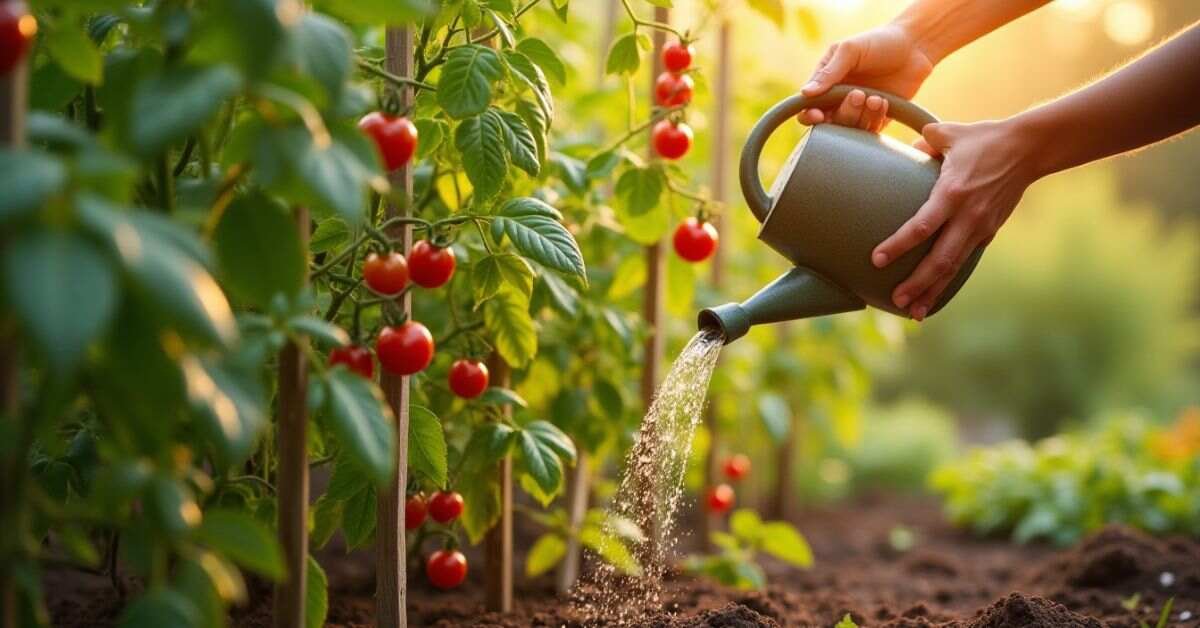
To start your garden, you first need a spot that gets plenty of sunshine. Tomato plants love the heat and require at least six to eight hours of direct light every day. You should plant them in rich, well-draining soil so the roots don’t get soggy. There’s no need to worry if you’re short on space. Many varieties grow perfectly well in large pots on a patio or balcony.
Watering is the next big step in keeping your plants happy. It is best to water the base of the plant early in the morning. This keeps the leaves dry and prevents diseases from spreading. As the plant grows taller, you will need to give it some support. Using a wooden stake or a metal cage helps the stems stay upright under the weight of the heavy fruit.
Best Soil for Tomato Plant Growth
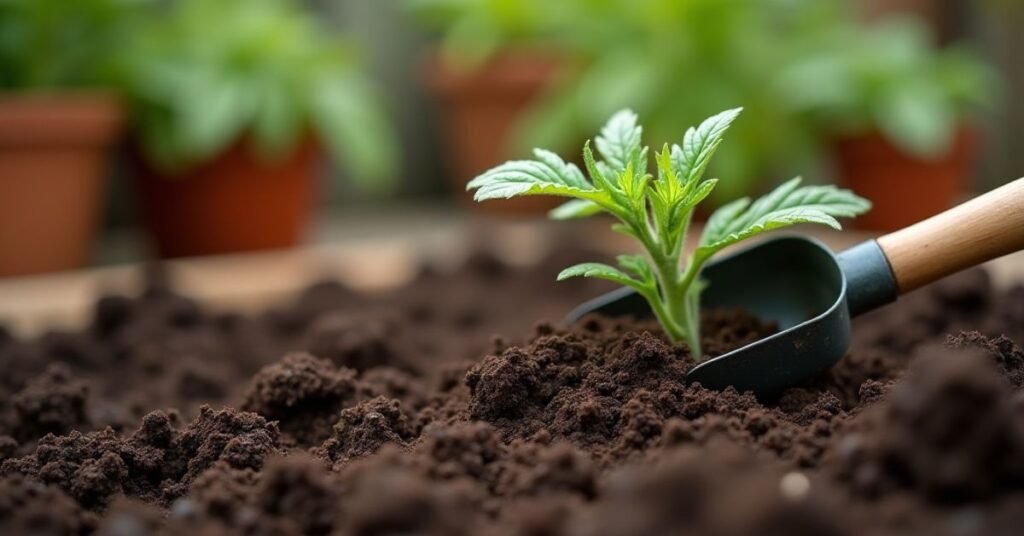
The secret to a huge harvest starts right at the roots. Tomatoes are heavy feeders and need soil that is packed with nutrients and organic matter. You want a mix that is loose and fluffy, not hard like a brick. This allows the roots to spread out easily and find the water they need. If your garden soil is too sandy or has too much clay, adding compost can fix it quickly.
Good soil should also drain well so your plants don’t sit in puddles. At the same time, it needs to hold onto enough moisture to keep the plant hydrated during a hot afternoon. A slightly acidic environment is perfect for these plants to thrive. Here are a few things to look for in your soil mix:
- Aged Compost: This adds natural fertilizer and improves the soil texture.
- Perlite or Vermiculite: These white bits help with drainage and airflow.
- Peat Moss: This helps the soil stay damp without becoming waterlogged.
- Balanced pH: Aim for a level between 6.0 and 6.8 for the best results.
Tomato Plant from Seed to Harvest
Watching a tiny seed turn into a tall plant is like magic. You start by sowing your seeds in small trays filled with light soil. Keep the soil damp and place the trays in a warm, sunny window. Soon, tiny green stems will push through the surface. Once they grow a few sets of leaves, they are ready to move to their permanent home in the sun.
The middle stage is all about growth and patience. Your plants will need plenty of water and sunshine to get strong. You will see yellow flowers appear, which eventually grow into green fruit. It takes a few months, but the wait is worth it when you see those bright colors. Follow these steps to get started:
- Start Indoors: Plant seeds in small pots about two months before the warm weather arrives.
- Move Outside: Plant them in the garden once the nights are no longer cold.
- Provide Support: Put a stake or cage in the ground to help the plant grow tall.
- Water and Feed: Give the plant a drink every morning and add some fertilizer.
- Pick the Fruit: Harvest your tomatoes when they are firm and fully colored.
Watering Tips for a Healthy Tomato Plant
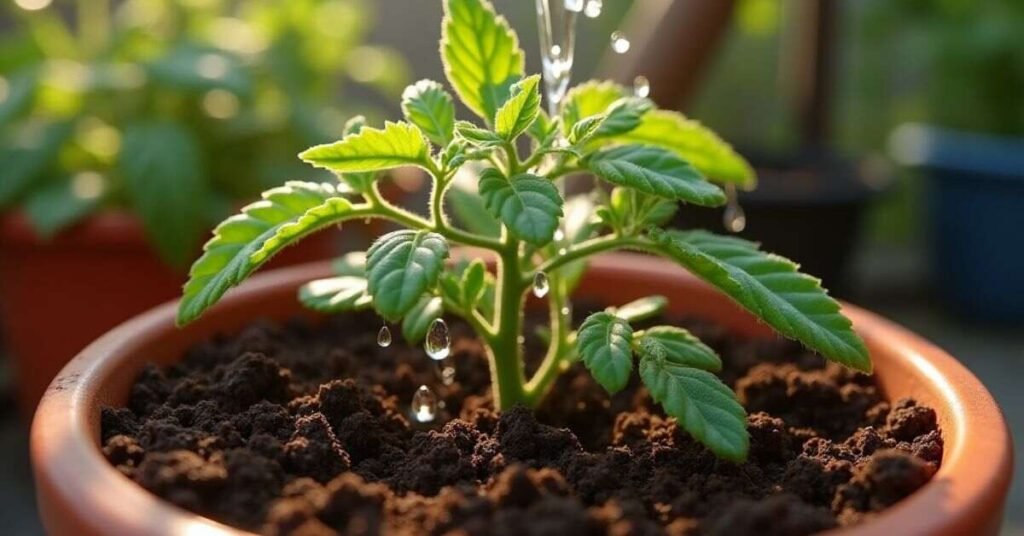
Watering is the most important daily task for a successful garden. You want to keep the soil consistently damp but never like a swamp. It is best to water early in the morning so the plant can drink before the hot sun hits. Always aim your hose at the base of the stem. Keeping the leaves dry is the best way to prevent spots and diseases from growing.
If you let the soil get bone dry and then soak it, your tomatoes might crack or split. Deep watering a few times a week is much better than a light sprinkle every day. This encourages the roots to grow deep into the earth. When the roots are deep, the plant becomes much stronger against heatwaves. Here are some quick tips to remember:
- Finger Test: Stick your finger an inch into the dirt; if it feels dry, it is time to water.
- Mulch: Add a layer of straw or wood chips to keep the moisture in the ground.
- Avoid the Leaves: Wet leaves can lead to fungus and rot.
- Be Consistent: Try to water at the same time each day to avoid stressing the plant.
Sunlight Needs of a Tomato Plant
Sunlight is the fuel that helps your tomato plants grow big and strong. These plants are true sun-lovers and need a lot of energy to produce fruit. You should choose a spot in your garden that gets at least six to eight hours of direct light every single day. Without enough sun, your plants will become tall and skinny rather than bushy and productive.
If your garden is a bit shady, your plants might grow leaves but very few tomatoes. The sun also helps dry out the dew on the leaves, which keeps the plant healthy and free from mold. On very hot afternoons, a little bit of light shade can actually be helpful to prevent the fruit from getting sunburned. Just make sure the morning and midday sun are the main focus for your planting spot.
Tomato Plant Care Guide (Daily to Weekly)
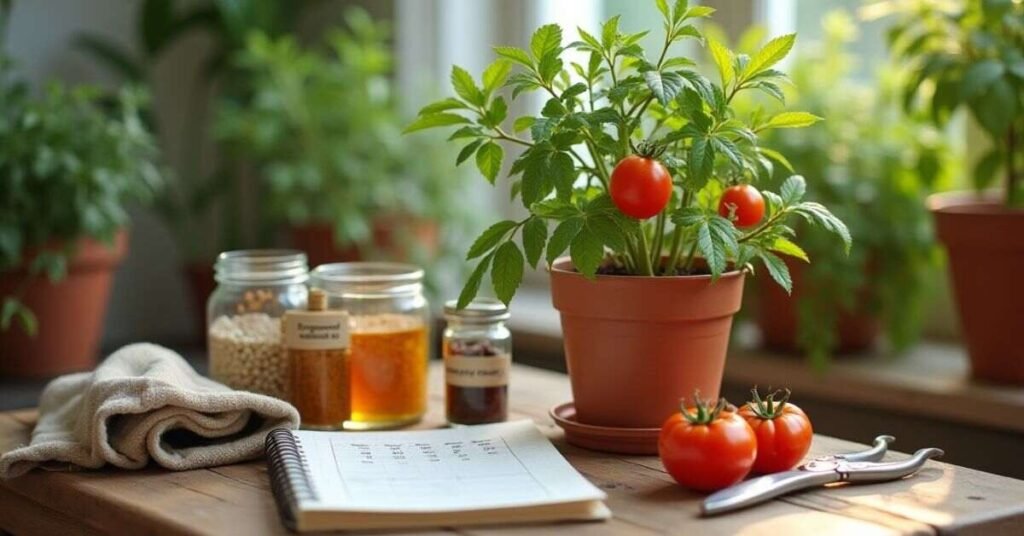
Taking care of your plants doesn’t have to be a full-time job. A little bit of attention every day goes a long way. Each morning, take a quick walk to your garden to check the soil moisture. Look at the leaves to make sure no tiny bugs have moved in overnight. Catching small problems early is the easiest way to keep your garden happy and productive.
On a weekly basis, you can do some deeper maintenance to help your plants thrive. This is a good time to pull any weeds that are stealing nutrients from your tomatoes. You should also check if the stems need more support as they grow taller. Giving your plants a little organic food once a week will ensure they have the energy to grow big, juicy fruit.
Routine Care Schedule
| Frequency | Task | Why it Matters |
| Daily | Check soil moisture | Ensures that the plant doesn’t wilt or dry out. |
| Daily | Look for pests | Catches bugs like aphids before they cause damage. |
| Daily | Harvest ripe fruit | Encourages the plant to keep producing more. |
| Weekly | Pull weeds | Keeps the soil nutrients and water for your tomatoes. |
| Weekly | Liquid fertilizing | Provides a quick boost of energy for fast growth. |
| Weekly | Prune “suckers” | Helps airflow and directs energy to the fruit. |
| Weekly | Adjust ties/stakes | Supports the heavy weight of growing tomatoes. |
| Monthly | Refresh mulch | Keeps the ground cool and holds in moisture. |
Common Tomato Plant Problems & Fixes
Even the best gardeners run into a few bumps in the road. You might notice yellow leaves, dark spots, or fruit that looks a bit strange. Most of these issues come from uneven watering or tiny garden pests. Don’t worry if things don’t look perfect right away. Most tomato problems are easy to fix once you know what to look for.
The best defense is to keep a close eye on your plants every couple of days. If you see a problem, acting quickly can save your whole harvest. Usually, a simple change in how you water or a quick trim of a leaf does the trick. Here are some common things you might see and how to handle them:
- Yellow Lower Leaves: This is often just old age, but it can also mean the plant needs a bit more food.
- Blossom End Rot: Dark, leathery spots on the bottom of the fruit mean the plant needs more consistent watering.
- Cracking Fruit: This happens when the plant gets too much water all at once after a dry spell.
- Leaf Holes: Small holes usually mean tiny beetles are visiting; you can wash them off with a gentle spray of water.
- Wilting in Heat: If the plant droops in the afternoon but perks up at night, it is just trying to stay cool.
Best Fertilizer for Tomato Plant Growth
Feeding your plants the right nutrients is like giving them a healthy meal. Tomatoes are very hungry and need different things at different times. When they are young, they love nitrogen to help their green leaves grow tall and strong. Once you see flowers appearing, you should switch to a food that is higher in phosphorus and potassium. This helps the plant focus its energy on making big, juicy tomatoes instead of just more leaves.
You can choose between store-bought fertilizers or natural options from your own kitchen. Many people like using slow-release granules because they feed the plant for several weeks. Liquid food works almost instantly for others. Whichever you choose, always follow the directions on the label to avoid overfeeding. Here are some of the best things to feed your tomato plants:
- Compost: This is “black gold” for gardeners and adds natural nutrients to the soil.
- Fish Emulsion: A liquid fertilizer that gives a quick boost to tired plants.
- Bone Meal: This is packed with phosphorus, which is great for healthy roots and fruit.
- Epsom Salt: A little bit of this can provide magnesium to keep leaves bright green.
- Balanced 10-10-10: A good all-around choice for steady growth throughout the season.
Tomato Plant Support & Pruning Tips
Giving your plants a little extra help will keep them off the ground and away from pests. As your tomato plant grows, it can become very heavy with fruit and might fall over. You should use a sturdy stake or a metal cage to keep the main stem standing tall. Tying the branches loosely to a support allows the air to move through the leaves, which keeps the plant dry and healthy.
Pruning is another great way to help your plant focus its energy on growing tomatoes. You should look for “suckers,” which are the tiny new stems that grow in the V-shape between two branches. Pinching these off with your fingers helps the plant produce fewer leaves and more fruit. It also opens up the middle of the plant so sunlight can reach every single tomato.
Indoor Tomato Plant Growing Guide
Growing tomatoes inside is a great way to enjoy fresh fruit all year round. You just need to recreate the warm, sunny environment they love. It is best to choose “determinate” or “dwarf” varieties because they stay small and fit perfectly on a windowsill. Since there is no wind or bees inside, you can gently shake the stems to help the flowers pollinate and turn into fruit.
Lighting is the most important part of an indoor garden. Even a sunny window might not be enough during the winter months. Many indoor gardeners use a small LED grow light to give their plants about twelve hours of brightness. Keep the air moving with a tiny fan to prevent the soil from getting moldy. With a little extra care, your living room can become a mini farm.
Tomato Plant Hacks for Faster Growth
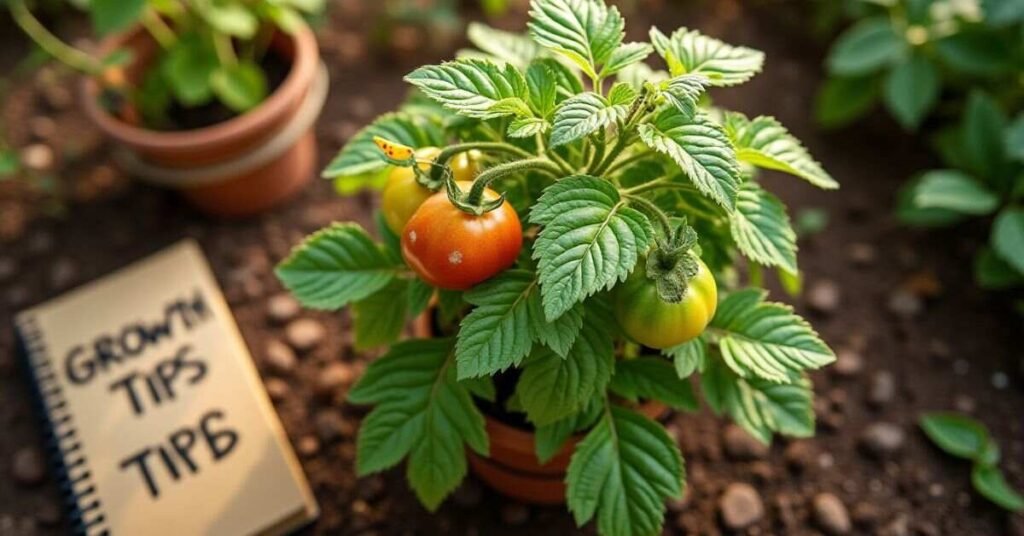
Growing tomatoes quickly often comes down to a few clever tricks that many experts use. One great hack is to plant your seedlings much deeper in the ground than they were in their small pots. You can actually bury the stem up to the first set of leaves. This encourages roots to grow all along the buried stem, making the plant much stronger and faster at absorbing water.
Another secret is to keep the soil warm right from the start. Tomatoes love heat and will grow much faster when the ground isn’t chilly. You can use dark mulch or even a simple piece of plastic to trap the sun’s warmth in the dirt. These small steps can shave weeks off your wait for the first harvest. Here are some more quick hacks to try:
- Warm Water: Use lukewarm water instead of icy cold water to avoid shocking the roots.
- Aspirin Spray: Dissolving a plain aspirin in water and spraying the leaves can boost the plant’s immune system.
- Remove Early Flowers: Pinch off the very first flowers so the plant puts its energy into getting big before making fruit.
- Epsom Salt Soak: A tiny bit of Epsom salt in the soil can help the plant take in nutrients more efficiently.
Conclusion
The most rewarding aspect of gardening is growing your own tomatoes. It takes a little bit of patience and some daily attention, but the results are worth every minute. From picking the right soil to watching those first green sprouts, you are creating something truly special. There is nothing quite like the pride of eating a meal made with food you grew yourself.
By following these simple steps, you can turn a small seedling into a massive harvest. Remember to keep your plants watered, give them plenty of sun, and don’t be afraid to try a few new hacks. Even if you start small with just one pot, you are on your way to becoming a great gardener. Happy planting, and enjoy every juicy bite of your home-grown harvest!
FAQs
1. How often should I water my tomato plants?
The top inch of soil should be watered whenever it feels dry. This usually means watering deeply two or three times a week, or daily during extreme heat.
2. Why are the leaves on my tomato plant turning yellow?
In addition to overwatering, nutrient deficiencies, and natural aging, yellow leaves are a sign of overwatering. Check the soil moisture first to ensure the roots aren’t sitting in a puddle.
3. Do I really need to prune my tomato plants?
Pruning helps the plant focus its energy on growing fruit instead of extra leaves. It also improves airflow, which keeps the plant dry and prevents diseases.
4. How much sunlight do tomatoes need every day?
Tomato plants are sun-lovers and need at least six to eight hours of direct sunlight. More sun generally leads to bigger, sweeter fruit and faster growth.
5. Can I grow tomatoes in pots if I don’t have a garden?
Yes, many varieties thrive in large containers or pots on a balcony. Just make sure the pot has holes for drainage and receives plenty of daily sunshine.

Jack Rivers is the founder of Plantsopedia, dedicated to making plant care simple, science-backed, and accessible for everyone. With a deep interest in botanical care and plant psychology, he specializes in rare tropical species and organic growth techniques, helping enthusiasts understand the soil, light, and biology behind every thriving plant. When he’s not experimenting with new propagation methods, Jack is busy turning complex horticultural science into practical, everyday advice for home gardeners