
Introduction
Ficus Tree Plants are a diverse group of plants belonging to the fig family. They come in many shapes, from woody shrubs to towering trees with glossy leaves. Most people recognize them by their unique “milky” sap and their ability to grow both indoors and outdoors. Whether it’s a small potted plant or a large garden centerpiece, a Ficus is a versatile choice for any plant lover.
Have you ever walked into a room and felt instantly more relaxed because of a splash of vibrant green? That is the magic of the Ficus. These plants are more than just greenery; they are living sculptures that breathe life into dull corners. They have a classic, upscale look that never goes out of style. If you want to transform a boring space into a lush sanctuary, the Ficus is your best friend.
In this guide, we will explore how to use different Ficus varieties to level up your decor. We’ll cover everything from the popular Fiddle Leaf Fig to the elegant Weeping Fig. You will also find practical tips on landscaping and how to keep these beauties thriving year-round. It is time to turn your home or garden into a professional-looking masterpiece.
What Are Ficus Tree Plants?
Ficus Tree Plants are a large family of trees, shrubs, and vines. Most people know them as “figs.” They are famous for their shiny, leathery leaves and sturdy stems. These plants produce a white, milky sap if you snap a leaf or branch. In the wild, they grow in warm, tropical places, but they are very popular as houseplants all over the world.
These plants come in many different looks. Some have huge, violin-shaped leaves, while others have tiny, delicate foliage. They are great at cleaning the air and making a room feel fresh. Because they can grow quite large, they are perfect for filling empty corners in a home. A Ficus is a simple way to bring a piece of the jungle into your living room.
Popular Ficus Tree Plant Varieties
There are hundreds of Ficus Tree Plants types, but a few favorites stand out for home decor. Each variety has its own “personality” and look. Some grow tall and straight, while others like to branch out and droop elegantly. Choosing the right one depends on how much space you have and how much light your room gets.
Here are the most popular varieties you will likely see in shops:
- Fiddle Leaf Fig: Known for its huge, waxy leaves shaped like violins. It is a major trend in interior design.
- Rubber Plant: Has thick, dark green or burgundy leaves. It is very tough and handles lower light well.
- Weeping Fig: Features slender branches and tons of tiny, delicate leaves. It looks like a miniature traditional tree.
- Ficus Audrey: A sturdier alternative to the Fiddle Leaf. It has velvet-like leaves and a cool, pale trunk.
These plants vary in size, so you can find one for a tiny desk or a high-ceilinged lobby. They all share that classic Ficus charm but offer different textures for your home. Whether you want a bold statement or a soft touch of green, there is a Ficus that fits your style perfectly.
How to Grow Ficus Plants

Growing a Ficus Tree Plants is mostly about finding the right “sweet spot” and leaving it there. These plants love consistency and hate being moved around. They need plenty of bright, indirect sunlight to keep their leaves vibrant and healthy. If you find a sunny corner near a window, your Ficus will likely be very happy.
To keep your plant thriving, follow these simple care steps:
- Only Water: The soil when it feels dry on top. They hate sitting in soggy mud.
- Drainage: Make sure your pot has holes at the bottom so extra water can escape.
- Temperature: Keep them in a warm room. Avoid cold drafts from air conditioners or wintry windows.
- Feeding: Give them a little liquid fertilizer once a month during the spring and summer.
Ficus plants can be a bit dramatic if they get stressed. If you move them to a new room, they might drop a few leaves at first. Don’t panic! Just keep their environment stable, and they will grow back stronger. With a little patience, your Ficus will grow into a stunning focal point for your home.
Indoor vs Outdoor Ficus
Ficus Tree Plants are incredibly flexible. They can live happily inside your home or grow into massive trees in a backyard. Indoors, they act as elegant decor that cleans your air. Outdoors, they thrive in the sun and can even work as a living fence. The main difference is how much space and light they get to grow.
Here are a few key differences to keep in mind:
- Size: Indoor plants stay smaller in pots, but outdoor trees can reach $15$ to $20$ meters tall.
- Sunlight: Indoor Ficus prefer bright, indirect light. Outdoor versions love soaking up direct sunshine.
- Weather: Outdoor plants need a warm climate. They will not survive a freezing winter.
- Maintenance: Indoor plants need regular dusting on their leaves. Outdoor trees need plenty of room for their roots to spread.
Deciding where to put your Ficus depends on your local weather. If you live in a place with cold winters, keep your Ficus inside where it is cozy. If you live in a tropical area, you can plant it outside to create a lush, green landscape. Either way, these plants add a beautiful, natural touch to any setting.
Ficus Care Tips
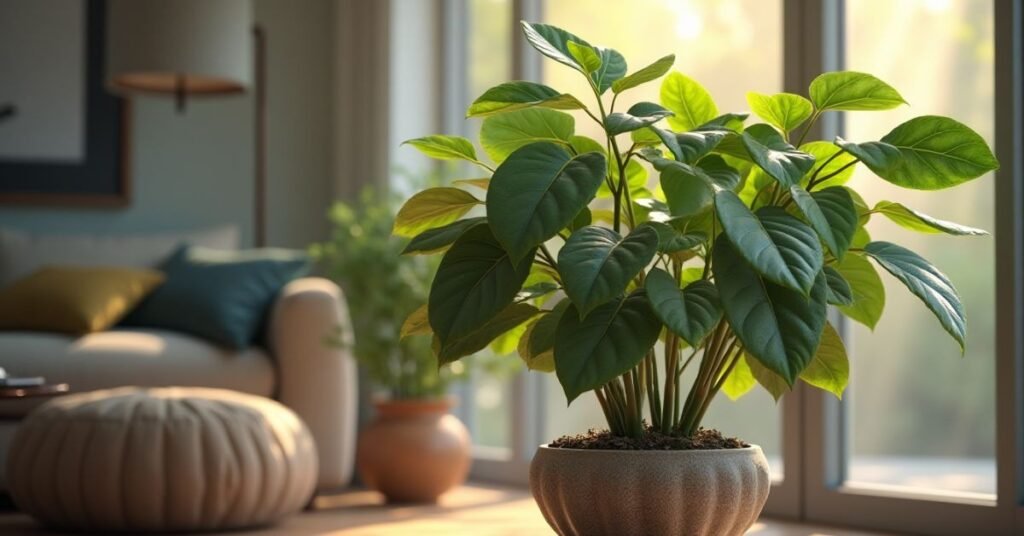
Taking care of a Ficus Tree Plants is all about finding a good routine. These plants love stability more than anything else. If you find a bright spot where they look happy, try not to move them. Changing their location can cause them to drop leaves in a “temper-tantrum.” Just be patient, keep the temperature steady, and watch them grow.
Consistency is the secret to a healthy plant. Make sure you check the soil regularly so it doesn’t stay bone-dry for too long. Wiping the leaves with a damp cloth is also a great habit. This removes dust so the plant can “breathe” and soak up sunlight better. Follow these simple guidelines in the table below to keep your Ficus thriving.
| Care Task | What to Do | Why It Matters |
| Light | Place in bright, indirect sunlight. | Prevents leaf burn and encourages growth. |
| Watering | Water when the top $2$ to $3$ cm of soil is dry. | Prevents root rot from overwatering. |
| Humidity | Mist the leaves or use a humidifier. | Mimics their natural tropical home. |
| Cleaning | Wipe leaves with a soft, damp cloth. | Removes dust so the plant stays healthy. |
| Fertilizing | Feed once a month in spring and summer. | Provides extra energy for new leaves. |
| Temperature | Keep between 18°C and 24°C. | Protects the plant from cold shocks. |
| Pruning | Trim back long or dead branches in winter. | Keeps the plant shaped and tidy. |
| Repotting | Move to a larger pot every $2$ years. | Gives roots more room to expand. |
Pruning & Shaping Ficus
Pruning is like giving your plant a haircut to keep it looking sharp. It helps your Ficus grow thicker and stay the right size for your room. If a branch gets too long or looks spindly, you can simply snip it back. This encourages the plant to sprout new leaves closer to the main trunk. Always use clean, sharp scissors or shears to make a neat cut.
The best time to shape your Ficus Tree Plants is during the late winter or early spring. This is just before the plant starts its big growth spurt for the year. You can prune it into a classic tree shape or a bushy shrub style. Just remember to watch out for the white, milky sap that leaks out when you cut. It can be a bit sticky, so it is a good idea to wear gloves while you work.
Common Problems & Fixes
Even the best plant parents run into trouble sometimes. Ficus plants are famous for dropping their leaves if they get stressed or unhappy. Usually, this is just their way of telling you that something in their environment has changed. Don’t worry if you see a few yellow leaves; it’s often a simple fix like moving a lamp or adjusting your watering schedule.
The key to a healthy Ficus is acting fast when you notice a change. Most issues come down to light, water, or pesky little bugs. If you stay observant, you can catch these problems before they hurt the plant. Use the table below to diagnose what might be bothering your leafy friend and how to make it happy again.
| Problem | Possible Cause | Simple Fix |
| Dropping Leaves | Sudden change in light or temperature. | Keep it in one spot away from cold drafts. |
| Yellow Leaves | You are likely overwatering the soil. | Water the top soil again after it has dried. |
| Brown, Crispy Edges | The air is too dry or it’s thirsty. | Mist the leaves or use a pebble tray with water. |
| Dry, Brittle Leaves | Too much direct, hot sunlight. | Get the plant away from the window by moving it a few feet. |
| White Sticky Spots | Tiny bugs called Mealybugs. | Wipe the leaves with soapy water or neem oil. |
| Small Webbing | Spider mites from dry air. | Increase humidity and wash the leaves thoroughly. |
| Stunted Growth | The plant needs more nutrients or a bigger pot. | Feed with fertilizer or repot in the spring. |
| Leaning to One Side | It is reaching for the light. | Rotate the pot a quarter turn every week. |
Tips to Boost Growth
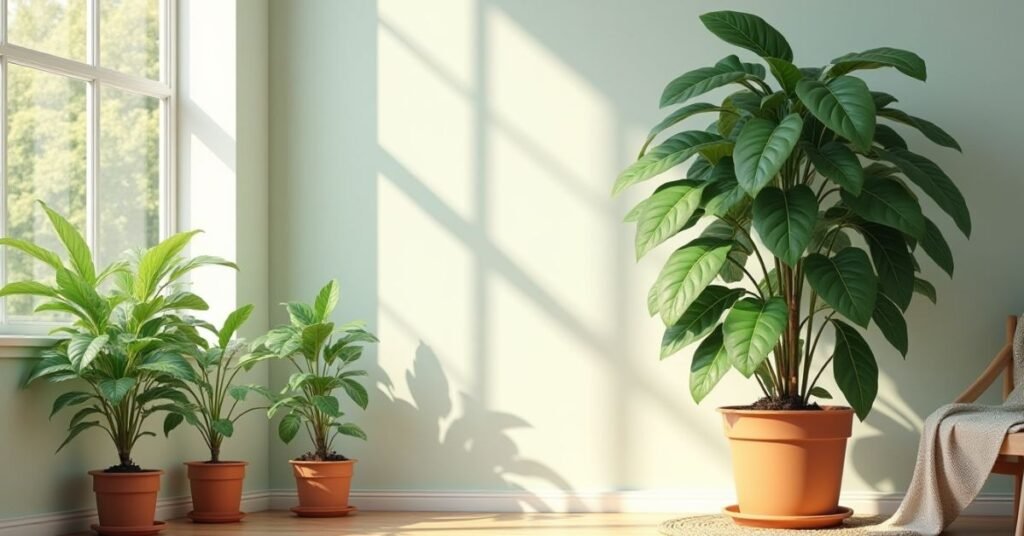
If you want your Ficus Tree Plants to grow faster and look fuller, you need to mimic its tropical home. These plants love a regular routine and the right amount of energy. When a Ficus gets exactly what it needs, it can sprout new leaves surprisingly quickly. Giving it a little extra attention during the warm months makes a huge difference.
Here are the best ways to give your plant a growth boost:
- More Light: Move it to a spot with very bright, filtered sunlight. Light is “food” for your plant.
- Rotate the Pot: Turn your plant 90 degrees every week. This helps all sides get sun and prevents leaning.
- Consistent Feeding: Use a liquid fertilizer once a month during spring and summer.
- Keep it Warm: Ensure the room stays above 18°C. Warmth signals the plant to grow.
- Keep the leaves humid by using a humidifier or misting them with water. Tropical plants grow faster in moist air.
Beyond just light and water, remember to keep the leaves clean. Accumulated dust can reduce sunlight exposure and hinder plant growth. A quick wipe with a damp cloth every few weeks keeps the plant “breathing” well. With these simple steps, your Ficus will transform from a small houseplant into a lush, indoor tree in no time.
Why Ficus Plants Are Essential
Ficus Tree Plants are essential because they do more than just look pretty. They are natural air purifiers that filter out common indoor toxins. These plants breathe in carbon dioxide and release fresh oxygen into your home. Having a Ficus nearby can actually help you breathe easier and feel more alert during the day.
Adding a Ficus to your room also helps reduce stress and improves your mood. Surrounding yourself with living greenery makes a space feel peaceful and grounded. They act as a bridge between the busy outside world and your quiet indoor sanctuary. A healthy Ficus is a simple, effective way to boost both your health and your home’s style.
Conclusion
Ficus Tree Plants are more than just plants; they are long-term companions for your home. They bring a touch of nature indoors and make any room feel more alive. While they can be a little picky at first, they rewarded your patience with beautiful, lush leaves. Once you find the right spot for them, they become an easy and elegant part of your daily life.
Adding a Ficus to your space is a great way to start your plant journey. Whether you choose a tall tree or a small shrub, it will surely brighten your day. Just remember to keep the light bright and the water consistent. With these simple tips, your Ficus will thrive and grow alongside you for many years to come.
FAQs
1. Why is my Ficus dropping its leaves?
Ficus plants usually drop leaves due to a sudden change in light, temperature, or a drafty location. They prefer a stable environment and hate being moved.
2. How frequently should I water my Ficus tree?
Water your Ficus only when the top $2$ to $3$ cm of soil feels dry to the touch. It is better to underwater slightly than to let the roots sit in soggy mud.
3. Can Ficus plants live in low light?
Most Ficus varieties prefer bright, indirect light to stay full and green. While some can tolerate lower light, they may grow slowly or lose their leaves.
4. Is the milky sap from a Ficus dangerous?
Yes, the white sap can irritate your skin and is toxic if swallowed by pets or children. It is a good idea to wear gloves when pruning and keep the plant out of reach.
5. How big will my indoor Ficus grow?Indoors, a Ficus can reach 2 to 3 meters tall depending on the pot size and ceiling height. You can easily manage its size with regular pruning once a year.

Jack Rivers is the founder of Plantsopedia, dedicated to making plant care simple, science-backed, and accessible for everyone. With a deep interest in botanical care and plant psychology, he specializes in rare tropical species and organic growth techniques, helping enthusiasts understand the soil, light, and biology behind every thriving plant. When he’s not experimenting with new propagation methods, Jack is busy turning complex horticultural science into practical, everyday advice for home gardeners